
In This Article
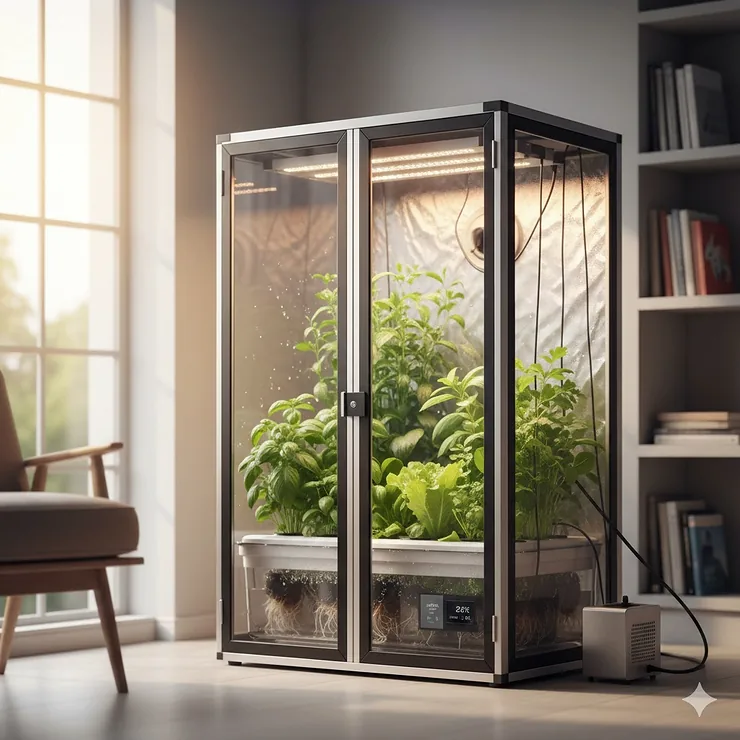
Picture this: fresh herbs, vibrant vegetables, and lush plants thriving year-round in your home—no backyard required, no weather worries, and minimal effort. That’s the magic of a grow cabinet. These self-contained indoor gardening systems have revolutionized how we cultivate plants at home, offering unprecedented control over every aspect of plant growth.
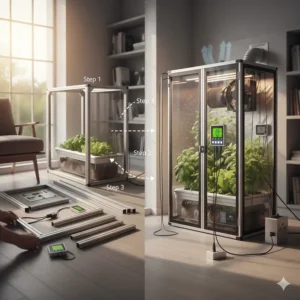
A grow cabinet is an enclosed, automated growing environment designed specifically for indoor cultivation. Unlike traditional grow tents that require extensive setup and separate components, these cabinets come fully equipped with integrated lighting, ventilation, hydroponic systems, and climate controls—all neatly packaged in a furniture-like enclosure that blends seamlessly into your living space. Whether you’re a complete beginner or an experienced cultivator, modern grow cabinets simplify the entire growing process while delivering professional-grade results. From compact units perfect for herbs and microgreens to full-size systems capable of producing substantial harvests, there’s a grow cabinet tailored to every need and budget in 2025.
Quick Comparison Table
| Grow Cabinet Model | Size | Price Range | Growing Capacity | Best For |
|---|---|---|---|---|
| Hey abby 420 SE | 15.75″ × 15.75″ × 48″ | $599-$699 | 1-2 plants | Beginners, compact spaces |
| SuperCloset SuperBox | 18″ × 24″ × 30″ | $897-$989 | 1-3 plants | Budget-conscious growers |
| Hey abby 420 Pro Edition | 15.75″ × 15.75″ × 48″ | $799 | 1-2 plants | Tech enthusiasts |
| WeGrowHerbs Amsterdam | 5.75 ft × 2 ft × 2 ft | $450-$650 | 4-8 plants | DIY customizers |
| SuperCloset SuperFlower | 36″ × 24″ × 72″ | $2,188-$2,679 | 8-12 plants | Tall plants, high yields |
| Gorilla Grow Cabinet | 36″ × 24″ × 72″ | $1,800-$2,500 | 10-16 plants | Professional growers |
| Hey abby OG Pro | 15.75″ × 15.75″ × 48″ | $999-$1,199 | 1-2 plants | Advanced automation |
💬 Just one click – help others make better buying decisions too! 😊
Top 7 Grow Cabinets: Expert Analysis
1. Hey abby 420 SE Edition – Best Budget-Friendly Automated System
The Hey abby 420 SE Edition represents remarkable value in automated indoor gardening, delivering professional features at an accessible price point. This compact powerhouse measures just 15.75 inches wide, making it perfect for apartments or tight spaces.
Key Specifications:
- Samsung LM281B+ PRO LED lighting with full spectrum
- 3-gallon DWC (Deep Water Culture) hydroponic system
- 10-speed PWM ventilation with multiple modes
- App-controlled automation with growing calendar
Users consistently praise this model’s simplicity, with one grower noting how the automated nutrient monitoring eliminated guesswork entirely. The system produces impressive yields of up to 6 ounces per harvest cycle, which translates to significant savings compared to retail prices.
✅ Pros:
- Pre-assembled, plug-and-play setup
- Comprehensive mobile app control
- Energy-efficient (under $6 monthly electricity)
❌ Cons:
- Limited to 1-2 plants maximum
- Subscription recommended for optimal results
Price Range: $599-$699
Target Audience: First-time growers seeking hassle-free automation
2. SuperCloset SuperBox – Most Compact Complete System
The SuperCloset SuperBox proves that great things come in small packages. Measuring 18″ × 24″ × 30″, this pint-sized powerhouse delivers professional results without dominating your living space.
Key Specifications:
- Full-spectrum LED grow lights
- Integrated carbon filtration for odor control
- SuperPonics hydroponic system
- Locking cabinet for security
This grow cabinet earned recognition as SuperCloset’s most popular entry-level system, and customer feedback reflects why. One reviewer mentioned how the unit’s stealth design allowed discreet growing in a shared living situation while maintaining complete odor control.
✅ Pros:
- Industry-leading warranty and support
- Extremely quiet operation
- Award-winning hydroponic technology
❌ Cons:
- Smaller grow height limits plant selection
- Manual nutrient management required
Price Range: $897-$989
Target Audience: Space-conscious growers wanting reliability
3. Hey abby 420 Pro Edition – Best Smart Technology Integration
The Hey abby 420 Pro Edition elevates indoor growing with cutting-edge Samsung 301D LED technology and advanced AI-powered growing assistance. This mid-range option bridges the gap between budget and premium systems.
Key Specifications:
- Samsung 301D full-spectrum LED array
- AI growth phase detection via photo analysis
- 3 USB ports for smart accessories
- Enhanced ventilation with dehumidify mode
Growers appreciate the Pro Edition’s intelligent features, particularly the AI assistant that analyzes plant photos to recommend optimal timing for flowering transitions. The three USB ports allow seamless integration of additional sensors and accessories.
✅ Pros:
- AI-powered growing recommendations
- Superior Samsung LED technology
- Multiple smart device connectivity
❌ Cons:
- Higher price than SE edition
- Learning curve for advanced features
Price Range: $799
Target Audience: Tech-savvy cultivators wanting smart automation
4. WeGrowHerbs Amsterdam Empty Cabinet – Best for DIY Customization
The WeGrowHerbs Amsterdam takes a unique approach by providing a premium empty grow cabinet that lets you design your ideal setup. This European-designed unit features industrial-grade construction with fire-resistant PVC/XPS/PVC sandwich panels.
Key Specifications:
- 5.75 ft height × 2 ft × 2 ft dimensions
- 4 square feet net surface area
- Aluminum mounting profiles included
- Ingenious light-blocking air intake system
DIY enthusiasts love the flexibility this empty cabinet provides. One experienced grower shared how they configured it with their preferred LED system and created a multi-tier vertical growing setup that wouldn’t have been possible with pre-configured units.
✅ Pros:
- Complete design freedom
- Professional-grade materials
- Superior fire safety rating
❌ Cons:
- Requires separate component purchases
- Assembly and technical knowledge needed
Price Range: $450-$650
Target Audience: Experienced growers wanting customization
5. SuperCloset SuperFlower Smart – Best for Tall Plants & Maximum Yields
The SuperCloset SuperFlower Smart stands tall—literally—offering the most vertical growing space in the SuperCloset lineup at 72 inches. This premium grow cabinet combines size with sophisticated smart controls for exceptional harvests.
Key Specifications:
- 36″ × 24″ × 72″ dimensions
- 16-plant SuperPonics hydroponic system
- App-controlled lighting and watering schedules
- Dual industrial-grade carbon filters
Commercial-scale results in residential footprint—that’s how users describe the SuperFlower. Customer reviews highlight yields ranging from 1-2 pounds per cycle, with one grower documenting how the app integration made managing their grow as simple as checking their phone during work breaks.
✅ Pros:
- Exceptional vertical growing space
- Professional-grade hydroponics
- Smart app automation
❌ Cons:
- Significant initial investment
- Larger footprint requires dedicated space
Price Range: $2,188-$2,679
Target Audience: Serious cultivators prioritizing yield and quality
6. Gorilla Grow Cabinet – Best Professional-Grade System
The Gorilla Grow Cabinet represents the gold standard for serious indoor cultivators. Built with powder-coated steel and featuring the innovative Xi330 GXi LED system, this cabinet delivers commercial-quality results with military-grade durability.
Key Specifications:
- 16-plant SuperPonics hydroponic system
- Xi330 LED with tri-channel spectrum control
- Premium 4-port air pump with silent operation
- Lotus Nutrients comprehensive system included
Professional growers consistently rank Gorilla’s build quality above competitors. The powder-coated steel construction ensures decades of service, while the integrated SuperPonics system accelerates growth by 2-5 times compared to traditional methods. Safety features include electrical protections that exceed industry standards.
✅ Pros:
- Military-grade construction quality
- Industry-leading warranty coverage
- Complete professional nutrient system
❌ Cons:
- Premium pricing
- Overkill for casual hobbyists
Price Range: $1,800-$2,500
Target Audience: Professional cultivators and commercial operations
7. Hey abby OG Pro Edition – Most Advanced Automation System
The Hey abby OG Pro Edition represents the pinnacle of automated grow cabinet technology. This flagship model integrates Samsung 301H LEDs enhanced with UV and IR spectrums, creating the ultimate hands-off growing experience.
Key Specifications:
- Samsung 301H LED with UV/IR supplementation
- Smart dial with real-time ecosystem monitoring
- Voice-controlled digital door lock
- Advanced DWC system with nutrient monitoring
Tech reviewers from outlets like TechCrunch praised the smart dial display, describing it as both functional and aesthetically impressive. The UV/IR enhancement during flowering significantly boosts potency and yields, with users reporting 8+ ounces per harvest.
✅ Pros:
- Most advanced lighting technology available
- Voice control and smart dial interface
- Exceptional yield potential
❌ Cons:
- Highest price in compact category
- Advanced features may overwhelm beginners
Price Range: $999-$1,199
Target Audience: Enthusiasts wanting cutting-edge technology
What Is a Grow Cabinet?
A grow cabinet is a self-contained indoor gardening system that provides complete environmental control for plant cultivation. Unlike open grow tents or traditional garden beds, these enclosed units integrate all essential components—lighting, ventilation, climate control, and often hydroponic systems—into a single, discreet package that resembles ordinary furniture.
The technology behind modern grow cabinets traces back to NASA’s space farming research, where scientists developed methods to grow fresh produce in controlled environments with minimal resources. Today’s systems apply these principles to home gardening, utilizing advanced LED lighting, automated nutrient delivery, and precision climate management to create optimal growing conditions year-round.
Key Benefits of Using a Grow Cabinet
Year-Round Growing Freedom
Traditional gardening depends entirely on seasons and weather patterns. A grow cabinet eliminates these limitations completely. Whether it’s the dead of winter or scorching summer, your indoor environment maintains perfect conditions for plant development. This consistency translates to multiple harvest cycles annually instead of being constrained to a single growing season.
Complete Environmental Control
Temperature, humidity, light intensity, nutrient concentration—every variable affecting plant health becomes precisely adjustable within a grow cabinet. This level of control proves invaluable when cultivating specialty crops with specific requirements or pushing yields to their maximum potential.
Research from the USDA National Agricultural Library confirms that hydroponically grown plants in controlled environments produce up to 5 times faster growth rates compared to traditional soil cultivation, primarily due to optimized environmental conditions.
Water Conservation and Sustainability
Modern grow cabinets, particularly those with hydroponic systems, use dramatically less water than traditional gardening. The U.S. National Park Service research indicates hydroponic systems consume up to 90% less water than soil-based methods because water recirculates rather than draining away. This efficiency makes grow cabinets an environmentally responsible choice for food production.
Space Efficiency
Urban dwellers face constant space constraints. Grow cabinets address this challenge through vertical growing designs and compact footprints. A 2-foot-wide cabinet can produce more edible crops than a 50-square-foot outdoor garden plot, making fresh food production accessible even in studio apartments.
Pest and Disease Prevention
The enclosed nature of grow cabinets creates a barrier against common garden pests, soil-borne diseases, and airborne contaminants. This protection significantly reduces or eliminates the need for pesticides, resulting in cleaner, healthier produce.
Types of Grow Cabinets Available
Hydroponic Grow Cabinets
Hydroponic models use water-based nutrient solutions instead of soil, delivering minerals directly to plant roots. These systems accelerate growth dramatically-Harvard research demonstrates hydroponic plants grow up to twice as fast as soil-grown counterparts while producing larger yields. Popular systems include Deep Water Culture (DWC), Nutrient Film Technique (NFT), and aeroponic configurations.
Soil-Based Grow Cabinets
Traditional soil growers appreciate the familiar cultivation methods offered by soil-based cabinets. These systems maintain the classic growing approach while adding environmental controls, automated watering, and optimized lighting. They’re ideal for organic enthusiasts and those growing crops that perform better in soil mediums.
Automated Smart Grow Cabinets
The latest generation of grow cabinets incorporates artificial intelligence, app connectivity, and sensor arrays that monitor every aspect of plant health. These smart systems automatically adjust lighting schedules, regulate temperature and humidity, manage nutrient delivery, and even alert growers when maintenance is needed—all controlled from smartphones.
Stealth Grow Cabinets
Designed to blend seamlessly into home decor, stealth cabinets resemble ordinary furniture pieces while housing sophisticated growing systems. These units prioritize silent operation, effective odor control, and discreet appearances, making them perfect for shared living spaces or situations requiring discretion.
Essential Features to Consider
Lighting System Quality
LED grow lights have revolutionized indoor cultivation. Full-spectrum LEDs provide the complete light wavelength range plants need from seedling through harvest. Premium systems like Samsung LM301 series or high-output quantum boards deliver superior photon efficiency while consuming minimal electricity. Look for lights offering separate vegetative and flowering spectrum controls for optimal results across growth stages.
Ventilation and Climate Control
Proper airflow prevents mold, regulates temperature, and ensures fresh CO2 supply. Quality cabinets feature variable-speed fans, carbon filtration for odor elimination, and automated climate responses. The best systems maintain ideal conditions (70-80°F, 40-60% humidity) without constant manual adjustments.
Growing System Type
Your choice between hydroponic and soil-based systems affects everything from yield potential to maintenance requirements. Hydroponics typically delivers faster growth and larger harvests but requires more technical knowledge. Soil systems offer familiarity and traditional growing methods with slightly slower development.
Cabinet Build Quality
Construction materials directly impact longevity and light-proofing. Steel-frame cabinets outlast plastic alternatives, while powder-coated finishes resist rust and damage. Proper sealing prevents light leaks that can disrupt plant cycles and ensures odor containment.
Automation Level
Consider how hands-on you want to be. Basic cabinets require manual monitoring and adjustments, while fully automated systems handle watering, feeding, and environmental control independently. Smart cabinets with app connectivity offer the ultimate convenience, sending alerts and allowing remote management.
Grow Cabinet Specifications Comparison
| Feature | Budget Models | Mid-Range | Premium Systems |
|---|---|---|---|
| Price Range | $400-$900 | $900-$1,500 | $1,500-$3,000+ |
| Lighting | Basic LED | Full-spectrum LED | Advanced LED with UV/IR |
| Automation | Manual controls | Semi-automated | Full automation + AI |
| Growing Capacity | 1-4 plants | 4-10 plants | 10-20 plants |
| Build Quality | Plastic/basic metal | Reinforced steel | Military-grade steel |
| Warranty | 6-12 months | 1-2 years | 2-5 years |
How to Choose the Right Grow Cabinet
1. Assess Your Available Space
Measure your intended location carefully, accounting for door clearance, ventilation access, and power outlets. Remember to factor in 6-12 inches of clearance around the cabinet for proper airflow and maintenance access.
2. Define Your Growing Goals
Are you cultivating herbs for cooking, growing vegetables for meals, or pursuing a serious hobby? Your objectives determine necessary cabinet size, features, and budget. Casual herb growers thrive with compact models, while serious cultivators benefit from larger, feature-rich systems.
3. Evaluate Your Experience Level
Beginners should prioritize automated systems with comprehensive support and user-friendly interfaces. The Hey abby line excels here with guided apps and one-on-one expert assistance. Experienced growers might prefer customizable options like the WeGrowHerbs Amsterdam that accommodate advanced techniques.
4. Calculate Long-Term Costs
Initial purchase price tells only part of the story. Factor in electricity consumption (typically $5-15 monthly), nutrient costs, replacement filters, and growing media. Premium cabinets often deliver better energy efficiency, offsetting higher upfront costs over time.
5. Consider Noise and Odor Requirements
Shared living spaces demand quiet operation and effective odor control. Look for cabinets with quality carbon filters, silent inline fans, and sound-dampening construction. Models specifically marketed as “stealth” systems prioritize these features.
6. Research Brand Reputation and Support
Company track record matters significantly in this industry. SuperCloset’s 13 award wins and A+ BBB rating, Hey abby’s responsive customer service, and Gorilla’s lifetime support exemplify the backing serious growers need. Read customer reviews focusing on long-term reliability and company responsiveness.
7. Verify Warranty Coverage
Comprehensive warranties protect your investment. Look for coverage spanning at least one year on electronics, with some premium brands offering 2-5 year protection. Understand what’s covered—lighting, fans, pumps, and control systems should all receive warranty protection.
Maintenance Tips for Optimal Performance
Weekly Tasks
Monitor nutrient levels in hydroponic systems and adjust pH as needed (optimal range: 5.5-6.5). Inspect plants for pest signs or nutrient deficiencies, address issues immediately. Check water reservoir levels and refill as needed.
Bi-Weekly Tasks
Clean and calibrate sensors to ensure accurate environmental readings. Prune plants for optimal light penetration and airflow. Wipe down interior surfaces to prevent algae or mold buildup.
Monthly Tasks
Replace or clean air filters to maintain proper ventilation. Check all connections, hoses, and fittings for leaks or wear. Test backup systems (if equipped) to verify they function correctly.
Quarterly Tasks
Deep clean the entire cabinet interior with safe, plant-friendly cleaners. Inspect and clean grow lights—dust reduces efficiency significantly. Replace carbon filters according to manufacturer recommendations (typically every 6-12 months).
Annual Tasks
Conduct thorough system inspection checking for worn parts needing replacement. Test emergency systems and backup power (if equipped). Update any software or firmware for smart cabinet systems.
Benefits Comparison: Grow Cabinets vs Traditional Methods
| Aspect | Grow Cabinets | Outdoor Gardens | Indoor Soil Growing |
|---|---|---|---|
| Year-Round Growing | ✅ Yes | ❌ Seasonal only | ✅ Yes |
| Space Required | Minimal (2-10 sq ft) | Substantial (50+ sq ft) | Moderate (10-30 sq ft) |
| Water Usage | Very low (90% less) | High | Moderate |
| Pest Control | Minimal/none | Constant challenge | Moderate effort |
| Climate Control | Complete | None | Limited |
| Initial Cost | $400-$3,000 | $100-$500 | $200-$1,000 |
| Yield per sq ft | Very high | Low | Moderate |
| Setup Difficulty | Low-moderate | High | Moderate |
✨ Don’t Miss These Exclusive Deals!
🔍 Take your indoor gardening to the next level with these carefully selected products. Click on any highlighted item to check current pricing and availability. These tools will help you create authentic harvests your family will love!
Common Mistakes to Avoid
Overlooking Electrical Requirements
Many beginners underestimate power needs. Most grow cabinets require dedicated 15-20 amp circuits. Using inadequate wiring creates fire hazards. Always verify your electrical system can safely handle the cabinet’s power draw before purchasing.
Neglecting Environmental Monitoring
Plants communicate needs through subtle signs—leaf discoloration, drooping, or stunted growth all signal problems. Investing in quality sensors for temperature, humidity, and pH pays dividends by catching issues early. Smart cabinets with built-in monitoring eliminate this concern.
Overfeeding Plants
The most common growing mistake involves excess nutrients. More isn’t better—overfeeding causes nutrient burn, stunted growth, and chemical buildup in produce. Follow manufacturer feeding schedules precisely, especially when starting out.
Improper Light Distance
Positioning lights too close burns plants, while excessive distance causes stretching and weak growth. Most LED systems perform best 12-24 inches from canopy, but always consult specific manufacturer recommendations.
Skimping on Ventilation
Inadequate airflow invites mold, mildew, and pest problems while limiting plant development. Quality inline fans and proper ducting aren’t optional—they’re essential for healthy plants and optimal yields.
Frequently Asked Questions
❓ What size grow cabinet do I need for 4 plants?
❓ How much does it cost to run a grow cabinet monthly?
❓ Can beginners successfully use grow cabinets?
❓ Do grow cabinets work for vegetables and herbs?
❓ How long do grow cabinet components last?
Conclusion
Choosing the right grow cabinet transforms indoor gardening from challenging hobby to enjoyable, rewarding experience. The seven models we’ve examined represent the best options available in 2025, each excelling in different areas. Budget-conscious beginners find incredible value in the Hey abby 420 SE or SuperCloset SuperBox, while serious cultivators appreciate the professional capabilities of the Gorilla Grow Cabinet or SuperCloset SuperFlower.
The technology has matured to where anyone—regardless of experience—can successfully grow fresh, organic produce year-round. Automated systems eliminate guesswork, smart features provide guidance, and integrated hydroponics accelerate growth dramatically. Whether you’re growing herbs for cooking, vegetables for meals, or pursuing a passionate hobby, modern grow cabinets make it achievable.
Your journey to fresh, home-grown harvests starts with selecting the system matching your space, goals, and budget. The models reviewed here represent proven performers backed by strong warranties and responsive customer support. Consider your priorities carefully, invest in quality components, and you’ll soon enjoy the satisfaction of harvesting produce you’ve grown yourself—365 days a year, regardless of weather or season.
Recommended for You
- 7 Best Grow Tent Humidifiers 2025 (Tested & Reviewed)
- 7 Best Dehumidifiers for Grow Tent 2025: Expert Reviews
- Mushroom Grow Tent: 7 Best Options for 2025 Success
Disclaimer: This article contains affiliate links. If you purchase products through these links, we may earn a small commission at no additional cost to you.
✨ Found this helpful? Share it with your friends! 💬🤗
