
In This Article
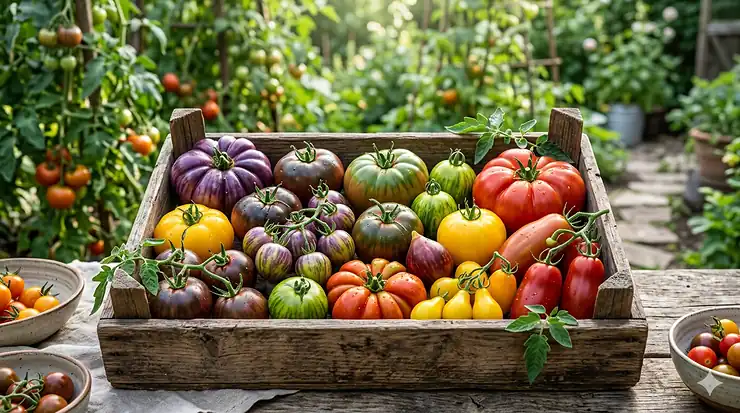
Have you ever bitten into a supermarket tomato and wondered where all the flavor went? You’re not alone. That cardboard taste isn’t your imagination—it’s the result of decades of breeding tomatoes for shipping durability rather than taste. But there’s a delicious rebellion happening in gardens across America, and rare heirloom tomato varieties are leading the charge.
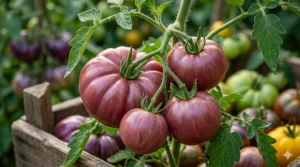
What exactly makes rare heirloom tomato varieties so special? These are open-pollinated cultivars that have been passed down through generations, some dating back over 100 years. Unlike modern hybrids bred for uniform appearance and long shelf life, these unusual heirloom seeds were selected by gardeners who cared about one thing above all: incredible flavor. According to Wikipedia, heirloom tomatoes lack a genetic mutation that gives commercial tomatoes uniform red color at the cost of taste—meaning these heritage seed collection varieties actually produce higher levels of sugars and carotenoids.
I’ve been growing exotic tomato varieties for over a decade, and every season brings new discoveries. From purple-shouldered Cherokee beauties to striped German giants weighing over two pounds, these collector tomato seeds offer flavors that range from sweet and fruity to rich and smoky. Whether you’re a seasoned gardener or just starting your unique vegetable seeds journey, rare heirloom tomato varieties will transform your summer harvest from ordinary to extraordinary.
Quick Comparison Table: Top Rare Heirloom Tomato Varieties
| Seed Collection | Varieties Included | Seed Count | Price Range | Best For |
|---|---|---|---|---|
| Organic Tomato Seeds Variety Pack | 12 varieties (Black Krim, Cherokee Purple, Brandywine) | 1,200+ seeds | $18-25 | Beginners wanting diversity |
| Sow Right Seeds Rare Colorful Collection | 5 varieties (Cherokee Green, Black Beauty, Hillbilly) | 225+ seeds | $12-17 | Color variety hunters |
| Organo Republic Rare Tomato Pack | 14 varieties with tomatillos | 1,020+ seeds | $20-28 | Value seekers |
| Heirloom Tomato Assortment | 20 classic varieties | 1,500+ seeds | $15-22 | Serious collectors |
| Sow Right Beefsteak Collection | 5 large slicing varieties | 225+ seeds | $13-18 | Sandwich lovers |
| Gardeners Basics Rare Pack | 5 exotic varieties | 225+ seeds | $11-16 | First-time growers |
| Sustainable Sprout Collection | 9 culinary varieties | 900+ seeds | $16-23 | Kitchen gardeners |
💬 Just one click – help others make better buying decisions too! 😊
Top 7 Rare Heirloom Tomato Varieties: Expert Analysis
1. Organic Tomato Seeds Variety Pack – 12 Individual Packs (2026 Season)
This comprehensive collection is your gateway to discovering rare heirloom tomato varieties without the overwhelm. Each packet comes individually sealed with planting instructions, making it perfect for beginners who want to explore unique vegetable seeds systematically.
Key Specifications:
- 12 distinct varieties including Black Krim, Cherokee Purple, Pink Brandywine
- 2026 season fresh seeds with 90%+ germination rate
- USDA Certified Organic and Non-GMO
Price Range: $18-25
Customer Feedback: Gardeners consistently praise the excellent germination rates and the beautiful packaging that makes gift-giving easy. One reviewer noted, “Every variety germinated within a week, and the flavor diversity is incredible—from sweet Yellow Pear to the rich, complex Black Krim.”
✅ Pros:
- Individual packets prevent cross-contamination
- Premium giftable packaging with reusable storage
- Includes both cherry and beefsteak varieties
❌ Cons:
- Slightly pricier than bulk packs
- Some varieties require longer growing seasons
2. Sow Right Seeds – Rare Colorful Heirloom Tomato Seed Collection
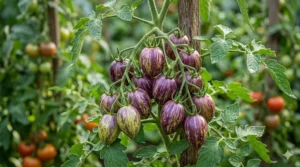
If you’re hunting for exotic tomato varieties that’ll make your neighbors do a double-take, this is your collection. Sow Right Seeds specializes in the unusual—Cherokee Green tomatoes that stay emerald even when ripe, midnight-purple Black Beauty, and the stunning bi-colored Hillbilly variety.
Key Specifications:
- 5 rare colored varieties (Cherokee Green, Black Krim, Hillbilly, Black Beauty, Ponderosa Pink)
- Approximately 45 seeds per packet (225 total)
- Solar-powered operation following Safe Seed Pledge
Price Range: $12-17
Customer Feedback: “These aren’t your grandmother’s tomatoes—well, maybe they are, but in the best way possible! The Cherokee Green has an incredibly sweet, low-acid flavor perfect for fresh eating.”
✅ Pros:
- Stunning visual variety for market growers
- Detailed growing instructions included
- Company answers questions promptly
❌ Cons:
- Smaller seed count than some competitors
- Some varieties are indeterminate requiring staking
3. Organo Republic 14 Rare Tomato & Tomatillo Garden Seeds Variety Pack
Talk about value—this heritage seed collection delivers over 1,020 seeds for less than $1.80 per variety. Organo Republic includes bonus gardening tools and QR codes linking to comprehensive growing guides.
Key Specifications:
- 14 varieties including Amana Orange, Dr. Wyche’s Yellow, Pink Thai Egg
- Includes 2 tomatillo varieties (Cape Gooseberry, Grande Rio Verde)
- Mini gardening tool set included
Price Range: $20-28
Customer Feedback: Multiple reviewers report 90%+ germination rates across all varieties. “The Pink Thai Egg was a revelation—sweet, prolific, and beautiful. The included tools are actually useful, not just gimmicks.”
✅ Pros:
- Exceptional seed-to-price ratio
- Waterproof resealable packaging
- Tools included (clipper, tweezers, dibber, fork, widger)
❌ Cons:
- Some varieties better suited for warmer climates
- Overwhelming variety count for small gardens
4. Heirloom Tomato Seed Assortment – 20 Varieties – 1,500+ Seeds
For serious collectors of hard to find seeds, this massive assortment covers the classics. You’ll get Cherokee Purple, multiple Brandywine colors, Mortgage Lifter, and the legendary Black Krim—basically a who’s-who of collector tomato seeds.
Key Specifications:
- 20 time-tested varieties (75+ seeds each, Roma has 300)
- Includes rare varieties like Costoluto Genovese and Mischka
- Seeds viable for 5+ years with proper storage
Price Range: $15-22
Customer Feedback: “This collection saved me hours of research. Every major heirloom is represented, and even 10-year-old seeds from this seller germinate at 50% rate.”
✅ Pros:
- Comprehensive variety coverage
- Generous seed counts per variety
- Long viability with proper storage
❌ Cons:
- Bulk packaging (not individual packets)
- Requires labeling and organization
- Some varieties overlap in flavor profiles
5. Sow Right Seeds – Beefsteak Style Tomato Seed Collection
If you dream of slicing thick, juicy tomato rounds onto summer sandwiches, this unusual heirloom seeds collection delivers. Sow Right Seeds focused exclusively on large slicing varieties—Beefsteak, Kellogg’s Breakfast, Cherokee Purple, Mortgage Lifter, and Ponderosa Pink.
Key Specifications:
- 5 large-fruited beefsteak varieties
- Fruits range from 1-2 pounds each
- Indeterminate vines require sturdy support
Price Range: $13-18
Customer Feedback: “Kellogg’s Breakfast is now my absolute favorite. Orange-gold, meaty, low acid, and absolutely massive. Perfect for preserving and fresh eating.”
✅ Pros:
- Focused selection for specific use
- All proven, reliable varieties
- Excellent for canning and preserving
❌ Cons:
- Limited variety for those wanting cherry types
- Requires longer growing season
- Heavy fruits need substantial staking
6. Gardeners Basics 5 Rare Tomato Seeds for Planting Variety Pack
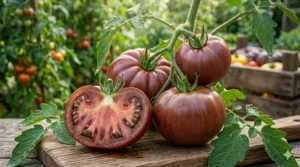
Marketed specifically for newcomers to rare heirloom tomato varieties, this pack balances the exotic with the achievable. Gardeners Basics selected varieties known for both unusual characteristics and reliable performance.
Key Specifications:
- 5 varieties (Cherokee Purple, Black Krim, Pineapple, Green Zebra, Black Cherry)
- Mix of determinate and indeterminate plants
- Includes both slicing and cherry types
Price Range: $11-16
Customer Feedback: “Started with this pack as my first heirlooms. The Green Zebra was ready before my hybrids, and the flavor was incomparable. Great confidence builder.”
✅ Pros:
- Budget-friendly entry point
- Good mix of plant types and sizes
- Includes one determinate option
❌ Cons:
- Smaller overall seed count
- Less variety than comprehensive packs
- Basic packaging
7. Sustainable Sprout Heirloom Tomato Seeds (9 Variety Pack)
Sustainable Sprout curated this collection specifically for culinary diversity. You’ll find sauce tomatoes (Roma, San Marzano), salad types (Cherry, Yellow Pear), and slicing varieties (Brandywine, Ace 55)—basically everything you need for a complete kitchen garden.
Key Specifications:
- 9 varieties covering all culinary uses
- Includes tomatillo for authentic Mexican dishes
- USDA supervised cultivation and harvesting
Price Range: $16-23
Customer Feedback: “The San Marzano produces like crazy for sauce making. The packaging is gorgeous, and germination was over 90% across all varieties. It’s my go-to gift for foodie friends.”
✅ Pros:
- Thoughtful culinary-focused selection
- Beautiful, artistic packet design
- Excellent for sauce and paste production
❌ Cons:
- Some overlap with more basic collections
- Packet design can fade if stored improperly
- Tomatillo needs more growing space
Understanding Rare Heirloom Tomato Varieties
What transforms an ordinary tomato into a rare heirloom tomato variety? The answer lies in heritage, genetics, and time. According to the UC Master Gardeners, an heirloom tomato must meet specific criteria: it’s an open-pollinated variety passed down at least 50 years through generations in a family, ethnic, or tribal group, or was commercially introduced before 1945.
The magic happens because these unique vegetable seeds breed true from generation to generation. Unlike hybrids, which lose their desirable traits in the second generation, exotic tomato varieties produce offspring identical to their parents. This genetic stability allowed families to save seeds year after year, selecting for flavor, appearance, and adaptability to local conditions. That’s why you’ll find collector tomato seeds with stories attached—Cherokee Purple shared by Cherokee Nation members, Mortgage Lifter developed by a West Virginia radiator repairman to pay off his house.
During the mid-20th century, industrial agriculture nearly drove these unusual heirloom seeds to extinction. Commercial breeders prioritized uniformity, disease resistance, and shipping durability over taste. The result? Those bland, mealy supermarket tomatoes we’ve all endured. Thankfully, dedicated seed savers preserved these heritage seed collection varieties, and now gardeners can access hard to find seeds that would have disappeared forever.
The flavor difference is biochemical, not nostalgic. Heirloom tomatoes lack the uniform ripening gene (rin mutation) that commercial varieties carry. This mutation extends shelf life but reduces the tomato’s ability to produce sugars and carotenoids during ripening. Your rare heirloom tomato varieties pack 30-40% more flavor compounds than their hybrid counterparts.
How to Choose the Right Rare Heirloom Tomato Varieties for Your Garden
Step 1: Assess Your Growing Zone and Season Length
Different exotic tomato varieties have different days-to-maturity. Cherokee Purple needs 80-90 days, while some beefsteaks require 90+ days. Check your frost-free days and choose accordingly. Northern gardeners should focus on early varieties or start seeds indoors 6-8 weeks before last frost.
Step 2: Match Varieties to Your Culinary Goals
Planning fresh eating? Choose slicing varieties like Brandywine or Hillbilly. Making sauce? San Marzano and Roma paste types are your friends. Want salads bursting with color? Grab a cherry tomato mix with Yellow Pear and Black Cherry. The best heritage seed collection addresses all your kitchen needs.
Step 3: Consider Your Garden Space and Support Systems
Indeterminate varieties (most heirlooms) grow 6-8 feet tall and produce continuously until frost. They need substantial caging or staking. Determinate varieties stay compact (3-4 feet) and ripen all at once—better for container growing or limited space. Check product descriptions carefully.
Step 4: Evaluate Disease Resistance and Regional Adaptability
Rare heirloom tomato varieties generally have less disease resistance than modern hybrids. However, many have adapted to specific regions over generations. Seek out varieties with proven success in your climate. Mortgage Lifter thrives in humid areas, while Pineapple handles heat exceptionally well.
Step 5: Start Small and Expand Gradually
Don’t plant 20 varieties your first season. Choose 5-7 that cover different uses and growth habits. Save seeds from your favorites, note what thrived, and expand your unusual heirloom seeds collection each year. This builds your expertise while preventing overwhelm.
Step 6: Source from Reputable Suppliers
Quality matters immensely with collector tomato seeds. Purchase from established seed companies with high germination guarantees, fresh stock dating, and positive reviews. Amazon sellers with thousands of reviews and strong ratings offer accountability.
Step 7: Plan for Seed Saving
One joy of unique vegetable seeds is saving them for future seasons. Choose open-pollinated varieties, keep different types separated by 20+ feet, and learn proper fermentation and storage techniques. A single season’s harvest can provide seeds for years.
The History and Cultural Significance of Rare Heirloom Tomato Varieties
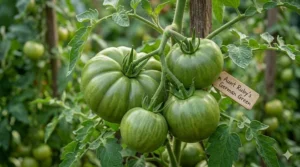
Tomatoes originated in Central and South America, where indigenous peoples cultivated them as early as 700 AD. Spanish conquistadors brought them to Europe in the 16th century, but Americans remained skeptical—many believed tomatoes were poisonous until the mid-1800s. Once accepted, however, tomato breeding exploded.
The golden age of rare heirloom tomato varieties spans roughly 1870-1940. During this period, seed companies introduced hundreds of unique vegetable seeds, each adapted to different regions and purposes. Families immigrating to America brought their precious exotic tomato varieties—Italian San Marzanos, German Brandywines, Russian Black Krims. These became treasured heritage seed collection items, passed from generation to generation.
World War II marked a turning point. Post-war agricultural industrialization prioritized efficiency and uniformity. Seed companies dropped “old-fashioned” varieties from catalogs. By 1984, according to seed preservation organizations, over 80% of varieties available in 1910 had vanished. Those unusual heirloom seeds survived only because dedicated gardeners quietly saved them in jars and envelopes.
The 1970s-1980s saw the rise of seed preservation movements. Organizations like Seed Savers Exchange created networks where collectors could share hard to find seeds. These collector tomato seeds represented biodiversity insurance—each variety contained genetic solutions to different growing challenges. The Cherokee Purple’s heat tolerance, Brandywine’s flavor complexity, or Costoluto Genovese’s disease resistance might prove crucial as climates change.
Today’s rare heirloom tomato varieties renaissance reflects growing appreciation for flavor, biodiversity, and food sovereignty. When you plant these heritage seed collection varieties, you’re not just growing food—you’re preserving agricultural history and culture.
Growing Tips for Rare Heirloom Tomato Varieties
Soil Preparation and Nutrition
Heirloom tomatoes demand rich, well-draining soil with pH 6.0-6.8. Work in 2-3 inches of compost before planting. These heavy feeders appreciate balanced fertilizer (10-10-10) at transplanting, then switch to low-nitrogen formulas once flowering begins. Too much nitrogen creates lush foliage but reduced fruit set.
Calcium is crucial for preventing blossom end rot, especially in large-fruited collector tomato seeds like Mortgage Lifter or Brandywine. Add crushed eggshells or gypsum to your soil preparation. Consistent moisture matters more than frequent feeding—irregular watering stresses plants and causes fruit cracking.
Starting Seeds Indoors vs. Direct Sowing
Most rare heirloom tomato varieties benefit from indoor starting 6-8 weeks before your last frost date. Use quality seed-starting mix, provide bottom heat (70-80°F), and ensure strong light once seedlings emerge. Weak, leggy seedlings never fully recover.
Transplant when nighttime temperatures consistently exceed 50°F and soil reaches 60°F. Bury stems deep—right up to the first true leaves. Tomatoes develop roots along buried stems, creating stronger plants. This technique especially benefits unusual heirloom seeds with vigorous growth habits.
Support Systems for Indeterminate Varieties
Most exotic tomato varieties grow indeterminate, requiring substantial support. Florida weave, sturdy cages (at least 5 feet tall), or vertical string trellising all work. Install supports at planting time—retrofitting damages roots and vines.
Pruning indeterminate tomatoes improves air circulation and focuses energy. Remove suckers (shoots between main stem and branches) when they’re 2-4 inches long. Leave a few upper suckers for continued production. Heavy-fruited beefsteaks benefit from slings or netting supporting individual fruits.
Pest and Disease Management
Without hybrid disease resistance, heritage seed collection varieties need preventative care. Space plants 24-36 inches apart for airflow. Mulch heavily to prevent soil-borne disease splash. Water at soil level, never overhead. Remove lower leaves once plants reach 2 feet tall.
Common problems include early blight, septoria leaf spot, and hornworms. Organic copper fungicides work preventatively for fungal issues. Handpick hornworms (those giant green caterpillars) or use BT spray. Companion planting with basil, marigolds, and nasturtiums provides natural pest deterrence.
Harvesting for Peak Flavor
Here’s where rare heirloom tomato varieties shine. Unlike commercial types picked green and gassed to ripen, these unique vegetable seeds should ripen fully on the vine. Taste-test frequently—optimal ripeness varies by variety. Some, like Green Zebra, stay green when ripe (check for slight yellowing and gentle give).
Morning harvest, after dew dries but before heat intensifies, captures peak flavor. Handle gently—thin-skinned heirlooms bruise easily. Never refrigerate unless absolutely necessary; cold temperatures destroy flavor compounds. Store at room temperature, stem-side down, away from direct sunlight.
Seed Saving: Preserving Your Rare Heirloom Tomato Varieties
One profound joy of unusual heirloom seeds is saving them for future generations. Tomatoes are perfect for beginning seed savers—they’re largely self-pollinating, and the process is straightforward. Select fruits from your healthiest, most productive plants showing truest-to-type characteristics.
Let chosen tomatoes ripen completely on the vine, even slightly beyond normal eating stage. Scoop seeds into a glass jar, add equal parts water, and let ferment 2-4 days at room temperature, stirring daily. This fermentation process removes the gelatinous coating that inhibits germination and kills many seed-borne diseases.
When the mixture looks foamy and slightly moldy, add water and stir vigorously. Viable seeds sink; bad seeds and pulp float. Pour off floaters, rinse remaining seeds several times, then spread on coffee filters or paper plates to dry completely (1-2 weeks). Store in labeled, dated envelopes in a cool, dry, dark location. Properly stored collector tomato seeds remain viable 4-10 years.
Maintain genetic purity by keeping different varieties separated by 10-20 feet minimum. Potato-leaf types and varieties with sticky stems cross-pollinate more readily—give these extra distance. For ultimate purity, hand-pollinate by transferring pollen from flower to flower using a small brush, then tag those flowers.
Companion Planting with Rare Heirloom Tomato Varieties
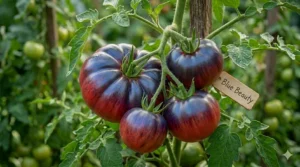
Your exotic tomato varieties thrive with strategic companions. Basil isn’t just a culinary companion—it repels aphids, flies, and thrips while supposedly enhancing tomato flavor. Plant it throughout your tomato bed. Marigolds (especially French varieties) deter nematodes and whiteflies with their root exudates.
Nasturtiums act as trap crops, attracting aphids away from tomatoes. Borage improves tomato health and flavor while attracting beneficial pollinators. Garlic and chives planted between tomato plants reduce fungal diseases and spider mites. Avoid planting heritage seed collection varieties near brassicas (cabbage, broccoli), corn, or fennel—these compete for nutrients or attract harmful pests.
The Three Sisters technique adapts beautifully to tomatoes. Plant determinate varieties with pole beans and squash—tomatoes provide bean support, beans fix nitrogen, squash leaves suppress weeds and retain moisture. This indigenous technique maximizes small-space productivity.
Common Mistakes When Growing Rare Heirloom Tomato Varieties
Over-Fertilizing, Especially with Nitrogen
More isn’t better with unusual heirloom seeds. Excess nitrogen creates lush, dark green foliage but delays flowering and fruiting. It also increases susceptibility to diseases. Follow package directions, and consider your tomatoes properly fed when they show steady growth and dark green (not blue-green) leaves.
Inconsistent Watering
Irregular moisture causes fruit cracking, blossom end rot, and stressed plants vulnerable to disease. Collector tomato seeds need consistent moisture—not constantly wet, but never bone-dry. Soil should stay evenly moist 6 inches deep. Mulch heavily, and consider drip irrigation or soaker hoses for consistent delivery.
Planting Too Early or Too Close Together
Impatient gardeners plant when soil is too cold. Tomatoes sulk in cold soil, growing slowly and developing poorly. Wait until soil reaches 60°F minimum. Crowding is equally problematic—rare heirloom tomato varieties need air circulation to prevent fungal diseases. Space them adequately even if it seems wasteful initially.
Neglecting Support Systems
Installing cages after plants are established damages roots and stems. Those flimsy tomato cages at big-box stores can’t support 8-foot indeterminate vines loaded with 1-pound fruits. Invest in substantial support from day one. Your heritage seed collection varieties will thank you with easier maintenance and better harvests.
Ignoring Variety-Specific Needs
Not all unique vegetable seeds behave identically. Some require more calcium, others tolerate more shade, certain varieties resist diseases others succumb to. Read variety descriptions carefully and research specific needs. Join online forums where experienced growers share insights about particular exotic tomato varieties.
Comparing Rare Heirloom Tomato Varieties vs. Modern Hybrids
| Feature | Rare Heirloom Tomato Varieties | Modern Hybrid Tomatoes |
|---|---|---|
| Flavor | Complex, rich, often superior | Consistent but often bland |
| Seed Saving | Seeds breed true, can be saved | Seeds sterile or don’t breed true |
| Disease Resistance | Generally lower | Higher, bred for specific resistances |
| Appearance | Variable, unique shapes/colors | Uniform, predictable |
| Shelf Life | Shorter, thinner skins | Longer, thicker skins |
| Productivity | Variable, often lower yields | Consistent, higher yields |
| Adaptability | Adapted to specific regions | Bred for broad adaptability |
| Cost | Seeds expensive initially but savable | Seeds must be repurchased annually |
| Genetic Diversity | High, preserves biodiversity | Low, narrow genetic base |
The choice isn’t either/or. Many successful gardeners grow both—hybrids for reliable production and disease resistance, hard to find seeds for extraordinary flavor and preservation. Your ideal garden might include hybrid Early Girls for first fruits, unusual heirloom seeds for summer’s peak flavors, and paste hybrids for efficient sauce production.
Storing and Using Your Rare Heirloom Tomato Harvest
Fresh Storage Methods
Never refrigerate tomatoes unless desperate to prevent spoilage. Cold temperatures convert flavor-producing enzymes to inactive forms—once refrigerated, full flavor never returns. Store at room temperature (65-70°F), stem-side down to prevent air from entering through stem scar. Keep them single-layer to prevent bruising.
Different exotic tomato varieties have different shelf lives. Thin-skinned types like Brandywine last 3-5 days at peak, while thicker varieties like Roma hold 7-10 days. Slightly underripe fruits continue ripening off-vine; fully ripe fruits should be used immediately. Sort daily, using ripest fruits first.
Preserving the Harvest
Rare heirloom tomato varieties excel in preservation. Whole peeled tomatoes, crushed tomatoes, and tomato sauce capture summer’s flavor for winter months. Blanch fruits 30-60 seconds, plunge into ice water, slip off skins, then can according to USDA guidelines. Acidify with lemon juice or citric acid—heirlooms sometimes have lower natural acidity than hybrids.
Freezing works beautifully for sauce-making heritage seed collection varieties. Core tomatoes, blend whole (skins and all for maximum nutrition), then freeze in portions. The skins slip right off during cooking. Dehydrating creates intensely flavored dried tomatoes perfect for winter soups and pasta dishes. Sun-drying works in hot, dry climates; otherwise, use a dehydrator at 135°F.
Culinary Applications by Variety Type
Different collector tomato seeds shine in different preparations. Large beefsteaks (Mortgage Lifter, Brandywine) are unbeatable sliced fresh, layered on summer sandwiches, or featured in caprese salads. Their size and meaty texture make them ideal for grilling or stuffing.
Paste tomatoes (San Marzano, Roma) contain less moisture and more flesh, concentrating flavor when cooked. These unusual heirloom seeds produce superior sauces, pastes, and ketchups with less cooking time. Cherry types (Black Cherry, Yellow Pear) work beautifully in salads, roasted whole, or preserved in olive oil.
Mid-sized slicers (Cherokee Purple, Black Krim) offer versatility—excellent fresh, in salsas, in light sauces, or roasted. Their complex flavors develop beautifully when slowly roasted at 250°F until edges caramelize. Green-when-ripe varieties (Green Zebra, Aunt Ruby’s German Green) add unexpected visual interest and tangy flavor to fresh preparations.
FAQ: Expert Answers About Rare Heirloom Tomato Varieties
❓ What makes rare heirloom tomato varieties taste better than store-bought tomatoes?
❓ Can I grow exotic tomato varieties in containers?
❓ How long do hard to find seeds remain viable in storage?
❓ Which unusual heirloom seeds work best for beginners?
❓ Should I remove suckers from indeterminate rare heirloom tomato varieties?
Conclusion: Your Journey with Rare Heirloom Tomato Varieties Begins Now
Growing rare heirloom tomato varieties transforms you from passive consumer to active participant in agricultural history. Each seed packet contains stories—Cherokee Purple passed down from Native American gardeners, Mortgage Lifter developed by a West Virginia radiator repairman, Brandywine cherished by Pennsylvania Amish families for generations. When you plant these unique vegetable seeds, you become part of that living tradition.
The flavors alone justify the effort. That first bite of sun-warmed Cherokee Purple, its complex sweetness exploding across your palate, or the rich, smoky depth of Black Krim that makes you wonder how you ever settled for supermarket tomatoes—these moments redefine what food can be. Your unusual heirloom seeds offer experiences impossible to purchase.
Beyond flavor and history, these heritage seed collection varieties represent resilience and food sovereignty. Each exotic tomato variety contains genetic adaptations to specific climates, pests, and growing conditions. This diversity becomes crucial as climates change and new challenges emerge. By growing and saving collector tomato seeds, you’re preserving genetic solutions for future generations.
Start small this season. Choose three or four varieties from the collections reviewed above—perhaps a large beefsteak for slicing, a paste tomato for sauce, and a colorful cherry for salads. Learn their quirks, celebrate their successes, forgive their failures. Save seeds from your favorites. Next season, expand your hard to find seeds collection based on what thrived.
The rare heirloom tomato varieties renaissance isn’t about nostalgia—it’s about reclaiming flavor, biodiversity, and connection to our food. Your garden is the perfect place to start. Those seemingly simple seeds hold the power to transform your meals, your relationship with food, and even your understanding of what a tomato can be.
Recommended for You
- 7 Best Spring Vegetable Seeds for March Planting 2026
- 7 Best Tomato Seeds for Containers 2026 – Space-Saving Picks
- 7 Best Disease Resistant Tomato Seeds for Blight-Free Gardens 2026
Disclaimer: This article contains affiliate links. If you purchase products through these links, we may earn a small commission at no additional cost to you.
✨ Found this helpful? Share it with your friends! 💬🤗
