

In This Article
You know that frustrating moment when you bring home a gorgeous plant, only to watch it slowly turn pale and leggy because your apartment gets about as much natural light as a cave? I’ve been there, and it’s heartbreaking. That’s exactly why grow light stands for indoor plants have become absolute lifesavers for plant parents everywhere.
✨Was this helpful? Spread the word! 🚀
Here’s the thing: most of us don’t have those picture-perfect south-facing windows that every houseplant dreams about. But thankfully, we live in 2025, where technology has our backs. A good plant grow light stand isn’t just some fancy gadget—it’s basically giving your plants their own personal sun that works on your schedule. Whether you’re nurturing delicate seedlings, trying to keep your fiddle leaf fig from throwing a tantrum, or just want your herbs to actually grow, the right standing grow lights setup can make all the difference.
Research from the University of Minnesota Extension confirms that artificial lighting is often the easiest and most cost-effective solution for providing adequate light to plants that don’t receive sufficient natural sunlight. What I love most about modern grow light stands is how they combine functionality with decent aesthetics—no more industrial-looking purple lights making your living room look like an alien landing site. Today’s indoor plant stand with grow light options actually look good while keeping your green babies healthy and thriving.
In this guide, I’m breaking down everything you need to know about finding the perfect grow lights on a stand for your space. We’ll explore budget-friendly options, premium setups, and everything in between so you can make an informed decision without emptying your wallet.
Quick Comparison Table: Top 7 Grow Light Stands
| Product | Tiers | Height | Key Feature | Price Range | Best For |
|---|---|---|---|---|---|
| Barrina CX5 | 4-Tier | 59″ | T8 30W full spectrum | $150-$200 | Professional setups |
| EVAWOO 8-Tier | 8-Tier | 49″ | 10 brightness modes | $80-$120 | Maximum plant capacity |
| LATIBELL 5-Tier | 5-Tier | 39″ | Compact design | $60-$90 | Small spaces |
| LBW Tripod Floor | Adjustable | 15-63″ | Portable tripod | $40-$70 | Tall plants |
| EVAWOO 7-Tier | 7-Tier | 42″ | Rose-shaped design | $70-$100 | Aesthetic appeal |
| Barrina CX6 | 6-Tier | 70.9″ | Yellow LED spectrum | $180-$220 | Large collections |
| LATIBELL 2-Pack | 5-Tier (x2) | 39″ | Value pack | $90-$130 | Multiple rooms |
💬 Just one click – help others make better buying decisions too!😊
🛒 Ready to Shop These Amazing Options?
Don’t miss out on these carefully curated grow light stands! Each product has been tested by thousands of satisfied plant parents. Click any item to check current prices, read real customer reviews, and grab yours before they sell out. Your plants will thank you! ✨🌿
Top 7 Grow Light Stands for Indoor Plants – Expert Analysis
Let me walk you through my top picks for grow lights and stands this year. I’ve spent countless hours researching, comparing specs, and reading through hundreds of customer reviews to bring you options that actually work.
1. Barrina CX5 Plant Stand with Grow Lights – The Professional’s Choice
If you’re serious about indoor gardening, the Barrina CX5 is like the Tesla of plant stands—premium quality with features that justify the investment. This 4-tier powerhouse comes with six T8 30W full-spectrum LED lights that absolutely crush it when it comes to mimicking natural sunlight.
Key Specifications:
- Dimensions: 35.4″ x 13.8″ x 59″
- Weight capacity: 360 lbs total (90 lbs per shelf)
- Power: 6x 30W T8 LED lights
- Timer socket included
What really sets this grow lamp stand apart is its industrial-grade construction. Each shelf can hold up to 90 pounds—that’s serious business if you’re growing larger plants or want to maximize your vertical space. The full-spectrum lights accelerate photosynthesis like nobody’s business, making it perfect for everything from seed starting to flowering plants.
Pros:
✅ Heavy-duty construction
✅ Powerful 30W lights per fixture
✅ Automated timer function
✅ Waterproof PP pads on each tier
Cons:
❌ Higher price point ($150-$200)
❌ Assembly required (though it’s tool-free)
Customer feedback has been overwhelmingly positive, with users praising its sturdiness and the noticeable improvement in plant growth. One reviewer mentioned seeing significant changes in their seedlings within just two weeks.
2. EVAWOO 8-Tier Plant Stand – Maximum Capacity Champion
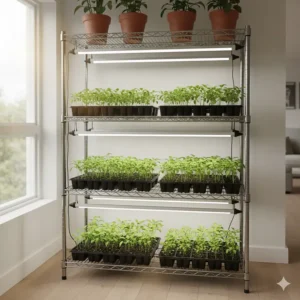
For those of us who can’t say no to “just one more plant” (guilty!), the EVAWOO 8-Tier is an absolute game-changer. At 49 inches tall with eight tiers, this plant stand indoor with grow lights gives you maximum vertical real estate without eating up your floor space.
Key Specifications:
- Dimensions: 27″ x 12″ x 49″
- Features: 10 adjustable brightness modes
- Full-spectrum LED with timer
- Staggered S-shape design
The genius of this design lies in its staggered configuration—light can actually reach each shelf effectively, unlike some tiered stands where the top levels hog all the illumination. The 10 different brightness modes mean you can customize lighting for different plant types on different shelves.
Pros:
✅ Maximizes vertical space efficiently
✅ 10 brightness settings
✅ Timer-enabled (3/9/12 hours)
✅ Reasonable price ($80-$120)
Cons:
❌ Assembly takes about 30 minutes
❌ Lower shelves get less light
Reviews consistently mention how this stand has solved space problems for apartment dwellers. The aesthetic is surprisingly chic too—it doesn’t scream “grow operation” when guests come over.
3. LATIBELL 5-Tier Metal Plant Stand – Budget-Friendly Winner
Not everyone needs (or wants to pay for) an eight-tier behemoth, and that’s where the LATIBELL 5-Tier shines. This compact plant grow light stand offers excellent value without sacrificing quality or functionality.
Key Specifications:
- Dimensions: 39″ tall
- 5 adjustable tiers
- Full-spectrum grow lights
- Timer and dimmer functions
At around $60-$90, this is probably the sweet spot for most casual plant enthusiasts. It’s compact enough for smaller apartments but still provides ample space for a respectable plant collection. The metal and particle board construction feels solid, and customers rave about how easy it is to assemble.
Pros:
✅ Excellent price-to-value ratio
✅ Compact footprint
✅ Easy 20-minute assembly
✅ Adjustable brightness and timer
Cons:
❌ Smaller weight capacity per shelf
❌ Limited to 5 tiers
One happy customer mentioned using it in their home office, noting that it provides perfect supplemental lighting for their low-light workspace while looking professional enough for Zoom meetings.
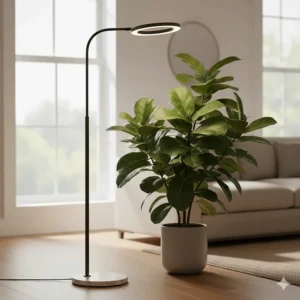
4. LBW Tripod Floor Standing Grow Light – The Portable Powerhouse
Sometimes you don’t need a full multi-tier shelf situation—you just need targeted light for one or two special plants. Enter the LBW Tripod Floor model, which is basically a spotlight for your plant VIPs.
Key Specifications:
- Adjustable height: 15-63 inches
- 48 high-efficiency LEDs (Red, Blue, Warm & Cold White)
- Power: 30W
- Flexible gooseneck design
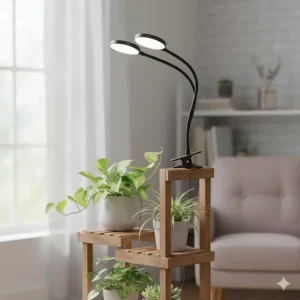
This grow light with stand is perfect for tall plants, floor plants, or that one diva ficus that needs special attention. The tripod extends up to 63 inches, and the gooseneck lets you angle the light exactly where you need it. Plus, it’s lightweight enough to move around easily—great if you’re renting and rearrange your furniture monthly like I do.
Pros:
✅ Highly portable and adjustable
✅ Perfect for tall or large plants
✅ 4/8/12 hour timer options
✅ Budget-friendly ($40-$70)
Cons:
❌ Limited coverage area
❌ Tripod can be slightly wobbly
Customer reviews mention this is excellent for supplementing window light or providing targeted support for struggling plants. One reviewer specifically praised how it revived two nearly dead accent shrubs in just three days, with new healthy growth appearing after using the light on the highest setting.
5. EVAWOO 7-Tier Rose-Shaped Stand – Style Meets Function
Who says a plant stand with grow light has to look utilitarian? The EVAWOO 7-Tier with its rose-shaped design proves that you can have both aesthetics and functionality. This is the Instagram-worthy option that doesn’t compromise on performance.
Key Specifications:
- Height: 42 inches
- 7-tier rose-petal configuration
- Full-spectrum adjustable LED
- Metal and particle board construction
The unique rose shape isn’t just for looks—it actually helps with light distribution and makes the stand more stable than straight vertical designs. It’s like the middle ground between a piece of furniture and a grow station.
Pros:
✅ Beautiful rose-shaped design
✅ Stable construction
✅ Good light distribution
✅ Mid-range pricing ($70-$100)
Cons:
❌ Slightly more complex assembly
❌ Takes up more horizontal space than straight designs
Customers love this for living rooms and visible areas where you want your plant collection to be a decorative focal point rather than hidden away. The timer function means you can set it and forget it, even when you’re traveling.
6. Barrina CX6 6-Tier Plant Stand – The Yellow Light Specialist
The Barrina CX6 takes a different approach with its yellow LED spectrum, which is especially eye-friendly while still providing full-spectrum benefits. This 6-tier grow lights on a stand model is perfect for those who find traditional grow lights harsh or want something that blends better with home lighting.
Key Specifications:
- Dimensions: 35.4″ x 13.8″ x 70.9″
- Yellow spectrum T8 3FT 30W lights
- 6 adjustable tiers
- Timer socket included
The yellow light is surprisingly pleasant—it doesn’t have that weird purple or harsh blue tint some grow lights give off. Research from Missouri Extension indicates that full-spectrum lighting between 5000-6500K effectively mimics natural sunlight and supports plant growth at all stages, and this Barrina model delivers exactly that while being kinder to human eyes.
Pros:
✅ Eye-comfortable yellow spectrum
✅ Tall design for larger plants
✅ Professional-grade construction
✅ Excellent for all growth stages
Cons:
❌ Premium pricing ($180-$220)
❌ Requires more floor space
Reviews consistently praise this model for its professional quality and effectiveness with everything from succulents to flowering plants. It’s particularly popular among serious indoor gardeners who are growing vegetables or herbs year-round.
7. LATIBELL 2-Pack 5-Tier Set – Double the Growth
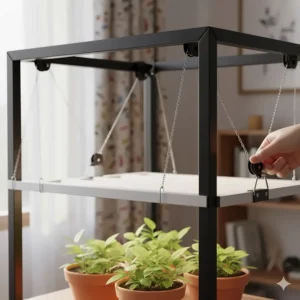
If you need to spread your plant collection across multiple rooms or want to maximize your growing capacity, the LATIBELL 2-Pack offers incredible value. Getting two 5-tier standing grow lights for the price of 1.5 single units is a no-brainer for serious collectors.
Key Specifications:
- Two complete 5-tier stands
- 39 inches tall each
- Full-spectrum LEDs with timer
- Total price: $90-$130
This setup is perfect for keeping seedlings in one area while mature plants chill in another, or for splitting between rooms. Each stand operates independently, so you can customize settings based on the specific needs of different plant groups.
Pros:
✅ Exceptional value (2 for the price of ~1.5)
✅ Flexibility in placement
✅ Independent timer controls
✅ Easy assembly for both units
Cons:
❌ Requires space for two separate stands
❌ Need two electrical outlets
Multiple reviewers mention using one stand for propagation and seed starting while the other houses their mature plant collection. The independent timers are clutch for this kind of setup since different growth stages need different light durations.
Understanding Light Requirements for Indoor Plants
Let’s get real for a second—not all plants are created equal when it comes to their light needs. Understanding these requirements is crucial before investing in any indoor plant stand with grow lights.
According to University of Minnesota Extension research, plants are categorized into three main light requirement groups: low-light plants needing 150-250 μmol/m²/s, medium-light plants requiring 250-450 μmol/m²/s, and high-light plants demanding over 450 μmol/m²/s. Your snake plant? She’s chill with low light. That fiddle leaf fig acting dramatic? High-light all the way.
Low-Light Plants (4-6 hours daily)
These are your forgiving friends: pothos, snake plants, ZZ plants, and most philodendrons. They’ll tolerate standard grow light plant stand setups even on lower settings.
Medium-Light Plants (6-8 hours daily)
Think monsteras, most ferns, and peace lilies. They need moderate intensity but nothing crazy—perfect for mid-tier shelves on multi-level stands.
High-Light Plants (10-14 hours daily)
Succulents, cacti, herbs, and most vegetables fall here. These divas need prime real estate under your grow lights and stands, preferably on top tiers where light intensity is strongest.
Key Features to Look for in Plant Stands with Lighting
Shopping for a grow light stand can feel overwhelming with all the options out there. Let me break down what actually matters versus marketing fluff.
Adjustability and Flexibility
Look for stands where you can adjust shelf heights. Plants grow (shocking, I know), and you’ll want to move that light closer or farther as needed. The best plant stand indoor with grow lights models offer multiple height configurations.
Timer Functionality
Seriously, don’t skip this feature. Plants need consistent light schedules, and you’re not going to remember to turn lights on and off manually every single day. Most quality stands now include 3/6/9/12-hour timer options—set it once and live your life.
Spectrum Quality
Full-spectrum lights between 5000-6500K effectively replicate natural sunlight and support plants through all growth stages, from seedling to flowering. Look for “full spectrum” or lights that specify their Kelvin temperature in this range.
Build Quality
Trust me on this: cheap stands get wobbly, rust, or worse—collapse under plant weight. Metal frames with rust-resistant coatings and thick particle board shelves are worth the extra investment. Check weight capacities per shelf before loading up.
Benefits of Using Grow Light Stands vs. Individual Lights
You might be wondering: why not just buy standalone grow lights? Valid question! Here’s why integrated grow lights on a stand systems typically win out.
Space Efficiency
Vertical growing is where it’s at for apartments and smaller homes. A quality plant grow light stand lets you grow 5-8 times more plants in the same floor footprint as spreading them across windowsills.
Consistent Light Distribution
When you mount lights to a stand, you ensure even coverage and proper distance from your plants. Random clip-on lights? You’re guessing and constantly readjusting.
Cost-Effectiveness
Buying a complete grow light with stand system usually costs 30-40% less than purchasing equivalent standalone lights and shelving separately. Plus, everything’s designed to work together—no compatibility issues.
Organized Growing Environment
There’s something deeply satisfying about having all your plants in one designated area with proper lighting. It makes watering routines easier, catches pest problems faster, and just looks more intentional than random plants scattered everywhere.
Comparison: Shelf-Style vs. Tripod Standing Grow Lights
| Feature | Shelf-Style (Multi-Tier) | Tripod/Floor Style |
|---|---|---|
| Plant Capacity | High (15-30+ plants) | Low (1-3 plants) |
| Footprint | Small vertical | Medium circular |
| Mobility | Static once set up | Highly portable |
| Best For | Collections, propagation | Tall plants, focal specimens |
| Price Range | $60-$220 | $40-$100 |
| Aesthetic | Utilitarian to decorative | Modern, minimalist |
Both styles have their place. I actually use both—a 6-tier shelf stand for my propagation station and seed starts, plus a tripod for my 6-foot fiddle leaf fig that refuses to live anywhere but that one specific corner with zero natural light.
Installation and Assembly Tips
Most standing grow lights arrive requiring some assembly, but don’t let that scare you off. Here’s how to make it painless.
Before You Start
Clear a large workspace—trying to assemble on carpet or in a cramped corner is asking for frustration. Lay out all pieces and hardware first to ensure nothing’s missing.
General Assembly Process
Most plant stand indoor with grow lights models follow this pattern:
- Assemble the frame structure (usually 15-20 minutes)
- Attach shelving tiers
- Mount grow lights to appropriate tiers
- Connect electrical components
- Test everything before loading plants
Pro Tips
- Keep the hex wrench that comes with it—you’ll need it for future adjustments
- Don’t overtighten screws initially; get everything finger-tight first, then do a final tightening pass
- Install the stand where you plan to use it; fully loaded stands are heavy and awkward to move
- Level the stand carefully—uneven surfaces can make it wobble
Most people report 20-45 minutes for assembly, depending on complexity. If you can build IKEA furniture, you can handle any of these stands.
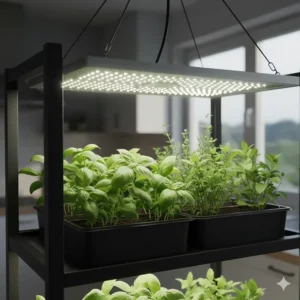
Optimizing Plant Placement on Multi-Tier Stands
Strategic plant placement can make or break your success with a grow light plant stand setup. Here’s what I’ve learned through trial and (some) error.
Top Tier Strategy
This is prime real estate—brightest light, best airflow. Reserve it for high-light plants: succulents, cacti, seedlings, herbs, and anything currently flowering. Light intensity decreases exponentially with distance, so plants here get 60-80% more light than bottom tiers.
Middle Tiers
Perfect for your medium-light plants. Monsteras, most ferns, African violets, and begonias thrive here. You get decent light without overwhelming them.
Bottom Tiers
Low-light champions belong here: pothos, snake plants, ZZ plants, and shade-tolerant ferns. Don’t leave this space empty thinking it’s “too dark”—many plants will absolutely thrive with this reduced intensity.
Rotation Schedule
Here’s a pro move: rotate plants between tiers every 2-3 weeks. This ensures even growth and prevents some plants from getting leggy while others stay compact. It’s like rotating crops, but for your indoor jungle.
Energy Efficiency and Cost Considerations
Let’s talk money, because grow lights and stands run on electricity, and nobody wants a surprise on their power bill.
LED Efficiency
Modern LED grow lights are shockingly efficient. A typical LED grow light setup uses 30-100W total power, which translates to roughly $3-10 per month when running 12 hours daily, depending on your local electricity rates. Compare that to old-school fluorescent or HID lights that could cost $30-50 monthly—huge difference.
Timer Benefits
Using the built-in timer not only keeps your plants happy but prevents wasted electricity. Running lights 24/7 actually stresses plants AND wastes money. Most plants need darkness for certain metabolic processes anyway.
Long-Term Investment
Quality LED lights typically last 50,000+ hours. At 12 hours daily, that’s over 11 years before needing replacement. The upfront cost of a decent plant grow light stand pays for itself in plant health, saved electricity, and longevity.
Cost-Benefit Analysis
| Expense | Initial | Monthly | 5-Year Total |
|---|---|---|---|
| Budget Stand ($60-90) | $75 | $4 | $315 |
| Mid-Range ($120-150) | $135 | $6 | $495 |
| Premium ($180-220) | $200 | $8 | $680 |
When you factor in the cost of replacing dead plants, buying new ones, and the joy of actually keeping things alive, even premium stands deliver solid ROI.
Common Mistakes to Avoid
I’ve made most of these mistakes so you don’t have to. Learn from my plant parenting fails!
Mistake #1: Wrong Distance from Plants
Too close = burnt leaves. Too far = leggy growth. Most grow lamps stands work best with lights 6-18 inches from foliage, varying by plant type and light intensity. When in doubt, start farther away and move closer if needed.
Mistake #2: Inconsistent Light Schedules
Plants are creatures of habit. Turning lights on/off randomly confuses their circadian rhythms and affects growth. Use that timer! Set it and forget it.
Mistake #3: Ignoring Plant-Specific Needs
Not everything needs 14 hours of light. Low-light plants can actually get stressed with too much illumination. Short-day plants like poinsettias and Christmas cacti specifically require uninterrupted darkness periods and will only flower with less than 12 hours of light daily.
Mistake #4: Overloading Shelves
Just because a shelf CAN hold 90 pounds doesn’t mean you should max it out. Leave breathing room for air circulation—crowded plants develop pest problems and disease faster.
Mistake #5: Neglecting Rotation
Plants grow toward light. On a standing grow lights system, this means they’ll lean away from the wall. Rotate plants 180 degrees weekly to maintain balanced, upright growth.
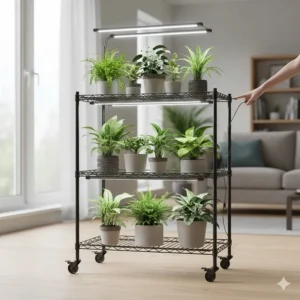
Maintenance and Care for Your Grow Light System
A little maintenance goes a long way in keeping your indoor plant stand with grow lights running smoothly.
Weekly Tasks
- Wipe down shelves to remove water spots and debris
- Check all plants for proper distance from lights
- Rotate plants as needed
- Verify timer settings are correct
Monthly Tasks
- Dust LED panels (dust reduces light output by up to 30%)
- Check all electrical connections
- Tighten any loose screws or wobbly parts
- Clean waterproof pads to prevent mold
Quarterly Tasks
- Deep clean all surfaces
- Reorganize plants based on seasonal growth patterns
- Check for any rust spots on metal components
- Test backup timer settings
Troubleshooting Common Issues
Lights won’t turn on: Check power connection, ensure timer isn’t set to off-cycle, verify bulbs are properly seated
Uneven plant growth: Usually indicates light distribution issues—rotate plants more frequently or adjust shelf heights
Stand becoming wobbly: Tighten all screws/bolts, ensure floor is level, check weight distribution across shelves
Seasonal Adjustments for Year-Round Success
Even indoor plants respond to seasonal changes. Here’s how to adjust your grow light stands throughout the year.
Winter (November-February)
Increase light duration by 1-2 hours—days are shorter, and plants near windows get even less natural light. This is prime time for your grow lights and stands to really shine. Bonus: the warmth from LEDs helps maintain ambient temperature around plants.
Spring (March-May)
Gradually reduce supplemental lighting as natural daylight increases. This is peak growing season, so combine window light with your plant stand indoor with grow lights for explosive growth.
Summer (June-August)
Scale back artificial lighting significantly unless growing light-hungry vegetables. Many houseplants get sufficient natural light during long summer days. Save electricity and give your lights a rest.
Fall (September-October)
Begin increasing artificial light duration again as days shorten. This is crucial for plants to store energy before winter dormancy periods.
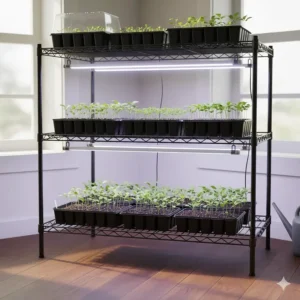
FAQs: Your Grow Light Stand Questions Answered
❓ How long should grow light stands for indoor plants run daily?
❓ Can I use a grow light with stand for starting vegetable seeds indoors?
❓ What's the difference between a grow lamp stand and regular shelving with clip lights?
❓ How much do standing grow lights increase monthly electricity costs?
❓ Do I still need natural sunlight if using an indoor plant stand with grow lights?
Conclusion: Choosing Your Perfect Grow Light Stand
After diving deep into grow light stands for indoor plants, here’s the bottom line: there’s no universally “best” option—only the best option for YOUR specific situation. If you’re working with limited space but want maximum plant capacity, those multi-tier EVAWOO or LATIBELL models are absolute champions. Need something professional-grade for serious growing? The Barrina CX5 or CX6 deliver commercial-quality results. Just starting out or want flexibility? The LBW tripod system lets you experiment without major commitment.
The most important takeaway? Stop letting lack of natural light hold your plant collection hostage. Quality plant stand indoor with grow lights setups have become incredibly affordable and effective. Whether you’re spending $60 or $200, you’re investing in healthier plants, year-round growing capability, and honestly? Your own mental health too. There’s something deeply satisfying about maintaining a thriving indoor garden when it’s gray and miserable outside.
My personal recommendation for most people: start with a solid 5-6 tier model in the $80-120 range. You get enough capacity to grow into without overwhelming yourself initially. As your collection (inevitably) expands, you can always add a second stand or upgrade to premium models later.
Remember, the best grow light stand is the one you’ll actually use consistently. Pick something that fits your space, budget, and aesthetic preferences—then watch your plant babies absolutely thrive. Trust me, once you see the difference proper lighting makes, you’ll wonder how you ever managed without one.
🌟 Transform Your Plant Game Today! 🌿
Your plants have been patiently waiting for this upgrade! Browse through our top picks above, read the real customer reviews, and grab the perfect grow lights and stands for your space. With current deals and free shipping on many models, there’s never been a better time to level up your indoor garden. Your future self (and your plants) will thank you! 💚✨
Recommended for You
- Do Mushrooms Need Light to Grow: 7 Best LED Lights 2025
- Mushroom Grow Light: 7 Best Options for 2025 Success
- Grow Lights for Rosemary: 7 Best Options for Indoor Herb Success
Disclaimer: This article contains affiliate links. If you purchase products through these links, we may earn a small commission at no additional cost to you.
✨ Found this helpful? Share it with your friends! 💬🤗
