
In This Article
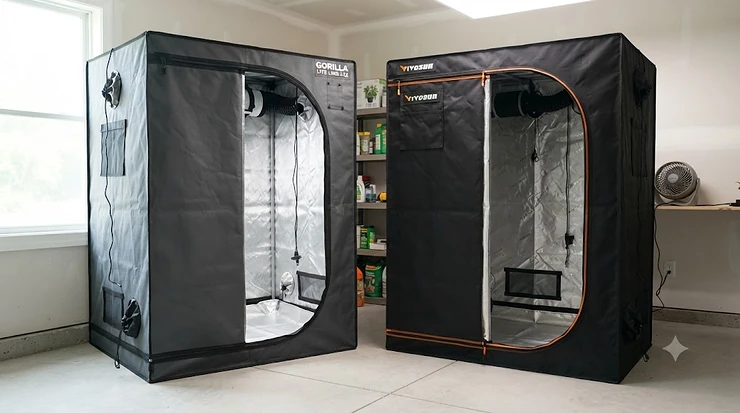
If you’ve spent more than ten minutes researching indoor growing gear, you’ve probably landed in the same rabbit hole everyone else does: gorilla vs vivosun tent threads on every forum, every subreddit, every comment section, all arguing past each other. One camp swears by steel poles thick enough to hang a hammock from. The other says you’re paying triple for a tent that does the exact same job as a $150 alternative. Both camps are a little bit right, which is exactly the problem.
So let’s define terms first. A grow tent is a portable, light-sealed enclosure — usually a metal pole frame wrapped in reflective, reinforced fabric — that lets you control light, humidity, and airflow for indoor plant cultivation without dedicating an entire room to it. That’s the whole concept in one sentence, and it’s a useful one to keep in mind, because everything else in this guide is really just variations on how well a given brand executes that basic promise.
We dug into the actual canvas weights, pole ratings, warranty terms, and aggregated review sentiment behind Gorilla Grow Tent, Vivosun, Spider Farmer, and Mars Hydro — the four names that dominate this category — plus a couple of lesser-known alternatives worth a look. According to Mizzou Extension’s overview of controlled environment agriculture, supplemental lighting and enclosure design directly shape crop outcomes indoors, which is a fancy way of saying the tent you pick isn’t a cosmetic decision — it’s infrastructure. Here’s what seven real products, side by side, actually tell you.
Quick Comparison Table
| Brand & Line | Canvas Density | Frame Rating | Warranty | Best For |
|---|---|---|---|---|
| Gorilla Grow Tent Pro | 1680D | ~300 lb poles | Lifetime | Heavy fixtures, long-term owners |
| Vivosun Standard (S448) | 600D (340g Oxford) | Steel poles, moderate load | 1-year tent / 5-year kit light | Budget-conscious first-timers |
| Spider Farmer 4×4 | 1680D Oxford | ~150 lb poles | Brand-backed, varies by retailer | Mid-range buyers wanting thick canvas |
| Mars Hydro Advanced 4×4 | 1680D | Steel poles, moderate load | 3-year light (kit) | Budget buyers who want thicker fabric than Vivosun |
Four brands, four different bets on where to spend the manufacturing budget. Gorilla Grow Tent puts its money into the frame and canvas density above everything else, which is why it costs more and why growers running 600W+ fixtures gravitate toward it. Vivosun, by contrast, spends more of its budget on the light that ships in its kits — its five-year LED warranty is genuinely longer than what Mars Hydro offers — while using a noticeably lighter 600D canvas on the tent itself. Spider Farmer and Mars Hydro both land in the middle, using 1680D fabric (the same density Gorilla uses) but on lighter-rated frames, which is a reasonable trade-off if you’re not hanging a commercial-grade light array from the poles.
💬 Already know which brand fits your budget? Jump to the full product breakdown below — help future growers by sharing what worked for you too!😊
Top 7 Grow Tents: Expert Analysis
1. Gorilla Grow Tent Pro 4×4 — thickest canvas and strongest frame in the category
The Pro line is Gorilla’s flagship, and the standout feature is immediately obvious once you touch the fabric: it’s noticeably heavier than anything else on this list. Specs worth knowing: 1680D canvas density, 22mm cold-rolled steel poles rated to roughly 300 pounds per cross-member, and Gorilla’s patented height-adjustment system that extends the interior from roughly 6’11” up to 7’11” or 8’11” with an add-on kit, without needing to buy a new tent. In practice, that pole rating matters more than it sounds — it’s the difference between a frame that sags under an inline fan, carbon filter, and 600W+ LED all clipped to the same crossbar, and one that doesn’t.
Who’s this for? Growers running serious hardware — double-ended HPS, 600W+ LED boards, multiple accessories hanging off the ceiling bars — and growers who plan to keep the same tent through several years and multiple grow cycles. Based on the spec comparison against every other tent in this roundup, the Pro is over-built for a single 300W light and a clip fan; if that’s your setup, you’re paying for headroom you won’t use yet. Reviewers consistently report that the height extension system is the feature they didn’t know they needed until training taller plants mid-cycle, and that the frame holds its shape after repeated teardown and setup far longer than lighter-gauge alternatives.
Pros:
- ✅ 1680D canvas blocks light better than thinner fabrics
- ✅ 300 lb-rated poles handle heavy multi-component setups
- ✅ Height extension kit adds clearance without a new tent
Cons:
- ❌ Premium price relative to lighter-duty competitors
- ❌ Overkill for single-light, low-accessory setups
Expect the Gorilla Grow Tent Pro 4×4 to sit in the upper price tier for this category, generally landing in the $300-$400 range depending on retailer and current promotions — check current price before buying, since exact figures shift. For growers planning multi-year use with heavy equipment, the lifetime warranty makes the higher upfront cost a reasonable value trade.
2. Gorilla Grow Tent Lite Line 4×4 — Gorilla’s frame engineering at a lower entry price
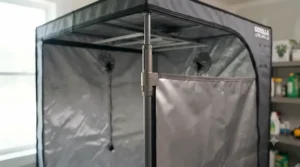
The Lite Line’s standout feature is that it borrows the exact same tool-free pole-and-connector system as the Pro line, just wrapped in a lighter 210D canvas instead of 1680D. That one sentence sums up the whole value proposition. Specs: 210D fabric (about one-eighth the density of the Pro’s canvas), the same interlocking metal frame architecture, and Gorilla’s standard assembly hardware — no plastic clips, no cheap connectors.
Here’s what most buyers overlook about this model: you’re not buying “cheap Gorilla,” you’re buying Gorilla’s structural engineering minus the heavy-duty fabric. For hobby growers running a single mid-power LED and basic ventilation, that’s often the smarter buy — the frame won’t flex or wobble the way budget off-brand tents do, even though the canvas itself is thinner and less light-blocking than the Pro’s. What the spec sheet won’t tell you, but reviewers note, is that the thinner canvas is more prone to pinhole light leaks at stress points over time compared to 1680D, so growers running very light-sensitive flowering cycles sometimes patch or upgrade after a season or two.
Pros:
- ✅ Same tool-free frame system as the flagship Pro line
- ✅ Noticeably cheaper entry point into the Gorilla ecosystem
- ✅ Reliable pole rigidity for light-to-moderate equipment loads
Cons:
- ❌ 210D canvas leaks light more than 1680D over time
- ❌ Less suited to heavy fixture loads than the Pro line
Price typically runs in a lower-mid range, often $150-$220 depending on size and retailer — always confirm current pricing before ordering. For a first tent or a light-duty veg tent paired with a heavier flowering tent, the Lite Line’s value proposition holds up well.
3. Vivosun S448 4×4 Grow Tent — best warranty support on the included grow light
The S448’s standout feature isn’t really the tent fabric — it’s what Vivosun backs its companion lights with. The tent itself uses a 340g (roughly 600D-equivalent) Oxford canvas, double-stitched, lined with a non-toxic PE layer, plus a built-in observation window and removable floor tray. Paired with Vivosun’s VS4000 LED (400W actual draw, Samsung LM301 diodes, 2.9 μmol/J efficiency), the kit delivers strong light output for the price tier.
Here’s the honest trade-off: based on the spec comparison, Vivosun’s canvas is thinner than the 1680D fabric used by Gorilla, Spider Farmer, and Mars Hydro, which means less inherent tear resistance and light-blocking capacity out of the box. What Vivosun does exceptionally well is back its light — a five-year warranty on the VS4000 versus the three-year terms common among Mars Hydro’s lights — which matters given a replacement LED board can run $200 or more on its own. Reviewers consistently note the observation window and floor tray as genuinely useful daily-use features, and that assembly is faster than tents with more rigid pole systems.
Pros:
- ✅ Five-year warranty on the companion VS4000 LED
- ✅ Fast, tool-light assembly praised in aggregated reviews
- ✅ Observation window and floor tray add daily convenience
Cons:
- ❌ 600D-class canvas is thinner than 1680D competitors
- ❌ Frame less suited to very heavy multi-accessory loads
Pricing generally sits in the $130-$180 range for the standalone tent, with kits (tent plus light plus ventilation) landing higher — prices may vary, so check current listings. For growers prioritizing light-warranty coverage over frame toughness, the value case here is strong.
4. Spider Farmer 4×4 Grow Tent — thick canvas at a mid-range price point
Spider Farmer’s standout feature is delivering 1680D canvas — the same density Gorilla uses on its flagship Pro line — at a noticeably lower price point. Specs include a 1680D “thicken” Mylar-lined Oxford canvas, hardened steel poles Spider Farmer rates for up to 150 pounds of load, an enlarged 11.8″x15.7″ observation window, a built-in controller hook, and a tool-free interlocking frame.
What most buyers overlook about this model is that the pole rating, while solid for mid-size lights and a single inline fan, is roughly half of what Gorilla’s Pro poles are rated for — a meaningful gap if you’re stacking multiple accessories on one crossbar. Based on the spec comparison, Spider Farmer essentially undercuts Gorilla’s canvas-thickness advantage while accepting a lighter-duty frame, which is a sensible compromise for growers who want dense, light-blocking fabric without paying Gorilla’s frame premium. Reviewers consistently highlight the observation window size and the double-stitched zipper flap as standout details rarely found at this price tier, alongside generally positive comments about tool-free setup speed.
Pros:
- ✅ 1680D canvas matches Gorilla’s flagship fabric density
- ✅ Enlarged observation window aids daily monitoring
- ✅ Tool-free setup with reinforced steel pole connectors
Cons:
- ❌ 150 lb pole rating trails Gorilla’s heavier-duty frame
- ❌ Tent-only warranty terms vary by retailer, less standardized
Expect a price generally in the $150-$220 range for the 4×4 size, with complete kits running higher — confirm current pricing at checkout. For growers who want 1680D-grade light-blocking without Gorilla’s price tag, this is one of the stronger price-performance plays in the category.
5. Mars Hydro Advanced 4×4 Grow Tent — thick canvas with the lowest typical entry price
Mars Hydro’s standout feature here is value density: a 1680D canvas at a price point that frequently undercuts both Spider Farmer and Vivosun. Specs include double-stitched 1680D Oxford fabric, a diamond-pattern reflective Mylar interior, an added shade-cloth layer over the zipper stitching specifically to prevent pinhole light leaks, SBS heavy-duty zippers, and a steel pole frame with corner adapters rated for moderate equipment loads.
Here’s what the spec sheet won’t tell you outright: Mars Hydro backs its companion LED lights (like the TSW2000) with a three-year warranty, shorter than Vivosun’s five-year term on a comparable light — worth weighing if you’re buying the full kit rather than the tent alone. On the tent fabric itself, though, aggregated reviewer sentiment is largely positive about light-sealing performance, with the added shade-cloth strip over the zipper seam specifically called out as solving a common pinhole-leak complaint seen on cheaper 600D tents. Based on the spec comparison, Mars Hydro essentially matches Spider Farmer’s canvas density at a typically lower price, trading off some warranty length on the electronics side.
Pros:
- ✅ 1680D canvas at the most competitive price point tested
- ✅ Shade-cloth zipper seam specifically targets pinhole leaks
- ✅ CE/ETL/RoHS-certified components across the light lineup
Cons:
- ❌ Shorter LED warranty (3-year) than Vivosun’s 5-year term
- ❌ Frame load rating lower than Gorilla’s Pro line
Pricing typically runs in the $130-$190 range for the standalone tent — always check current price, since Mars Hydro runs frequent promotional pricing. This is arguably the strongest price-performance ratio on this list for growers who don’t need frame ratings above 150 pounds.
6. AC Infinity Cloudlab 743 — lesser-known alternative built for ventilation-ecosystem integration
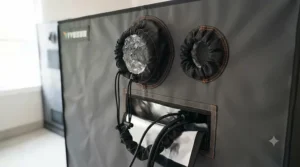
The standout feature of the Cloudlab line isn’t the fabric spec sheet — it’s that AC Infinity designs the tent to integrate cleanly with its own controller and inline fan ecosystem, something the four major grow-tent-first brands don’t prioritize the same way. Reinforced canvas, multiple cable and duct ports sized for AC Infinity’s own fan lineup, and a frame built around tool-free assembly are the baseline specs, positioned similarly to the mid-to-premium tier of this category.
Based on the spec comparison, if you already own or plan to buy AC Infinity’s CLOUDLINE fans and controllers, the port placement and sizing on the Cloudlab tent removes a lot of the improvising growers do with duct adapters on other brands’ tents. What most buyers overlook about this model is that it’s a genuinely solid alternative when you’re building an ecosystem around one company’s climate-control hardware rather than mixing and matching — the tradeoff is a smaller aggregated review base than the four major brands above, since AC Infinity built its name in fans and controllers first, tents second.
Pros:
- ✅ Port sizing matches AC Infinity’s own fan/controller lineup
- ✅ Reinforced canvas positioned at mid-to-premium durability
- ✅ Tool-free frame assembly comparable to category leaders
Cons:
- ❌ Smaller aggregated review history than the four major brands
- ❌ Premium pricing closer to Gorilla than to budget options
Price generally sits in a premium-adjacent range, roughly comparable to Gorilla’s Lite Line — check current listings, as AC Infinity’s grow-tent pricing moves more than its fan pricing does. Best suited to growers already invested in AC Infinity’s broader ventilation ecosystem.
7. VIVOSUN R446 4×4 Roof Cube Tent — angled-roof variant for tighter overhead clearance
The standout feature is right in the name: instead of the flat-topped cube shape every other tent on this list uses, the R446 uses an angled “roof cube” design, which stands about a foot shorter than Vivosun’s standard S448 while keeping the same 4×4 footprint. Specs include an observation window, removable floor tray, and compatibility with the same VS4000/VSF4300 LED lights used across Vivosun’s standard line.
Who’s this for? Growers with genuine ceiling-height constraints — a garage, a basement with ductwork hanging low, an attic space — where a standard 80-inch-tall tent simply won’t fit but a taller room isn’t available either. Based on the spec comparison, you’re trading interior vertical growing space for a smaller overall footprint, which is a reasonable swap if height is your binding constraint rather than canopy size. Reviewers consistently frame this as a “fits where nothing else does” pick rather than a first choice, which is honest: if you have the ceiling clearance for a standard cube tent, the R446’s shorter interior height offers no real advantage.
Pros:
- ✅ Roof-cube design fits lower-ceiling spaces standard tents can’t
- ✅ Compatible with Vivosun’s standard VS4000/VSF4300 lights
- ✅ Same observation window and floor tray as the S448
Cons:
- ❌ Reduced vertical growing space versus standard cube tents
- ❌ Niche use case — not a general-purpose first pick
Pricing is generally comparable to the S448, typically in the $140-$190 range — confirm current pricing before purchase. A smart pick specifically for clearance-limited spaces, and a poor one everywhere else.
Top 7 Products: Specs & Value Comparison
| Product | Canvas | Est. Price Range | Best For |
|---|---|---|---|
| Gorilla Grow Tent Pro 4×4 | 1680D | $300-$400 | Heavy multi-fixture setups |
| Gorilla Grow Tent Lite Line 4×4 | 210D | $150-$220 | Budget entry into Gorilla’s frame |
| Vivosun S448 4×4 | 600D (340g) | $130-$180 | Warranty-focused, budget buyers |
| Spider Farmer 4×4 | 1680D | $150-$220 | 1680D canvas at mid-range price |
| Mars Hydro Advanced 4×4 | 1680D | $130-$190 | Best price-performance ratio |
| AC Infinity Cloudlab 743 | Reinforced (proprietary) | Premium-adjacent | AC Infinity ecosystem owners |
| VIVOSUN R446 Roof Cube | 600D-class | $140-$190 | Low-ceiling spaces |
Laid out this way, the pattern is clear: Mars Hydro and Spider Farmer both deliver 1680D canvas — matching Gorilla’s flagship fabric density — at roughly half the price of the Gorilla Grow Tent Pro, which is exactly why the “just buy Gorilla” advice you’ll see on forums doesn’t hold up for every budget or use case. The real differentiator at the top of the market isn’t canvas thickness anymore; it’s frame load rating and warranty length, both of which still favor Gorilla by a clear margin. If your setup doesn’t push past 150 pounds of hanging equipment, the pole-rating gap is largely academic.
💬 Bookmark this comparison — and pass it along to a fellow grower still stuck deciding!😊
Practical Setup Guide: Your First 30 Days
Getting a tent out of the box and actually running well are two different milestones, and the gap between them is where most first-time mistakes happen. Start with the frame before the fabric: lay out every pole and connector by size before threading anything through canvas sleeves, since every brand on this list uses color-coded or length-coded poles that are easy to mismatch in a rush. Assemble the base square first, then the four corner uprights, then the roof frame — trying to build top-down almost always ends in a lopsided tent.
Once the frame is standing, hang the canvas from the top down, zip the roof seams first, and save the door zippers for last — they’re the most failure-prone component on any tent, and minimizing how much you’re tugging on them during setup extends their life. Before you load in a single light or fan, check every zipper runs smoothly and every velcro duct port seals fully; a pinhole leak is far easier to fix on an empty tent than one full of plants and cabling.
The most common first-30-days mistake isn’t structural — it’s environmental. Growers hang a light, run a fan, and forget humidity monitoring until leaves start curling. A cheap hygrometer costs less than a single replacement plant and should go in on day one, not week three. Second most common mistake: overloading a single crossbar with light, filter, and fan clips all in one spot instead of distributing the load across the frame — this is exactly where Gorilla’s higher pole rating buys you margin for error that budget frames don’t offer.
Real-World Scenarios: Which Tent Fits Your Setup
The apartment hobbyist. Running one mid-power LED, a small clip fan, and growing two to four plants in a spare closet. Budget matters more than headroom for future upgrades. The Vivosun S448 or Mars Hydro Advanced 4×4 both fit this profile well — neither will handle a heavy commercial-grade light array, but neither needs to.
The serious hobbyist scaling up. Already has one tent, is adding a second for a veg/flower split, and is starting to hang more accessories per tent — inline fan, carbon filter, and a stronger light all on one frame. This is where Spider Farmer’s 1680D canvas at a mid-range price becomes the sensible upgrade from a first-gen budget tent, without jumping straight to Gorilla’s price tier.
The multi-year, heavy-equipment grower. Running 600W+ fixtures, multiple accessories per crossbar, and planning to keep the same tent through several years of use. The Gorilla Grow Tent Pro’s 300-pound pole rating and lifetime warranty are built specifically for this profile — the higher upfront cost amortizes well against years of reliable use and a frame that won’t sag under load.
How to Choose Between a Gorilla and Vivosun Tent
- Start with your equipment load, not your budget. Add up everything that will hang from the tent’s crossbars — light, fan, filter, netting clips — before picking a frame rating.
- Match canvas density to your light-sensitivity needs. Flowering-stage growers benefit more from 1680D’s superior light-blocking than veg-stage growers running less light-sensitive cycles.
- Weigh warranty length against what it actually covers. A five-year light warranty is only valuable if the light is the expensive component you’d hate to replace — compare against your specific kit.
- Consider your ceiling clearance honestly. A roof-cube or Shorty-style variant only makes sense if you’ve measured your actual space, not estimated it.
- Factor in how many grow cycles you expect to run. A tent replaced every season needs less investment than one meant to last five years.
- Check the return and defect-replacement window, not just the headline warranty length — a generous multi-year light warranty means little if the claims process is slow.
- Read aggregated review sentiment on the specific size, not just the brand — a 4×4’s frame tolerances can differ meaningfully from a brand’s 8×4 or 2×2 offerings.
The University of Minnesota Extension’s guide to indoor plant lighting is a useful gut-check here — it’s a reminder that the light and enclosure need to be evaluated together, not the tent in isolation from what’s hanging inside it.
Spider Farmer vs Mars Hydro: Which Budget Brand Wins?
Spider farmer vs mars hydro is its own long-running debate, separate from the Gorilla-versus-budget question, and it deserves its own answer because the two brands are closer in spec than almost any other pairing in this category. Both use 1680D canvas. Both use steel-pole, tool-free frames. Both position themselves squarely against Vivosun’s lighter 600D tents rather than against Gorilla’s premium tier.
Where they actually diverge: Spider Farmer’s frame is rated to roughly 150 pounds and its observation window runs larger than most competitors at this price. Mars Hydro adds a shade-cloth strip over its zipper seams specifically engineered against pinhole leaks, and its typical street pricing tends to undercut Spider Farmer by a modest margin. Based on the spec comparison, if observation and daily monitoring convenience is your priority, Spider Farmer’s window size is the more useful real-world feature. If your priority is squeezing maximum light-blocking performance per dollar, Mars Hydro’s zipper-seam engineering and typically lower price make it the sharper price-performance ratio of the two. Neither brand meaningfully outperforms the other in frame durability — the real differentiator is these smaller engineering choices, not the headline canvas spec, which is identical on paper.
Grow Tent Brands Comparison: Brand Quality Analysis
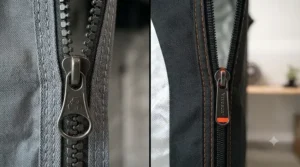
Stepping back from individual products, a brand quality analysis across this category reveals a fairly consistent hierarchy. Gorilla Grow Tent has built its reputation over more than a decade specifically around frame engineering and canvas density, and it shows in aggregated review sentiment — complaints center more on price than on build quality. Vivosun has built its reputation around accessibility and warranty generosity on the electronics side of its kits, with tent-specific complaints trending toward canvas thinness rather than frame failure. Spider Farmer and Mars Hydro both entered the market more recently as LED-light-first companies that expanded into tents, and their grow tent comparison position reflects that: strong canvas density borrowed from studying what made Gorilla’s fabric work, at price points closer to Vivosun’s.
None of the four brands scores poorly across aggregated sentiment — this isn’t a “good brand vs bad brand” story. It’s a story about which trade-off each company chose to optimize first: Gorilla chose frame and fabric, Vivosun chose light-warranty generosity, and Spider Farmer and Mars Hydro both chose “match Gorilla’s canvas spec, undercut Gorilla’s price.”
Price-Performance Ratio and Long-Term Cost
Judged purely on price-performance ratio, the field narrows quickly. A tent priced at $130-$150 that needs replacing after eighteen months of zipper failure or pole deformation is a worse long-term value than a $200 tent that lasts four seasons — the total cost of ownership math favors durability even when the sticker price doesn’t. On that basis, Mars Hydro and Spider Farmer’s 1680D-at-mid-price positioning is the strongest price-performance play in this roundup for growers who don’t need Gorilla’s frame headroom: you’re getting the same canvas density Gorilla charges a premium for, at roughly half the cost, provided your equipment load stays under each brand’s pole rating.
Gorilla’s Pro line only wins the long-term-cost argument for growers who’d otherwise need to replace a lighter-duty tent every one to two seasons due to heavy equipment stress — at that replacement frequency, the lifetime-warranty tent’s higher upfront cost is recovered within a few years. For light-to-moderate setups, that math doesn’t play out the same way, and a mid-tier 1680D tent from Spider Farmer or Mars Hydro is likely the better-performing dollar.
Warranty Comparison: What Each Brand Actually Covers
Warranty comparison across this category is more nuanced than headline numbers suggest, because “warranty” often means different things depending on whether it’s covering the tent frame/canvas or a bundled LED light. Gorilla backs its tents with a lifetime warranty on the tent itself — the most comprehensive coverage in this roundup, and a meaningful part of its price premium. Vivosun’s tent-specific warranty typically runs shorter (commonly around one year), but its companion VS4000 LED carries a five-year term, meaningfully longer than Mars Hydro’s three-year light warranty. Spider Farmer’s warranty terms vary more by retailer and region than the other three brands, which is worth double-checking before purchase rather than assuming parity with a listed sale page.
The practical takeaway: don’t compare warranty length in isolation from what’s actually covered. A five-year light warranty on a $200 LED is protecting more replacement cost than a one-year tent-only warranty on $150 of fabric and poles — but a lifetime frame warranty protects against a failure mode (bent poles, torn canvas) that light warranties don’t touch at all.
Common Mistakes When Buying a Grow Tent
The single most common mistake is buying by size alone and ignoring frame rating relative to planned equipment. A 4×4 tent from three different brands can have wildly different pole ratings, and growers routinely discover this only after a crossbar starts sagging under an inline fan and carbon filter combo. Second: assuming all 1680D canvas performs identically. Density is one variable; stitching quality, zipper grade, and interior reflectivity all vary between brands using the same fabric weight, which is exactly why Spider Farmer and Mars Hydro — both 1680D — still have measurably different review sentiment around zipper durability and light-sealing.
Third mistake: ignoring ceiling clearance until after ordering, which is precisely the problem Vivosun’s roof-cube variant and Gorilla’s Shorty line exist to solve — measure first. Fourth: treating a bundled kit’s warranty as covering the whole kit equally, when in practice the light and the tent frequently carry different terms entirely, as the comparisons above make clear. Fifth: skipping humidity monitoring in the excitement of a new setup, which the Oklahoma State University Extension’s guide to LED grow lighting implicitly underscores by noting how much heat and moisture management LED systems still require despite running cooler than older HID lighting.
Problem → Solution: Fixing the Five Most Common Grow Tent Issues
Problem: Light leaking through zipper seams. Solution: check for the shade-cloth or double-stitched flap design — Mars Hydro’s zipper-seam shade cloth and Gorilla’s dense stitching both specifically target this failure point; thinner 600D tents like the base Vivosun line are more prone to it over time.
Problem: Frame sagging under equipment weight. Solution: redistribute hanging equipment across multiple crossbars instead of clustering it on one, and if you’re consistently near the rated pole limit, that’s a signal to upgrade to a heavier-rated frame like Gorilla’s Pro line rather than keep pushing a lighter frame.
Problem: Humidity and mold risk inside a sealed tent. Solution: run a hygrometer from day one and keep relative humidity in a safe range — the EPA’s guidance on moisture control notes that indoor relative humidity should generally stay below 60 percent to discourage mold growth, a threshold worth applying inside a sealed grow tent just as much as inside a home.
Problem: Ceiling clearance too tight for a standard tent. Solution: a roof-cube design like the Vivosun R446, or Gorilla’s Shorty line, trades some vertical growing space for a shorter overall footprint.
Problem: Replacing an expensive LED under warranty. Solution: register your kit immediately on purchase and photograph the light’s serial number and packaging — claims move faster with documentation ready, and this matters more with Vivosun’s longer five-year term simply because there’s more time for something to go wrong.
Buyer’s Decision Framework
If your equipment load stays under roughly 150 pounds hanging weight and budget is the top priority, choose Mars Hydro or Vivosun, because both offer the lowest typical entry price without requiring a frame you won’t use. If you want 1680D canvas without Gorilla’s price tag, choose Spider Farmer or Mars Hydro, because they match Gorilla’s fabric density at meaningfully lower cost. If you’re running heavy multi-accessory setups above 150 pounds of hanging load, choose Gorilla Grow Tent Pro, because its 300-pound pole rating and lifetime warranty are the only options on this list engineered for that stress level. If ceiling height is your binding constraint, choose a roof-cube or Shorty variant, because standard 80-inch tents simply won’t fit your space regardless of how good their specs are otherwise.
What to Expect: Real-World Performance
Specs are one thing; living with a tent day to day is another. In practice, 1680D tents feel noticeably stiffer and heavier when folded for storage than 600D options — a meaningful consideration if you’re breaking a tent down seasonally rather than leaving it assembled year-round. Zipper action on the heavier-duty tents (Gorilla, Spider Farmer, Mars Hydro) tends to feel smoother initially and stays smoother longer under repeated use than the lighter zippers common on budget 600D tents, which reviewers across multiple brands describe as beginning to snag after a season or two of daily opening and closing.
Temperature stability inside the tent is more a function of your ventilation setup than the tent brand itself, but reflective interior quality does vary — aggregated reviewer sentiment across all four major brands rates their diamond or mylar interiors similarly well for even light distribution, with no single brand standing out as meaningfully better at reflectivity than the others at comparable canvas grades.
Grow Tent for Beginners vs Experienced Growers
Beginners are generally better served by simpler, lower-stakes purchases — a Vivosun or Mars Hydro tent paired with a straightforward light, since the learning curve on plant care itself is steep enough without also troubleshooting a complex frame system. Experienced growers running multiple simultaneous tents, staggered grow cycles, or heavier commercial-adjacent lighting benefit more from Gorilla’s frame headroom and height-extension flexibility, since their setups are more likely to evolve toward heavier equipment over time. Spider Farmer sits comfortably in between — accessible enough for a confident beginner, sturdy enough that an intermediate grower won’t outgrow it within a season.
Long-Term Cost & Maintenance
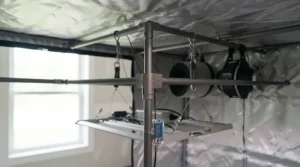
Beyond the purchase price, ongoing costs are modest but real: replacement zippers or repair tape for pinhole leaks, occasional pole replacement if a corner connector cracks, and periodic deep-cleaning between grow cycles to prevent residue buildup on interior mylar. Budget tents tend to accumulate these small costs faster — a zipper repair every season adds up against a tent that simply doesn’t need one for several years. Factoring in typical repair frequency, a $350 Gorilla Pro tent averaging five years of service works out to a lower annualized cost than a $150 budget tent needing replacement every eighteen months, though the math flips back in the budget tent’s favor for casual, short-term growers who won’t hit that five-year mark anyway.
Frequently Asked Questions
❓ Is a Gorilla grow tent actually worth the extra cost over Vivosun?
❓ What's the real difference between Spider Farmer and Mars Hydro tents?
❓ How long does a typical grow tent frame last?
❓ Do all these brands ship with a warranty on the tent itself, not just the light?
❓ Can I use a Vivosun light in a Gorilla tent, or mix and match brands?
Conclusion
There’s no single winner in the gorilla vs vivosun tent debate — there’s a winner for your specific setup. If you’re hanging serious equipment weight and plan to keep the same tent for years, Gorilla’s frame rating and lifetime warranty earn their premium. If you’re budget-conscious and running a lighter setup, Vivosun’s warranty-backed light or Mars Hydro’s price-performance ratio on 1680D canvas will likely serve you just as well for meaningfully less money. Spider Farmer splits the difference nicely for growers scaling up from a first budget tent without jumping straight to premium pricing, and the roof-cube and Cloudlab options solve real, specific problems — tight ceilings and ecosystem integration — that the four major brands don’t address as directly.
Match the tent to your equipment load and growth timeline first, and the brand choice mostly answers itself. Whichever you land on, the deeper lesson from this whole comparison holds: canvas density and frame rating matter more than brand loyalty, and on paper, three of these four major brands are closer in real capability than the forum debates suggest.
✨ Ready to Set Up Your Own Grow Space?
🌱 Take the guesswork out of your next purchase — click through on any highlighted tent above to check current pricing and availability, and build a setup that actually matches your equipment plans!
Recommended for You
- Grow Tent For Beginners: 7 Proven Kits for 2026
- Grow Tent Buying Guide 2026: 7 Tents That Won’t Let You Down
- 7 Best Grow Tent Air Purifier Picks for 2026
Disclaimer: This article contains affiliate links. As an Amazon Associate, I earn from qualifying purchases. If you purchase products through these links, we may earn a small commission at no additional cost to you.
✨ Found this helpful? Share it with your friends! 💬🤗
