
In This Article
You don’t need acres of farmland or even a backyard to enjoy fresh, homegrown produce anymore. The revolution of seeds for indoor growing has transformed tiny apartments, cramped kitchens, and basement spaces into thriving micro-farms that produce crisp lettuce, fragrant herbs, and vibrant vegetables throughout all four seasons.
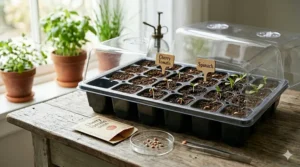
I’ve spent the last five years experimenting with indoor gardening, and let me tell you—the moment you harvest your first batch of homegrown basil from a windowsill garden in January, you’ll understand why millions of urban dwellers are ditching grocery store produce. Indoor gardening isn’t just a trendy hobby; it’s a practical solution to rising food costs, questionable pesticide use, and the desire for genuinely fresh ingredients.
Modern hydroponics allows crops to be grown indoors in controlled environments without dependence on growing seasons or climate, which means your geographic location no longer dictates what you can grow. Whether you’re battling Minnesota winters or Arizona summers, seeds for indoor growing open up possibilities that traditional gardening simply can’t match.
The beauty of starting with quality seeds lies in their versatility. You can launch them in hydroponic systems, soil containers, aeroponic towers, or simple mason jar setups. Many indoor herb garden seeds germinate faster indoors than outdoors, giving you harvestable greens in as little as three weeks. Plus, you’re eliminating the guesswork around weather, pests, and soil quality that plague outdoor gardens.
Quick Comparison Table: Top Seeds for Indoor Growing 2026
| Product Name | Seed Count | Best For | Price Range | Rating |
|---|---|---|---|---|
| 55 Vegetable Seeds Variety Pack | 35,600+ | Complete indoor garden | $25-$35 | ⭐⭐⭐⭐⭐ |
| HiHOYA Lettuce Seed Pod Kit | 12 pods + seeds | Hydroponic systems | $17-$20 | ⭐⭐⭐⭐½ |
| 25 Herb Seeds Variety Pack | 11,700 | Year-round herbs | $22-$28 | ⭐⭐⭐⭐⭐ |
| HOME GROWN Lettuce Seeds | 9,000+ | Salad greens | $15-$20 | ⭐⭐⭐⭐½ |
| Lettuce Pods 8-Pack System | 600+ seeds | Beginners | $16-$19 | ⭐⭐⭐⭐ |
| Seed Needs Herb Collection | 12 packets | Culinary herbs | $18-$23 | ⭐⭐⭐⭐⭐ |
| 12-Pod Vegetable Starter Kit | 350+ seeds | Mixed vegetables | $20-$25 | ⭐⭐⭐⭐ |
💬 Just one click – help others make better buying decisions too! 😊
Top 7 Seeds for Indoor Growing: Expert Analysis
1. 55 Vegetable Seeds Variety Pack – The Ultimate Indoor Garden Starter
If you’re serious about transforming your living space into a productive food source, this mammoth collection delivers unbeatable variety. With over 35,600 non-GMO heirloom seeds spanning 55 different vegetables and fruits, you’re essentially getting an entire farm in a waterproof bag.
Key Specifications:
- 55 individual craft seed packets with QR codes for growing guides
- Includes specialty tools: leaf clipper, tweezers, seed dibber, weeding fork
- Superior germination rate (90%+)
- Compatible with hydroponic, indoor, and outdoor systems
Price Range: $25-$35
What sets this apart is the thoughtful curation—you’re getting everything from artichoke and arugula to eggplant and multiple carrot varieties. The package includes both quick-growing greens (perfect for impatient beginners) and longer-term crops like Brussels sprouts. Customer feedback consistently praises the germination success, with many reporting 85-95% sprouting rates even for finicky varieties like celery.
Pros:
✅ Massive variety eliminates decision paralysis
✅ Waterproof storage extends seed viability for years
✅ Bonus gardening tools included
Cons:
❌ Can be overwhelming for absolute beginners
❌ Some seeds require specific indoor lighting setups
2. HiHOYA Lettuce Seed Pod Kit for Hydroponic – Plug-and-Play Simplicity
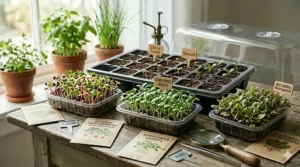
This all-in-one solution takes the guesswork out of hydroponic lettuce cultivation. Designed for compatibility with most brand-name hydroponic systems, the HiHOYA kit includes everything except the water and electricity.
Key Specifications:
- 12 complete grow pods (sponges, baskets, domes, labels)
- Red and green leaf lettuce varieties
- Eco-friendly biodegradable grow sponges
- Pod dimensions: 1.6 x 2.7 x 0.5 inches
Price Range: $17-$20
The genius here is the premium grow sponges—they’re pH-balanced and have exceptional water-wicking abilities that create optimal conditions for germination. Simply soak them for 3-5 minutes, add 2-3 seeds to each center, and you’re done. Reviews highlight how foolproof the system is, with first-time hydroponic gardeners reporting near-perfect germination within 5-7 days.
Pros:
✅ Zero learning curve required
✅ Compatible with GARDENCUBE, AeroGarden, iDOO, and similar systems
✅ Biodegradable components are environmentally responsible
Cons:
❌ Limited to lettuce varieties only
❌ Requires existing hydroponic system
3. 25 Most Popular Herb Seeds Variety Pack – Chef’s Dream Collection
For anyone who cooks regularly, this herb-focused collection is pure gold. With 11,700 seeds spread across 25 culinary and medicinal herbs, you’ll never need to buy wilted supermarket basil again.
Key Specifications:
- 25 individual seed packets in waterproof resealable bag
- Includes basil (Italian, lemon, purple, Thai), oregano, thyme, rosemary, sage
- 90%+ germination rate tested
- Mini gardening tools included (tweezers, dibber, weeding fork)
Price Range: $22-$28
What distinguishes this from generic herb collections is the variety depth within popular categories. You get four types of basil alone—Italian, lemon, purple, and Thai—each with distinct flavor profiles. The inclusion of both common (cilantro, dill, chives) and specialty herbs (bergamot, hyssop, mountain mint) makes this adaptable for both everyday cooking and experimental cuisine. Users consistently report that even historically difficult herbs like rosemary germinate reliably with these seeds.
Pros:
✅ Exhaustive variety covers every culinary need
✅ QR codes link to detailed growing guides and recipes
✅ Sourced from sustainable U.S. suppliers
Cons:
❌ Some herbs (rosemary, lavender) require patience to germinate
❌ Premium pricing compared to single-variety packets
4. HOME GROWN Lettuce Seeds for Planting – Budget-Friendly Salad Bar
With 9,000+ lettuce seeds spanning eight popular varieties, this package delivers exceptional value for anyone prioritizing salad greens. The collection balances classic types with interesting variations that add color and texture to your indoor garden.
Key Specifications:
- 8 lettuce varieties: Buttercrunch, Romaine, Iceberg, Bibb, Red Oakleaf, Prizehead, plus Kale and Spinach
- USA-sourced, non-GMO heirloom seeds
- High germination rates across all varieties
- Suitable for hydroponics, raised beds, and containers
Price Range: $15-$20
The standout feature is the thoughtful variety selection—you get crispy types (Iceberg), buttery types (Buttercrunch, Bibb), colorful types (Red Oakleaf, Prizehead), and even nutrient-dense greens like kale and spinach. Customer reviews emphasize how well these lettuce seeds for hydroponics perform, with many reporting continuous harvests by succession planting every two weeks.
Pros:
✅ Incredibly affordable per-seed cost
✅ Perfect variety range for continuous salad production
✅ Detailed planting instructions for each variety
Cons:
❌ Limited to leafy greens (no fruiting vegetables)
❌ Packaging could be more durable
5. Lettuce Seed Pods for All Hydroponics Growing System (8-Pack) – Complete Refill Solution
This comprehensive refill kit from HiHOYA goes beyond just seeds—it’s designed as an all-in-one replacement package for hydroponic enthusiasts who’ve already exhausted their initial seed supplies.
Key Specifications:
- 600+ seeds across 6 lettuce varieties (Romaine, Butterhead, Red & Green Leaf, Black Seeded Simpson, Red Sail)
- Includes A&B plant food, tweezers, 8 complete pod assemblies
- Compatible with major hydroponic brands
- Natural peat grow sponges
Price Range: $16-$19
The inclusion of A&B plant food sets this apart from basic seed pod kits. One bottle makes 100ml of odorless fertilizer that works for soil drench, foliar feed, and hydroponic applications. Reviews highlight how the pre-portioned nutrients eliminate the confusion around fertilizer mixing ratios. The lettuce variety selection covers the spectrum from crispy romaine to tender butterhead, ensuring textural variety in your harvests.
Pros:
✅ Everything needed for complete grow cycle
✅ High-quality natural peat sponges
✅ Comprehensive nutrient solution included
Cons:
❌ Plant food may not last through multiple growing cycles
❌ Limited to lettuce varieties only
6. Seed Needs Herb Seeds Variety Pack – Classic Culinary Collection
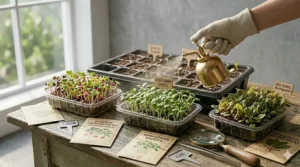
This 12-variety herb collection from Seed Needs has earned its reputation through consistent quality and presentation. Each packet features artistic illustrations and detailed sowing information on the reverse side.
Key Specifications:
- 12 essential culinary and medicinal herbs
- Includes basil, chives, cilantro, dill, marjoram, oregano, parsley, sage, thyme, borage, summer savory, rosemary
- Open-pollinated and heirloom (no hybrids)
- Packets measure 3.5″ x 5″ with tear and moisture resistance
Price Range: $18-$23
The company’s commitment to freshness shows in the packaging—tear-resistant and moisture-resistant materials keep seeds viable significantly longer than standard paper packets. Seed Needs sources directly from growers, eliminating middlemen that can compromise freshness. Customer testimonials frequently mention seeing sprouts within days for fast-germinating varieties like basil and cilantro.
Pros:
✅ Beautiful packaging makes gifting easy
✅ Excellent for hydroponic garden indoor setups
✅ Trusted brand with decades of experience
Cons:
❌ Smaller seed counts than bulk variety packs
❌ Premium pricing reflects brand reputation
7. Hydroponic Seed Pod Kit for Indoor Vegetable Garden (12-Pod) – Maximum Versatility
This 12-pod system stands out for its adaptability and comprehensive seed selection. Rather than specializing in one crop type, it provides a balanced mix suitable for year-round indoor vegetables.
Key Specifications:
- 350+ seeds including arugula, radish, spinach, romaine, Swiss chard, kale, butterhead, leaf lettuce, jalapeño
- 12 complete pod assemblies with grow sponges, baskets, and domes
- Premium quality seeds with high germination rate
- Universal compatibility with standard hydroponic systems
Price Range: $20-$25
The inclusion of jalapeño alongside salad greens shows thoughtful curation for home cooks who want both bases and flavor accents. The pods are designed to fit most indoor hydroponic systems without adapter requirements. Users appreciate the “set it and forget it” simplicity—add water, nutrients, and watch your apartment gardening seeds transform into a thriving indoor food source.
Pros:
✅ Balanced variety for complete meal components
✅ High seed counts enable multiple planting cycles
✅ Beginner-friendly with minimal setup complexity
Cons:
❌ Jalapeños require more light than leafy greens
❌ Some users report sponge quality inconsistency
Understanding Seeds for Indoor Growing: What Makes Them Different
Not all seeds are created equal when it comes to indoor cultivation. While you could theoretically grow any plant indoors with enough resources, certain varieties have been specifically bred or selected for traits that thrive in controlled environments.
Compact Growth Habits
Indoor herb garden seeds typically come from dwarf or bush varieties rather than their sprawling outdoor cousins. A determinate tomato variety bred for containers will stay manageable at 18-24 inches, while its indeterminate relative might reach 6-8 feet. This matters tremendously when you’re working with vertical space constraints in apartments or basements.
Accelerated Maturity Timelines
Many grow light compatible seeds have been selected for faster time-to-harvest. A lettuce variety that matures in 28 days instead of 45 means you can achieve three full harvest cycles in the time traditional varieties need for one. This speed also reduces the cumulative cost of artificial lighting, a significant consideration for indoor operations.
Light Efficiency Adaptations
Lettuce, herbs, and plants in the Brassica family like mustards and kale grow well year-round in hydroponic systems, partly because they’ve been selected for efficient photosynthesis under LED grow lights. These varieties can produce robust growth with as little as 12-16 hours of supplemental lighting, whereas some outdoor varieties might languish without full-spectrum sunlight.
Disease Resistance Profiles
Seeds marketed for hydroponic systems often carry resistance to waterborne pathogens. Since hydroponic production systems involve growing plants using water-based nutrient solutions rather than soil, varieties susceptible to root rot or fungal infections in wet conditions won’t perform well. Breeding programs have addressed this by selecting for resilient genetics.
Choosing the Right Seeds for Your Indoor Space
Assess Your Available Light
Be brutally honest about your lighting situation. A south-facing window in Phoenix provides vastly different conditions than a north-facing window in Seattle. Most apartment gardening seeds for leafy greens need 12-14 hours of light daily, while fruiting plants like tomatoes or peppers demand 14-16 hours.
If you’re relying solely on natural light, stick with shade-tolerant varieties like lettuce, spinach, and most herbs. Windowsills receive roughly 30-50% of outdoor light intensity, which suffices for these crops but won’t sustain heavy feeders.
For dedicated grow light setups, the world opens up considerably. Modern LED panels can deliver full-spectrum lighting at customizable intensities, allowing you to grow everything from microgreens to small fruit trees indoors.
Consider Your Time Commitment
Fast-cycling crops like arugula and radishes require weekly attention for successive planting but reward you with constant harvests. Slower crops like rosemary or thyme need minimal intervention once established but take months to reach useful size.
Hydroponic seed pods represent the lowest time investment—simply replace pods every 4-6 weeks and monitor water levels. Soil-based systems need slightly more attention for watering schedules but offer more flexibility in container choice and placement.
Match Seeds to Your System Type
Hydroponic systems excel with shallow-rooted crops. Lettuce seeds for hydroponics, herbs, and leafy greens dominate this category because their root systems thrive in nutrient solution without needing deep soil penetration.
Soil or coco coir containers work better for plants with aggressive root systems—tomatoes, peppers, and most fruiting vegetables fall here. The growing medium provides structural support that hydroponic substrates can’t always match.
Aeroponic systems offer the fastest growth rates but require careful seed selection. Look for varieties specifically noted as “excellent for aeroponics” since not all seeds tolerate the constant root-misting environment.
Best Practices for Starting Seeds Indoors
Sterilization Prevents Heartbreak
I learned this lesson the hard way after losing an entire batch of basil seedlings to damping-off fungus. Always start with sterile growing medium, whether that’s fresh coco coir, sterilized potting mix, or new hydroponic sponges. Reusing old medium invites pathogens that devastate tender seedlings.
For reusable containers, wash thoroughly with diluted bleach solution (1 part bleach to 10 parts water), rinse completely, and air dry before planting. This 10-minute investment prevents weeks of disappointment.
Temperature Consistency Matters More Than You Think
Most seeds for indoor growing germinate optimally between 65-75°F (18-24°C). Fluctuations outside this range can delay germination by days or weeks. Basement locations often run too cold, while spots near heating vents can dry out growing medium rapidly.
A seedling heat mat solves this elegantly, maintaining consistent bottom warmth that accelerates germination. I’ve seen lettuce seeds sprout in 3 days with heat mats versus 7-10 days without. For expensive seed varieties or limited quantities, the $15-25 investment pays for itself immediately.
Moisture Balance Is Critical
Overwatering kills more seedlings than underwatering. The growing medium should feel like a wrung-out sponge—moist but not soggy. For soil starts, water from below by setting containers in a tray of water for 15-20 minutes, then draining excess.
Hydroponic systems self-regulate moisture somewhat, but you still need to monitor water levels. Most pods or baskets should have roots that touch nutrient solution while the top portion stays exposed to air. This oxygen-moisture balance drives rapid root development.
Lighting Intensity and Duration
Seedlings need less intense light than mature plants but longer duration. Start with 14-16 hours daily, positioning grow lights 4-6 inches above the growing surface for LEDs or 8-12 inches for fluorescents.
As seedlings develop true leaves (the second set that appears after initial sprouts), gradually increase light intensity while maintaining duration. This prevents leggy, weak growth that collapses under its own weight when you reduce support.
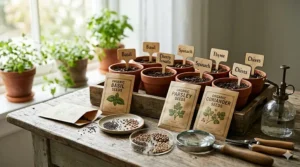
Hydroponic Seed Pods vs. Traditional Seeds: Which to Choose
Hydroponic Seed Pod Advantages
Pre-assembled pods eliminate the mess and guesswork of seed starting. You’re paying for convenience—the sponges are pre-sized, pH-balanced, and positioned perfectly within baskets that fit your system. Germination rates typically exceed 90% because every variable has been optimized.
Pod systems also prevent “operator error” common with traditional seeding. There’s no risk of planting too deep, using contaminated medium, or forgetting which variety you planted where since each pod comes labeled.
The trade-off is selection limitations. Pod manufacturers offer maybe 20-30 varieties total, heavily weighted toward herbs and lettuce. If you’re craving exotic vegetables or heirloom tomatoes, you’ll need to venture into traditional seeds.
Traditional Seed Benefits
Selection diversity is unmatched—you can access thousands of varieties through specialty seed companies. Want purple Brussels sprouts, striped tomatoes, or ghost peppers? Traditional seeds deliver.
Cost-effectiveness favors traditional seeds dramatically. A packet containing 200 lettuce seeds might cost $3-4, while an 8-pod hydroponic kit with fewer seeds costs $16-20. For large-scale indoor gardens or frequent succession planting, traditional seeds make financial sense.
The learning curve steepens with traditional seeds, though. You’ll need to master growing medium preparation, proper seeding depth, moisture management, and transplanting techniques. These skills develop over time but can frustrate beginners who just want quick results.
Hybrid Approach
Many experienced indoor gardeners use both systems strategically. They rely on hydroponic pods for staple crops they grow continuously—basil, lettuce, cilantro—where convenience justifies the premium. For experimental varieties or large quantities, they start traditional seeds in soil or coco coir, then transplant into hydroponic systems once established.
This approach combines reliability with diversity, letting you enjoy foolproof herbs alongside adventurous vegetable experiments.
Year-Round Indoor Vegetables: Succession Planting Strategy
The secret to constant fresh produce isn’t growing massive quantities once—it’s growing modest amounts continuously. This approach, called succession planting, ensures you always have crops at different maturity stages.
Two-Week Lettuce Rotation
Plant a new lettuce pod or container every two weeks. By week six, you’ll harvest your first batch. Two weeks later, the second batch matures while batch three develops. This creates a perpetual harvest cycle where you’re never without fresh greens.
For a family of four eating salads 3-4 times weekly, maintaining six active lettuce plants in rotation provides sufficient volume without overwhelming your refrigerator.
Herb Staging System
Herbs have varied growth rates requiring different succession strategies. Fast growers like basil and cilantro benefit from monthly replanting since they bolt (flower and decline) quickly. Slow growers like rosemary and thyme can be grown as long-term “house plants” that you harvest from sparingly.
I maintain two basil plants at different stages—one mature for heavy harvesting, one juvenile as backup. When the mature plant starts flowering, I harvest heavily, use or preserve the bounty, and retire that plant while the backup matures.
Seasonal Variety Swapping
Even with year-round capability, varying your crops seasonally prevents palate fatigue. Summer months might emphasize tomatoes, cucumbers, and basil. Fall transitions to heartier greens like kale and Swiss chard. Winter focuses on lettuce varieties and root vegetables like radishes. Spring brings back herbs and tender greens.
This rotation also optimizes your lighting investment. Heavy fruiting crops requiring intense light run during summer when electricity costs peak, while lighter-feeding greens dominate winter when you can supplement natural daylight more effectively.
Common Mistakes When Growing Seeds Indoors (And How to Avoid Them)
Overcrowding Seeds
The temptation to maximize every square inch backfires when seedlings compete for light, nutrients, and air circulation. Crowding invites fungal diseases and produces weak, spindly plants.
Follow spacing recommendations religiously. For hydroponic pods, one seed per pod often suffices despite the urge to “hedge your bets” with multiple seeds. Modern seed germination rates rarely justify redundancy, and thinning later wastes both seeds and your time.
Neglecting Air Circulation
Stagnant air creates perfect conditions for mold and fungal growth. Indoor environments lack the natural breezes that strengthen outdoor plants and prevent pathogen establishment.
A small oscillating fan running on low speed for 4-6 hours daily solves this. Position it to create gentle air movement across plants without directly blasting seedlings. This simple addition reduces disease incidence by 70-80% in my experience.
Insufficient Nutrient Monitoring
Hydroponic systems require active nutrient management. According to Oklahoma State University Extension, the recommended pH for hydroponic culture is between 5.0 and 6.0, and the EC level should be 1.5 to 3 dS m-1. Drift outside these ranges locks out essential nutrients even when they’re present in the solution.
Invest in a basic pH meter ($15-30) and check weekly at minimum. Adjust with pH up or pH down solutions as needed. For electrical conductivity, many gardeners rely on visual cues (leaf color, growth rate) rather than meters, but serious producers test EC regularly.
Ignoring Harvest Timing
Waiting too long to harvest diminishes both yield and quality. Lettuce turns bitter once it bolts. Basil becomes woody when allowed to flower repeatedly. Cilantro produces coriander seeds instead of leaves if you delay harvesting.
Research optimal harvest indicators for each crop. For lettuce, harvest when leaves reach 4-6 inches before the plant shows signs of central stem elongation. For herbs, regular harvesting actually promotes bushier growth and extends productive lifespan.
Comparison: Traditional Gardening vs. Indoor Seed Growing
| Factor | Traditional Outdoor | Indoor Growing |
|---|---|---|
| Space Required | Minimum 4×4 ft plot | As little as 1 sq ft |
| Season Length | 4-8 months depending on zone | 12 months continuous |
| Water Usage | High (evaporation + runoff) | 90% less with hydroponics |
| Pest Pressure | Significant (insects, animals) | Minimal (controlled environment) |
| Setup Cost | Low ($50-100 for basic tools) | Medium-High ($100-500 with lights) |
| Ongoing Costs | Seeds, amendments, water | Seeds, nutrients, electricity |
| Harvest Speed | 60-90 days typical | 25-60 days typical |
| Learning Curve | Moderate (weather-dependent) | Moderate (system-dependent) |
Price Range & Value Analysis
Budget-Friendly Options ($15-25)
Entry-level seed packets and basic pod kits fall here. You’re getting limited variety but sufficient quantity to test indoor growing without major investment. The HOME GROWN Lettuce Seeds package exemplifies this tier—great value for money if you’re focused on one crop category.
Best for: Beginners wanting to experiment, renters with temporary living situations, students with limited budgets.
Mid-Range Quality ($25-40)
This sweet spot delivers comprehensive variety packs or complete pod systems. The 55 Vegetable Seeds Variety Pack and 25 Herb Seeds Variety Pack dominate this category, offering exceptional seed diversity that supports multi-season planting.
Best for: Committed hobbyists, families seeking food cost reduction, health-conscious individuals prioritizing organic produce.
Premium Investment ($40+)
High-end specialty seeds, organic certified collections, and professional-grade pod systems occupy this tier. You’re paying for certified genetics, premium packaging, and often superior germination rates.
Best for: Commercial micro-farming ventures, serious food self-sufficiency goals, culinary professionals requiring exotic varieties.
Cost Per Harvest Analysis
A $25 seed collection producing 50 harvests over two years costs $0.50 per harvest. Compare this to grocery store organic lettuce at $3-5 per head, and the value becomes obvious. Even factoring in $0.25 worth of electricity and nutrients per harvest, you’re saving 80-90% versus retail.
The break-even point for most indoor gardens occurs within 4-6 months, after which every harvest represents pure savings plus the intangible benefits of freshness and nutritional superiority.
✨ Don’t Miss These Exclusive Deals!
🔍 Take your indoor growing to the next level with these carefully selected products. Click on any highlighted item to check current pricing and availability. These seeds will help you create authentic year-round harvests your family will love!
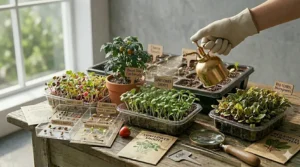
FAQ: Seeds for Indoor Growing
❓ How long do seeds for indoor growing stay viable?
❓ Can I use outdoor garden seeds for hydroponic systems?
❓ What's the germination rate difference between cheap and expensive seeds?
❓ How many seeds for indoor growing should I plant for a family of four?
❓ Do apartment gardening seeds need special soil or growing medium?
Conclusion: Starting Your Indoor Growing Journey Today
The transformation from grocery-dependent to self-sufficient food production doesn’t require a farm, perfect weather, or even outdoor access. Seeds for indoor growing have democratized fresh produce availability, putting crisp lettuce, aromatic herbs, and nutritious vegetables within reach of anyone with a sunny window or basic grow light setup.
Whether you’re starting with a simple HiHOYA lettuce pod kit on your kitchen counter or diving headfirst into a comprehensive 55 Vegetable Seeds Variety Pack for multi-season experimentation, the hardest step is simply beginning. Modern seed genetics, foolproof hydroponic systems, and abundant online resources have eliminated most barriers that once made indoor gardening feel intimidating.
The return on investment extends far beyond dollars saved at the grocery store. There’s profound satisfaction in harvesting ingredients for dinner from plants you started from tiny seeds. Your children learn where food actually comes from. You control exactly what chemicals (none, hopefully) contact your produce. And you join a growing community of urban farmers reclaiming food security one seedling at a time.
Start small, learn continuously, and expand gradually. Your first successful basil harvest will likely hook you for life, leading to ever-more ambitious indoor growing projects. The seeds are already available—literally and figuratively. All that’s missing is your decision to plant them.
Recommended for You
- 7 Rare Heirloom Tomato Varieties Worth Growing in 2026
- 7 Best Spring Vegetable Seeds for March Planting 2026
- 7 Best Tomato Seeds for Containers 2026 – Space-Saving Picks
Disclaimer: This article contains affiliate links. If you purchase products through these links, we may earn a small commission at no additional cost to you.
✨ Found this helpful? Share it with your friends! 💬🤗
