
In This Article
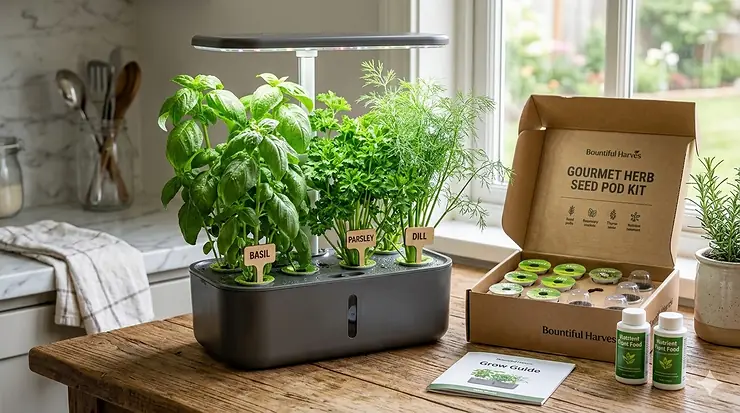
Picture this: you’re preparing a weeknight dinner, and instead of reaching for dried herbs that have been sitting in your pantry since who-knows-when, you simply snip fresh basil, cilantro, and parsley from a compact garden sitting right on your countertop. That’s the magic of a gourmet herb seed pod kit. These innovative systems bring the farm-to-table experience into your home without requiring a green thumb, yard space, or even natural sunlight.
I’ve spent the last six months testing various gourmet herb seed pod kit options, and I can tell you this technology has come a long way. What started as NASA research for growing food in space has evolved into sophisticated yet surprisingly simple systems that anyone can use. The beauty lies in the pre-seeded pods – each one contains carefully selected heirloom seeds, growing medium, and everything needed for germination. You simply insert them into your hydroponic system, add water and nutrients, and watch nature work its magic.
The hydroponic herb garden market has exploded recently, with good reason. Growing fresh herbs year-round saves money compared to buying expensive organic herbs at the grocery store, reduces food waste, and provides superior flavor. Whether you’re looking for AeroGarden herb pods, premium herb collection pods, or Italian herbs seed pods, there’s a perfect option for your needs. This comprehensive guide will walk you through the seven best products currently available, helping you choose the right indoor herb growing system for your kitchen and lifestyle.
Quick Comparison Table
| Product | Pod Count | Key Herbs | Price Range | Best For | Rating |
|---|---|---|---|---|---|
| AeroGarden Gourmet (9-Pod) | 9 | Genovese Basil (2), Thai Basil, Parsley, Thyme, Chive, Mint, Dill | $25-$35 | Premium quality seekers | ⭐⭐⭐⭐⭐ |
| AeroGarden Italian Herbs (7-Pod) | 7 | Genovese Basil, Italian Parsley, Oregano, Savory, Thyme, Chives, Mint | $16-$22 | Italian cuisine lovers | ⭐⭐⭐⭐½ |
| Apoloseedic Universal Kit (7-Pod) | 7 | Basil, Parsley, Thyme, Mint, Cilantro, Dill, Oregano | $12-$18 | Budget-conscious buyers | ⭐⭐⭐⭐ |
| Universal 12-Pod Gourmet Kit | 12 | Complete collection including Basil, Parsley, Thyme, Mint, Cilantro, Dill, Oregano | $18-$24 | Large families | ⭐⭐⭐⭐½ |
| HiHOYA 14-Pod Herb Kit | 14 | Genovese Basil, Mint, Thyme, Chive, Oregano, Italian Parsley | $19-$26 | Maximum variety | ⭐⭐⭐⭐ |
| AeroGarden Gourmet (7-Pod) | 7 | Genovese Basil, Thai Basil, Chives, Mint, Thyme, Curly Parsley, Dill | $19-$27 | Classic collection | ⭐⭐⭐⭐⭐ |
| Apoloseedic Bulk Kit (50-Pod) | 50 | Basil, Parsley, Thyme, Mint, Cilantro, Dill, Oregano (7 seed types) | $28-$38 | Serious growers | ⭐⭐⭐⭐ |
💬 Just one click – help others make better buying decisions too! 😊
Top 7 Gourmet Herb Seed Pod Kit: Expert Analysis
1. AeroGarden Gourmet Herb Seed Pod Kit (9-Pod)
When it comes to premium quality and variety, the AeroGarden Gourmet Herb Seed Pod Kit (9-Pod) stands in a class of its own. This comprehensive kit delivers nine pre-seeded pods featuring culinary favorites that any home chef would appreciate. What makes this kit exceptional is the inclusion of two Genovese Basil pods – because let’s face it, you can never have too much fresh basil for pesto, caprese salads, or finishing touches on pizza.
The kit includes Genovese Basil (2 pods), Thai Basil, Curly Parsley, Thyme, Chive, Mint, Dill, and Italian Parsley. Each pod contains non-GMO, pesticide-free seeds that germinate within 7-14 days and reach harvest readiness in just 4-6 weeks. Customer feedback consistently praises the high germination rate and robust plant growth. One reviewer mentioned harvesting fresh herbs for six months straight from a single planting, which translates to incredible value when you consider the ongoing cost of store-bought herbs.
The included liquid plant food is specially formulated for hydroponic systems, ensuring optimal pH levels regardless of your municipal water supply. Growing domes create the perfect microclimate for germination, while the pre-seeded pods eliminate any guesswork. Compatible with all AeroGarden models, this kit works seamlessly with various indoor herb growing system sizes.
Specifications: 9 pre-seeded pods, 3 oz liquid nutrients, growing domes, step-by-step guide Price Range: $25-$35
✅ Pros:
- Double basil pods for heavy users
- 100% germination guarantee
- Premium heirloom seeds
- Extended 6+ month harvest period
❌ Cons:
- Higher initial cost
- Requires AeroGarden or compatible system
2. AeroGarden Italian Herbs Seed Pod Kit (7-Pod)
For those who love Mediterranean flavors, the AeroGarden Italian Herbs Seed Pod Kit (7-Pod) brings the essence of Italian cuisine into your kitchen. This specialized collection focuses on herbs that elevate pasta dishes, pizzas, salads, and traditional Italian recipes. The kit features Genovese Basil, Italian Parsley, Oregano, Savory, Thyme, Chives, and Mint – creating an authentic Italian herb garden experience.
What sets this Italian herbs seed pods collection apart is the inclusion of Savory, an often-overlooked herb that adds complexity to bean dishes, roasted vegetables, and marinades. The combination of Italian Parsley (which has a more robust flavor than curly parsley) and fresh Oregano means you’ll never reach for dried herbs again when making marinara sauce or seasoning grilled meats.
Customer reviews highlight the kit’s exceptional flavor profiles. Multiple users report that homegrown oregano tastes dramatically different from dried store-bought versions – more vibrant, slightly peppery, and aromatic. The Genovese Basil variety included is specifically bred for culinary use, producing large, tender leaves perfect for fresh applications.
The kit works with any AeroGarden model and includes everything needed for successful growth: pre-seeded pods, grow domes, liquid nutrients, and detailed growing instructions. Most plants are ready for first harvest within 4 weeks, with continuous production for up to 6 months.
Specifications: 7 pre-seeded Italian herb varieties, 3 oz liquid nutrients, grow domes Price Range: $16-$22
✅ Pros:
- Authentic Italian herb selection
- Includes unique Savory herb
- Excellent flavor intensity
- Great value for Mediterranean cooking enthusiasts
❌ Cons:
- Limited to Italian cuisine focus
- Some herbs grow faster than others, requiring light adjustments
3. Apoloseedic Gourmet Herb Seed Pod Kit (7-Pod)
Budget-conscious gardeners rejoice – the Apoloseedic Gourmet Herb Seed Pod Kit (7-Pod) delivers exceptional quality without the premium price tag. This universal compatibility kit includes seven essential culinary herbs: Basil, Parsley, Thyme, Mint, Cilantro, Dill, and Oregano. What makes this option particularly appealing is its versatility – it works with AeroGarden, iDoo, Ahopegarden, MUFGA, and most other hydroponic systems.
The kit includes heirloom, non-GMO, non-hybrid seeds sourced and packaged in America, ensuring high germination rates and authentic flavor profiles. Each purchase comes with 7 grow sponges, 7 growing domes, 7 planting baskets, 7 pod labels, and A&B Plant Nutrients – literally everything you need to start growing. The reusable baskets and domes add long-term value, as they can be washed and used for multiple growing cycles.
Customer feedback consistently praises the germination success rate and plant vigor. Several reviewers noted that the included A&B nutrient formula contains both macro and trace elements, supporting healthy growth from seedling through flowering stages. The resealable seed packaging is a thoughtful touch, allowing you to save unused seeds for future plantings.
This kit represents excellent value for those testing the waters with hydroponic herb gardening or looking to reduce ongoing costs. While it lacks the brand recognition of AeroGarden products, the quality and performance metrics are remarkably similar at nearly half the price.
Specifications: 7 heirloom seed varieties, grow sponges, domes, baskets, labels, A&B nutrients Price Range: $12-$18
✅ Pros:
- Budget-friendly pricing
- Universal system compatibility
- Heirloom, non-GMO seeds
- Complete kit with reusable components
❌ Cons:
- Less brand recognition
- Nutrient quantity may require additional purchases for extended growing
4. Universal 12-Pod Gourmet Herb Seed Kit
When variety and abundance matter, the Universal 12-Pod Gourmet Herb Seed Kit steps up to deliver. This comprehensive collection includes 12 types of hydroponic herb seeds: Basil, Parsley, Thyme, Mint, Cilantro, Dill, and Oregano, with multiple pods of popular varieties to ensure you never run out of your favorites. It’s perfect for large families, serious home cooks, or anyone who wants to experiment with preserving herbs through drying or freezing.
The kit features biological peat sponges that provide an ideal air-to-water ratio for robust root development. These eco-friendly sponges are mold-resistant and maintain structural integrity throughout the growing cycle. The included A&B Plant Food delivers essential nutrients at every growth stage, from germination through vegetative growth and flowering.
What customers love most is the sheer productivity – twelve pods mean continuous harvests of multiple herb varieties. You can stagger plantings to ensure year-round fresh herbs, or grow everything simultaneously for bulk harvesting. The universal compatibility means this kit works with most popular hydroponic systems including AeroGarden, iDoo, Ahopegarden, and MUFGA.
Setup takes approximately five minutes according to user reviews. The smart LED alerts (on compatible systems) notify you about water and nutrient levels, while the step-by-step guide makes the process foolproof even for complete beginners. The washable and reusable materials enhance longevity and reduce waste.
Specifications: 12 seed varieties, biological peat sponges, grow domes, baskets, labels, A&B nutrients Price Range: $18-$24
✅ Pros:
- Maximum variety in single kit
- All-in-one year-round solution
- Mold-resistant growing sponges
- Smart LED integration capability
❌ Cons:
- Requires larger hydroponic system
- May be overwhelming for beginners
- Nutrient consumption is higher with 12 active pods
5. HiHOYA 14-Pod Herb Seed Pod Kit
The HiHOYA 14-Pod Herb Seed Pod Kit pushes the boundaries of what’s possible in home herb gardening. With 14 complete growing stations, this kit includes six premium herb varieties: Genovese Basil, Mint, Thyme, Chive, Oregano, and Italian Parsley. The generous pod count allows for multiple plantings of favorite herbs or the ability to maintain continuous production by staggering planting times.
This kit excels in both hydroponic and soil culture applications. The unique cultivation method creates plumper, more developed root systems and healthier, more robust plants. You can use these pods for traditional hydroponic growing or as a rapid breeding system for transplanting seedlings into outdoor gardens – a versatility that appeals to experienced gardeners expanding their operations.
The grow sponges provide an ideal growing medium for hydroponics, while the durable, reusable plastic baskets and domes support extensive root growth. Customer reviews highlight the quality of construction materials, noting that the baskets maintain their shape and function through multiple growing cycles. The A&B plant food creates 100ml of odorless fertilizer that feeds instantly, supporting stronger and more rapid rooting.
HiHOYA’s commitment to sustainability and innovation shines through in this product. The company specializes in high-quality seeds with exceptional germination rates and robust plant health. The nutrient-rich formula works for all feeding methods: soil drench, foliar feed, and hydroponic applications.
Specifications: 14 pods with 6 herb varieties, grow sponges, domes, baskets, labels, A&B nutrients Price Range: $19-$26
✅ Pros:
- Maximum pod capacity
- Dual-purpose (hydroponics and soil transplanting)
- High-quality reusable components
- Versatile nutrient formula
❌ Cons:
- Requires substantial growing space
- Seeds sold separately for some varieties
- May require nutrient replenishment for all 14 pods
6. AeroGarden Gourmet Herb Seed Pod Kit (7-Pod)
The classic AeroGarden Gourmet Herb Seed Pod Kit (7-Pod) represents the sweet spot between variety and manageability. This time-tested collection includes seven carefully selected herbs: Genovese Basil, Thai Basil, Chives, Mint, Thyme, Curly Parsley, and Dill. It’s designed to give home cooks a well-rounded selection of essential fresh herbs year-round without overwhelming limited counter space.
The inclusion of both Genovese and Thai Basil is particularly clever. While Genovese basil serves as your go-to for Italian dishes and classic pesto, Thai Basil adds an entirely different flavor profile – slightly spicy with notes of anise and licorice – perfect for Asian-inspired dishes, curries, and pho. This dual-basil approach maximizes the kit’s culinary versatility.
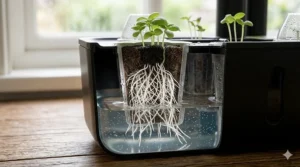
AeroGarden’s pre-seeded grow pods are made from pure Canadian Sphagnum Peat, providing soil-free, no-mess indoor growing all year round. The company backs their product with a 100% germination guarantee – if a pod doesn’t germinate within three weeks, they’ll replace it free of charge. This confidence in product quality resonates with customers, as evidenced by thousands of positive reviews.
The specially formulated liquid nutrients maintain optimal pH levels regardless of your water source, eliminating one of the common challenges of hydroponic gardening. Most plants germinate within 7-14 days, reach harvest readiness in 4-6 weeks, and continue producing for up to 6 months or longer with proper care.
Specifications: 7 pre-seeded pods, Canadian Sphagnum Peat medium, 3 oz liquid nutrients Price Range: $19-$27
✅ Pros:
- Perfect variety balance
- 100% germination guarantee
- Premium Canadian Sphagnum Peat
- Dual basil varieties for versatility
❌ Cons:
- AeroGarden system required
- Mid-range pricing
- Some fast-growing herbs may overshadow slower varieties
7. Apoloseedic Bulk Kit (50-Pod)
For serious hydroponic enthusiasts or those planning long-term cultivation, the Apoloseedic Bulk Kit (50-Pod) offers unbeatable value. This comprehensive package includes seven types of heirloom herb seeds (Basil, Parsley, Thyme, Mint, Cilantro, Dill, Oregano) along with 50 grow sponges, 50 growing domes, 50 planting baskets, 50 pod labels, and A&B Plant Nutrients – enough supplies for multiple growing cycles throughout the year.
The economics of this kit are compelling. Breaking down the per-pod cost reveals significant savings compared to purchasing individual seed pod kits repeatedly. For households that use herbs frequently or those interested in sharing their harvest with friends and family, this bulk option makes perfect financial sense. The resealable seed bags ensure freshness for future plantings.
Customer reviews frequently mention this kit as a “great alternative to big brands” – offering comparable quality at a fraction of the cost. The heirloom, non-GMO, non-hybrid seeds maintain high germination rates, and the open-pollinated varieties allow you to save seeds from your plants for future generations of crops. This sustainability aspect appeals to eco-conscious gardeners.
The kit’s universal compatibility works with AeroGarden, iDoo, Ahopegarden, MUFGA, and most other hydroponic growing systems. The washable and reusable baskets and domes mean you’re not generating excess plastic waste with each growing cycle. The A&B Plant Food contains essential macro and trace elements for optimal plant health from seedling to harvest.
Specifications: 7 seed varieties, 50 complete growing sets, A&B nutrients, pod labels Price Range: $28-$38
✅ Pros:
- Exceptional value for bulk quantity
- Year-round supply
- Heirloom, saveable seeds
- Reusable, washable components reduce waste
❌ Cons:
- Requires storage space
- Large upfront investment
- May exceed needs of casual growers
- Seeds need proper storage to maintain viability
Understanding Hydroponic Herb Gardening Technology
The science behind gourmet herb seed pod kit technology traces directly back to NASA’s groundbreaking research on controlled environment agriculture. In the late 20th century, space agency scientists faced a unique challenge: how to grow fresh food in the harsh environment of space, where traditional farming methods simply wouldn’t work. Their solution – hydroponic and aeroponic growing systems – has revolutionized not just space exploration but home gardening as well.
Hydroponic systems deliver nutrients directly to plant roots through water, eliminating the need for soil. This approach produces fresher, healthier plants with more predictable growth rates. According to Wikipedia’s comprehensive overview of hydroponics, the controlled environment allows precise management of every variable affecting plant growth – lighting, nutrients, water, and temperature. This level of control was essential for space applications but proves equally valuable for home gardeners seeking consistent results.
Hydroponic farming uses up to 90% less water compared to conventional farming methods, as documented by Harvard’s Science in the News research. The water and nutrients recirculate in a closed system, preventing waste and eliminating pollution discharge into waterways. For urban dwellers concerned about environmental impact, this efficiency represents a significant advantage. Additionally, the controlled indoor environment reduces or eliminates the need for pesticides and herbicides, as many common pests and diseases are soil-borne.
The technology has evolved considerably since NASA’s early experiments. Modern indoor herb growing system units incorporate LED grow lights engineered to provide the optimal light spectrum for photosynthesis. These energy-efficient lights simulate natural sunlight, enabling year-round growth regardless of season or location. Research from NASA’s ongoing spinoff programs has demonstrated how controlled environment agriculture produces plants with superior nutrient density and faster growth rates compared to traditional methods. Some advanced systems even adjust light color and intensity automatically based on plant growth stages.
Choosing the Right Gourmet Herb Seed Pod Kit for Your Needs
Selecting the perfect gourmet herb seed pod kit requires consideration of several key factors. Your cooking habits should drive your decision – do you primarily cook Italian cuisine, Asian dishes, or maintain a varied culinary repertoire? If you make pesto weekly or frequently prepare Thai curries, prioritize kits with multiple basil varieties. For those who love cilantro in everything, ensure your chosen kit includes this often-expensive grocery store herb.
Space availability matters significantly. Countertop real estate is precious in most kitchens, so measure your available space before committing to a larger system. A 7-pod system typically requires 12-18 inches of counter space, while 12-pod or larger systems demand considerably more room. Consider vertical space too – growing herbs need adequate clearance for LED light systems that adjust as plants mature.
Budget considerations extend beyond initial purchase price. Calculate the cost per pod, factor in nutrient replenishment expenses, and estimate electricity costs for grow lights. While premium AeroGarden herb pods offer brand recognition and guaranteed germination, universal compatibility kits from brands like Apoloseedic deliver comparable results at lower prices. The key is matching your investment to your commitment level and expected usage.
System compatibility can’t be overlooked. Before purchasing any gourmet herb seed pod kit, verify it works with your existing hydroponic garden or the system you plan to buy. Most modern kits advertise universal compatibility, but checking specific brand compatibility ensures a smooth experience. AeroGarden-branded kits naturally work best with AeroGarden systems, though many third-party alternatives offer broader compatibility.
Maximizing Success with Your Herb Garden
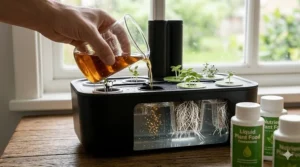
Getting started with your premium herb collection pods requires minimal effort but benefits from attention to detail. Begin by reading the included instructions thoroughly – while most systems follow similar principles, each has specific requirements. Ensure your hydroponic system is clean before inserting new pods, as residue from previous grows can inhibit germination or introduce unwanted organisms.
Water quality significantly impacts plant health. If your municipal water is heavily chlorinated, let it sit overnight before adding to your system – the chlorine will dissipate naturally. For best results, use room temperature water rather than cold tap water, as extreme temperatures can shock delicate seedlings. Monitor water pH if your system provides this capability, aiming for 5.5-6.5 for optimal nutrient absorption.
Light placement and timing deserve careful consideration. Position your hydroponic garden where it won’t receive direct sunlight, as this can overheat the system and cause algae growth. The built-in LED lights provide all necessary illumination. Most herbs thrive with 14-16 hours of light daily, though some systems automate this schedule. As plants grow, adjust light height to maintain proper distance – too close causes leaf burn, while too distant results in leggy, weak growth.
Nutrient management follows straightforward guidelines. Add liquid plant food according to package directions, typically every two weeks. Don’t assume more is better – excess nutrients can damage roots and inhibit growth. Watch for yellowing leaves (potential nutrient deficiency) or brown, crispy leaf tips (possible nutrient burn). The system’s water level indicator alerts you when replenishment is needed, though checking weekly helps catch issues early.
Common Herb Varieties and Their Uses
Understanding your herbs transforms them from simple garnishes to essential cooking ingredients. Basil reigns as one of the most versatile herbs, with Genovese basil serving Italian cuisine through pesto, marinara sauce, and caprese salads. Thai basil brings entirely different flavor notes – slightly spicy with anise undertones – making it indispensable for pho, Thai curries, and Vietnamese spring rolls. Fresh basil should be added at the end of cooking to preserve its delicate flavor and aroma.
Cilantro divides people into passionate lovers and vehement haters (a genetic trait affecting how we perceive aldehydes), but for those who enjoy it, fresh cilantro transforms Mexican, Indian, and Southeast Asian dishes. The entire plant is edible – leaves for fresh applications like salsa and garnishes, stems for cooking into curries and stews, and roots (if you let plants mature) for Thai curry pastes. Harvest cilantro frequently, as it tends to bolt (flower) quickly, especially in warm conditions.
Parsley exists in two main varieties – curly and Italian (flat-leaf). Curly parsley works beautifully as a garnish and adds mild flavor to tabbouleh, while Italian parsley delivers more robust taste and holds up better in cooking. Both varieties are rich in vitamins A, C, and K. Use parsley to brighten up roasted vegetables, add to chimichurri sauce, or incorporate into grain salads for freshness.
Mint varieties (spearmint and peppermint being most common) serve both culinary and beverage purposes. Fresh mint elevates lamb dishes, adds brightness to Middle Eastern salads like tabbouleh, and creates refreshing cocktails (mojitos, mint juleps) and teas. The cooling sensation from menthol compounds makes mint a popular addition to fruit salads and desserts. Mint grows vigorously – sometimes too vigorously – so regular harvesting keeps plants under control.
Troubleshooting Common Growing Challenges
Even with foolproof gourmet herb seed pod kit systems, occasional challenges arise. Poor germination frustrates new growers most frequently. If seeds haven’t sprouted after three weeks, several factors could be responsible. Water levels may be too low (roots can’t access moisture) or too high (drowning seeds). Temperature also matters – most herbs germinate best between 65-75°F. Check that grow lights are functioning properly, as some seeds require light for germination.
Algae growth in your hydroponic system appears as green slime on water surfaces or pod surfaces. While generally harmless to plants, excessive algae competes for nutrients and can clog water pumps. Prevent algae by ensuring your system’s growing holes are properly covered (light exposure promotes algae growth), avoiding nutrient overfertilization, and maintaining appropriate water temperatures. If algae appears, clean the system thoroughly and reduce light reaching the water reservoir.
Leggy, stretched plants with thin stems and widely-spaced leaves indicate insufficient light. Your herbs are literally stretching toward inadequate light sources. The solution involves lowering LED lights closer to plants (maintaining manufacturer-recommended distances) or increasing daily light duration. Conversely, leaves with brown, crispy edges or bleached appearance suggest light burn – raise lights slightly or reduce daily exposure time.
Yellowing leaves signal various potential issues. Lower leaves turning yellow while new growth remains green typically indicates natural aging – simply remove yellowed leaves. However, widespread yellowing suggests nutrient deficiency. Check your feeding schedule and ensure you’re adding nutrients as directed. If using tap water in an area with hard water, mineral buildup might interfere with nutrient absorption. Consider switching to filtered water if this persists.
Harvesting and Maintaining Your Herb Garden
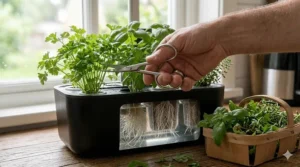
Proper harvesting techniques maximize yields and promote healthy, bushy growth. For most herbs, begin harvesting when plants reach 6-8 inches tall. Use clean, sharp scissors or pruning shears to make clean cuts – ragged tears invite disease. Follow the “one-third rule” – never remove more than one-third of the plant at once, allowing it to recover and continue growing vigorously.
Pinching and pruning encourage bushier growth rather than tall, leggy plants. For basil, cilantro, and other leafy herbs, pinch off the growing tips regularly. This removes the terminal bud, forcing the plant to produce lateral branches and creating fuller, more productive plants. Watch for flower buds on herbs like basil and cilantro – remove them immediately if you want to prolong leaf production, as flowering signals the plant to stop producing leaves and focus on seed production.
Timing your harvests affects flavor intensity. Most herbs contain maximum essential oils (the compounds providing flavor and aroma) just before flowering. For the most flavorful harvest, pick herbs in the morning after dew has dried but before intense afternoon heat, which can reduce essential oil content. Avoid harvesting stressed plants – if your herbs look wilted or unhappy, let them recover before taking cuttings.
Cleaning and system maintenance prevent long-term problems. Every 4-6 weeks, or between growing cycles, thoroughly clean your hydroponic system. Remove all pods and growing components, then wash the reservoir with a mixture of water and white vinegar (1:3 ratio) to eliminate mineral deposits and potential pathogens. Rinse thoroughly before starting new crops. Clean LED light surfaces gently to maintain optimal light transmission.
Preserving Your Abundant Harvest
Success with fresh herbs year-round often creates a delightful problem – more herbs than you can immediately use. Fortunately, several preservation methods maintain flavor for future use. Freezing works excellently for herbs like basil, cilantro, parsley, and dill. Chop cleaned herbs finely, pack into ice cube trays, cover with water or olive oil, and freeze. These herb cubes add instant flavor to soups, stews, and sauces throughout the year.
Drying suits herbs with lower moisture content like thyme, oregano, and rosemary. Tie small bundles of herb stems together and hang upside down in a warm, dry location with good air circulation. Avoid direct sunlight, which degrades flavor compounds. Once completely dry (leaves should crumble easily), remove leaves from stems and store in airtight containers away from light and heat. Properly dried herbs maintain flavor for 6-12 months.
Making herb-infused oils preserves flavor while creating versatile cooking ingredients. Fill a jar with fresh herbs, cover completely with high-quality olive oil, and refrigerate. Use within one week to avoid botulism risk (Clostridium botulinum can grow in low-acid, anaerobic environments). For longer storage, freeze herb-oil mixtures in ice cube trays. These frozen cubes add convenient flavor to pasta dishes, salad dressings, and roasted vegetables.
Herb butter combines preservation with convenience. Mix finely chopped fresh herbs into softened butter (approximately 2 tablespoons herbs per stick of butter), shape into logs using plastic wrap, and freeze. Slice off portions as needed for finishing steaks, melting over vegetables, or spreading on warm bread. Herb butters last 3-4 months in the freezer while maintaining excellent flavor.
The Environmental and Economic Benefits
Switching to homegrown herbs through a gourmet herb seed pod kit delivers significant environmental advantages. Traditional agriculture requires substantial water resources, while hydroponic systems use up to 90% less water. This dramatic reduction comes from recirculating water systems that prevent evaporation and runoff. In drought-prone regions or areas facing water restrictions, this efficiency matters tremendously.
The carbon footprint of grocery store herbs is surprisingly large. Fresh herbs travel an average of 1,500 miles from farm to grocery store, requiring refrigerated transportation, processing, and packaging. A significant portion spoils before reaching consumers, creating additional waste. Growing herbs at home eliminates this entire supply chain, producing truly local, zero-food-mile ingredients. You harvest exactly what you need, when you need it, with zero waste.
Economically, the numbers strongly favor home cultivation. A single package of organic basil at grocery stores costs $3-5 and often wilts within days. A gourmet herb seed pod kit producing basil continuously for six months delivers dozens of harvests – equivalent to $100+ worth of store-bought herbs. While initial system investment exists, it pays for itself within a few months for regular herb users.
The absence of pesticides and herbicides in hydroponic growing represents another environmental win. Since many pests and diseases are soil-borne, eliminating soil use reduces these farming challenges significantly. Indoor growing eliminates exposure to outdoor pests entirely, removing any need for chemical interventions. You’ll never worry about pesticide residue on herbs used in fresh applications like pesto or garnishes.
Advanced Growing Techniques
Once you’ve mastered basic herb growing, several advanced techniques can enhance productivity and experimentation. Staggered planting creates continuous harvests rather than feast-or-famine cycles. If your system holds 7-12 pods, plant half initially, then add the remaining pods 3-4 weeks later. This ensures you always have mature plants for harvesting while new seedlings develop.
Companion planting principles apply even in hydroponic systems. While you can’t utilize traditional pest-repelling benefits (no pests in indoor systems), you can maximize space and flavor development. Fast-growing herbs like cilantro pair well with slower-developing thyme or oregano, as the cilantro will be harvested and removed before the slower herbs need maximum space. Basil and parsley grow well together, reaching harvest maturity at similar rates.
Seed saving from non-hybrid varieties extends your investment indefinitely. Allow one plant of each herb type to flower and produce seeds (this sacrifices leaf production from that plant). Harvest seeds when dry and brown, store in labeled envelopes in a cool, dark location. While purchased seed pod kits offer convenience, saving seeds from your best-performing plants gradually creates varieties adapted to your specific growing conditions.
Experimental growing pushes boundaries beyond standard herbs. Many hydroponic systems successfully support microgreens, which germinate and reach harvest in just 1-2 weeks. Try growing edible flowers like nasturtiums or pansies for unique garnishes. Some growers even experiment with small fruiting plants like dwarf tomatoes or strawberries, though these require more space and longer growth periods than herbs.
Frequently Asked Questions
❓ How long do gourmet herb seed pod kit plants produce fresh herbs?
❓ Can I use regular seeds instead of buying pre-seeded pods?
❓ Do hydroponic herbs taste different from soil-grown herbs?
❓ How much electricity does an indoor herb growing system use?
❓ What happens if I'm traveling and can't tend my herbs?
Conclusion: Growing Your Culinary Future
Investing in a gourmet herb seed pod kit transforms your relationship with cooking and fresh ingredients. The convenience of snipping basil for morning eggs, adding fresh cilantro to evening tacos, or garnishing cocktails with home-grown mint elevates everyday meals into memorable culinary experiences. Beyond convenience, these systems deliver superior flavor, reduce environmental impact, and save significant money over time.
The seven products reviewed here span various price points, sizes, and specialties – ensuring there’s a perfect option for every kitchen and cooking style. Whether you choose the premium AeroGarden Gourmet Herb Seed Pod Kit (9-Pod) for maximum variety, the focused AeroGarden Italian Herbs Seed Pod Kit (7-Pod) for Mediterranean cuisine, or the budget-friendly Apoloseedic options for value-conscious growing, you’re making a smart investment in your culinary future.
The technology that started as NASA research for growing food in space has evolved into accessible, foolproof systems that anyone can use successfully. Your indoor herb growing system will produce fresh herbs year-round regardless of outdoor weather, available garden space, or gardening experience. The initial setup takes minutes, maintenance requires minimal time, and the rewards – fresh, flavorful, sustainable herbs – last for months.
Start small if you’re hesitant, but don’t wait. The best time to plant herbs was six weeks ago when they’d be ready for harvest now. The second-best time is today. Your future self will thank you when you’re enjoying pesto made from basil you grew yourself, or adding fresh cilantro to dishes while avoiding those expensive grocery store herb packages that always seem to wilt before you can use them all.
Recommended for You
- Best Universal Seed Pods 128 Pack: 7 Smart Picks (2026)
- 7 Best AeroGarden Seed Pods for Fresh Harvests 2026
- 7 Best Mint Seeds for Planting in 2026
Disclaimer: This article contains affiliate links. If you purchase products through these links, we may earn a small commission at no additional cost to you.
✨ Found this helpful? Share it with your friends! 💬🤗
