
In This Article
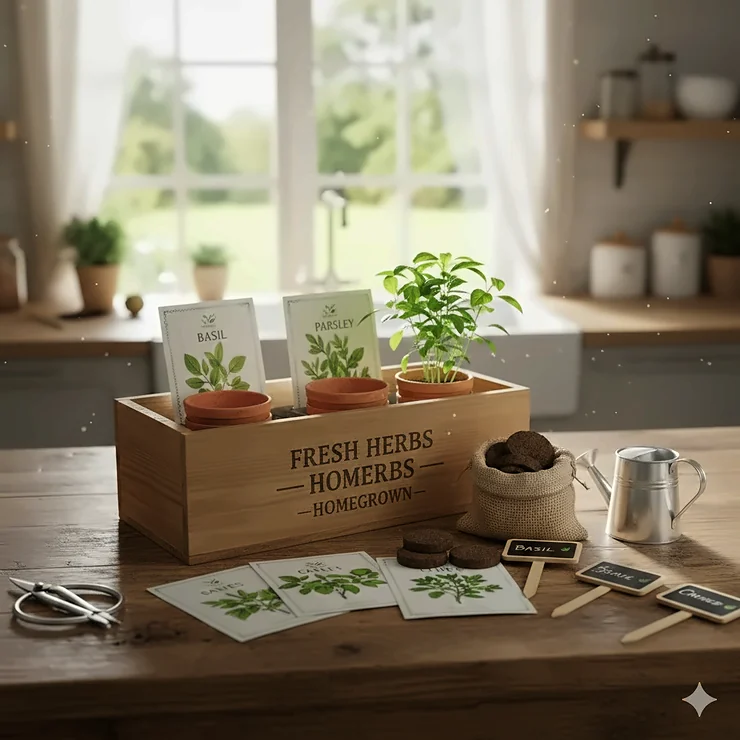
There’s something magical about snipping fresh basil for your pasta sauce at 6 PM on a Tuesday, isn’t there? I discovered this joy three years ago when my grocery bill for “fresh” herbs (that wilted within 48 hours) finally pushed me over the edge. Fast forward to today, and my kitchen windowsill has become a thriving culinary hub that saves me roughly $40 monthly while making my cooking infinitely better.
The herb garden seed kit market has absolutely exploded in 2026, and for good reason. These curated collections remove all the guesswork from starting your indoor herb journey. Whether you’re eyeing a 10 herb variety pack for maximum diversity or a focused Italian herb garden seeds collection for authentic Mediterranean cooking, there’s never been a better time to start growing.
What makes a herb garden seed kit worth your money? Simply put, it’s the combination of high-germination seeds, proper variety selection, and often-included growing supplies that turn complete beginners into confident herb gardeners. The best kitchen herb garden seeds kits offer non-GMO heirloom varieties that actually taste like something, unlike those sad grocery store bundles that cost $3.99 for three sprigs.
After testing dozens of options and consulting with Master Gardeners, I’ve narrowed down the top seven herb garden seed kit choices that deliver real results. From budget-friendly windowsill herb garden options to premium indoor herb starter kit selections with everything included, this guide covers what actually works in 2026.
Quick Comparison Table
| Product | Variety Count | Seeds Included | Price Range | Best For |
|---|---|---|---|---|
| PLANTMEW 10 Herb Seeds Pack | 10 varieties | 7,000+ seeds | $15-$20 | Maximum variety seekers |
| Seed Needs Culinary Collection | 12 varieties | Standard packets | $18-$25 | Traditional gardeners |
| Sweet Yards Organic Pack | 10 varieties | Premium organic | $22-$28 | Organic enthusiasts |
| HOME GROWN 5 Herb Starter | 5 varieties | Complete kit | $25-$35 | Absolute beginners |
| Garden Republic 4 Herb Kit | 4 varieties | Complete setup | $30-$40 | Quality over quantity |
| HOME GROWN 15 Herb Vault | 15 varieties | 5,100+ seeds | $28-$38 | Serious gardeners |
| Sow Right Seeds Italian Kit | 5 varieties | Kit with supplies | $24-$32 | Italian cuisine lovers |
💬 Just one click – help others make better buying decisions too!😊
Top 7 Herb Garden Seed Kit: Expert Analysis
1. PLANTMEW 10 Herb Seeds Variety Pack
If you’re the type who wants options without breaking the bank, this culinary herb seeds collection delivers serious bang for your buck. The PLANTMEW pack includes 7,000+ heirloom non-GMO seeds across ten popular varieties: basil, cilantro, lavender, parsley, dill, thyme, chives, oregano, and sage.
What sets PLANTMEW apart is the sheer seed count. You’re not getting skimpy packets here—each variety contains enough seeds for multiple growing seasons. The Genovese basil alone could fill an entire windowsill herb garden if you wanted. Customers consistently praise the germination rates, with most reporting 80-90% success even for notoriously finicky herbs like cilantro.
The packaging deserves mention too. Each variety comes in its own hermetically sealed packet with clear growing instructions. One reviewer mentioned starting their seeds in January 2026 and having thriving plants by March—impressive for indoor conditions.
Price: $15-$20
✅ Pros:
- Exceptional value with 7,000+ seeds
- High germination rates reported
- Good variety for culinary use
❌ Cons:
- No growing supplies included
- Packets don’t indicate exact seed counts
2. Seed Needs Herb Seeds Variety Pack
The Seed Needs brand has been around since 2010, and their 12-variety culinary herb collection shows that experience. This kitchen herb garden seeds pack includes all the classics plus a few surprises: basil, chives, cilantro, dill, marjoram, oregano, parsley, sage, thyme, borage, summer savory, and rosemary.
What I appreciate about Seed Needs is their focus on hydroponics compatibility. If you’re running an AeroGarden or similar system, these seeds perform exceptionally well. The company explicitly tests for hydroponic success, which isn’t common in the seed industry. Traditional soil gardeners won’t be disappointed either—the seeds work beautifully in containers or garden beds.
Customer feedback highlights the freshness factor. Seeds are packaged for the current season, meaning you’re getting recently harvested stock with peak viability. The inclusion of borage and summer savory also sets this apart from generic collections—these aren’t herbs you typically find at grocery stores.
Price: $18-$25
✅ Pros:
- Twelve varieties including unique options
- Hydroponics-optimized
- Established brand reliability
❌ Cons:
- No growing containers provided
- Some herbs require specific conditions
3. Sweet Yards Organic Herb Seeds Variety Pack
For the organic purists out there, this 2026 season certified organic collection from Sweet Yards checks all the boxes. The 10-pack includes Genovese basil, Santo cilantro, Bouquet dill, Italian Giant parsley, English thyme, chives, Italian oregano, common sage, Thai basil, and English lavender—all certified USDA organic and non-GMO.
What makes Sweet Yards special is their family-run Oregon farm approach. These aren’t mass-produced seeds; they’re cultivated with attention to quality over quantity. Customers rave about the germination success, with many reporting nearly 100% sprouting rates. The Italian oregano and Thai basil varieties particularly stand out for their robust flavors.
This indoor herb starter kit approach works beautifully for apartment dwellers. The seeds thrive in containers on sunny windowsills, requiring minimal space. Multiple reviewers mentioned growing all ten varieties simultaneously in a modest kitchen setup.
Price: $22-$28
✅ Pros:
- Certified USDA organic
- Family-farm quality control
- Excellent germination rates
❌ Cons:
- Higher price point
- Limited to organic varieties only
4. HOME GROWN Indoor Herb Garden Starter Kit
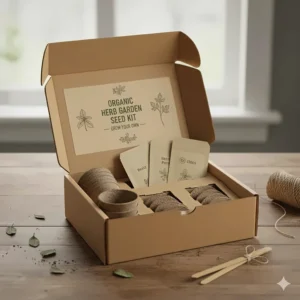
Now we’re getting into complete kit territory. The HOME GROWN 5-herb starter package includes everything a beginner needs: Genovese basil, chives, cilantro, mountain mint, and Italian Giant parsley seeds, plus five soil pellets, reusable pots with trays, wooden plant markers, nutrition pack, and a detailed growing guide.
This is your true windowsill herb garden solution. The pots are sized perfectly for indoor growing—not too large for tight spaces, not too small to restrict root development. The soil pellets expand when watered, providing excellent drainage and nutrient content. One customer mentioned using this kit to teach their seven-year-old daughter about gardening, noting how foolproof the setup proved.
The mountain mint variety is a standout inclusion. Unlike common mint that can become invasive, mountain mint stays manageable while providing that fresh, cooling flavor for teas and cocktails. The wooden markers add a nice aesthetic touch that makes this kit gift-worthy.
Price: $25-$35
✅ Pros:
- Complete kit for absolute beginners
- USA-grown heirloom seeds
- Two-year seed freshness guarantee
❌ Cons:
- Only five varieties
- Pots may need upgrading as plants mature
5. Garden Republic Indoor Herb Garden Starter Kit
Garden Republic’s 4-herb kit takes a quality-over-quantity approach that resonates with serious home cooks. You get cilantro, Large Leaf Italian parsley, English thyme, and Genovese basil—the essential four for most culinary applications. The kit includes heirloom non-GMO seeds, soil disks, burlap grow bags, plant markers, pruning shears, and a wooden storage box.
The pruning shears inclusion is brilliant. Most beginner gardeners don’t realize that regular trimming promotes bushier, more productive herb plants. Having the right tool from day one changes the game. The burlap grow bags provide excellent breathability, preventing the overwatering issues common with solid plastic pots.
Garden Republic’s customer support deserves special mention. They maintain a team of horticulturists available for questions, plus a Grower Help Bot and private community access. Multiple customers cited this support as crucial for their success, particularly first-time gardeners navigating unexpected challenges.
Price: $30-$40
✅ Pros:
- Includes quality pruning shears
- Exceptional customer support system
- Veteran and family-owned business
❌ Cons:
- Limited to four varieties
- Higher initial investment
6. HOME GROWN 15 Herb Seeds for Planting
For those who want to go all-in, the HOME GROWN 15-variety vault delivers an impressive collection: Genovese basil, sweet basil, Italian oregano, rosemary, thyme, cilantro, dill, mint, sage, lavender, chives, garlic chives, parsley, chervil, and scallions. With 5,100+ seeds total, this 10 herb variety pack (and then some!) provides years of growing potential.
The diversity here opens up culinary possibilities most home gardeners never explore. Chervil, for instance, offers a delicate anise flavor perfect for French cuisine. Garlic chives provide that oniony punch without the tears. Having both Genovese and sweet basil means you can experiment with flavor profiles in your pesto and marinades.
Customers appreciate the resealable mylar packaging that keeps unused seeds viable for multiple seasons. One reviewer started their garden in spring 2025 and still had enough seeds in early 2026 to share with three neighbors. The germination rates remain consistently high across all varieties.
Price: $28-$38
✅ Pros:
- Fifteen diverse varieties
- 5,100+ total seeds
- Excellent for sharing or long-term use
❌ Cons:
- No growing supplies
- Can be overwhelming for beginners
7. Sow Right Seeds Italian Herb Garden Kit
Rounding out our list is Sow Right Seeds’ focused Italian herb garden seeds collection. This kit includes five Mediterranean staples: Genovese basil, oregano, parsley, sage, and thyme, plus five fiber planting pots, five expanding soil discs, and five wooden plant markers.
The Italian focus makes this ideal for home cooks who specialize in Mediterranean cuisine. These five herbs cover 90% of Italian recipes you’ll encounter. The Genovese basil is particularly notable—it’s the authentic variety used in traditional pesto, with larger leaves and more intense flavor than standard sweet basil.
The fiber pots are biodegradable, meaning you can transplant directly into larger containers or outdoor gardens without disturbing roots. This feature particularly appeals to gardeners who start seeds indoors but plan to move plants outside once established. Customer reviews frequently mention the robust growth and authentic Italian flavors.
Price: $24-$32
✅ Pros:
- Authentic Italian varieties
- Complete starter kit included
- Biodegradable pots for easy transplanting
❌ Cons:
- Limited to five herbs
- May need supplemental nutrients for long-term growth
What Is a Herb Garden Seed Kit?
A herb garden seed kit is a curated collection of herb seeds, often packaged with growing supplies, designed to simplify the process of starting an indoor or outdoor herb garden. Unlike buying individual seed packets, these kits provide a balanced selection of complementary herbs, typically chosen for culinary use, medicinal properties, or specific regional cuisines. The best kits include high-germination heirloom or organic seeds, growing instructions, and sometimes essential supplies like pots, soil, and markers.
Benefits of Growing Herbs from Seed Kits
🌿 Unmatched Freshness and Flavor
Let me be blunt: grocery store herbs are a scam. You’re paying $3-$4 for wilted greens that have been sitting in cold storage for days, sometimes weeks. When you grow from a herb garden seed kit, you’re harvesting herbs at peak flavor and nutritional value. Research from Penn State Extension confirms that freshly harvested herbs contain significantly higher levels of essential oils and beneficial compounds compared to store-bought alternatives.
The difference in taste is staggering. Homegrown basil explodes with that peppery-sweet flavor that makes pesto sing. Your cilantro won’t taste like soap (a common complaint with old store-bought varieties). Thyme actually smells like thyme should—earthy and complex, not like damp cardboard.
💰 Serious Cost Savings
Here’s the math that convinced me: A single package of fresh basil costs roughly $3.99 at my local grocery store and lasts maybe three meals. A decent herb garden seed kit runs $20-$35 and produces herbs for multiple seasons. Even if you’re terrible at gardening and only get half your seeds to grow, you’re still breaking even after two months.
But it gets better. Most culinary herb seeds collection options provide enough seeds for multiple sowings. You can succession plant every few weeks, ensuring continuous harvests. One customer calculated saving over $480 annually by growing ten common herbs instead of buying them fresh.
🏡 Perfect for Small Spaces
You don’t need a backyard to grow a thriving windowsill herb garden. Most herbs thrive in 4-6 inch pots, meaning a sunny kitchen window can host 6-10 different varieties. The vertical space opportunity is fantastic too—stackable planters or hanging baskets multiply your growing capacity without eating up counter space.
Modern indoor herb starter kit options are specifically designed for apartment living. The containers are compact, drainage is managed through built-in trays, and the aesthetic is actually pretty nice. My neighbor grows twelve herbs in her 600-square-foot studio apartment without it feeling crowded.
🌱 Beginner-Friendly Experience
This might be the biggest benefit. A well-designed kitchen herb garden seeds kit removes the intimidation factor. You’re not wandering through a garden center wondering which basil variety to choose or whether your soil pH matters (it does, but the kit handles it). Everything is curated for compatibility and success.
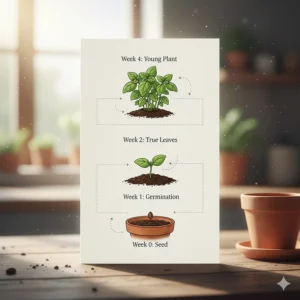
The learning curve is gentle. You start with proven varieties, follow clear instructions, and see results within 7-14 days. That early success builds confidence for more ambitious gardening projects. Multiple customers mentioned their herb kit experience led to full vegetable gardens the following year.
🍃 Health and Wellness Advantages
Beyond the obvious nutritional benefits, growing herbs offers measurable mental health improvements. Studies referenced by UC Agriculture and Natural Resources show that tending indoor plants reduces stress hormones, improves mood, and enhances overall well-being. The act of nurturing living plants provides a meditative, grounding experience that screens simply can’t replicate.
Fresh herbs also pack more vitamins and antioxidants than dried alternatives. Oregano, for instance, contains powerful antimicrobial compounds that degrade over time. Growing your own ensures maximum potency for both culinary and potential medicinal uses.
Choosing the Right Herb Garden Seed Kit
Consider Your Available Light
Herbs are sun worshippers. Most varieties need 6-8 hours of direct sunlight daily for optimal growth. Assess your space honestly. South-facing windows in the Northern Hemisphere provide the most light. East or west windows work but may require supplemental grow lights during winter months.
Low-light options exist. Mint, parsley, and chives tolerate partial shade better than basil or rosemary. Some 10 herb variety pack options include shade-tolerant selections specifically for challenging light situations.
Match Herbs to Your Cooking Style
This seems obvious, but I’ve seen too many people grow herbs they never use. If you cook Italian food weekly, prioritize an Italian herb garden seeds collection with basil, oregano, and rosemary. Asian cuisine enthusiasts should seek Thai basil, cilantro, and mint. Mexican food lovers need cilantro, oregano, and epazote.
Review your most-cooked recipes from the past month. Which fresh herbs appear repeatedly? Those should dominate your kit selection. Versatility matters too—parsley, basil, and thyme complement dozens of cuisines.
Evaluate Kit Completeness
Decide whether you want seeds only or a complete indoor herb starter kit. Seeds-only options cost less but require you to source pots, soil, and other supplies separately. Complete kits cost more upfront but eliminate decision fatigue and ensure component compatibility.
First-time gardeners benefit enormously from complete kits. The included supplies are tested to work together, reducing variables that could cause failure. Experienced gardeners might prefer seeds-only for more control over growing media and container selection.
Check Seed Quality and Certifications
Not all seeds are created equal. Look for these markers of quality:
- Heirloom varieties: True-breeding plants that maintain characteristics across generations
- Non-GMO certification: Ensures genetic integrity
- Organic certification: Guarantees seeds from organically-managed plants
- Germination testing: Reputable companies test seed viability before packaging
- Current-season freshness: Seeds degrade over time; fresh stock performs better
High germination rates (85%+) separate quality kits from cheap alternatives. Customer reviews often reveal actual germination performance versus marketing claims.
Assess Long-Term Value
Calculate cost per variety and total seed count. A $30 kit with fifteen varieties and 5,000+ seeds offers better value than a $25 kit with five varieties and 500 seeds. Consider replanting potential too—kits with abundant seeds let you succession plant for continuous harvests.
Some culinary herb seeds collection packages include enough seeds to share with friends or use across multiple growing seasons. That social or temporal value adds to the overall worth.
Setting Up Your Herb Garden
Selecting the Perfect Location
Your herb garden’s success hinges on location. Survey your home for spots that receive maximum natural light. South-facing windows in Northern Hemisphere locations get the most sun exposure throughout the day. East windows catch gentle morning light, while west windows deliver intense afternoon rays.
Don’t forget about temperature stability. Herbs prefer consistent warmth between 65-75°F. Avoid locations near heating vents, air conditioning units, or frequently opened exterior doors. Cold drafts can shock tender seedlings, while excessive heat causes stress and bolting.
Kitchen placement offers practical advantages beyond convenience. The ambient humidity from cooking benefits many herbs, particularly moisture-lovers like basil and mint. The constant traffic also encourages regular checking and harvesting—out of sight often means out of mind for busy home cooks.
Proper Container Selection
Container choice impacts drainage, root development, and overall plant health. Most kitchen herb garden seeds thrive in 4-6 inch diameter pots initially, with 6-8 inch pots needed as plants mature. Drainage holes are absolutely essential—waterlogged soil kills more herbs than any other single factor.
Material matters more than you might think. Terracotta breathes beautifully but dries out quickly, requiring more frequent watering. Plastic retains moisture better but can overheat in direct sun. Glazed ceramic offers a middle ground with better moisture retention than terracotta and more breathability than plastic.
For windowsill herb garden setups, consider self-watering containers or pots with attached drip trays. These prevent water damage to window sills while maintaining consistent soil moisture. Just ensure the pot never sits directly in standing water, which promotes root rot.
Soil and Growing Medium
Quality potting mix makes or breaks your herb garden. Never use garden soil for containers—it compacts too densely, restricting oxygen flow to roots. Look for lightweight, well-draining potting mixes formulated specifically for containers.
The ideal mix contains peat moss or coconut coir for moisture retention, perlite or vermiculite for drainage, and compost for nutrients. Some gardeners prefer making custom blends: one-third peat or coir, one-third compost, and one-third perlite creates an excellent growing medium.
pH levels matter, though most herbs tolerate a range. The 6.0-7.0 pH sweet spot suits most culinary varieties. If you’re using hard tap water, consider testing pH periodically—mineral buildup can shift soil acidity over time.
Watering Wisdom
Overwatering kills more indoor herbs than all other problems combined. The soil should dry slightly between waterings—stick your finger an inch deep to test moisture. If it feels damp, wait another day or two. Different herbs have varying water needs: basil drinks heavily, while rosemary and thyme prefer drier conditions.
Water in the morning when possible. This timing gives leaves time to dry before nightfall, reducing fungal disease risks. Room-temperature water prevents temperature shock to roots. Cold tap water can stress plants, particularly during winter months.
Bottom watering prevents fungal issues and ensures even moisture distribution. Place pots in a shallow tray of water, allowing soil to absorb moisture through drainage holes. Remove after 30 minutes to prevent oversaturation. This method works brilliantly for multiple containers simultaneously.
Fertilization Fundamentals
Container-grown herbs need regular feeding since nutrients leach out with watering. Start fertilizing 2-3 weeks after germination when true leaves appear. Balanced liquid fertilizers (10-10-10 NPK ratio) work well for most herbs, though some gardeners prefer fish emulsion or compost tea for organic options.
Feed every 2-3 weeks during active growth, cutting back to monthly in winter when growth slows. Always apply fertilizer to damp soil—never bone-dry—to prevent root burn. Dilute liquid fertilizers to half-strength for herbs; full-strength formulas can damage delicate roots.
Heavy feeders like basil appreciate more frequent fertilization, while Mediterranean herbs (oregano, thyme, rosemary) prefer leaner conditions. Overfertilized herbs grow lushly but often sacrifice flavor intensity. When in doubt, less is more.
Common Herb Varieties in Seed Kits
Basil: The Kitchen Superstar
Genovese basil dominates most culinary herb seeds collection options, and for good reason. This variety produces large, tender leaves perfect for pesto, Caprese salads, and Italian dishes. The flavor is intensely aromatic, balancing sweet and peppery notes that dried basil can’t touch.
Sweet basil offers a milder alternative, while Thai basil brings anise-like complexity to Asian cuisine. Purple basil makes stunning garnishes and adds visual interest to any windowsill herb garden. Lemon basil provides citrus notes without the acidity.
Basil demands warmth and consistent moisture. It’s also the most frost-sensitive common herb, making indoor growing ideal year-round. Pinch back flower buds to extend leaf production—once flowering begins, leaf production drops and flavor becomes bitter.
Cilantro: Love It or Leave It
Cilantro polarizes cooks, but fresh cilantro from your own indoor herb starter kit might convert skeptics. The soap-like flavor some people detect in store-bought cilantro often results from aldehydes that develop as the herb ages. Freshly harvested cilantro tastes bright, citrusy, and complex.
This herb bolts (goes to seed) quickly, especially in warm conditions. Succession planting every 2-3 weeks ensures continuous harvests. Once it bolts, you get coriander seeds—a bonus spice with entirely different flavor characteristics.
Cilantro prefers cooler temperatures than most herbs, making it ideal for fall and winter indoor growing. It also tolerates less light than basil, succeeding in east or west windows. The deep taproot appreciates deeper containers than shallow-rooted herbs.
Parsley: The Unsung Hero
Often relegated to garnish status, fresh parsley deserves better. Italian flat-leaf parsley offers bold, grassy flavor that brightens everything from chimichurri to tabbouleh. Curly parsley provides texture and visual appeal while contributing its own subtle taste.
Parsley is biennial, meaning it grows leaves the first year and flowers the second. For culinary purposes, treat it as an annual, replanting yearly for best leaf production. The slow germination (14-21 days) tests patience, but soaking seeds overnight accelerates sprouting.
This herb tolerates partial shade better than most, making it suitable for lower-light locations. The deep roots appreciate containers at least 8 inches deep. Regular harvesting from the outside of the plant encourages bushier growth and prevents flowering.
Thyme: The Hardy Workhorse
English thyme appears in virtually every 10 herb variety pack for its versatility and ease of cultivation. This Mediterranean native tolerates neglect better than fussier herbs, actually preferring slightly dry conditions to constant moisture. The tiny leaves pack concentrated flavor that elevates roasted meats, soups, and vegetables.
Lemon thyme adds citrus brightness, while creeping thyme works beautifully in hanging containers where its trailing habit shows off. French thyme offers a more delicate flavor profile suitable for seafood dishes.
Thyme’s woody nature means it starts slowly from seed but becomes increasingly productive over time. Established plants can last for years with proper care. Avoid overwatering—thyme rot occurs frequently when soil stays too wet. The low-water needs make it perfect for forgetful gardeners.
Oregano: Mediterranean Magic
Italian oregano delivers that classic pizza-and-pasta flavor most people recognize. Greek oregano offers more intense, almost peppery notes. Mexican oregano, despite the name, isn’t actually a true oregano but provides essential flavor for authentic Mexican and Southwestern dishes.
Fresh oregano tastes dramatically different from dried—brighter, more complex, less dusty. The flavor intensifies when dried, so use fresh oregano more liberally than dried in recipes. It’s also one of the few herbs whose flavor actually improves with cooking.
Like thyme, oregano prefers drier conditions and tolerates drought well. It spreads enthusiastically given space, making regular harvesting essential for container management. The plant becomes woody over time; many gardeners replace it every 2-3 years for optimal leaf production.
Troubleshooting Common Problems
Leggy, Weak Growth
Stretched, spindly stems with sparse leaves indicate insufficient light. Herbs reaching desperately toward windows are screaming for more sun. Move containers to brighter locations or invest in supplemental grow lights. Full-spectrum LED grow lights positioned 6-12 inches above plants for 12-14 hours daily work wonders.
Temperature also plays a role. Excessively warm conditions coupled with low light produce the worst legginess. Aim for that 65-75°F sweet spot with bright, direct light for compact, bushy growth.
Yellowing Leaves
Yellow leaves signal various issues. Lower leaves yellowing while new growth stays green typically means nitrogen deficiency—time to fertilize. Yellowing throughout the plant suggests overwatering; check soil moisture and adjust watering frequency. If new growth yellows while old leaves stay green, suspect iron deficiency caused by alkaline pH.
Drainage problems often masquerade as nutrient issues. Ensure pots drain freely and never sit in standing water. Root rot from chronically waterlogged soil causes yellowing that no amount of fertilizer will fix.
Pest Infestations
Aphids, spider mites, and whiteflies occasionally attack indoor herbs. Catching infestations early makes control much easier. Inspect plants weekly, checking leaf undersides where pests often hide.
For minor infestations, blast plants with water from the sink sprayer to dislodge pests. Insecticidal soap sprays work well for stubborn problems without leaving harmful residues on edible herbs. Neem oil provides both pest control and fungal disease prevention.
Prevention beats treatment. Strong, healthy plants resist pests better than stressed ones. Proper watering, adequate light, and regular fertilization create robust herbs that shrug off minor pest pressure.
Fungal Issues
Powdery mildew appears as white, dusty coating on leaves. Poor air circulation and high humidity create ideal conditions. Increase spacing between pots, ensure good ventilation, and avoid overhead watering. Watering in the morning gives leaves time to dry before nightfall.
Root rot develops in waterlogged soil, causing wilting despite wet conditions. Prevention is crucial—once established, root rot rarely reverses. Use well-draining soil, containers with adequate drainage, and appropriate watering practices.
Slow or No Germination
Old seeds lose viability over time. If germination rates are disappointing, seed age might be the culprit. Always check packaging dates and buy from reputable suppliers who test germination before selling.
Temperature affects germination significantly. Most herbs germinate best between 65-75°F. Some, like parsley and cilantro, prefer cooler conditions around 60-65°F. Heat mats can boost germination rates for warmth-loving varieties.
Planting depth matters—tiny seeds need light to germinate and should barely be covered, while larger seeds tolerate deeper planting. Follow packet instructions for optimal depth. Keeping soil consistently moist (not wet) until germination is also critical.
Harvesting and Using Your Herbs
Timing Your First Harvest
Patience pays off with herbs. Resist the temptation to harvest until plants are well-established with multiple sets of true leaves. For most herbs, wait until they’re 6-8 inches tall before taking your first cutting. This patience ensures the plant has enough foliage to continue photosynthesizing and growing.
The best time to harvest is mid-morning, after dew has evaporated but before afternoon heat intensifies oils. Herbs harvested during this window offer peak flavor and aroma. Avoid harvesting after plants have wilted from heat stress—wait for cooler evening hours or the next morning.
Never remove more than one-third of a plant at any single harvest. This guideline ensures adequate foliage remains for continued growth. Regular, moderate harvesting actually encourages bushier, more productive plants compared to leaving them untouched.
Proper Harvesting Techniques
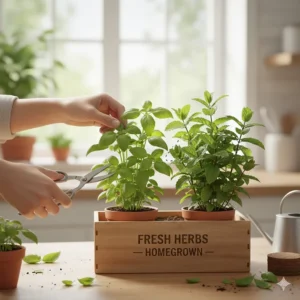
For leafy herbs like basil and mint, pinch just above a set of leaves to encourage branching. This technique results in two new stems where you removed one, essentially doubling your future harvest potential. Always use clean, sharp scissors or pruning shears to prevent crushing stems.
Woody herbs like rosemary and thyme require different handling. Snip individual stems rather than pinching soft growth. For established woody herbs, you can harvest more aggressively, taking 6-8 inch cuttings that you’ll use immediately or preserve.
Avoid harvesting from flowering plants when possible. Once herbs flower, leaf flavor often becomes bitter or diminished as the plant focuses energy on reproduction. Pinch off flower buds as they appear to extend the harvest season.
Storage and Preservation
Fresh herbs stay vibrant for 5-7 days when stored properly. Treat tender herbs like basil and cilantro like flowers—trim stems and place in a glass of water on the counter (basil) or in the refrigerator (cilantro). Cover loosely with a plastic bag to maintain humidity.
Hardy herbs like thyme, rosemary, and sage store better wrapped loosely in damp paper towels, then placed in a plastic bag in the refrigerator’s crisper drawer. This method maintains moisture without causing rot.
For long-term preservation, drying works brilliantly for Mediterranean herbs but poorly for tender varieties like basil and cilantro. Bundle stems and hang upside down in a dark, well-ventilated area. Once crispy-dry, strip leaves from stems and store in airtight containers.
Freezing preserves basil, cilantro, and parsley better than drying. Chop herbs and mix with small amounts of olive oil, then freeze in ice cube trays. Pop frozen cubes directly into cooking dishes for instant fresh flavor.
Advanced Growing Techniques
Succession Planting for Continuous Harvests
The secret to never running out of fresh herbs is succession planting. Rather than sowing all seeds simultaneously, plant small batches every 2-3 weeks. This staggered approach ensures plants at various growth stages, providing consistent harvests.
This strategy works particularly well for fast-bolting herbs like cilantro and dill. By the time your first planting begins flowering, the second is reaching harvestable size, and the third is just sprouting. You’ll have fresh herbs year-round without overwhelming harvests or frustrating gaps.
Hydroponic Growing Systems
Many modern kitchen herb garden seeds thrive in hydroponic setups. Systems like AeroGarden eliminate soil entirely, using nutrient-enriched water to feed plants. Growth rates often double compared to traditional soil growing, and the mess factor drops to near zero.
The learning curve for hydroponics is steeper, but the convenience factor is enormous. No repotting, minimal pest issues, and automated watering and feeding make these systems ideal for busy professionals. The main drawback is upfront cost and ongoing nutrient solution expenses.
Companion Planting in Containers
Some herbs benefit from growing together. Basil and oregano pair well, sharing similar water and light requirements while basil reportedly enhances oregano’s flavor. Rosemary and thyme make excellent companions, both preferring drier conditions than most herbs.
Avoid pairing herbs with vastly different water needs. Putting moisture-loving basil with drought-tolerant rosemary creates management headaches—one is always too wet or too dry. Group herbs by cultural requirements for easiest care.
Overwintering Outdoor Herbs
If you’ve been growing herbs outdoors and want to continue harvests through winter, bring containers inside before first frost. The transition requires acclimatization—gradually reduce outdoor exposure over 7-10 days to prevent shock.
Expect some leaf drop and slower growth as plants adjust to lower indoor light levels. Reduce watering frequency as growth slows. Most Mediterranean herbs enter semi-dormancy indoors during winter, needing minimal care until spring light returns.
Frequently Asked Questions
❓ How long does it take for herb garden seed kit plants to grow?
❓ Can I grow herbs year-round indoors with a seed kit?
❓ What's the difference between Italian herb garden seeds and regular herb seeds?
❓ How many herbs can I grow in a small apartment windowsill herb garden?
❓ Are organic herb seeds from a culinary herb seeds collection worth the premium price?
Conclusion
Starting your journey with a herb garden seed kit transforms your relationship with cooking and connects you to the ancient tradition of growing your own food. Whether you choose a comprehensive 10 herb variety pack for maximum diversity or a focused Italian herb garden seeds collection for specialized cuisine, the investment in fresh herbs pays dividends far beyond the initial cost.
The seven kits reviewed here represent the best options available in 2026, each excelling in different areas. PLANTMEW delivers unbeatable value for variety seekers, while Garden Republic provides the ultimate beginner experience with comprehensive support. Sweet Yards satisfies organic purists, and Sow Right Seeds nails the Italian cuisine niche.
My personal recommendation for first-time growers is the HOME GROWN Indoor Herb Garden Starter Kit. The complete setup removes decision paralysis, the included tools ensure success, and the five varieties cover 80% of common cooking needs. Once you’ve proven your green thumb and developed confidence, expanding to larger collections like the HOME GROWN 15 Herb Vault makes perfect sense.
The windowsill herb garden lifestyle isn’t just about saving money on grocery store herbs, though that $40-$50 monthly savings certainly sweetens the deal. It’s about walking four steps to your window at dinner time and snipping fresh basil that was photosynthesizing sunlight just minutes before hitting your plate. It’s about the satisfaction of nurturing living plants and the connection to natural cycles that modern life too often severs.
Your kitchen herb garden seeds are waiting. The only question is which collection speaks to your culinary dreams and growing situation. Start with one kit, master the basics, and watch your confidence—and your herb collection—flourish.
Recommended for You
- 7 Best Basil Seeds for Planting 2026
- 7 Best Vegetable Seeds for Beginners That Actually Grow in 2026
- 7 Best Cucumber Seeds 2026: Disease-Resistant & High-Yield Picks
Disclaimer: This article contains affiliate links. If you purchase products through these links, we may earn a small commission at no additional cost to you.
✨ Found this helpful? Share it with your friends! 💬🤗
