
In This Article
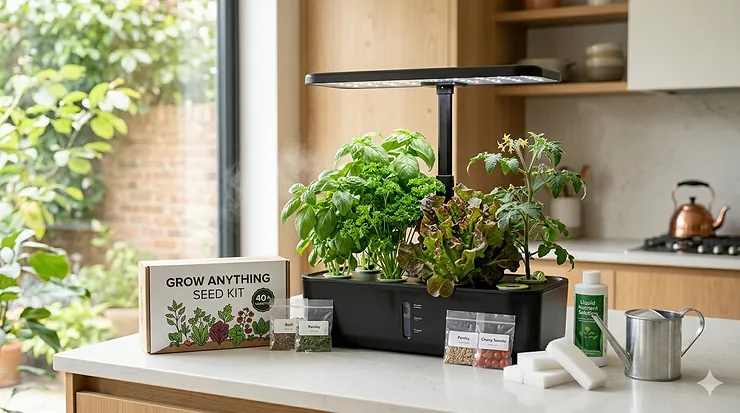
Picture this: it’s the middle of winter, snow’s piling up outside, yet you’re harvesting fresh basil, juicy tomatoes, and crisp lettuce right from your kitchen counter. Sounds like a dream, right? That’s exactly what a grow anything seed kit makes possible.
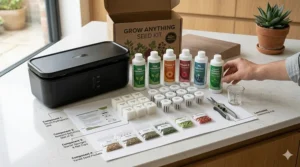
Unlike pre-seeded pods that limit you to specific varieties, a grow anything seed kit gives you complete creative freedom. You’re not stuck with someone else’s herb selection or predetermined vegetable mix. Want to grow exotic Thai basil? Go for it. Craving homegrown ghost peppers? Plant away. These versatile kits provide all the essential components—grow sponges, baskets, domes, and nutrients—while letting you choose exactly which seeds to cultivate.
According to research from the National Institutes of Health, hydroponic systems eliminate the need for soil and significantly reduce water usage by providing nutrients straight to plant roots. The beauty of grow anything seed kits is that they democratize this technology, making it accessible whether you’re living in a tiny apartment or running a full-scale indoor garden operation. Plus, you can experiment with heirloom varieties, save money using bulk seeds from your local garden center, and even transplant seedlings outdoors when spring arrives.
What makes these kits genuinely game-changing is their compatibility with popular hydroponic systems like AeroGarden, iDOO, and other brands. You get professional-grade growing equipment at a fraction of the cost of continuously buying pre-seeded pods.
Quick Comparison Table: Top Grow Anything Seed Kits
| Product | Pod Count | Key Features | Price Range | Best For |
|---|---|---|---|---|
| AeroGarden 50-Pod Kit | 50 | Official brand, nutrients included | $35-45 | Long-term growers |
| GARDENCUBE 166pcs Kit | 50 sponges | A&B plant food, complete set | $25-35 | Maximum value |
| Haligo 128pcs Kit | 50 sponges | Nutrient refills, measuring cup | $20-30 | Budget-conscious |
| AeroGarden 9-Pod Kit | 9 | Premium quality, beginner-friendly | $15-20 | Starter gardens |
| Tigvio 66pcs Kit | 15 sponges | Universal fit, tweezer included | $12-18 | Small systems |
| PACETAP 50-Pack Sponges | 50 sponges only | Pure Canadian peat, bulk option | $10-15 | Refill needs |
| AeroGarden 6-Pod Kit | 6 | Compact, official accessories | $12-16 | Tiny spaces |
💬 Just one click – help others make better buying decisions too!😊
Top 7 Grow Anything Seed Kits: Expert Analysis
1. AeroGarden Grow Anything Seed Pod Kit (50-pod)
When you’re serious about indoor gardening and plan to cycle through multiple harvests, the AeroGarden 50-Pod Kit is your heavyweight champion. This isn’t just about quantity—it’s about getting official AeroGarden quality that’s been tested and perfected over years of commercial production.
Key Specifications:
- 50 biodegradable grow sponges made from pure Canadian Sphagnum Peat
- 50 grow baskets, domes, and pod labels
- 3 oz bottle of patented liquid nutrients
- Comprehensive growing guide included
Each sponge is pre-sized to fit perfectly in AeroGarden systems, eliminating the guesswork that comes with DIY solutions. The biodegradable peat sponges provide the ideal balance of oxygen and water retention, which is crucial for reliable germination rates. Customer feedback consistently praises the germination success rate, with most seeds sprouting within 7-14 days.
✅ Pros:
- Official AeroGarden quality ensures perfect compatibility
- Bulk quantity reduces per-pod cost significantly
- Includes everything needed for complete growing cycle
❌ Cons:
- Higher upfront investment than smaller kits
- Nutrients may run out before using all 50 pods
Price Range: $35-45 | Target User: Dedicated indoor gardeners planning year-round cultivation
2. GARDENCUBE 166pcs Hydroponic Pods Kit
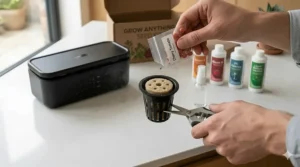
The GARDENCUBE 166pcs Kit is what happens when a manufacturer actually listens to what growers need. Instead of forcing you to buy nutrients separately, they’ve included dual-component A&B plant food that supports healthy root development and robust foliage growth throughout the entire plant lifecycle.
Key Specifications:
- 50 premium peat grow sponges with light-blocking capability
- 50 grow baskets, 50 grow domes, 50 pod labels
- A&B plant food formula for complete nutrition
- Compatible with AeroGarden, iDOO, and most hydroponic systems
What sets this kit apart is the attention to detail. The grow sponges are specifically designed with superior water absorption and pH-balanced properties that lock in nutrients and accelerate germination. The baskets and domes are made from durable, washable plastic that can be reused across multiple growing seasons, making this an environmentally conscious choice.
Customer reviews highlight how the dual-component nutrients eliminate the guessing game of fertilization. You’re not mixing random ratios or hoping your plants get enough nutrition—the formula is scientifically balanced for optimal hydroponic growth.
✅ Pros:
- Complete all-in-one solution with professional nutrients
- Excellent value with 166 total pieces
- High-quality reusable components
❌ Cons:
- Slightly bulkier packaging than minimalist kits
- Round pods only (not compatible with square systems)
Price Range: $25-35 | Target User: Growers seeking maximum value and complete nutrition
3. Haligo 128pcs Seed Pod Kit for Aerogarden
If you’re looking for a kit that gives you extended growing capacity without breaking the bank, the Haligo 128pcs Kit deserves serious consideration. This kit strikes a sweet spot between affordability and comprehensive accessories.
Key Specifications:
- 50 compressed peat grow sponges
- A&B plant food with 2 refill packs (600ml total)
- 12 grow baskets, 24 grow domes, 50 PVC pod labels
- 1-liter measuring cup and tweezer included
The standout feature here is the inclusion of nutrient refills and a measuring cup—practical additions that show the manufacturer understands the actual growing process. The compressed peat sponges expand when soaked, creating the perfect moisture-retaining environment that seeds love. The PVC labels are sticky enough to stay put but won’t leave residue on your equipment.
Customers particularly appreciate how the kit covers you for multiple planting cycles without needing to reorder nutrients immediately. The tweezer is surprisingly useful for precise seed placement at the bottom of sponges, preventing seeds from washing away during initial watering.
✅ Pros:
- Generous nutrient supply with refills included
- Measuring cup eliminates guesswork
- Excellent price-to-value ratio
❌ Cons:
- Fewer grow baskets than sponges (you’ll need extras eventually)
- Domes could be slightly more durable
Price Range: $20-30 | Target User: Budget-conscious growers wanting extended supplies
4. AeroGarden Grow Anything Seed Pod Kit (9-pod)
Sometimes you don’t need a massive operation—you just want to grow a modest selection of fresh herbs or a few vegetables. That’s where the AeroGarden 9-Pod Kit shines. It’s the Goldilocks option: not too big, not too small, just right for many home growers.
Key Specifications:
- 9 biodegradable grow sponges (Canadian Sphagnum Peat)
- 9 grow baskets, 9 grow domes, 9 pod labels
- 3 oz patented liquid plant food
- Step-by-step growing guide
This kit is perfect for the AeroGarden Harvest or similar mid-sized systems. You get genuine AeroGarden quality without committing to a huge quantity. The included growing guide is particularly helpful for beginners, walking you through seed selection, planting depth, and transplanting techniques. According to Britannica’s hydroponics guide, proper nutrient management and pH balance are critical for success—and AeroGarden’s patented nutrients handle this automatically.
What customers love most is the flexibility to experiment with different plant varieties without waste. If you’re trying a new seed type, you’re not gambling with 50 pods—just nine.
✅ Pros:
- Perfect quantity for standard home systems
- Official AeroGarden reliability
- Great for testing new seed varieties
❌ Cons:
- Higher per-pod cost than bulk options
- May need to reorder more frequently
Price Range: $15-20 | Target User: Beginner to intermediate growers with mid-sized systems
5. Tigvio 66pcs Hydroponic Seed Pod Kit
The Tigvio 66pcs Kit is designed with universal compatibility in mind. Whether you’re running an AeroGarden, Click & Grow, iDOO, or another brand entirely, this kit adapts seamlessly to your setup.
Key Specifications:
- 15 premium grow sponges with optimal moisture retention
- 15 grow baskets, 15 grow domes, 20 pod labels
- Precision tweezer for seed placement
- Compatible with all major hydroponic brands
The real advantage here is the versatility. The sponges are sized to work with various basket dimensions, and the baskets themselves feature a universal design that fits most hydroponic systems. The included tweezer might seem like a small addition, but anyone who’s struggled to position tiny seeds precisely will appreciate this thoughtful touch.
Customer feedback emphasizes how well these components integrate with non-AeroGarden systems, filling a gap in the market for generic yet high-quality replacement pods. The grow sponges are made from eco-friendly, biodegradable materials that provide excellent aeration and water distribution to developing roots.
✅ Pros:
- Truly universal fit across brands
- Precision tweezer improves planting accuracy
- Compact size perfect for small-scale growers
❌ Cons:
- Smaller quantity requires more frequent reordering
- No nutrients included
Price Range: $12-18 | Target User: Multi-brand system owners needing versatile accessories
6. PACETAP 50 Pack Grow Sponges
Sometimes you don’t need the whole kit—you just need high-quality grow sponges in bulk. The PACETAP 50-Pack is your answer. These are pure, no-frills sponges that excel at the one thing that matters most: germinating seeds reliably.
Key Specifications:
- 50 premium sponges made from pure Canadian peat
- Pre-sized hole design prevents seed loss
- Dimensions: 1.97″H x 0.59″D when soaked
- Compatible with most hydroponic systems
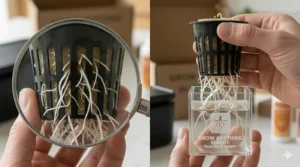
What makes these sponges special is their nutritious growing medium. Unlike traditional soil that can harbor pests and bacteria, these peat sponges create a clean, healthy environment for root development. The small hole at the end ensures your precious seeds stay put instead of floating away during watering—a common frustration with homemade alternatives.
Customers who’ve tried various brands consistently rank PACETAP sponges among the best for germination rates. They’re suitable for everything from tiny herb seeds to larger vegetable seeds, and they work equally well in seedling trays, potted plants, or full hydroponic systems.
✅ Pros:
- Excellent germination performance
- Bulk pricing reduces per-unit cost
- Clean, pest-free growing medium
❌ Cons:
- Sponges only (baskets and domes sold separately)
- Need to source your own nutrients
Price Range: $10-15 | Target User: Experienced growers who already have baskets and equipment
7. AeroGarden Grow Anything Seed Pod Kit (6-pod)
For apartment dwellers, dorm residents, or anyone working with seriously limited counter space, the AeroGarden 6-Pod Kit is your compact solution. Don’t let the small size fool you—this kit packs everything you need to start growing immediately.
Key Specifications:
- 6 biodegradable grow sponges (Canadian Sphagnum Peat)
- 6 grow baskets, 6 grow domes, 6 pod labels
- 3 oz bottle of liquid nutrients
- Growing guide with step-by-step instructions
This kit is specifically designed for the AeroGarden Sprout and other compact 6-pod systems. It’s perfect for growing a small herb garden on a windowsill or countertop without taking over your entire kitchen. The official AeroGarden components ensure you get the same germination rates and growing success as larger kits, just scaled down.
What customers appreciate most is how this kit lowers the barrier to entry for indoor gardening. You’re not investing in a huge system or committing to dozens of pods—it’s a manageable size that lets you test the waters and see if hydroponic growing is right for you.
✅ Pros:
- Perfect for ultra-compact spaces
- Lowest initial investment for AeroGarden quality
- Ideal for beginners testing indoor gardening
❌ Cons:
- Highest per-pod cost
- Limited capacity for variety
Price Range: $12-16 | Target User: Space-limited growers and absolute beginners
Understanding Grow Anything Seed Kits: What Makes Them Different?
You might be wondering what exactly distinguishes a grow anything seed kit from regular pre-seeded pods or traditional gardening supplies. The answer lies in the hybrid approach these kits take, combining professional hydroponic equipment with personal seed selection freedom.
The Core Components Explained
Every quality grow anything seed kit includes several essential elements. First, you’ll find grow sponges—typically made from compressed peat moss, coco coir, or similar biodegradable materials. These sponges serve as the growing medium, replacing soil while providing optimal moisture retention and oxygen flow to developing roots. According to Wikipedia’s comprehensive hydroponics entry, proper growing media can dramatically impact germination success, as it needs to balance water retention with adequate aeration.
Next come the grow baskets, which hold the sponges and allow roots to extend downward into the nutrient solution. These are typically made from durable plastic with a mesh or perforated design. The grow domes create a mini greenhouse effect during germination, maintaining humidity and temperature while protecting vulnerable seedlings. Finally, pod labels help you track what you’ve planted where—crucial when you’re experimenting with multiple varieties.
Why Choose DIY Seed Pods Over Pre-Seeded Options?
Pre-seeded pods are undeniably convenient. Pop them in, add water, and wait for growth. But convenience comes at a cost—both financially and creatively. Pre-seeded pods typically cost $2-4 each, while custom seed pod kit components can bring your per-pod cost down to $0.50-1.00 when using your own seeds. That’s substantial savings, especially if you’re maintaining a year-round garden.
Beyond economics, there’s the variety factor. Commercial pod manufacturers offer perhaps 30-50 different varieties. Sounds like a lot until you realize there are thousands of heirloom tomato varieties alone. Want to grow rare medicinal herbs? Exotic peppers? Regional vegetables from your heritage? With empty grow pods with seeds of your choosing, the options are limitless.
How to Choose the Right Grow Anything Seed Kit for Your Needs
Consider Your System Compatibility
Not all grow anything seed kits work with every hydroponic system. Before purchasing, verify the dimensions of your system’s pod slots. AeroGarden systems use round pods approximately 1.73 inches in diameter, while some systems like certain iDOO models use square pods. Buying incompatible components is frustrating and wasteful, so measure twice, order once.
If you own multiple systems or plan to expand, universal grow sponges offer the most flexibility. These adaptable designs work across various brands and configurations, giving you freedom to experiment without maintaining separate inventories for each system.
Evaluate Your Growing Frequency
How often do you plan to plant new seeds? If you’re cycling through multiple harvests annually, bulk kits with 50+ pods make economic sense. The upfront cost is higher, but the per-pod price drops significantly. For occasional growers who plant seasonally or maintain just a few herbs year-round, smaller 6-12 pod kits prevent waste and reduce storage requirements.
Nutrient Inclusion Matters
Some kits include complete nutrient solutions, while others provide only the physical components. If you’re new to hydroponics, kits with included nutrients simplify the learning curve. You’re not researching NPK ratios or mixing custom solutions—just follow the included instructions. Experienced growers who already have preferred nutrient brands might prioritize kits that exclude nutrients, avoiding duplication and reducing costs.
According to research published by the U.S. National Park Service, proper nutrient balance is critical for hydroponic success, affecting everything from growth rates to flavor profiles. Starting with proven nutrient formulas increases your chances of first-time success.
Budget Considerations
Grow anything seed kits range from $10 for basic sponge packs to $40+ for comprehensive sets with nutrients, tools, and extensive accessories. Define your budget, but remember that cheap isn’t always economical. Low-quality sponges with poor germination rates waste both money and time. Mid-range kits from established brands typically offer the best value—proven quality without luxury pricing.
Step-by-Step Guide: Using Your Grow Anything Seed Kit
Preparation Phase
Start by gathering everything you’ll need: your grow anything seed kit components, chosen seeds, lukewarm water, and your hydroponic system. Ensure your system is clean—residual bacteria or algae from previous grows can compromise germination. A quick rinse with diluted hydrogen peroxide solution, followed by thorough rinsing, creates a sterile environment.
Read your seed packets carefully. Different seeds have varying requirements for planting depth, spacing, and germination time. Tomatoes might sprout in 5-7 days while peppers can take 14-21 days. Setting realistic expectations prevents premature troubleshooting.
Sponge Preparation and Seed Placement
Soak your grow sponges in water for 5-10 minutes until they fully expand. Most compressed peat sponges double or triple in size when hydrated. Gently squeeze out excess water—the sponge should be moist but not dripping wet.
Create a small indentation in the center of each sponge, about 1/4 to 1/2 inch deep depending on seed size. Use a tweezer or toothpick to carefully place 2-3 seeds per sponge. Why multiple seeds? Insurance. Not every seed will germinate, and having backups ensures each pod produces a plant. Once seedlings emerge, you can thin to the strongest one.
Cover seeds lightly with sponge material—most seeds need darkness to germinate. The general rule is to plant seeds at a depth roughly equal to twice their diameter.
Installing Pods in Your System
Place each prepared sponge into a grow basket, ensuring it fits snugly without being compressed. Install the baskets into your hydroponic system’s pod openings. If using domes, place them over each basket to create humidity tents. Don’t remove domes until seedlings touch the top—this typically takes 7-14 days.
Apply your pod labels immediately. Trust me, you think you’ll remember what you planted where, but a week later with multiple varieties sprouting, it all looks the same. Clear labeling prevents mix-ups and helps you track performance across different seed types.
Nutrient Management
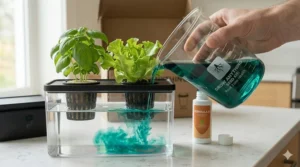
Fill your system’s reservoir with water according to manufacturer specifications. Add nutrients following the kit’s instructions or your system’s recommended ratios. Most hydroponic systems require nutrient changes every 2-4 weeks, but monitor your reservoir regularly. As plants mature, they consume more water and nutrients, requiring more frequent attention.
Maximizing Success with Your Customizable Hydroponic Pods
Seed Selection Strategies
Not all seeds thrive equally in hydroponic environments. Leafy greens like lettuce, spinach, and kale are beginner-friendly choices with quick germination and rapid growth cycles. Herbs such as basil, cilantro, and parsley flourish in make your own AeroGarden pods, producing continuous harvests for months.
For vegetables, consider compact varieties bred for container growing. Cherry tomatoes outperform beefsteak varieties in limited spaces. Dwarf pepper varieties stay manageable while producing abundant harvests. Avoid plants with extensive root systems like carrots or those requiring large growing spaces like corn—these struggle in standard hydroponic pod systems.
Timing Your Plantings
Stagger your planting dates by 2-3 weeks to ensure continuous harvests rather than feast-or-famine production. If you plant six lettuce pods simultaneously, they’ll all mature within a few days of each other, creating more salad than you can consume. Spacing plantings creates a steady supply of fresh produce without waste.
Transplanting Opportunities
One underutilized benefit of grow anything seed kits is their excellent performance as seedling starters for outdoor gardens. Start seeds indoors during late winter, nurture them through the vulnerable germination phase, then transplant robust seedlings outdoors when weather permits. This extends your outdoor growing season and gives plants a head start over direct-sown seeds.
The biodegradable sponges can be transplanted directly into soil—no need to disturb roots by removing them. Simply dig a hole, insert the entire sponge-wrapped root ball, and cover. The sponge will decompose naturally while protecting roots during the transition.
Troubleshooting Common Issues with Universal Grow Sponges
Poor Germination Rates
If seeds aren’t sprouting, several factors might be responsible. Old or improperly stored seeds lose viability over time. Always check expiration dates and store unused seeds in cool, dry conditions. Temperature also affects germination—most seeds prefer temperatures between 65-75°F. If your growing area is too cold, consider using a seedling heat mat.
Planting depth matters more than many beginners realize. Seeds planted too deep struggle to reach light, while those planted too shallow may dry out. Follow the “twice the diameter” rule mentioned earlier.
Algae Growth on Sponges
Green algae forming on exposed grow sponges is common but manageable. Algae requires light to thrive, so ensure your pod labels fully cover the sponge surface, blocking light exposure. If algae appears, gently remove visible growth and improve light blocking. While unsightly, minor algae growth rarely harms plants directly, though it can compete for nutrients.
Leggy Seedlings
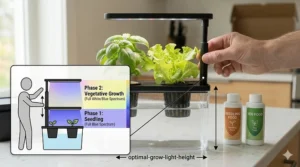
If seedlings grow tall and spindly with weak stems, they’re likely stretching toward insufficient light. Increase light intensity or duration. Most herbs and vegetables need 12-16 hours of bright light daily. If using an AeroGarden or similar system with built-in lighting, ensure bulbs aren’t expired—they lose effectiveness over time even if they still illuminate.
Root Problems
Brown, slimy, or foul-smelling roots indicate root rot, usually caused by insufficient oxygen in the nutrient solution. Ensure your system’s air pump functions correctly and maintains adequate water circulation. Water temperature also affects oxygen levels—warmer water holds less dissolved oxygen. Ideal reservoir temperatures range from 65-72°F.
Cost Analysis: DIY vs. Pre-Seeded Pods
Let’s run the numbers to understand the true economics of grow anything seed kits versus pre-packaged options.
Pre-Seeded Pod Economics
A typical 9-pod pre-seeded kit costs $20-30, averaging $2.22-3.33 per pod. If you’re maintaining a 9-pod system year-round with four planting cycles annually (assuming 12-week growth cycles), you’ll need 36 pods costing $80-120 annually. Over five years, that’s $400-600 in pod costs alone.
Grow Anything Kit Economics
A comprehensive grow anything seed kit with 50 pods costs approximately $25-35, averaging $0.50-0.70 per pod. Add $10-15 for heirloom seed packets (which contain 50-200 seeds depending on variety). Your initial investment covers the same 36 annual pods with pods left over for following years. Even factoring in nutrients ($15-20 annually), your total five-year cost drops to approximately $150-200—a savings of $250-400 compared to pre-seeded pods.
The savings multiply if you’re operating multiple systems or larger pod counts. A 50-pod system using pre-seeded pods costs $1,000-1,500 over five years, while custom seed pod kit equivalents cost $300-450.
Beyond Pure Economics
Cost analysis doesn’t capture everything. Pre-seeded pods offer convenience and consistency—valuable when you’re learning. They eliminate variables, letting you focus on system operation rather than seed selection. Custom seed pod kit approaches require more engagement but reward you with vastly expanded variety and deeper understanding of the growing process.
Advanced Techniques for Experienced Growers
Mixing Growing Media
While most kits provide peat-based sponges, experienced growers sometimes supplement or replace them with alternatives. Coconut coir offers similar water retention with improved sustainability—it’s a renewable resource versus peat’s slow renewal rate. Rock wool provides excellent structure and aeration, though it’s not biodegradable like peat or coir.
Some growers experiment with hybrid approaches, combining peat sponges with added perlite or vermiculite for customized drainage and aeration. These modifications work best once you understand baseline performance—start simple, then experiment.
Seed Saving and Propagation
Once you’ve successfully grown plants from your customizable hydroponic pods, consider saving seeds from your best performers. Heirloom varieties produce seeds that grow true to type, meaning saved seeds will replicate the parent plant’s characteristics. Hybrid varieties don’t breed true, but you can still experiment with their offspring.
Harvest seeds from fully mature fruits or flowers after plants complete their lifecycle. Dry seeds thoroughly in a warm, ventilated area before storing in airtight containers with silica gel packets to control moisture. Properly stored seeds remain viable for years, creating a perpetual supply of free planting material.
Companion Planting in Pods
While traditional companion planting focuses on soil ecosystems, some principles apply to hydroponics. Combining complementary plants in the same system can optimize growth and deter pests. For example, basil and tomatoes grow well together, with basil potentially improving tomato flavor. Mint can deter aphids but grows aggressively—give it its own pod to prevent overtaking neighbors.
Environmental Impact and Sustainability
Indoor hydroponic gardening using grow anything seed kits offers significant environmental advantages over both traditional agriculture and some commercial hydroponic operations.
Water Conservation
Traditional agriculture consumes approximately 70% of global freshwater resources, with significant water lost to evaporation, runoff, and deep soil infiltration. Hydroponic systems using universal grow sponges recirculate water continuously, reducing consumption by up to 90% compared to soil-based gardening. For context, producing one pound of lettuce requires 3.5-5 gallons of water conventionally, versus just 0.3-0.5 gallons hydroponically—a dramatic difference when multiplied across meals and years.
Reduced Transportation Emissions
The average grocery store produce item travels 1,500-2,500 miles from farm to consumer. Growing herbs, greens, and vegetables in your own home eliminates these transportation miles entirely, along with associated refrigeration and packaging waste. Your carbon footprint drops every time you harvest from your countertop instead of driving to the supermarket.
Pesticide-Free Production
Soil-borne pests and diseases necessitate pesticide use in conventional agriculture. According to environmental research, hydroponic systems eliminate many of these threats by removing soil from the equation. You’re growing food free from residual pesticides, herbicides, and fungicides—healthier for both you and the environment.
Biodegradable Materials
Quality grow sponges made from peat moss or coconut coir decompose naturally when discarded or transplanted into soil. Unlike plastic nursery pots or synthetic growing media, these materials return to the earth without creating persistent waste. When shopping for empty grow pods with seeds compatibility, prioritize kits using natural, biodegradable components.
FAQ: Everything You Need to Know About Grow Anything Seed Kits
❓ Can I reuse grow sponges after harvesting plants?
❓ How long do grow anything seed kit components last in storage?
❓ What's the difference between round and square pod systems?
❓ Can I start any type of seeds in these kits?
❓ How do I know when to add more nutrients to my system?
Conclusion: Transform Your Kitchen into a Year-Round Garden
Investing in a grow anything seed kit isn’t just about saving money on groceries—though you absolutely will. It’s about reclaiming control over what you eat, where it comes from, and how it’s grown. No more wondering about pesticide residues, transportation miles, or mystery growing conditions. Your herbs, vegetables, and fruits grow within arm’s reach, harvested at peak freshness minutes before consumption.
The kits reviewed in this guide span various budgets, capacities, and experience levels, but they all share one common trait: they empower you to grow exactly what you want, when you want it. Whether you choose the comprehensive GARDENCUBE 166pcs kit for maximum value, the official AeroGarden 50-pod option for proven quality, or the compact Tigvio set for universal compatibility, you’re taking the first step toward food independence.
Start small if you’re hesitant. A 6-9 pod kit with basic herbs teaches you the fundamentals while providing tangible rewards. As your confidence grows, expand into vegetables, experiment with exotic varieties, and push the boundaries of what indoor gardening can achieve. The beauty of these systems is their scalability—you can always add more pods, upgrade your lighting, or expand to multiple systems.
Remember, every head of store-bought lettuce costs $2-4 and has traveled thousands of miles. Every basil plant you buy at the grocery store wilts within days. Your grow anything seed kit transforms this dynamic, providing months of continuous harvests from a single planting. The initial investment pays for itself within a few growing cycles, then continues delivering value year after year.
✨ Don’t Miss These Exclusive Deals!
🔍 Take your indoor gardening to the next level with these carefully selected products. Click on any highlighted item to check current pricing and availability. These tools will help you create authentic harvests your family will love!
Recommended for You
- 7 Best Gourmet Herb Seed Pod Kit Reviews 2026 – Fresh Herbs Year-Round
- Best Universal Seed Pods 128 Pack: 7 Smart Picks (2026)
- 7 Best AeroGarden Seed Pods for Fresh Harvests 2026
Disclaimer: This article contains affiliate links. If you purchase products through these links, we may earn a small commission at no additional cost to you.
✨ Found this helpful? Share it with your friends! 💬🤗
