
In This Article
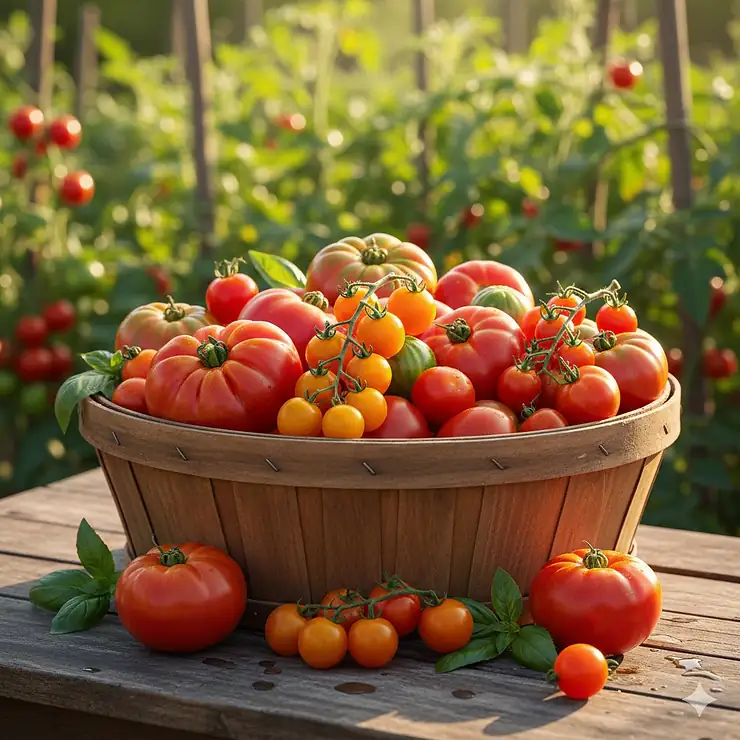
You know that feeling when you bite into a perfectly ripe, homegrown tomato? That burst of sweet-tart flavor that no store-bought variety can match? Well, hybrid tomato varieties take that experience and dial it up to eleven. These aren’t your grandmother’s heirloom seeds—though we love those too. hybrid tomato varieties represent decades of careful breeding to give you the best of both worlds: amazing flavor plus the disease resistance and reliability that makes growing them actually enjoyable.
Here’s the thing about hybrid tomato varieties: they’re specifically designed to make your gardening life easier. Whether you’re battling fusarium wilt in your soil, dealing with scorching summer heat, or just want tomatoes that produce like crazy from July through frost, there’s a hybrid variety engineered for your exact situation. I’ve spent years testing these varieties in my own garden, and I’m excited to share which ones actually live up to the hype. We’ll explore F1 hybrid tomato benefits, dive into blight resistant tomato varieties, and find high yield tomato seeds that’ll have your neighbors asking for your secret. Plus, we’ll cover the classics like Better Boy tomato seeds and Celebrity tomato seeds that have earned their legendary status.
Quick Comparison Table
| Variety | Type | Days to Maturity | Fruit Size | Disease Resistance | Best For | Price Range |
|---|---|---|---|---|---|---|
| Better Boy | Beefsteak | 70-75 days | 10-16 oz | VFN | All-around champion | $5-$12 |
| Celebrity | Slicer | 70-72 days | 7-8 oz | VFFNTASt | Beginners | $6-$13 |
| Big Beef | Beefsteak | 73-75 days | 10-12 oz | VFFNTASt | Flavor lovers | $8-$13 |
| Early Girl | Slicer | 50-62 days | 4-6 oz | VFF | Early harvest | $5-$11 |
| Sun Gold | Cherry | 57-65 days | 1 oz | FVTM | Sweet snacking | $6-$13 |
| Chef’s Choice Pink | Beefsteak | 75-80 days | 8-10 oz | Multiple | Gourmet cooking | $12-$18 |
| Suncherry Extra Sweet | Cherry | 60-65 days | 1 oz | FT | Container gardens | $8-$15 |
Disease Resistance Codes: V=Verticillium Wilt, F=Fusarium Wilt, N=Nematodes, T=Tobacco Mosaic Virus, A=Alternaria, S=Stemphylium
💬 Just one click – help others make better buying decisions too!😊
Top 7 hybrid tomato varieties: Expert Analysis
1. Burpee Better Boy Hybrid Tomato Seeds – The Gold Standard
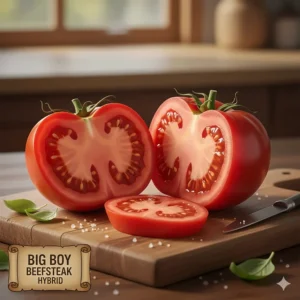
When people ask me which tomato to start with, I point them straight to Better Boy tomato seeds. This variety has dominated American gardens since its introduction for one simple reason: it just works. Holding a Guinness World Record for producing 342 pounds from a single plant, Better Boy is the workhorse you can count on.
Key Specifications:
- Indeterminate vines reaching 6-8 feet
- 70-75 days to maturity from transplant
- Disease resistant to VFN (Verticillium, Fusarium, Nematodes)
The fruits are gorgeous—smooth, bright red globes weighing 10-16 ounces with that perfect balance of sweetness and acidity. Customers consistently praise the “old-fashioned tomato flavor” and reliable production. One gardener noted their plants produced continuously until the first hard frost, filling dozens of jars for winter canning.
✅ Pros:
- Exceptional disease resistance
- Heavy, continuous yields
- Classic tomato flavor
❌ Cons:
- Needs sturdy staking
- Can crack in heavy rain
Price: $5-$12 for 30-100 seeds | Available on Amazon with consistent 4.5-star ratings
2. Burpee Celebrity Hybrid Tomato Seeds – The Award Winner
If Better Boy is the workhorse, Celebrity tomato seeds are the show pony that actually works hard too. This All-America Selections winner earned its accolades through superior disease resistance and adaptability. Celebrity is technically semi-determinate, meaning it grows to 3-4 feet but keeps producing all season—the best of both worlds.
Key Specifications:
- Semi-determinate growth habit
- 70-72 days to maturity
- Exceptional disease package: VFFNTASt
The 7-8 ounce fruits are crack-resistant and incredibly consistent. Home gardeners love that Celebrity performs well even under adverse conditions. Several reviews mention successful harvests during unusually hot or wet summers when other varieties struggled.
✅ Pros:
- Outstanding disease resistance
- Compact size for small gardens
- Reliable in varying climates
❌ Cons:
- Slightly smaller fruit than beefsteaks
- May need some support
Price: $6-$13 for 25-35 seeds | Amazon Prime available
3. Big Beef Hybrid Tomato Seeds – The Flavor Champion
Here’s where Big Beef separates itself from the pack: this 1994 AAS winner delivers heirloom-quality flavor in a disease-resistant package. When tomato enthusiasts talk about the “ultimate home-garden tomato,” they’re usually describing Big Beef. The 10-12 ounce fruits have that perfect meaty texture and full-bodied taste that makes you wonder why you ever bought grocery store tomatoes.
Key Specifications:
- Indeterminate vines to 6 feet
- 73-75 days to maturity
- Disease resistant: VFFNTASt
Customer feedback is overwhelmingly positive, with multiple reviewers noting they’ve grown Big Beef for 7+ years straight. The combination of early production and extended harvest makes it a favorite for both fresh eating and preserving.
✅ Pros:
- Superior flavor profile
- Excellent disease resistance
- Heavy yields over long season
❌ Cons:
- Requires tall cages or stakes
- Slightly longer maturity than some varieties
Price: $8-$13 for 25-50 seeds | Highly rated across multiple sellers
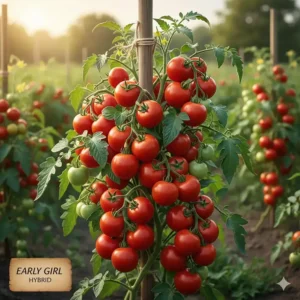
4. Burpee Early Girl Hybrid Tomato Seeds – The Speed Demon
When you’re craving that first tomato of summer, Early Girl delivers weeks before other varieties. Maturing in just 50-62 days from transplant, this indeterminate variety gives you an extended harvest starting in early summer. The 4-6 ounce fruits may be smaller than beefsteaks, but what they lack in size they make up for in quantity and flavor.
Key Specifications:
- Indeterminate growth to 6 feet
- 50-62 days—one of the earliest hybrids
- Disease resistant: VFF
Gardeners consistently report 100+ tomatoes per plant over the season. The fruits are perfect for slicing, and their blemish-free skin makes them gorgeous on the plate. Several reviews mention using Early Girl exclusively for fresh eating while saving larger varieties for canning.
✅ Pros:
- Exceptionally early harvest
- Prolific production
- Great disease resistance
❌ Cons:
- Smaller fruit size
- Can be prone to cracking at full maturity
Price: $5-$11 for 25-50 seeds | Multiple Amazon sellers available
5. Burpee Sun Gold Hybrid Cherry Tomato Seeds – The Candy of the Garden
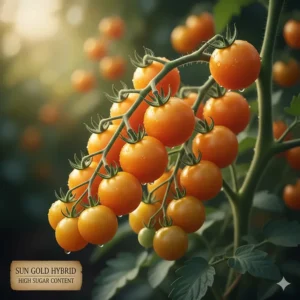
If you’ve ever wondered why Sun Gold appears in every fancy restaurant’s summer menu, one taste tells you everything. These golden-orange cherry tomatoes are addictively sweet with a perfect tangy-sweet balance. Measuring just 1/2 to 1 inch, they’re bite-sized flavor bombs that rarely make it from garden to kitchen—too tempting for snacking!
Key Specifications:
- Indeterminate vines to 5-6 feet
- 57-65 days to maturity
- Disease resistant: FVTM (Fusarium, Verticillium, Tobacco Mosaic)
Customers rave about the sugar content and tropical flavor notes. One reviewer mentioned their kids who normally avoid vegetables demolish entire clusters straight off the vine. The plants are incredibly productive, often yielding hundreds of fruits per season.
✅ Pros:
- Exceptional sweetness
- Heavy production in clusters
- Early maturity for cherry type
❌ Cons:
- Thin skins can split when fully ripe
- Vigorous vines need strong support
Price: $6-$13 for 30 seeds | Amazon’s Choice for cherry tomatoes
6. Chef’s Choice Pink F1 Hybrid Tomato Seeds – The Gourmet Option
For those seeking something beyond standard red tomatoes, Chef’s Choice Pink F1 brings sophisticated flavor to the hybrid world. This 2015 AAS Regional Winner produces stunning 8-10 ounce pink-fleshed beefsteaks with incredibly sweet, meaty flesh. It’s easier to grow than most beefsteaks while delivering that complex flavor profile usually reserved for finicky heirlooms.
Key Specifications:
- Indeterminate potato-leaf plant
- 75-80 days to maturity
- Disease resistant to multiple pathogens
The pink flesh has a silky texture and low acidity that appeals to those who find red tomatoes too sharp. Commercial reviews highlight the disease resistance that makes this gourmet tomato accessible to home gardeners. Plants are vigorous and healthy, yielding large harvests of uniform fruits.
✅ Pros:
- Unique pink color and sweet flavor
- Easier than typical beefsteaks
- Disease-resistant plants
❌ Cons:
- Slightly longer maturity period
- Higher seed cost per packet
Price: $12-$18 for approximately 25 seeds | Available from specialty seed companies on Amazon
7. Suncherry Extra Sweet Hybrid Tomato Seeds – The Container Star
Rounding out our list is Suncherry Extra Sweet, a Japanese breeding triumph that combines sweetness, disease resistance, and crack-resistance in a tidy package. With a remarkable 9-10 brix sugar content, these deep-red cherry tomatoes are among the sweetest available. The plants set fruit steadily throughout the season, making them ideal for containers or small gardens.
Key Specifications:
- Indeterminate vines, compact growth
- 60-65 days to maturity
- Resistant to Fusarium Wilt race 1 and TMV
Customers praise the crack-resistance and long harvest period. Unlike some cherry varieties that split at the first rain, Suncherry maintains its integrity. The bite-sized fruits are perfect for salads, snacking, or roasting.
✅ Pros:
- Extremely high sugar content
- Crack-resistant fruits
- Excellent for containers
❌ Cons:
- Smaller fruit size may not suit all uses
- Less widely available than other varieties
Price: $8-$15 for 1000+ seeds | Good value for bulk purchasing
✨ Don’t Miss These Exclusive Deals!
🔍 Take your garden to the next level with these carefully selected products. Click on any highlighted item to check current pricing and availability. These tools will help you create authentic harvests your family will love!
Understanding F1 Hybrid Tomato Benefits
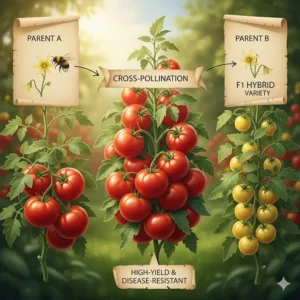
Let’s clear up some confusion: F1 hybrid tomato benefits aren’t marketing hype—they’re the result of sophisticated breeding that combines the best traits from two parent plants. The “F1” designation means “first filial generation,” the first-generation offspring from crossing two carefully selected, genetically stable parent varieties.
Think of it this way: imagine one tomato parent has incredible disease resistance but mediocre flavor, while the other has amazing taste but struggles with fusarium wilt. When plant breeders cross-pollinate these two, the resulting F1 hybrid often exhibits “hybrid vigor” or heterosis—displaying better traits than either parent alone.
What Makes F1 Hybrids Special?
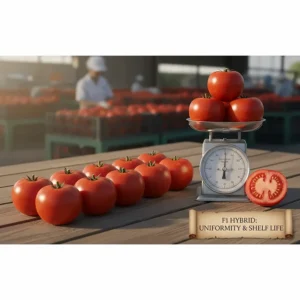
According to Brooklyn Botanic Garden, F1 hybrids offer several distinct advantages. They produce earlier, more uniform yields with better-than-average vigor. The predictability is remarkable—every seed produces plants with nearly identical characteristics, unlike open-pollinated varieties that can show variation.
The disease resistance aspect deserves special attention. Modern hybrids like Celebrity tomato seeds carry resistance genes bred from wild tomato species, offering protection against multiple pathogens simultaneously. Cornell University’s vegetable research documents how breeders have successfully incorporated resistance to fusarium wilt, verticillium wilt, tobacco mosaic virus, and various other diseases into popular hybrid varieties.
The Trade-off: Saving Seeds
Here’s the catch with F1 hybrids: you can’t effectively save seeds for next year. Seeds collected from F1 plants will produce offspring with unpredictable characteristics, often reverting to traits of the grandparent plants. This means purchasing fresh seeds each season, which some gardeners see as a disadvantage. However, most agree the superior performance justifies the cost.
Why Choose blight resistant tomato varieties
If you’ve ever watched your beautiful tomato plants suddenly wilt and die mid-season, you’ve likely encountered one of the many blight and wilt diseases that plague tomatoes. This is where blight resistant tomato varieties become absolute game-changers.
The Major Culprits
Fusarium Wilt is perhaps the most devastating disease for home gardeners. According to NC State Extension, this soilborne fungus survives in soil for up to ten years, making crop rotation alone insufficient. The disease appears as one-sided wilting that starts in lower leaves and progresses upward, eventually killing the plant.
The pathogen exists in three races (race 1, 2, and 3), and University of Minnesota Extension explains that tomato varieties may resist one race while remaining susceptible to others. This is why seed packets list resistance as “F,” “F1,” “F2,” or “F1,2,3.”
Verticillium Wilt develops in cooler conditions and causes similar symptoms, though the yellowing tends to be more uniform across leaves. Both diseases are incurable once established, making prevention through resistant varieties the only practical solution.
Early and Late Blight round out the major fungal threats. While not as permanently destructive as the wilts, these diseases can defoliate plants rapidly, exposing fruits to sunscald and reducing yields dramatically.
How Resistance Works
Resistance genes in blight resistant tomato varieties prevent the pathogen from successfully colonizing plant tissues. These genes, introgressed from wild tomato species over decades of breeding, recognize and respond to specific pathogen proteins, triggering the plant’s immune response.
Modern varieties like Better Boy tomato seeds (VFN resistant) and Celebrity tomato seeds (VFFNTASt resistant) stack multiple resistance genes, providing broad-spectrum protection. This genetic stacking is particularly valuable in areas with mixed pathogen populations.
Maximizing high yield tomato seeds Performance
You’ve invested in high yield tomato seeds—now let’s make sure you get maximum production. The difference between disappointing harvests and overflowing baskets often comes down to proper care and technique.
Starting Strong
Begin seeds indoors 6-8 weeks before your last frost date. Use sterile seed-starting mix and maintain temperatures between 75-85°F for germination. Once seedlings emerge, provide bright light (14-16 hours daily) and temperatures around 65-70°F to prevent legginess.
When transplanting, bury stems deeply—up to the first set of true leaves. Tomatoes form adventitious roots along buried stems, creating stronger root systems that support vigorous growth and heavy fruiting.
Nutrition Matters
High-yielding hybrids need consistent nutrition but avoid over-fertilizing with nitrogen early in the season. Too much nitrogen produces lush foliage at the expense of fruit production. Instead, use balanced fertilizers initially, then switch to higher phosphorus and potassium formulations once flowering begins.
Side-dress with compost or well-aged manure mid-season to maintain steady growth. Some gardeners swear by weekly applications of dilute fish emulsion or compost tea during peak production.
Water Management
Consistent moisture is crucial for preventing blossom-end rot and fruit cracking. Aim for 1-2 inches of water weekly, applied deeply and infrequently to encourage deep rooting. Mulch heavily to maintain even soil moisture and regulate temperature.
Drip irrigation or soaker hoses work better than overhead watering, which can spread foliar diseases. Morning watering allows foliage to dry before evening, reducing disease pressure.
Pruning and Training
For indeterminate varieties (most hybrids), remove suckers below the first flower cluster. This focuses energy on fruit production and improves air circulation. Support plants with sturdy cages or stakes—high-yielding varieties can produce 50+ pounds per plant, requiring substantial support.
Some gardeners practice “topping” plants 4-6 weeks before the first expected frost, removing the growing tip to redirect energy toward ripening existing fruits. This ensures you harvest more ripe tomatoes before cold weather arrives.
Disease Resistance Codes Explained
Walk into any garden center and you’ll see mysterious letter codes on tomato seed packets: VFFNTASt, VFNT, or simply V. These abbreviations indicate which diseases the variety resists, but what do they actually mean?
Common Resistance Codes
V = Verticillium Wilt
F = Fusarium Wilt (F1, F2, F3 indicate races 1, 2, or 3)
N = Root-knot Nematodes
T = Tobacco Mosaic Virus
TMV = Tomato Mosaic Virus
A or ASC = Alternaria Stem Canker
St or S = Stemphylium Gray Leaf Spot
LB = Late Blight
EB = Early Blight
Why Multiple Resistances Matter
The more letters following a variety name, the broader its disease protection. Celebrity tomato seeds, marked as VFFNTASt, resist seven different diseases—making it exceptionally versatile for various growing conditions and regions.
However, resistance doesn’t equal immunity. Plants may still show minor symptoms under severe disease pressure, but they’ll continue producing while susceptible varieties die. Think of resistance as armor rather than invincibility.
Regional Considerations
Different regions face different disease pressures. Southern gardeners battling intense heat and humidity need varieties with fusarium and verticillium resistance plus nematode tolerance. Northern growers might prioritize early blight resistance and cold tolerance.
Consult your local extension service to identify prevalent diseases in your area, then select varieties with appropriate resistance. This targeted approach ensures success without paying premium prices for resistance you don’t need.
Growing Conditions for Optimal Success
Even the best hybrid tomato varieties fail without proper growing conditions. Let’s dial in the environmental factors that separate struggling plants from champions.
Site Selection
Tomatoes demand full sun—minimum 6-8 hours daily, though 10+ hours is ideal. Plants in partial shade stretch, produce fewer flowers, and ripen fruit slowly. Choose the sunniest spot in your garden, away from tree shade and north-facing walls.
Air circulation matters tremendously for disease prevention. Space plants adequately (24-36 inches for indeterminates) and avoid planting in low-lying areas where humid air stagnates. Good airflow reduces foliar diseases and helps regulate plant temperature.
Soil Preparation
Tomatoes thrive in well-drained, slightly acidic to neutral soil (pH 6.0-6.8). Heavy clay or compacted soils benefit from generous organic matter additions—work in 2-4 inches of compost before planting.
Avoid planting tomatoes where other nightshade family members (potatoes, peppers, eggplants) grew the previous year. These crops share diseases, and pathogens accumulate in soil over successive seasons. Practice at least 3-year rotations for disease management.
Temperature Requirements
Tomatoes are warm-season crops that refuse to grow when cold. Soil temperatures below 60°F stunt growth and delay maturity. Wait until nighttime temperatures consistently exceed 50°F before transplanting—typically 1-2 weeks after your last frost date.
Conversely, extreme heat (above 95°F) causes flowers to abort and reduces fruit set. In hot climates, choose heat-tolerant varieties like Better Boy tomato seeds or provide afternoon shade during peak summer.
Container Growing
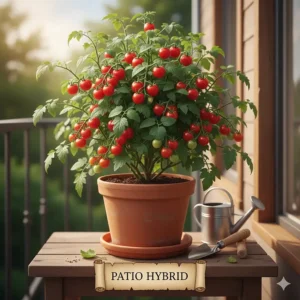
Many hybrid varieties adapt well to container culture. Choose pots at least 18-20 inches diameter with excellent drainage. Determinate and compact varieties like Celebrity work particularly well, though indeterminates succeed in large containers (25+ gallons).
Container plants require more frequent watering and feeding than in-ground tomatoes. Check soil moisture daily during hot weather and fertilize weekly with diluted liquid fertilizer. Consider self-watering containers for consistent moisture.
Companion Planting Strategies
Strategic companion planting boosts tomato health while deterring pests and maximizing space. Certain plants enhance growth, while others compete for resources or attract shared pests.
Beneficial Companions
Basil tops every tomato companion list for good reason. Beyond enhancing tomato flavor when planted nearby, basil repels aphids, whiteflies, and hornworms while attracting beneficial insects. Plant basil 10-12 inches from tomato bases.
Marigolds release compounds that deter nematodes in soil while their scent confuses aphids and whiteflies. French marigolds (Tagetes patula) are particularly effective. Plant generously around tomato beds for maximum benefit.
Carrots and radishes work as living mulch between young tomato plants, suppressing weeds while utilizing different soil depths. Harvest before their roots compete with established tomatoes.
Borage attracts pollinators and predatory insects while its deep taproot mines nutrients from subsoil. The beautiful blue flowers are edible too!
Plants to Avoid
Brassicas (cabbage family) inhibit tomato growth through allelopathic compounds. Keep them separated by at least 4 feet.
Fennel secretes substances toxic to many plants, including tomatoes. Grow fennel in dedicated beds away from vegetable gardens.
Corn and tomatoes share corn earworms/tomato fruitworms—planting them together concentrates pest pressure. Also avoid potatoes, which attract similar diseases and compete for nutrients.
Walnut trees release juglone, toxic to tomatoes and many other plants. Avoid planting within the tree’s root zone (1.5 times the canopy diameter).
Harvesting and Storage Tips
You’ve grown beautiful tomatoes—now let’s preserve that garden-fresh quality as long as possible.
When to Harvest
Harvest tomatoes when fully colored but still slightly firm. Waiting until fruits soften on the vine reduces storage life and invites bird and insect damage. For Better Boy tomato seeds and other slicers, pick when color is uniform but fruits retain slight firmness.
Cherry varieties like Sun Gold develop best flavor when left on vines until just beginning to soften. Their higher sugar content makes them less prone to mealy texture from premature picking.
As frost approaches, harvest all tomatoes showing any color change. They’ll ripen indoors at room temperature, though flavor won’t equal vine-ripened perfection.
Proper Storage
Never refrigerate fresh tomatoes unless fully ripe and you need to slow ripening. Cold temperatures below 55°F destroy flavor compounds and create mealy texture.
Store ripe tomatoes at room temperature, stem-side up, away from direct sunlight. They’ll keep 3-7 days depending on ripeness at harvest.
For green tomatoes at season’s end, layer in shallow boxes, separating with newspaper. Store in cool (55-65°F), humid location. Check weekly, removing any that develop soft spots or mold. Depending on maturity, green tomatoes ripen over 2-6 weeks.
Preserving the Harvest
Excess tomatoes preserve beautifully through canning, freezing, or drying. Paste varieties work best for sauce, but Big Beef and other flavorful slicers make exceptional canned products.
For freezing, core and halve tomatoes, removing seeds if desired. Freeze on trays, then transfer to bags. Use within 8-10 months for best quality. Frozen tomatoes work perfectly in cooked dishes though texture becomes soft for fresh use.
Dehydrating concentrates flavor wonderfully. Slice 1/4 inch thick, season if desired, and dry at 135-145°F until leathery. Store in airtight containers with moisture absorbers.
Common Problems and Solutions
Even experienced gardeners encounter challenges with hybrid tomato varieties. Here’s how to diagnose and address the most common issues.
Blossom End Rot
Dark, sunken spots on fruit bottoms indicate calcium deficiency, usually caused by inconsistent watering rather than soil calcium levels. Maintain even moisture with mulch and regular watering. Remove affected fruits promptly.
Blossom Drop
Flowers falling without setting fruit results from temperature stress (nights below 55°F or days above 95°F), over-fertilizing with nitrogen, or inadequate pollination. Most varieties resume normal fruit set when conditions improve.
Fruit Cracking
Rapid water uptake after dry periods causes fruits to split. Varieties like Suncherry Extra Sweet resist cracking better than others. Maintain consistent soil moisture and choose resistant varieties for areas with variable rainfall.
Sunscald
White, papery patches on fruits facing intense sun indicate sunscald. This occurs when foliage is inadequate or disease/pruning exposes fruits. Maintain healthy foliage and avoid excessive pruning in hot climates.
Tomato Hornworms
These enormous green caterpillars can defoliate plants overnight. Hand-pick when spotted—their size makes them visible. White cocoons on hornworms indicate beneficial parasitic wasps; leave these infected caterpillars to support beneficial insect populations.
Aphids and Whiteflies
These sap-sucking pests weaken plants and spread viruses. Strong water sprays dislodge them. For persistent infestations, apply insecticidal soap or neem oil, targeting leaf undersides where they congregate.
Seed Starting vs. Transplants
Should you start hybrid tomato seeds from scratch or purchase nursery transplants? Both approaches have merits depending on your situation.
Benefits of Starting from Seed
Variety selection expands dramatically when growing from seed. Nurseries stock 5-10 varieties; seed catalogs offer hundreds. Specialty varieties like Chef’s Choice Pink F1 rarely appear at garden centers.
Cost savings add up quickly. One seed packet ($5-$8) produces 10-30 plants versus $3-$5 per transplant. If you’re planting multiple varieties or succession planting, savings are substantial.
Quality control ensures healthy, unstressed seedlings hardened off properly for your specific conditions. Nursery transplants may be root-bound, stressed, or hardened improperly.
Advantages of Transplants
Time savings matter if you’re busy or starting late. Transplants give you 6-8 weeks head start without seed-starting equipment or space.
Guaranteed germination eliminates uncertainty. All plants reach transplant size; you’re not gambling on germination rates.
Immediate gratification appeals to impatient gardeners. Purchase transplants in May, harvest tomatoes by July.
The Hybrid Approach
Many experienced gardeners use both methods: starting reliable favorites like Better Boy tomato seeds from seed while purchasing 1-2 specialty variety transplants to trial. This balances economy with variety exploration.
Organic vs. Conventional Growing
Whether growing hybrid tomato varieties organically or conventionally, success comes from understanding each approach’s strengths and limitations.
Organic Methods
Organic growers rely on compost, cover crops, and organic amendments for fertility. Well-aged manure, fish emulsion, and bone meal provide balanced nutrition. Organic fertilizers release nutrients slowly, supporting steady growth without excess vegetative production.
Disease management emphasizes prevention through resistant varieties, crop rotation, and proper spacing. Copper-based fungicides and Bacillus subtilis offer organic options for disease control, though neither matches synthetic fungicide effectiveness.
Pest management combines physical barriers (row covers), beneficial insects (ladybugs, lacewings), and organic sprays (neem oil, insecticidal soap). Success requires vigilance and accepting some pest damage as tolerable.
Conventional Approaches
Conventional growers access synthetic fertilizers for precise nutrient delivery. Water-soluble fertilizers provide immediate nutrient availability during critical growth stages.
Fungicides like chlorothalonil and mancozeb prevent fungal diseases effectively, though resistance concerns require rotating active ingredients. Always follow label directions and observe pre-harvest intervals.
Systemic insecticides control difficult pests but raise concerns about beneficial insect impacts and residues. Use judiciously as part of integrated pest management rather than as primary pest control.
Which is Better?
Both approaches produce excellent tomatoes. Organic methods align with environmental stewardship goals and eliminate synthetic chemical use. Conventional methods may yield slightly higher productivity in challenging conditions but require more inputs and raise environmental concerns.
Many gardeners adopt a middle ground: organic fertility and pest management with judicious fungicide use when disease threatens crops. Choose based on your values, budget, and risk tolerance.
FAQ
❓ What is the difference between F1 hybrid and heirloom tomatoes?
❓ How do I know which disease resistances I need for my area?
❓ Can hybrid tomato seeds be saved for next year?
❓ Why are hybrid tomato seeds more expensive than heirloom seeds?
❓ What are the best hybrid tomato varieties for containers?
Conclusion
The world of hybrid tomato varieties offers something for every gardener, from beginners seeking reliable producers to experienced growers chasing premium flavor. Better Boy tomato seeds remain the gold standard for all-around performance, while Celebrity tomato seeds bring exceptional disease resistance to compact spaces. Flavor enthusiasts gravitate toward Big Beef, and early-season lovers can’t beat Early Girl. For sweet snacking, Sun Gold reigns supreme among cherry varieties.
The F1 hybrid tomato benefits are undeniable: superior disease resistance, predictable performance, and hybrid vigor that delivers consistent, heavy yields. While you’ll purchase seeds annually rather than saving them, the reduced crop losses and increased productivity more than compensate. blight resistant tomato varieties have transformed gardening in disease-prone areas, allowing success where heirlooms struggle.
Remember that even the best high yield tomato seeds require proper care—full sun, consistent water, balanced nutrition, and adequate support. Start with disease-resistant varieties suited to your climate, provide excellent growing conditions, and you’ll harvest bushels of delicious tomatoes from July through frost. Whether you’re growing beefsteaks for slicing, cherries for snacking, or paste types for sauce, modern hybrids deliver reliability and flavor that make gardening rewarding.
This season, try 2-3 new varieties alongside your proven favorites. You might discover your next garden staple—perhaps one of those stunning pink beefsteaks or super-sweet cherries. Happy growing, and may your harvests overflow!
Recommended for You
- 7 Best Heirloom Tomato Seeds for 2026 Garden Success
- 7 Best Tomato Seeds 2026: Flavor-Packed Varieties for Gardeners
- Microgreens vs Sprouts Growing: 7 Top Kits Reviewed 2026
Disclaimer: This article contains affiliate links. If you purchase products through these links, we may earn a small commission at no additional cost to you.
✨ Found this helpful? Share it with your friends! 💬🤗
