
In This Article
✨Was this helpful? Spread the word! 🚀
You know what’s absolutely fascinating? Watching mushrooms sprout from seemingly nowhere, transforming your indoor space into a mini-fungi farm. I’ve been there—standing in front of my first mushroom grow tent, wondering if I’d made the right choice. Here’s the truth: a quality mushroom grow tent can be the difference between disappointing harvests and abundant yields that’ll make your friends jealous.
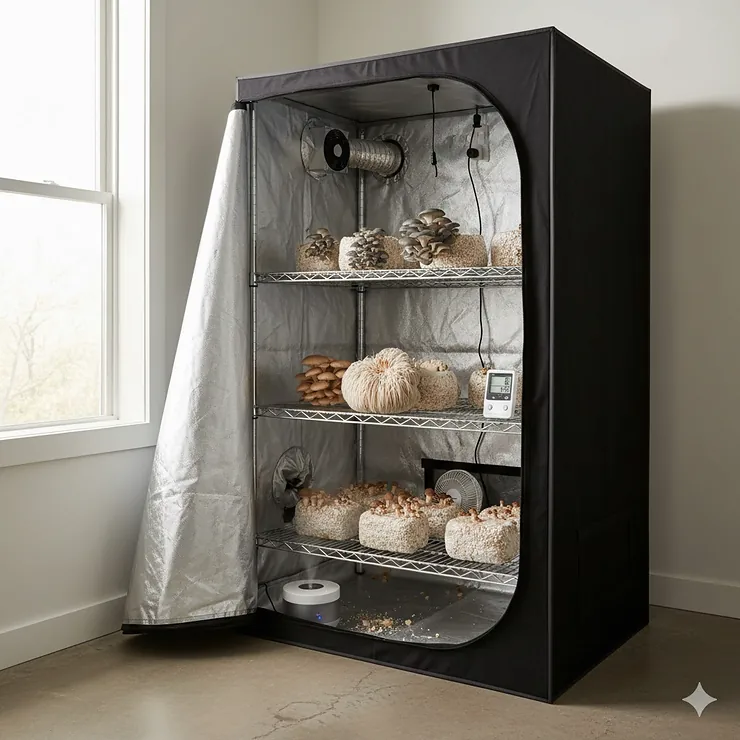
A mushroom grow tent creates a controlled environment specifically designed for cultivating various mushroom species. Unlike regular gardening setups, these specialized enclosures maintain the precise humidity levels (typically 80-95%), temperature ranges (55-75°F depending on species), and airflow patterns that mushrooms absolutely crave. Think of it as a personal climate-controlled sanctuary where your fungi can thrive without competing with the chaos of your home environment.
Whether you’re growing oyster mushrooms, shiitakes, or lion’s mane varieties, the right mushroom growing tent setup makes cultivation significantly easier. These tents prevent contamination, maintain consistent moisture levels, and provide the darkness mushrooms need during certain growth stages. From compact still air boxes perfect for beginners to fully automated systems for serious cultivators, there’s a setup that matches your ambitions and space constraints.
Quick Comparison Table
| Product | Size | Key Feature | Price Range | Rating |
|---|---|---|---|---|
| Terra Fungus Martha Tent | 65″ x 27.5″ x 20″ | 6500K LED + Timer | $150-$200 | 4.5/5 |
| Smart Mushroom Growing Tent | Compact | Fully Automatic | $250-$350 | 4.7/5 |
| Meonum LED Grow Tent Kit | 30″ x 20″ x 20″ | Dual Spectrum Tech | $80-$120 | 4.3/5 |
| Salcod Still Air Box | 38″ x 20″ x 25″ | No Assembly Needed | $35-$50 | 4.6/5 |
| Crownow Auto-Adjust Tent | Medium | Humidity Automation | $180-$230 | 4.5/5 |
| VIVOSUN S448 Grow Tent | 48″ x 48″ x 80″ | 600D Mylar Canvas | $110-$140 | 4.4/5 |
| North Spore BoomRoom II | 5-Tier System | Premium Automation | $400-$550 | 4.8/5 |
💬 Just one click – help others make better buying decisions too!😊
🛒 Ready to Transform Your Growing Space?
Explore these carefully vetted mushroom grow tent options to find the perfect match for your cultivation goals. Each product has been selected based on real user experiences and performance data. Click any highlighted product to check current pricing and availability! 🍄
Top 7 Mushroom Grow Tent Options: Expert Analysis
1. Terra Fungus Mushroom Grow Tent with Light and Timer
If you’re serious about creating a premium growing environment, the Terra Fungus tent deserves your attention. This 65″ x 27.5″ x 20″ greenhouse-style tent combines functionality with thoughtful design elements that make mushroom cultivation surprisingly straightforward.
The standout feature? The integrated 6500K full spectrum grow light paired with a 12h ON/12h OFF timer that perfectly mimics natural lighting cycles. I love how the 100% waterproof structure accommodates monotubs and various accessories—you can easily add humidifiers, inline fans, or heating pads through the designed vents.
Specifications: Heavy-duty materials, 4″ vents for accessory integration, compact footprint
Price Range: $150-$200
Customer Feedback: Users consistently praise the easy assembly and premium build quality. One grower mentioned, “Setup took less than 30 minutes, and the structure feels incredibly solid.”
Pros:
✅ Pre-installed lighting system saves setup time
✅ Waterproof design prevents floor damage
✅ Generous vertical space for multiple fruiting blocks
Cons:
❌ Higher initial investment than basic models
❌ Light timer not adjustable for species-specific requirements
2. Smart Mushroom Growing Tent (Fully Automatic)
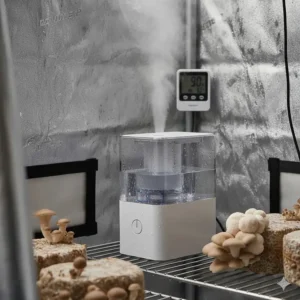
Here’s where technology meets mycology. The Smart Mushroom Growing Tent represents the cutting edge of home cultivation—just add spores, press start, and watch the magic happen. This automated system continuously monitors and adjusts humidity and temperature automatically.
The magnetic door design creates an enclosed environment that prevents spore dispersion while the transparent observation windows let you monitor progress without disturbing your setup. Advanced growers appreciate the hands-off approach, while beginners love the foolproof operation.
Specifications: Touch-control interface, automatic environment monitoring, compatible with major mushroom varieties
Price Range: $250-$350
Customer Feedback: The automation receives rave reviews. “I travel frequently for work, and this tent maintained perfect conditions for two weeks without intervention,” one user reported.
Pros:
✅ Completely automated climate control
✅ Suitable for multiple mushroom species
✅ Prevents spore dispersion for cleaner air
Cons:
❌ Premium pricing may deter budget-conscious growers
❌ Electronic components require power source
3. Meonum Mushroom Grow Tent and LED Growing Light Kit
The Meonum kit hits the sweet spot between affordability and functionality. At 30″ x 20″ x 20″, this portable setup includes everything you need: the tent, a 48 LED mushroom grow lamp, mounting accessories, and an installation manual that actually makes sense.
What impressed me most? The dual spectrum technology—6000K blue light promotes fixation and growth, while 5000K white light maintains natural sunshine cycles. The folding frame assembles in minutes and stores compactly when not in use.
Specifications: 48 LED grow lamp, folding frame design, cuff-style entry
Price Range: $80-$120
Customer Feedback: Buyers appreciate the complete package. “Great value—everything arrived in one box, and my first flush came in faster than expected,” shared a satisfied customer.
Pros:
✅ Budget-friendly complete kit
✅ Dual spectrum lighting optimizes growth
✅ Portable and space-efficient
Cons:
❌ Smaller capacity limits production volume
❌ Manual humidity control required
4. Salcod Large Still Air Box Mushroom Grow Tent
Sometimes simplicity wins, and the Salcod proves it beautifully. This 38″ x 20″ x 25″ tent offers an extremely spacious work area with zero assembly hassles—just unfold the elastic support frame and you’re ready to inoculate.
The transparent plastic construction provides crystal-clear observation while the high-elasticity armholes fit various body types comfortably. Large dual-zipper openings on both sides accommodate multiple mushroom grow bags simultaneously. When you’re done growing, it folds into the included storage bag.
Specifications: Clear transparent walls, elastic support frame, includes thermometer and spray bottles
Price Range: $35-$50
Customer Feedback: The convenience factor scores big. “No tools, no frustration—I had this set up in under two minutes,” one reviewer noted.
Pros:
✅ Unbeatable price point
✅ Instant setup with no assembly
✅ Includes essential accessories
Cons:
❌ No built-in lighting system
❌ Manual climate control only
5. Crownow Mushroom Grow Tent with Automatic Humidity Adjustment
The Crownow brings intelligent automation to mid-range pricing. This tent features a built-in temperature hygrometer that continuously monitors environmental conditions and automatically adjusts the humidifier to maintain optimal moisture levels for mushroom development.
The lighting system offers adjustable color temperatures, allowing you to customize conditions based on your specific growing scenario. An integrated fan provides fresh air exchange that mushrooms need for healthy fruiting.
Specifications: Automatic humidity control, adjustable lighting, built-in fan system
Price Range: $180-$230
Customer Feedback: Users love the set-and-forget functionality. “The automatic humidity adjustment alone justifies the price—no more constant misting,” reported one grower.
Pros:
✅ Automated humidity management
✅ Fresh air exchange system included
✅ Adjustable lighting for different growth phases
Cons:
❌ Mid-tier pricing without premium features
❌ Requires regular water refilling
6. VIVOSUN S448 4×4 Grow Tent
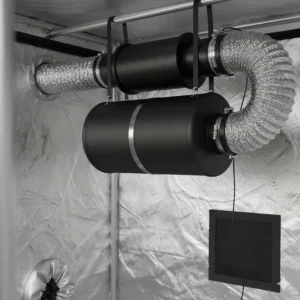
While not mushroom-specific, the VIVOSUN S448 has become a favorite among serious cultivators. This 48″ x 48″ x 80″ tent features 600D Oxford canvas with 100% reflective mylar lining, creating an environment where every bit of light reaches your mushrooms.
The observation window allows progress monitoring without environmental disruption, while the removable floor tray simplifies cleaning. Robust metal poles support up to 100 lbs., accommodating extensive shelving systems for commercial-scale operations.
Specifications: 600D canvas, mylar lining, observation window, removable floor tray
Price Range: $110-$140
Customer Feedback: Durability stands out in reviews. “Two years of constant use, and this tent still looks new,” shared one experienced grower.
Pros:
✅ Spacious capacity for multiple projects
✅ Durable construction for long-term use
✅ Excellent value for the size
Cons:
❌ Requires separate lighting and humidity equipment
❌ Large footprint needs dedicated space
7. North Spore BoomRoom II Automated Martha Tent
For those who want the absolute best, the North Spore BoomRoom II represents the pinnacle of home mushroom cultivation. This 5-tier system provides 18 cubic feet of space—enough to grow 9x more mushrooms than standard monotubs.
The automated humidity and fresh air exchange systems work in concert, introducing moisture from the top while filtering CO2 from the bottom. The reinforced plastic design creates a diffused light effect that mimics natural growing conditions. Optional float valve connectivity allows direct water source linkage for zero-maintenance operation.
Specifications: 5-tier rack system, automated climate control, reinforced plastic construction
Price Range: $400-$550
Customer Feedback: Premium features justify the investment for serious growers. “This system paid for itself in three months through consistent, high-quality yields,” one commercial grower explained.
Pros:
✅ Maximum production capacity
✅ Complete automation reduces labor
✅ Professional-grade construction
Cons:
❌ Significant upfront investment
❌ Requires dedicated growing space
Understanding Mushroom Grow Tent Basics
Let’s talk about what makes these specialized enclosures so valuable for fungi cultivation. A mushroom grow tent isn’t just a fancy box—it’s a precision-engineered environment that addresses the unique requirements of fungal growth.
What Exactly Is a Mushroom Grow Tent?
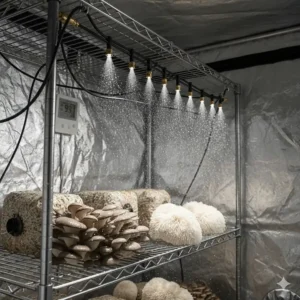
Think of a mushroom growing tent as a microclimate generator. These enclosed structures create and maintain specific environmental conditions that mushrooms need to progress through their growth stages successfully. Unlike open-air cultivation methods, tents isolate your mushrooms from household contaminants, temperature fluctuations, and humidity variations that can sabotage your harvest.
The core components typically include:
🔹 Environmental Control: Sealed spaces that trap humidity while allowing controlled air exchange
🔹 Observation Access: Windows or transparent panels for monitoring without disruption
🔹 Equipment Integration: Ports and mounts for humidifiers, fans, and lighting systems
🔹 Contamination Prevention: Barriers against airborne spores and bacteria
Why Mushroom Cultivation Demands Specialized Equipment
Here’s something most beginners don’t realize: mushrooms are extremely sensitive to environmental changes. Most mushroom species require humidity levels between 80-90% for optimal growth, while your typical home environment hovers around 30-50%. That’s a massive gap that regular gardening setups simply can’t bridge.
Temperature control presents another challenge. During the incubation stage, temperatures need to be maintained between 65-75°F, while the fruiting stage requires temperatures around 60-65°F. These precise requirements make dedicated growing spaces essential for consistent results.
Additionally, poor humidity levels can cause mushrooms to stop growing, discolor, and form cracks. A proper mushroom grow tent setup eliminates these variables, giving you predictable, repeatable results cycle after cycle.
Key Features to Consider When Choosing Your Tent
Size and Capacity Considerations
Size matters, but bigger isn’t always better. I’ve seen beginners purchase massive tents only to struggle with humidity maintenance in oversized spaces. Start by assessing your actual needs:
Small Tents (20″-30″): Perfect for 2-4 fruiting blocks, ideal for personal consumption and experimentation
Medium Tents (30″-40″): Accommodates 6-10 blocks, suitable for regular harvests and variety testing
Large Tents (40″+): Commercial-scale production, multiple species cultivation, requires significant space commitment
Consider vertical space too. Multi-tier systems maximize your footprint by stacking growing areas, potentially tripling your production capacity without increasing floor space.
Material Quality and Durability
The construction materials directly impact your tent’s longevity and performance. Premium tents use thick canvas (600D-1680D) that resists tears while providing excellent insulation. Cheaper alternatives might save money initially but often develop leaks, tears, or zipper failures within months.
Look for:
🔸 Reinforced seams with double stitching
🔸 Waterproof materials that handle high humidity without degradation
🔸 Sturdy frames capable of supporting shelving and equipment weight
🔸 Quality zippers that operate smoothly thousands of times
Ventilation and Airflow Systems
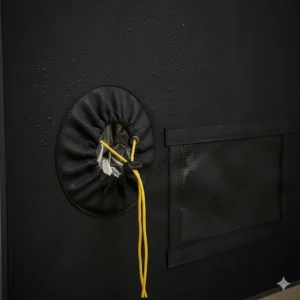
Mushrooms breathe—they consume oxygen and release carbon dioxide just like us. Poor ventilation leads to CO2 buildup that stunts growth and encourages contamination. Effective mushroom grow tent designs incorporate strategic airflow patterns.
Top-tier systems include:
✅ Intake vents positioned low for fresh air entry
✅ Exhaust ports placed high for CO2 removal
✅ Adjustable openings for fine-tuning exchange rates
✅ Filter compatibility for spore management
Remember, the goal isn’t constant hurricane-force winds—gentle, consistent air movement works best. Many successful growers run small fans on timers, providing 1-2 minutes of circulation every 15-20 minutes during fruiting.
Lighting Requirements and Options
Here’s a common misconception: mushrooms don’t photosynthesize, so they don’t need light, right? Wrong. While mushrooms don’t convert light to energy like plants, they use light as a directional cue. Mushrooms need 10 to 12 hours of light per day to orient their growth and trigger fruiting.
The intensity matters less than consistency. Indirect or low-intensity LED lighting works perfectly. Many mushroom tents include:
🔹 6000K-6500K spectrum lights that promote healthy development
🔹 Programmable timers for consistent day/night cycles
🔹 Adjustable positioning to accommodate different mushroom heights
🔹 Energy-efficient LEDs that minimize heat generation
Avoid intense, direct sunlight—it can stress mushrooms and affect their quality. The soft, diffused lighting in specialized tents mimics the forest floor conditions where many species naturally thrive.
Setting Up Your Mushroom Grow Tent for Success
Step-by-Step Setup Guide
Getting your tent operational doesn’t require a PhD in mycology, but following the right sequence prevents headaches later. Here’s how I recommend approaching setup:
Step 1: Choose Your Location
Select a spot away from direct sunlight with relatively stable temperatures. Basements, spare rooms, or large closets work beautifully. Avoid areas near heating vents or drafty windows.
Step 2: Assemble the Frame
Most tents use tool-free connectors—simply snap poles together following the included diagram. Work on a clean surface and handle components gently to avoid bending or scratching.
Step 3: Install the Cover
Drape the tent cover over the assembled frame, ensuring all corners align properly. Unzip all openings before pulling the cover on—this reduces stress on zippers.
Step 4: Add Essential Equipment
Install your humidifier, typically positioned in the lower section. Mount lighting systems if included, and place fans for optimal air circulation. Add shelving units if your system accommodates multiple growing levels.
Step 5: Test Your Environment
Run everything for 24 hours before introducing mushrooms. Monitor humidity, temperature, and airflow patterns. Make adjustments now, while the tent is empty and accessible.
Essential Accessories and Equipment
Your tent is just the foundation—these additions complete your cultivation system:
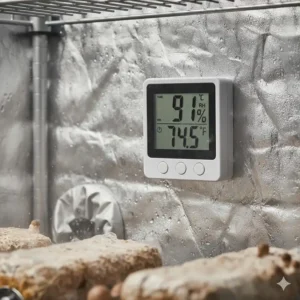
🍄 Hygrometer/Thermometer Combo: Digital models with remote sensors provide accurate readings without opening the tent
🍄 Humidifier: Ultrasonic models work quietly and efficiently; choose sizes appropriate for your tent volume
🍄 Timer Outlets: Automate your lighting and fan schedules for consistent conditions
🍄 Spray Bottles: Manual misting supplements automated humidity systems
🍄 Shelving Units: Wire racks maximize vertical space and improve air circulation
Pro tip: Invest in a humidity controller that automatically triggers your humidifier when levels drop. These $30-$50 devices eliminate constant manual monitoring and prevent humidity crashes during extended absences.
🌟 Upgrade Your Growing Setup Today!
Take your mushroom cultivation to the next level with these expertly selected products. Whether you’re starting fresh or expanding your operation, these tools deliver the consistency and control that successful growers depend on. Check current deals and start growing like a pro! ✨
Maintaining Optimal Growing Conditions
Temperature Management
Temperature consistency separates successful growers from frustrated hobbyists. Different growth stages demand different temperatures, and inappropriate temperature can cause growth delays or even crop failure.
For most popular species:
Incubation Phase: 70-75°F promotes rapid mycelium colonization
Fruiting Phase: 60-65°F triggers pinning and mushroom development
Species Variations: Oysters tolerate 55-75°F ranges, while shiitakes prefer cooler 55-60°F fruiting temperatures
Managing temperature in your mushroom growing tent becomes easier when you understand your home’s natural climate. Use space heaters for colder environments, or position tents in naturally cool basements during fruiting. Simple adjustments often work better than expensive climate control systems.
Humidity Control Techniques
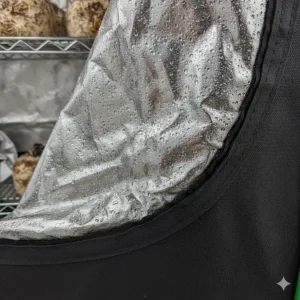
Maintaining that magical 80-95% humidity range sounds daunting, but modern equipment makes it surprisingly manageable. Ultrasonic humidifiers paired with hygrostat controllers automate the entire process—set your target humidity, and the system maintains it automatically.
Manual methods work too:
🌊 Misting: Spray tent interiors 3-4 times daily with clean water
🌊 Perlite Layers: Spread wet perlite on tent floors for passive humidity
🌊 Water Trays: Place shallow dishes filled with water near air circulation sources
🌊 Wet Towels: Hang damp towels inside larger tents for gradual moisture release
Watch for these humidity-related issues:
Too Low: Cracked mushroom caps, stunted growth, premature drying
Too High: Bacterial growth, mushy textures, yellowing caps
Finding your sweet spot takes a few cycles, but once dialed in, your mushroom grow tent becomes a reliable production machine.
Fresh Air Exchange (FAE) Basics
Here’s where many beginners stumble. Mushrooms need fresh air, but not constant drafts. Excess CO2 can block fruiting, while too much ventilation drops humidity rapidly.
The ideal approach uses timed intervals. Small fans running 1-2 minutes every 15-20 minutes provide adequate exchange without environmental disruption. Position intake low and exhaust high, taking advantage of natural CO2 sinking.
Signs you need more FAE:
❌ Long, stringy stems (searching for oxygen)
❌ Small caps relative to stem length
❌ Fuzzy, overgrown mycelium around base
❌ Slow pin development despite optimal humidity
Adjust gradually—dramatic changes stress mycelium and can halt fruiting. Incremental adjustments every 24 hours let you find the perfect balance for your specific setup.
Comparing Mushroom Grow Tents vs Traditional Methods
| Feature | Mushroom Grow Tent | Open Cultivation | Grow Bags Only | Outdoor Growing |
|---|---|---|---|---|
| Humidity Control | Excellent (80-95%) | Poor (varies) | Moderate (self-contained) | Minimal (weather-dependent) |
| Contamination Risk | Low (enclosed) | High (exposed) | Moderate (filter-dependent) | Very High (uncontrolled) |
| Year-Round Use | Yes | Yes | Yes | No (seasonal) |
| Initial Investment | $35-$550 | $10-$50 | $5-$20/bag | $0 |
| Yield Consistency | High | Low | Moderate | Very Low |
| Space Efficiency | Excellent | Poor | Good | N/A |
| Maintenance Level | Low-Moderate | High | Moderate | Minimal |
The data clearly shows why dedicated tents dominate home cultivation. While initial costs run higher, the consistency and protection justify the investment for anyone serious about regular harvests.
Common Mistakes to Avoid
Overcrowding Your Growing Space
I’ve made this mistake—cramming too many fruiting blocks into limited space, thinking I’d maximize productivity. Instead, I created a contamination nightmare. Mushrooms need air circulation around each block; tight spacing creates stagnant pockets where mold thrives.
Follow these density guidelines:
Small tents: Maximum 4 blocks with 3-4″ spacing
Medium tents: 6-10 blocks with 4-6″ spacing
Large tents: Scale proportionally, maintaining spacing ratios
Less crowding actually increases yields by improving air circulation and reducing competition for resources.
Neglecting Sterilization Protocols
Contamination wipes out grows faster than anything else. Before each new cycle, clean your mushroom grow tent thoroughly. I use a 10% bleach solution, wiping down all surfaces, zippers, and equipment. Let it air dry completely before introducing new substrate.
Essential sterilization steps:
✅ Wipe surfaces before and after grows
✅ Sterilize all tools in 70% isopropyl alcohol
✅ Handle fruiting blocks with clean hands or gloves
✅ Remove contaminated blocks immediately
✅ Maintain separate tools for different grow stages
Contamination prevention takes minutes; contamination recovery takes weeks. The investment in cleanliness pays massive dividends.
Inconsistent Monitoring
Set-and-forget doesn’t work with living organisms. Even automated systems need daily check-ins. I recommend quick morning and evening observations—30 seconds to verify humidity levels, check for contamination, and assess growth progress.
Create a simple log:
📝 Date and time
📝 Temperature reading
📝 Humidity percentage
📝 FAE duration/frequency
📝 Observations and changes
This data becomes invaluable for troubleshooting issues and optimizing future grows. Patterns emerge that improve your success rate dramatically.
Troubleshooting Guide for Common Issues
Problem: Mushrooms Aren’t Pinning
When your substrate colonizes beautifully but refuses to produce mushrooms, environmental triggers likely need adjustment. A slight temperature drop and increased ventilation can help initiate fruiting.
Solution checklist:
🔧 Drop temperature 5-10°F for 48 hours (temperature shock)
🔧 Increase FAE frequency and duration
🔧 Verify light exposure (10-12 hours daily)
🔧 Check humidity hasn’t dropped below 85%
🔧 Ensure CO2 levels aren’t excessive
Sometimes patience wins—some species need 7-14 days post-colonization before fruiting begins.
Problem: Contamination Appears
Green, black, or pink spots indicate uninvited guests competing with your mushrooms. Once contamination establishes, it’s nearly impossible to reverse.
Immediate actions:
⚠️ Isolate affected blocks immediately
⚠️ Don’t open contaminated bags inside your tent
⚠️ Deep clean the entire mushroom growing tent
⚠️ Review sterilization procedures
⚠️ Check for air leaks or excessive humidity
Prevention beats treatment. Maintain rigorous cleanliness and address suspicious spots immediately before they spread.
Problem: Weak or Deformed Mushrooms
Thin stems, tiny caps, or odd shapes signal environmental stress. Usually, this means your growing conditions need fine-tuning rather than replacement.
Diagnostic approach:
🔍 Measure actual humidity (don’t trust “feel”)
🔍 Verify temperature accuracy with calibrated thermometer
🔍 Assess FAE adequacy (watch for fuzzy mycelium)
🔍 Check lighting consistency
🔍 Review substrate quality and age
Make one adjustment at a time, waiting 3-5 days between changes to isolate effective solutions.
Advanced Growing Techniques
Multi-Species Cultivation
Once you’ve mastered single-species grows, diversifying becomes tempting. Different mushrooms have varying requirements, but some pairs coexist beautifully in shared mushroom grow tent environments.
Compatible combinations:
🍄 Oysters + Lion’s Mane (similar temp/humidity needs)
🍄 Shiitake + Maitake (prefer cooler fruiting temps)
🍄 Multiple oyster varieties (identical requirements)
Separate species with physical dividers or dedicated shelving levels. This prevents cross-contamination while allowing shared equipment use. Monitor each species individually—adjust microclimates using partial enclosures or localized humidifiers.
Automated Systems and Smart Technology
Technology integration transforms growing from labor-intensive hobby to streamlined operation. Modern controllers monitor multiple parameters simultaneously, making real-time adjustments.
Smart system advantages:
⚡ Smartphone monitoring from anywhere
⚡ Automated humidity and temperature responses
⚡ Data logging for optimization
⚡ Alert systems for parameter deviations
⚡ Integration with existing home automation
Products like the Inkbird humidity controllers or SensorPush monitors provide professional-grade control at consumer prices. Initial setup requires investment, but the time savings and consistency improvements justify costs for serious cultivators.
Maximizing Yield Per Square Foot
Space efficiency matters, especially in smaller homes. Vertical growing multiplies production without expanding footprint. Multi-tier mushroom grow tent systems can triple yields compared to single-level setups.
Space optimization strategies:
📊 Use wire shelving with 12-16″ vertical spacing
📊 Rotate blocks through different growth stages
📊 Implement perpetual harvest schedules
📊 Choose high-yielding species for limited space
📊 Maximize wall space with hanging bags
Calculate your productivity: (Number of blocks × Average yield per block × Flushes per year) ÷ Square footage used. Track this metric across grows to identify optimization opportunities.
Cost Analysis and ROI Considerations
Initial Investment Breakdown
Understanding the true cost of mushroom cultivation helps set realistic expectations. Here’s what you’re looking at:
Budget Setup ($100-$200):
- Basic tent: $35-$50
- Manual humidifier: $20-$30
- Basic lighting: $15-$25
- Thermometer/hygrometer: $10-$15
- Spray bottles and accessories: $10-$20
- Initial substrate and spawn: $20-$40
Mid-Range Setup ($200-$400):
- Quality tent with features: $100-$150
- Automatic humidifier: $40-$60
- LED grow light system: $30-$50
- Digital monitoring equipment: $25-$35
- Timer controls: $15-$25
- Substrate and spawn variety: $40-$80
Premium Setup ($400-$600):
- Automated tent system: $250-$400
- Smart controllers: $60-$100
- Professional lighting: $50-$80
- Advanced monitoring: $40-$60
- Quality accessories: $30-$50
- Diverse substrate/spawn: $60-$100
Long-Term Savings and Revenue Potential
Fresh gourmet mushrooms retail for $12-$20 per pound in most US markets. A modest home setup producing 5-10 pounds monthly covers its costs within 2-3 months. Beyond personal consumption, many growers discover profitable side hustles.
Potential revenue streams:
💰 Farmers market sales
💰 Restaurant partnerships
💰 Subscription box services
💰 Spawn and substrate sales
💰 Growing consultations
Even focusing solely on personal consumption, you’ll save hundreds annually compared to store purchases while enjoying superior freshness and variety.
Environmental and Sustainability Benefits
Reducing Food Miles
Growing mushrooms at home eliminates transportation-related carbon emissions. Store-bought mushrooms often travel hundreds or thousands of miles, requiring refrigeration throughout the journey. Your mushroom grow tent produces zero-mile food—harvest to table in minutes.
Consider the environmental impact:
🌍 No packaging waste
🌍 Zero transportation emissions
🌍 No refrigeration energy during storage
🌍 Reduced food waste (harvest as needed)
🌍 Local, seasonal independence
Upcycling Waste Materials
Mushrooms excel at converting agricultural waste into nutritious food. Many substrates use materials otherwise destined for landfills:
♻️ Coffee grounds (high nitrogen content)
♻️ Sawdust (from lumber operations)
♻️ Straw (agricultural byproduct)
♻️ Cardboard (post-consumer waste)
♻️ Paper products (recycled materials)
Each fruiting cycle transforms waste into valuable protein while sequestering carbon in fungal biomass. The spent substrate makes excellent compost, completing the circle sustainably.
Safety Considerations and Best Practices
Indoor Growing Safety
Mushroom cultivation creates environments that humans shouldn’t inhabit long-term. High humidity promotes mold growth on walls, furniture, and personal items. Always position your mushroom growing tent in well-ventilated spaces away from living areas.
Safety protocols:
⚠️ Install air filtration on exhaust ports
⚠️ Never sleep in rooms with active grows
⚠️ Wear masks when handling potentially contaminated substrate
⚠️ Maintain good ventilation in the grow room
⚠️ Keep grows away from HVAC intakes
Some individuals experience allergic reactions to mushroom spores. If you develop respiratory symptoms, improve ventilation or relocate your setup.
Proper Ventilation and Air Quality
Spores and lungs do not mix well, so be sure to pre-filter your fan exhaust or vent air outdoors. HEPA filters capture spores effectively, preventing household contamination.
Air quality management involves:
✓ Regular filter replacement (every 3-6 months)
✓ Dedicated exhaust routing outdoors when possible
✓ HEPA filtration for recirculated air
✓ Separate grow room from living spaces
✓ Periodic air quality testing
These precautions protect both your mushrooms and your health, creating a sustainable growing practice.
Regional Considerations for USA Growers
Climate-Based Tent Selection
Your local climate influences tent requirements significantly. Humid coastal regions need less humidification equipment, while arid desert climates demand robust moisture systems.
Regional adaptations:
🌴 Southeast (Hot, Humid): Focus on cooling and dehumidification during summer
🏔️ Northeast (Cold, Variable): Prioritize insulation and heating systems
🌵 Southwest (Hot, Dry): Invest in high-capacity humidifiers
🌲 Northwest (Cool, Wet): Emphasize contamination prevention
🌾 Midwest (Extreme Seasons): Plan for significant seasonal adjustments
Research local growers through forums and social media—regional growing communities offer invaluable climate-specific advice.
Legal Compliance and Regulations
Most edible mushroom cultivation faces minimal legal restrictions in the United States. However, certain species remain controlled substances in many jurisdictions. Always verify local regulations before beginning any cultivation project.
Legal considerations:
📋 Zoning restrictions for home-based food production
📋 Health department requirements for sales
📋 Business licensing for commercial operations
📋 Species-specific regulations
📋 Insurance implications for home grows
Consulting local agricultural extensions provides reliable guidance on compliance requirements in your area. Many states offer free resources for small-scale agricultural producers through USDA Extension Services.
❓ Frequently Asked Questions
❓ How long does it take to get the first harvest from a mushroom grow tent?
❓ Can I grow mushrooms in a tent placed in my basement?
❓ What's the average lifespan of a quality mushroom grow tent?
❓ Do mushroom grow tents require daily attention?
❓ Can I use the same tent for different mushroom species consecutively?
Conclusion: Transforming Your Mushroom Growing Journey
Selecting the right mushroom grow tent fundamentally changes your cultivation experience. Whether you choose the budget-friendly Salcod Still Air Box for $35, the automated convenience of the Smart Mushroom Growing Tent at $250-$350, or the premium North Spore BoomRoom II commanding $400-$550, you’re investing in consistency and yield optimization.
The journey from curious beginner to confident cultivator happens faster with proper equipment. These specialized tents eliminate the environmental guesswork that frustrates many new growers, providing the stable conditions mushrooms need to thrive. From maintaining precise humidity levels to creating contamination-resistant environments, quality mushroom growing tent systems deliver results that open-air methods simply cannot match.
Remember—successful cultivation comes from understanding your mushrooms’ needs, not just throwing money at equipment. Start with your available space, budget constraints, and production goals. Match those parameters to the products reviewed here, and you’ll find your perfect growing partner.
Your first harvest will validate the decision to invest in dedicated growing space. That moment when you pick fresh, gourmet mushrooms you’ve grown yourself—knowing exactly how they were cultivated—makes every dollar and hour invested worthwhile. The environmental benefits, cost savings, and satisfaction of self-sufficiency combine into an experience that transforms from hobby to lifestyle.
🎯 Start Growing Today!
Don’t wait another season to experience the satisfaction of homegrown mushrooms. These carefully selected mushroom grow tent options provide everything you need for cultivation success. Click any highlighted product above to check current pricing, read recent reviews, and start your mushroom growing adventure! 🍄✨
Recommended for You
- 4×4 Grow Light: 7 Best Options for Maximum Yields (2025)
- Grow Lights Hydroponics: 7 Best Options for 2025
- Greenhouse Grow Lights: 7 Top Picks for 2025 Growth
Disclaimer: This article contains affiliate links. If you purchase products through these links, we may earn a small commission at no additional cost to you.
✨ Found this helpful? Share it with your friends! 💬🤗
