
In This Article
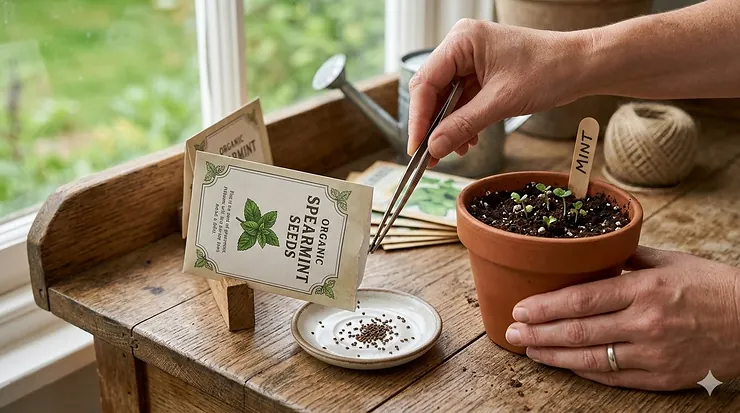
You know that feeling when you smell fresh mint in the summer? That’s exactly what drew me into herb gardening five years ago. There’s something magical about plucking a few leaves from your own mint plant and instantly transforming your mojito, iced tea, or lamb dish. And here’s the thing most people don’t realize: growing mint seeds for planting is ridiculously easy, even if you’ve killed every houseplant you’ve ever owned.
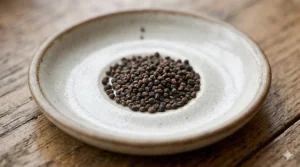
Mint isn’t just another herb. According to research published by the National Institutes of Health, mint species exhibit remarkable health benefits including antimicrobial properties, antioxidant effects, and digestive support. These aren’t just old wives’ tales – we’re talking about scientifically documented benefits that span from soothing upset stomachs to potentially supporting cardiovascular health.
Whether you’re dreaming of a tea herb garden on your windowsill or planning an aromatic herb seeds collection for your backyard, this guide walks you through everything. I’ve tested dozens of mint variety collection options, and today I’m sharing the seven absolute best mint seeds for planting that actually deliver on their promises. From classic peppermint seeds to unique chocolate mint seeds and reliable spearmint seeds, we’ll cover options for every skill level and growing situation.
Ready to transform your kitchen with fresh mint year-round? Let’s dig in.
Quick Comparison Table
| Product | Seed Count | Varieties | Best For | Price Range |
|---|---|---|---|---|
| HOME GROWN Mint Variety Pack | 870+ seeds | 6 varieties | Beginners wanting diversity | $8-$12 |
| Seed Needs 4-Pack Collection | ~4,000 seeds | Spearmint, Peppermint, Lemon Mint, Pennyroyal | Complete mint garden | $12-$16 |
| HOME GROWN Premium Bulk | 3,600 seeds | Common Mint | Large gardens & bulk planting | $10-$14 |
| Sow Right Seeds Mint Collection | 1,250+ seeds | Common Mint, Catmint, Peppermint | Tea enthusiasts | $7-$10 |
| Survival Garden Seed Vault | ~2,500 seeds | Peppermint, Spearmint, Lemon Balm, Catnip | Long-term storage | $15-$20 |
| Wild Mint Seeds | 500 seeds | Wild/Field Mint | Traditional medicinal uses | $6-$9 |
| Seed Needs Spearmint 2-Pack | ~2,000 seeds | Spearmint only | Culinary focused gardeners | $9-$12 |
💬 Just one click – help others make better buying decisions too!😊
Top 7 Mint Seeds for Planting: Expert Analysis
1. HOME GROWN Mint Seeds Variety Pack – Best Overall for Beginners
When you’re just starting out, variety is your best friend. This HOME GROWN Mint Seeds Variety Pack delivers six different mint varieties in one convenient package, giving you over 870 heirloom, non-GMO seeds sourced from USA farms.
Key Specifications:
- 6 varieties: Peppermint, Spearmint, Mountain Mint, Wild Mint, Anise Hyssop, Common Mint
- 870+ total seeds
- 85-90% germination rate
What makes this pack brilliant is the diversity. You get to experiment with different flavors without committing to large quantities of each. Customers consistently praise the fresh seed quality and detailed planting instructions. One reviewer mentioned getting “amazing germination rates even as a complete beginner” while another loved having multiple varieties for different culinary uses.
Pros:
✅ Six different varieties in one pack
✅ Excellent germination rates
✅ USA-sourced heirloom seeds
Cons:
❌ Smaller quantities of each variety
❌ Some seeds are extremely tiny and require careful handling
Perfect for anyone creating their first tea herb garden or wanting to discover which mint variety they prefer.
2. Seed Needs Mint Seeds 4-Pack Collection – Best Value for Serious Gardeners
The Seed Needs Mint Seeds for Planting collection is where serious herb gardeners turn. With approximately 1,000 seeds per packet across four distinct varieties, you’re getting roughly 4,000 seeds total – enough to share with neighbors or start multiple growing seasons.
Key Specifications:
- 4 packets: Spearmint, Peppermint, Lemon Mint, Pennyroyal
- ~1,000 seeds per variety
- Temperature-controlled storage facility for maximum freshness
Seed Needs has built a stellar reputation since 2010, and it shows. Each packet features beautiful artwork plus detailed growing instructions on the back. The company stores seeds in temperature-controlled facilities, which explains their consistently high germination rates. Customers rave about the freshness, with many reporting sprouting within 7-10 days.
Pros:
✅ Generous quantities perfect for multiple plantings
✅ Four distinct medicinal and culinary varieties
✅ Beautiful illustrated packets with detailed instructions
Cons:
❌ Higher price point
❌ Pennyroyal not suitable for pregnant women
This is your go-to if you’re planning a substantial aromatic herb seeds collection or want to grow mint both indoors and outdoors.
3. HOME GROWN Premium Common Mint Bulk Pack – Best for Large-Scale Planting
Need to fill an entire garden bed or multiple containers? The HOME GROWN Premium Common Mint Seeds bulk pack delivers 3,600 heirloom seeds at an incredibly reasonable price.
Key Specifications:
- 3,600 common mint seeds
- USA-sourced heirloom variety
- Ideal for outdoor tea gardens
This bulk option shines when you’re planting mint as a ground cover or creating a dedicated mint section in your garden. Common mint is versatile, growing well in both full sun and partial shade. Multiple gardeners mentioned using this pack to establish “mint barriers” around their homes – mint’s strong aroma naturally deters spiders, mice, and ants.
Pros:
✅ Massive seed quantity for the price
✅ Perfect for large outdoor gardens
✅ Natural pest deterrent properties
Cons:
❌ Only one variety
❌ Requires significant garden space or multiple containers
Great choice for homesteaders, large-scale herb gardens, or anyone wanting to establish mint as a perennial ground cover.
4. Sow Right Seeds Mint Collection – Best for Tea Lovers
The Sow Right Seeds Mint Seeds for Planting package focuses on varieties specifically selected for herbal tea and culinary applications. With approximately 1,250 seeds including Common Mint, Catmint, and Peppermint, this collection targets tea enthusiasts.
Key Specifications:
- Non-GMO heirloom varieties
- Minimum 100mg (about 1,250 seeds)
- Germinates in 5-10 days at 70-80°F
What sets Sow Right Seeds apart is their focus on quality over quantity. Seeds come in moisture-resistant packaging with comprehensive planting instructions. The company emphasizes varieties that excel in tea preparation, with leaves containing optimal essential oil concentrations for brewing.
Pros:
✅ Carefully selected for tea applications
✅ Fast germination timeline
✅ Excellent moisture-resistant packaging
Cons:
❌ Fewer total seeds than some competitors
❌ Vigorous spreading requires container management
Perfect for anyone building a dedicated tea herb garden or looking for mint specifically optimized for beverages.
5. Survival Garden Seeds Mint Collection Vault – Best for Long-Term Storage
The Survival Garden Seeds Mint Collection Seed Vault takes a different approach, focusing on preservation and variety. With four distinct herbs totaling around 2,500 seeds, this vault-style package is designed for long-term storage.
Key Specifications:
- 4 varieties: Peppermint, Spearmint, Lemon Balm, Catnip
- ~2,500 total seeds
- Vacuum-sealed for extended shelf life
This isn’t your typical seed packet. Survival Garden packages their seeds for long-term viability, making them ideal for emergency preparedness or simply storing seeds for multiple growing seasons. Each variety comes in its own packet within the vault. Customers appreciate the educational materials included and the peace of mind knowing their seeds remain viable for years.
Pros:
✅ Extended shelf life through special packaging
✅ Four complementary mint varieties
✅ Great for homesteading and preparedness
Cons:
❌ Higher price point
❌ Overkill for single-season gardeners
Excellent choice for preppers, homesteaders, or anyone wanting to maintain a mint variety collection across multiple years.
6. Wild Mint Seeds (Mentha arvensis) – Best for Medicinal Gardens
For those interested in traditional medicinal herbs, these Wild Mint Seeds offer something unique. Also known as Field Mint or Corn Mint, Mentha arvensis has a rich history in natural medicine across multiple cultures.
Key Specifications:
- 500 seeds of Wild Mint (Mentha arvensis)
- Untreated, open-pollinated
- Circumboreal distribution (native across continents)
Wild mint grows 10-60cm tall with a more robust constitution than cultivated varieties. The leaves possess strong minty flavor with a slight bitter undertone, making them excellent for pesto and North African dishes. Historically, wild mint appears in traditional medicine across Europe, Asia, and North America.
Pros:
✅ Traditional medicinal variety
✅ Hardier than cultivated mints
✅ Unique culinary applications
Cons:
❌ Smaller seed count
❌ Bitter undertones not ideal for sweet applications
Perfect for herbalists, traditional medicine enthusiasts, or anyone exploring historical mint varieties.
7. Seed Needs Spearmint 2-Pack – Best for Culinary Focus
Sometimes you just want one thing done really well. The Seed Needs Spearmint Seeds 2-pack delivers approximately 2,000 seeds of pure spearmint (Mentha spicata) – the variety most commonly used in cooking and cocktails.
Key Specifications:
- 2 packets of pure spearmint
- ~1,000 seeds per packet
- Mentha spicata variety
Spearmint is the culinary workhorse of the mint world. It’s what flavors your gum, mojitos, and mint juleps. This focused approach means you get plenty of one excellent variety rather than small amounts of many. Customers love the consistency and the fact that spearmint is generally milder and sweeter than peppermint, making it more versatile in cooking.
Pros:
✅ Large quantity of one culinary favorite
✅ Milder flavor than peppermint
✅ Attracts beneficial pollinators
Cons:
❌ No variety
❌ Spreads aggressively without containment
Ideal for cooks, bartenders, or anyone who knows they specifically want spearmint seeds for their kitchen garden.
✨ Don’t Miss These Exclusive Deals!
🔍 Take your mint garden to the next level with these carefully selected products. Click on any highlighted item to check current pricing and availability. These tools will help you create authentic aromatic dishes and refreshing beverages your family will love!
Understanding Different Mint Varieties
Not all mint is created equal. While the Mentha genus contains dozens of species, understanding the main categories helps you choose the right mint seeds for planting for your specific needs.
Peppermint (Mentha × piperita) is actually a natural hybrid of spearmint and water mint. It contains high levels of menthol, giving it that intense cooling sensation. Research from the USDA Human Nutrition Research Center confirms peppermint’s significant antimicrobial and antiviral properties. Best for teas, essential oils, and digestive remedies.
Spearmint (Mentha spicata) offers a sweeter, more subtle flavor with less menthol content. It’s your go-to for culinary applications – think lamb dishes, tabbouleh, and classic mojitos. Spearmint originated in Europe and arrived in North America during the late 1500s.
Chocolate Mint (Mentha × piperita ‘Chocolate’) delivers exactly what the name promises: a delightful chocolate undertone alongside traditional mint flavor. The leaves often show subtle brown tinting. Perfect for desserts, hot chocolate, and unique beverage applications.
Lemon Mint/Lemon Balm adds citrus notes to the mint equation. Technically, lemon balm (Melissa officinalis) is a distinct species, but it complements mint beautifully in tea herb garden collections. The leaves smell like lemon drops and work wonderfully in iced teas.
Each variety thrives in similar conditions but offers distinct flavors and uses. Starting with a mint variety collection lets you experiment before committing to large quantities of one type.
How to Choose the Right Mint Seeds for Your Garden
Selecting mint seeds for planting depends on several factors beyond just flavor preferences.
Consider Your Growing Space: Mint is famously aggressive. It spreads through underground runners that can quickly dominate garden beds. If you have limited space or grow alongside other herbs, choose container-friendly options. All mint varieties grow excellently in pots, where you can control their territorial ambitions.
Climate Matters: Most mint varieties thrive in USDA zones 3-8, though specific varieties have different preferences. According to research on Mentha cultivation, mint performs best with temperatures between 20-25°C for vegetative growth, with slightly higher temperatures promoting essential oil production. Check your variety’s specific requirements.
Intended Use Drives Selection: Planning a tea herb garden? Focus on peppermint seeds and spearmint seeds. Want culinary herbs for cooking? Spearmint and chocolate mint excel in the kitchen. Building a medicinal garden? Consider traditional varieties like wild mint alongside standard peppermint.
Germination Requirements: Most mint seeds require light to germinate. They’re surface-sown and need consistent moisture during the 10-14 day germination period. Choose varieties marketed as having high germination rates, typically 85-90% or better.
Seed Quantity: Calculate based on your space. One successful mint plant produces dozens of cuttings through the season. For a small windowsill garden, 50-100 seeds provides plenty. For outdoor beds or multiple containers, consider bulk packs with 1,000+ seeds.
Heirloom vs. Hybrid: Heirloom varieties breed true from seed and can be saved year to year. Most aromatic herb seeds in quality collections are heirloom or open-pollinated. This matters if you plan to harvest seeds for future planting.
Planting and Growing Mint from Seed
Growing mint from seed requires patience initially, but the process is remarkably straightforward once you understand the basics.
Starting Seeds Indoors
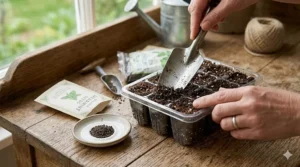
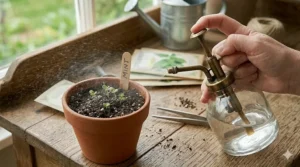
Begin 6-8 weeks before your last frost date. Use sterile seed-starting mix – never garden soil, which can harbor diseases. Fill small containers or cell packs, moisten the soil thoroughly, then press seeds lightly onto the surface. Remember: mint seeds need light to germinate, so don’t bury them.
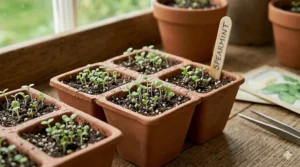
Cover containers with clear plastic to maintain humidity while allowing light penetration. Place in a warm location (70-75°F) with bright indirect light. Seeds typically sprout within 10-14 days. Remove plastic once sprouts appear and provide direct light or grow lights for 12-14 hours daily.
Direct Outdoor Sowing
Wait until soil temperatures consistently reach 60°F or higher. Prepare beds by working in compost and ensuring good drainage. Mint tolerates various soil types but appreciates rich, slightly acidic to neutral soil (pH 6.0-7.0).
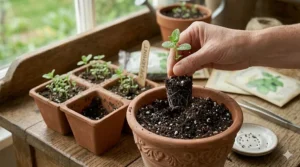
Scatter seeds thinly across the surface and press gently into soil. Water with a fine mist to avoid washing seeds away. Keep consistently moist until germination occurs. Thin seedlings to 9-12 inches apart once they develop several true leaves.
Container Growing Tips
Containers solve mint’s invasive tendencies beautifully. Use pots at least 10-12 inches deep with drainage holes. Mint’s extensive root system appreciates room to spread. One plant per 12-inch pot works well, or space multiple plants 6-8 inches apart in larger containers.
Water when the top inch of soil dries out. Mint enjoys consistent moisture but not waterlogged conditions. Feed monthly with balanced liquid fertilizer during the growing season.
Light and Temperature Needs
Mint tolerates partial shade but produces the most flavorful, aromatic leaves in full sun (6+ hours daily). In hot climates, afternoon shade prevents stress. Plants grown in shade tend toward leggier growth with less intense flavor.
Outdoor mint dies back in winter in cold climates but regrows from roots in spring. Container plants can be brought indoors for winter harvesting. Place near a bright window and reduce watering slightly during dormant periods.
Harvesting and Using Your Homegrown Mint
The beauty of growing mint seeds for planting becomes apparent at harvest time – you can pick fresh leaves whenever needed.
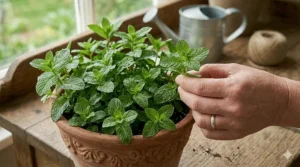
When to Harvest: Begin harvesting once plants reach 6-8 inches tall, typically 60-90 days after planting. Morning harvest, after dew dries but before afternoon heat, captures peak essential oil content. Regular harvesting actually encourages bushier growth.
Harvesting Techniques: Snip stems with scissors rather than tearing leaves. Cut just above a leaf node to encourage branching. You can harvest up to one-third of the plant at once without stressing it. For major harvests, cut stems to 2-3 inches above soil level just before flowering.
Fresh vs. Dried: Fresh mint offers the brightest flavor for beverages, salads, and garnishes. For tea or cooking applications, both fresh and dried work beautifully. To dry mint, bundle stems and hang upside down in a dark, well-ventilated area for 1-2 weeks. Store dried leaves in airtight containers away from light.
Culinary Applications: Spearmint seeds produce leaves perfect for lamb, Mediterranean dishes, cocktails, and fruit salads. Peppermint seeds yield intensely flavored leaves ideal for hot tea, chocolate desserts, and digestive remedies. Chocolate mint seeds create unique leaves that elevate brownies, hot cocoa, and ice cream.
Medicinal Uses: According to studies referenced by WebMD’s analysis of mint health benefits, peppermint oil capsules may ease IBS symptoms, while fresh leaves support digestion and freshen breath. Always consult healthcare providers before using herbs medicinally.
Preservation Methods: Beyond drying, mint freezes beautifully. Chop leaves and freeze in ice cube trays with water or oil. Extract leaves for concentrated mint syrup that stores refrigerated for weeks. Mint-infused vinegars and oils preserve both flavor and beneficial compounds.
Common Challenges and Solutions
Even easy-to-grow mint faces occasional issues. Here’s how to address them.
Poor Germination
Problem: Seeds don’t sprout or show weak germination.
Solutions: Ensure seeds receive adequate light – they won’t germinate if buried. Maintain consistent soil temperature between 70-75°F. Keep soil surface moist but not waterlogged. Old seeds lose viability; always buy fresh stock dated for current growing season.
Leggy, Weak Growth
Problem: Tall, spindly plants with few leaves.
Solutions: Increase light exposure dramatically. Indoor seedlings need 12-14 hours of bright light daily. Pinch growing tips regularly to encourage branching. Reduce nitrogen fertilizer which promotes leaf production over stem strength.
Rust Disease
Problem: Orange or rust-colored spots appear on leaves.
Solutions: Improve air circulation by spacing plants properly. Water at soil level, not overhead. Remove and destroy affected leaves immediately. Rust thrives in humid, crowded conditions. Consider starting fresh with new seeds in clean soil if infection spreads.
Invasive Spreading
Problem: Mint overtakes garden beds, choking out other plants.
Solutions: Grow in containers exclusively, or sink pots into garden beds to contain roots. Install root barriers 12+ inches deep. Regularly pull runners that escape containment. Division every 2-3 years maintains control.
Pest Problems
Problem: Aphids, spider mites, or whiteflies attack plants.
Solutions: Spray strong water jets to dislodge pests. Apply insecticidal soap for heavy infestations. Encourage beneficial insects like ladybugs and lacewings. Neem oil provides organic pest control. Maintain plant health through proper watering and fertilizing.
Winter Die-Back
Problem: Outdoor mint disappears in cold weather.
Solutions: This is normal for perennial mint in zones with freezing winters. Mulch heavily in fall to protect roots. Plants regrow vigorously in spring. Alternatively, pot up divisions and bring indoors for winter harvesting.
Creating a Complete Tea Herb Garden
Combining different mint varieties with complementary herbs creates an exceptional tea herb garden.
Essential Tea Herb Combinations: Pair spearmint seeds with lemon balm for refreshing summer iced tea. Combine peppermint seeds with chamomile for soothing evening blends. Add chocolate mint seeds alongside lavender for unique dessert teas.
Container Garden Layout: Use a large rectangular planter and divide into sections with small barriers. Plant peppermint in one section, spearmint in another, with lemon balm or chamomile filling remaining spaces. Each herb stays contained while you create custom blends from a single container.
Succession Planting: Stagger planting times by 2-3 weeks to ensure continuous harvest. While your first planting matures, later sowings develop, preventing harvest gaps.
Companion Herbs: Beyond mint variety collection, include chamomile, lemon verbena, holy basil, and lavender. These aromatic herb seeds complement mint’s flavor while attracting beneficial pollinators. According to The Old Farmer’s Almanac, mint family members support garden health by deterring certain pests.
Harvesting for Tea: Pick leaves regularly to encourage continuous growth. For dried tea, harvest entire stems just before flowering when essential oil concentration peaks. Hang bundles in a dark, dry location for 1-2 weeks, then strip leaves into airtight containers.
FAQ
❓ How long do mint seeds take to germinate?
❓ Can you grow mint seeds for planting indoors year-round?
❓ What's the difference between peppermint seeds and spearmint seeds?
❓ Do chocolate mint seeds taste like chocolate?
❓ How do you prevent mint from taking over your garden?
Conclusion: Start Your Mint Growing Journey Today
Growing mint seeds for planting transforms your culinary and wellness routines more than almost any other herb. Whether you start with classic peppermint seeds, versatile spearmint seeds, or adventurous chocolate mint seeds, success comes down to proper selection and basic care.
The seven products reviewed here represent the best mint seeds for planting available in 2026. For beginners, the HOME GROWN Mint Variety Pack provides an excellent introduction to multiple varieties. Serious gardeners appreciate Seed Needs’ generous quantities and variety. Budget-conscious growers choose bulk options for maximum coverage.
Remember these key points: surface sow seeds with adequate light, maintain consistent moisture during germination, and contain mint’s enthusiastic spreading. With 85-90% germination rates and vigorous growth, you’ll harvest fresh leaves within 60-90 days.
Your tea herb garden starts with quality aromatic herb seeds. Your mint variety collection begins with a single packet. Don’t wait for spring – many varieties start beautifully indoors any time of year.
Which mint variety will you grow first? The refreshing coolness of peppermint, the culinary versatility of spearmint, or perhaps the unique flavor of chocolate mint? Choose your seeds, prepare your containers, and join thousands of gardeners discovering the joy of homegrown mint.
Recommended for You
- 7 Best Cilantro Seeds for Planting 2026 – Organic & Slow Bolt
- 7 Best Herb Garden Seed Kit for Kitchen Gardens 2026
- 7 Best Basil Seeds for Planting 2026
Disclaimer: This article contains affiliate links. If you purchase products through these links, we may earn a small commission at no additional cost to you.
✨ Found this helpful? Share it with your friends! 💬🤗
