
In This Article
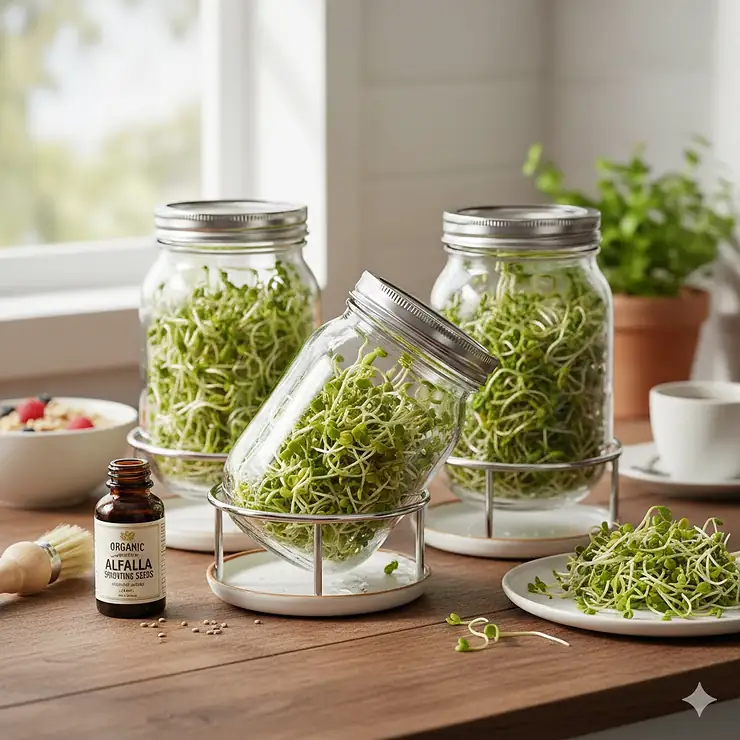
Have you ever wondered why those tiny alfalfa sprouts at the grocery store cost so much for such a small container? I certainly did, and that’s what led me down the rabbit hole of home sprouting. Here’s the beautiful truth: an alfalfa sprout growing kit can transform your kitchen into a mini superfood factory, producing fresh, crunchy sprouts for pennies per serving. These germinated seeds pack an impressive nutritional punch, containing up to 50 times more antioxidants than their mature vegetable counterparts.
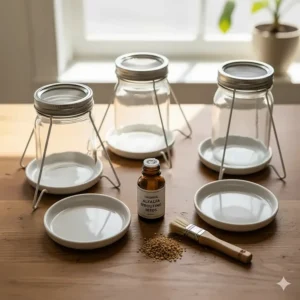
Whether you’re searching for a mung bean sprout kit, a variety sprout seeds kit, or specifically targeting protein-rich sprouts, the right setup makes all the difference. Home sprouting isn’t just economical—it’s incredibly satisfying to watch those tiny seeds transform into vibrant, nutritious greens in just 3-5 days. The market offers everything from simple mason jar setups to sophisticated stackable tray systems, each with unique advantages for different growing styles and space constraints.
Quick Comparison Table
| Product | Type | Capacity | Price Range | Best For |
|---|---|---|---|---|
| Soligt 6-Piece Mason Jar Kit | Jar System | 2 Jars | $25-$35 | Beginners |
| SOLIGT Stackable 2-Tier | Tray System | 2 Layers | $30-$40 | Space Savers |
| PHAIN 4-Tier Kit | Tray System | 4 Layers | $20-$28 | High Volume |
| Mumm’s Starter Pack | Seed Variety | 625g Seeds | $35-$45 | Variety Seekers |
| RIMONA’S Kit | Jar w/ Strainers | 32oz Jar | $28-$38 | Seed Versatility |
| Finderomend 3-Piece | Tray System | 3 Layers | $32-$42 | Quality Build |
| Country Creek 1 Quart | Basic Jar Kit | 1 Quart | $15-$22 | Budget Choice |
💬 Just one click – help others make better buying decisions too!😊
Top 7 Alfalfa Sprout Growing Kits: Expert Analysis
1. Soligt 6-Piece Complete Mason Jar Sprouting Kit
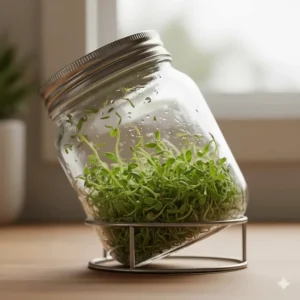
The Soligt 6-Piece Kit stands as the gold standard for beginners entering the sprouting world. This comprehensive set includes two wide-mouth quart jars, 316 stainless steel sprouting lids, a ceramic drip tray, and a 304 stainless steel stand. The surgical-grade stainless steel ensures zero rust issues, while the ceramic tray adds an elegant touch to your countertop.
Key Specifications:
- 316 stainless steel lids (rust-resistant)
- Wide-mouth quart jars (lead-free glass)
- Optimal drainage angle design
Price Range: $25-$35
Customer feedback highlights the thoughtful engineering—the stand holds jars at precisely the right angle for thorough drainage while encouraging air circulation. Users particularly appreciate how the wide mouth makes cleaning effortless and provides ample room for sprout growth.
✅ Pros:
- Premium rust-resistant materials
- Elegant ceramic drip tray
- Perfect drainage angle
❌ Cons:
- Higher initial investment
- Requires counter space for stand
2. SOLIGT Stackable Stainless Steel Seed Sprouting Kit (2-Tier)
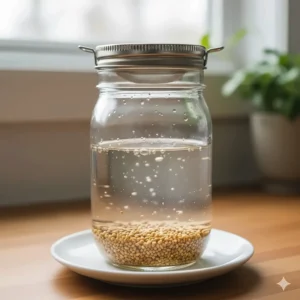
For those working with limited kitchen real estate, this SOLIGT Stackable 2-Tier system is a space-saving miracle. The 8-inch diameter design features one base tray with fine mesh for drainage, two sprouting mesh trays for growing multiple seed varieties simultaneously, and one cover lid for moisture preservation.
Key Specifications:
- 304 stainless steel construction
- 8-inch diameter trays
- Ultra-fine filter bottom
Price Range: $30-$40
The innovative stackable design means you can grow alfalfa on one level and a lentil sprouting kit on another, maximizing your nutritional variety without cluttering your counter. Reviews consistently mention the superior drainage system that prevents seed rot—a common problem with cheaper alternatives.
✅ Pros:
- Vertical space efficiency
- Prevents seed clogging
- Grows multiple varieties simultaneously
❌ Cons:
- Smaller capacity per tray
- Learning curve for water distribution
3. PHAIN 4-Tier Seed Sprouting Kit
The PHAIN 4-Tier Kit represents exceptional value for families or serious sprout enthusiasts. This nutritious sprouting mix powerhouse features stackable trays with ripple design and drainage holes, creating optimal conditions for rapid germination. The soil-free system works brilliantly for alfalfa, beans, and microgreens.
Key Specifications:
- 4 stackable PP trays
- Ripple design for drainage
- Top watering system
Price Range: $20-$28
What sets this multi-seed sprouter apart is its user-friendly design—simply pour water on the lid, and it cascades through each layer, ensuring even moisture distribution. Users report harvesting enough sprouts for daily smoothies and salads without constant restocking.
✅ Pros:
- High volume production
- Budget-friendly pricing
- Easy cleaning process
❌ Cons:
- Plastic construction
- Requires daily attention
4. Mumm’s Sprouting Seeds – Starter Sample Pack
Not technically a sprouter but absolutely essential for your sprouting journey, the Mumm’s Starter Pack delivers 625 grams of premium organic seeds. This variety sprout seeds kit includes Spring Salad Mix, Ancient Eastern Blend, Crimson Lentils, Mung Beans, Broccoli Brassica Blend, and Alfalfa—each carefully selected for optimal germination rates.
Key Specifications:
- 625g total weight (6 varieties)
- USDA Organic certified
- Non-GMO verified seeds
Price Range: $35-$45
The Mumm family has been farming organically since the 1970s, and their commitment to quality shows in germination rates exceeding 90%. Customers rave about the variety, noting that different sprouts offer distinct flavors from mild alfalfa to peppery radish varieties.
✅ Pros:
- Certified organic quality
- Multiple seed varieties
- Excellent germination rates
❌ Cons:
- Requires separate sprouter
- Premium pricing
5. RIMONA’S Sprouting Kit with Curved Enhanced Mesh Strainers
The RIMONA’S Kit introduces a unique approach with its dual-mesh strainer system. This innovative alfalfa sprout growing kit includes two stainless steel curved mesh strainers (1mm and 2.5mm), accommodating everything from tiny alfalfa seeds to larger mung beans. The original Ball Mason jar adds nostalgic charm while the 316 stainless steel ensures food safety.
Key Specifications:
- Dual mesh strainers (1mm & 2.5mm)
- 316 stainless steel construction
- 32oz Ball Mason jar included
Price Range: $28-$38
This versatility makes it perfect for experimenting with different protein-rich sprouts. The curved mesh design prevents seeds from getting trapped in corners, addressing a frustration many sprouters experience with flat screens.
✅ Pros:
- Two mesh sizes for versatility
- Premium stainless steel
- Dishwasher safe components
❌ Cons:
- Single jar limitation
- Strainers require careful handling
6. Finderomend Sprouts Growing Kit (3-Piece Stackable)
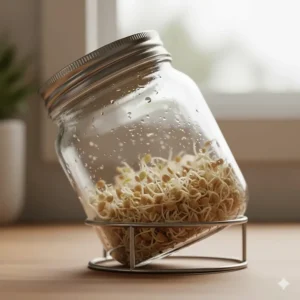
The Finderomend 3-Piece strikes an excellent balance between capacity and convenience. Featuring three 304 stainless steel trays with fine mesh bottoms, this system allows simultaneous growth of different varieties—perfect for those wanting a nutritious sprouting mix without excessive bulk.
Key Specifications:
- 304 food-grade stainless steel
- 3-tier stackable design
- Fine mesh for tiny seeds
Price Range: $32-$42
Users appreciate the smooth surface that makes cleaning a breeze compared to plastic alternatives. The anti-rust properties ensure this investment lasts for years, and the germination tray design with moisture-retention cover creates the ideal microclimate for sprouting success.
✅ Pros:
- Durable stainless construction
- Smooth cleaning surface
- Optimal moisture retention
❌ Cons:
- Mid-range price point
- Limited capacity per tray
7. Country Creek Brand 1 Quart Sprouter with 2 Screens
For budget-conscious beginners, the Country Creek Kit offers an affordable entry point into home sprouting. This basic setup includes a one-quart jar, two sprouting screens, and a comprehensive 6-page instruction guide. While simple, it effectively grows alfalfa, broccoli, and other small-seed varieties.
Key Specifications:
- 1-quart glass jar
- 2 stainless steel screens
- Complete instruction guide
Price Range: $15-$22
Don’t let the modest price fool you—this kit delivers results. The included seeds (alfalfa and broccoli) let you start sprouting immediately. Customer reviews note excellent results for small households, though larger families might quickly outgrow the single-jar capacity.
✅ Pros:
- Budget-friendly entry option
- Includes starter seeds
- Comprehensive instructions
❌ Cons:
- Limited capacity
- Basic design
- May need upgrades later
✨ Don’t Miss These Exclusive Deals!
🔍 Take your home sprouting to the next level with these carefully selected products. Click on any highlighted item to check current pricing and availability. These tools will help you create authentic nutritious sprouting mix your family will love!
Understanding Alfalfa Sprouts and Their Nutritional Power
Alfalfa sprouts come from germinated seeds of Medicago sativa, a plant whose name translates from Arabic as “best horse fodder.” Humans have recognized alfalfa’s value since ancient civilizations—the earliest traces appear in Iran around 500 BC. Today, research from the National Center for Biotechnology Information confirms what traditional medicine has long suggested: these tiny powerhouses contain exceptional concentrations of vitamins, minerals, and bioactive compounds.
A single cup of fresh alfalfa sprouts provides vitamin K, vitamin C, folate, and essential minerals like manganese and copper—all while containing fewer than 10 calories. The germination process actually enhances nutrient bioavailability, making sprouted seeds more nutritious than their unsprouted counterparts. Studies show that sprouting increases folate content several-fold and unlocks enzymes that aid digestion.
Choosing Between Mason Jar and Tray Systems
The eternal debate in sprouting circles centers on methodology: jars versus trays. Mason jar systems like the Soligt offer unmatched simplicity—rinse, drain, repeat. They’re transparent, allowing you to monitor progress, and their compact footprint suits smaller kitchens perfectly. The learning curve is gentle, making them ideal for beginners experimenting with their first alfalfa sprout growing kit.
Conversely, tray systems excel in volume and variety. The stackable design of products like the PHAIN 4-Tier lets you simultaneously cultivate a lentil sprouting kit on one level, mung bean sprout kit on another, and your variety sprout seeds kit on a third. This approach provides continuous harvest cycles and greater dietary diversity. However, they demand more counter space and slightly more attention to ensure even water distribution across layers.
Consider your goals: occasional sandwich toppings favor jars, while daily smoothie ingredients or family-sized portions justify tray investments.
The Science of Sprouting: Optimal Conditions for Success
Successful sprouting requires understanding three critical factors: moisture, air circulation, and temperature. Seeds need consistent dampness but not waterlogging—excess moisture breeds mold and bacterial growth. This is where quality equipment makes the difference. Premium kits like RIMONA’S feature curved mesh designs that prevent water pooling, while stackable systems incorporate drainage holes that channel water efficiently.
Air circulation proves equally vital. Stagnant conditions invite pathogens, which explains why cramming too many seeds into your sprouter often backfires. The recommended ratio is about 2 tablespoons of seeds per quart of sprouting capacity. Temperature-wise, alfalfa thrives between 65-75°F—conveniently, standard room temperature.
The typical alfalfa sprouting timeline follows a predictable pattern: 8-hour initial soak, followed by twice-daily rinses for 3-5 days. By day three, you’ll notice tiny tails emerging. By day five, those tails develop into recognizable sprouts with delicate leaves. Harvest occurs when sprouts reach 1-2 inches, before leaves fully mature and develop bitter flavors.
Safety Considerations When Growing Sprouts at Home
While home sprouting is generally safe, understanding potential risks outlined by health authorities helps you make informed decisions. Sprouts grow in warm, moist environments—conditions that can also harbor bacteria like E. coli, Salmonella, and Listeria if contamination occurs.
Minimize risks through these practices: purchase seeds specifically marked for sprouting from reputable suppliers like Mumm’s, sanitize all equipment between batches using hot water and vinegar, discard any sprouts with off odors or slimy texture, and refrigerate harvested sprouts promptly. Pregnant women, young children, elderly individuals, and those with compromised immune systems should consult healthcare providers before consuming raw sprouts.
Quality equipment matters here too. Stainless steel options like the SOLIGT Stackable resist bacterial colonization better than plastic alternatives, and proper drainage prevents the standing water where pathogens flourish.
Maximizing Nutrition with Multi-Seed Sprouting
While alfalfa earns its superfood status, diversifying your protein-rich sprouts portfolio amplifies health benefits dramatically. Broccoli sprouts contain sulforaphane, a compound studied for cancer-prevention properties. Lentil sprouts provide plant-based protein and fiber. Radish sprouts offer a peppery kick plus vitamin C. Mung bean sprouts deliver folate and manganese.
This is where products like the Mumm’s Starter Pack shine, providing a curated nutritious sprouting mix that introduces you to flavor profiles beyond basic alfalfa. Start with mild varieties (alfalfa, clover) to build confidence, then graduate to bolder options (radish, mustard). Your multi-seed sprouter setup allows simultaneous cultivation, creating what I call a “sprout rainbow”—different colors, textures, and nutrients in every harvest.
Rotation prevents taste fatigue and ensures broad-spectrum nutrition. Monday might feature alfalfa in your smoothie, Wednesday sees lentil sprouts on your salad, and Friday welcomes spicy radish sprouts in your sandwich. This variety keeps meals interesting while maximizing the protective phytonutrients different seeds offer.
Troubleshooting Common Sprouting Problems
Even experienced sprouters encounter occasional hiccups. Let’s address the most common issues and their solutions.
Mold Growth: Often mistaken for root hairs, true mold appears fuzzy and gray. Prevention involves thorough drainage (invest in quality stands like those included with Soligt kits), adequate rinsing frequency (twice daily minimum), and proper air circulation. If mold appears, discard the batch and sanitize equipment thoroughly.
Poor Germination: When seeds refuse to sprout, suspect old seeds (check expiration dates), insufficient soaking time (alfalfa needs 8 hours minimum), or temperature extremes (keep sprouters away from heating vents). Mumm’s seeds typically show 90%+ germination when properly handled.
Slime Formation: Excessive slime indicates over-soaking or inadequate drainage. Ensure your sprouter drains completely after each rinse. The RIMONA’S curved mesh strainers specifically combat this issue by preventing seed clumping.
Off Flavors: Bitter or unpleasant tastes often mean sprouts grew too long. Harvest alfalfa at 3-5 days maximum. Exposure to light during the final 12-24 hours encourages chlorophyll development and pleasant flavor, but excessive light or heat creates bitterness.
Cost Analysis: Home Sprouting vs Store-Bought
Let’s run the numbers on your alfalfa sprout growing kit investment. A 4-ounce container of organic sprouts at the grocery store costs roughly $3-4. That same container represents about 1 tablespoon of seeds—approximately $0.50 worth when buying in bulk. A basic 16-ounce bag of organic alfalfa seeds ($8-12) produces approximately 32 containers of sprouts, saving you $90-120 over store-bought options.
Quality equipment like the Soligt kit ($30) pays for itself within the first month of regular use. Even premium setups recover costs within 2-3 months compared to grocery store purchases. Factor in the freshness advantage (sprouts harvested minutes before consumption versus days-old store inventory) and the economics become even more compelling.
For families consuming sprouts daily, the savings multiply. A household growing sprouts 3-4 times weekly easily saves $200-300 annually while enjoying superior freshness and nutrition. The initial equipment investment transforms into ongoing dividends for years.
Incorporating Sprouts into Your Daily Diet
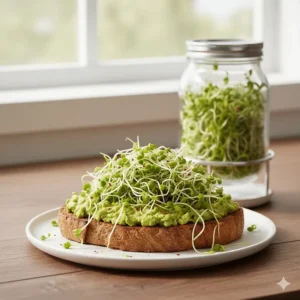
Fresh sprouts deserve better than occasional sandwich garnish status. These versatile ingredients enhance countless dishes while adding minimal calories and maximum nutrition. Morning smoothies benefit from mild alfalfa or clover sprouts—their subtle flavor blends seamlessly with fruits while boosting protein and vitamins. Blend a handful into your regular recipe for an invisible nutrition upgrade.
Lunch transforms when you replace lettuce with crunchy sprout blends. The variety sprout seeds kit approach creates colorful, texturally interesting sandwiches and wraps. Try layering different types: alfalfa for volume, radish for spice, sunflower for nutty richness. Salads gain dimension when topped with fresh sprouts instead of croutons—better nutrition, better texture, better flavor.
Dinner applications extend beyond obvious choices. Stir-fries welcome mung bean sprout additions, added during the final minute to preserve crispness. Soups and stews benefit from sprout garnishes that add fresh contrast to hearty bases. Even tacos and grain bowls become more interesting with sprout toppings that provide cooling crunch against spiced proteins.
The key is treating sprouts as ingredients rather than afterthoughts. Stock your refrigerator with multiple varieties grown in your multi-seed sprouter, and you’ll naturally incorporate them throughout your day.
Advanced Sprouting Techniques for Enthusiasts
Once you’ve mastered basic sprouting, several advanced techniques await exploration. Blackout sprouting involves keeping jars covered during the first 2-3 days, producing longer, sweeter sprouts. The PHAIN 4-Tier kit accommodates this method beautifully with its light-blocking capabilities.
Green sprouting exposes mature sprouts to indirect sunlight for 12-24 hours before harvest, triggering chlorophyll production. This creates the vibrant green color associated with premium sprouts while potentially increasing certain nutrient levels. The Finderomend stainless steel trays work perfectly for this technique since metal won’t degrade under light exposure like some plastics might.
Mixing complementary varieties in single batches creates custom blends. Combine alfalfa (mild), clover (sweet), and radish (spicy) for a balanced nutritious sprouting mix. Ensure chosen seeds have similar sprouting times and water requirements.
Temperature manipulation affects flavor and texture. Slightly cooler temperatures (60-65°F) produce crispier sprouts with slower growth, while warmer conditions (70-75°F) accelerate development but may sacrifice some crunch. Experiment to discover your preferences.
FAQ
❓ What makes alfalfa sprouts so nutritious compared to regular vegetables?
❓ How long do fresh alfalfa sprouts last in the refrigerator?
❓ Can I use the same sprouter for different types of seeds?
❓ What is the ideal sprouting temperature for alfalfa seeds?
❓ Do I need special organic seeds or will regular seeds work?
Conclusion: Your Path to Fresh, Homegrown Nutrition
Choosing the right alfalfa sprout growing kit transforms your relationship with fresh produce. Whether you select the beginner-friendly Soligt 6-Piece Mason Jar Kit, the space-efficient SOLIGT Stackable 2-Tier system, or the high-volume PHAIN 4-Tier setup, you’re investing in years of nutritious, economical sprout harvests. Pair any sprouter with quality seeds like the Mumm’s Starter Pack for guaranteed success.
The beauty of home sprouting lies in its simplicity and consistency. Five minutes daily produces a continuous supply of fresh, living nutrition for pennies per serving. Your mung bean sprout kit operations run alongside lentil sprouting kit harvests, creating the diverse nutritious sprouting mix that supports optimal health. The protein-rich sprouts you grow at home surpass anything available in stores, both in freshness and nutrient density.
Start with a single system matching your space and budget constraints. Master the basics with alfalfa, then expand your repertoire with the variety sprout seeds kit approach. Within weeks, you’ll wonder how you ever lived without fresh sprouts enhancing your meals. The multi-seed sprouter lifestyle becomes second nature, rewarding you with better health, significant savings, and the satisfaction of growing your own superfood.
Recommended for You
- 7 Best Commercial Microgreens Growing Kits for Restaurants 2026
- 7 Best Modern Sprout Grow Kits 2026
- 7 Best Organic Microgreens Growing Kits (USDA Certified 2026)
Disclaimer: This article contains affiliate links. If you purchase products through these links, we may earn a small commission at no additional cost to you.
✨ Found this helpful? Share it with your friends! 💬🤗
