
In This Article
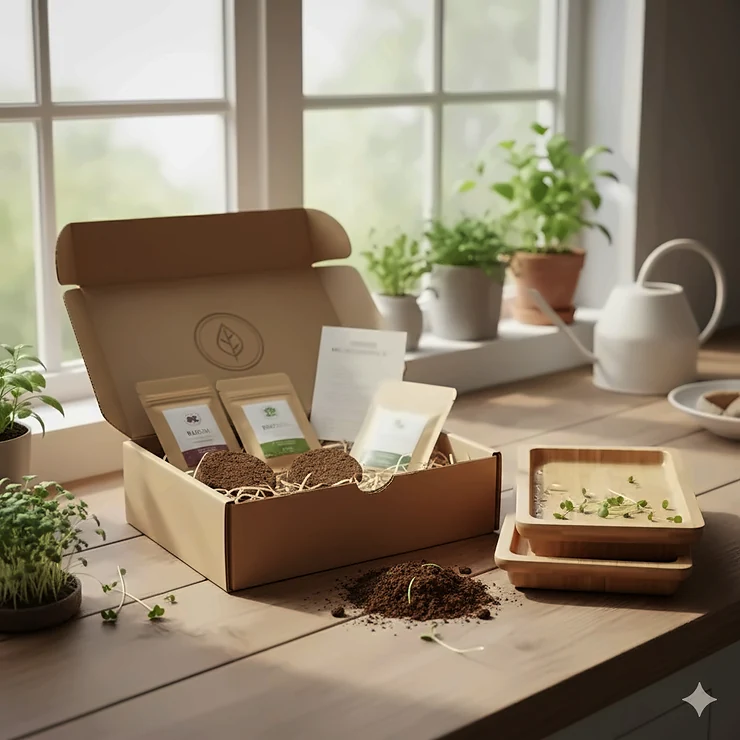
Picture this: your friend unwraps a beautifully packaged box, and inside sits everything they need to grow their own nutrient-packed superfood in just seven days. No green thumb required, no outdoor space needed, just fresh, organic microgreens sprouting right on their kitchen counter.
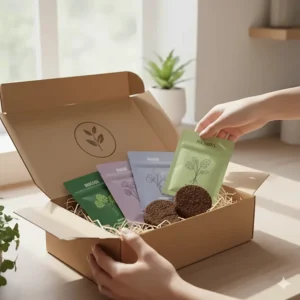
That’s the magic of a microgreens kit gift.
I’ll be honest—when I first heard about microgreens kits as presents, I was skeptical. Would anyone really get excited about growing tiny vegetables? But after witnessing the joy on my sister’s face when she harvested her first crop of radish microgreens, I became a believer. These compact kits represent something much bigger than just plants. They’re gifts of health, sustainability, and self-sufficiency wrapped in one attractive package.
Research from the USDA Agricultural Research Service reveals that microgreens contain up to 40 times more nutrients than their mature counterparts, making them one of nature’s most concentrated sources of vitamins and minerals. When you give someone a microgreens kit gift, you’re not just handing them seeds and soil—you’re offering them a gateway to better nutrition, reduced grocery bills, and a deeper connection with their food.
Whether you’re shopping for the health-conscious friend who tracks every macro, the eco-warrior committed to reducing their carbon footprint, or the urban dweller longing for a touch of green in their apartment, a microgreens kit gift checks every box. They’re educational, sustainable, and surprisingly addictive once that first harvest comes in. According to recent research published in Nature, different microgreen varieties offer unique nutritional profiles, from iron-rich broccoli to calcium-packed sunflower shoots.
In this comprehensive guide, I’ll walk you through the seven best microgreens kit gift options available in 2026, breaking down what makes each one special and helping you find the perfect match for everyone on your list.
Quick Comparison Table: Top Microgreens Kit Gift Options
| Product | Price Range | Best For | Growing Method | Harvest Time |
|---|---|---|---|---|
| ZestiGreens Self-Watering Kit | $35-45 | Beginners & Busy People | Hydroponic/Soil | 7-10 days |
| Mountain Valley Mini Kit | $12-30 | Budget-Conscious Gifting | Soil-Based | 10 days |
| HAMAMA Growing Kit | $45-55 | Convenience Seekers | Patented Seed Quilts | 7-10 days |
| Back to the Roots Kit | $40-50 | Eco-Conscious Families | Organic Soil | 7 days |
| Environet Home Kit | $25-35 | First-Time Growers | Soil-Less Mat | 7-10 days |
| GARDYN Complete Kit | $55-70 | Serious Gardeners | Hydroponic System | 7-10 days |
| Organic Wooden Planter Kit | $40-50 | Design Enthusiasts | Soil-Based | 7 days |
💬 Just one click – help others make better buying decisions too!😊
Top 7 Microgreens Kit Gift: Expert Analysis
1. ZestiGreens Self-Watering Microgreens Growing Kit
If there’s one microgreens kit gift that makes growing foolproof, it’s this bamboo-framed beauty. The ZestiGreens Self-Watering Microgreens Growing Kit takes all the guesswork out of indoor gardening with its clever self-watering design that practically runs itself.
Key Specifications:
- 12″x6″ reusable tray with elegant bamboo surround
- Dual growing method (hydroponic insert or soil option)
- Includes Red Garnet Amaranth and Superfood Mix seeds
Price Range: $35-45
Here’s what sets it apart: you literally add water once and walk away. The hydroponic insert wicks moisture to the hemp growing mats at exactly the right rate, eliminating the daily misting routine that kills most people’s enthusiasm. Customer Sarah M. from Seattle raves, “I’ve killed every plant I’ve ever owned, but these microgreens thrive with zero effort.”
✅ Pros:
- No soil mess—perfect for apartment dwellers
- Versatile enough for both hydroponic and soil growing
- Beautiful bamboo frame looks great on any countertop
❌ Cons:
- Slightly higher price point
- Larger footprint than compact alternatives
The 16-page illustrated guide makes this an exceptional gardening gift ideas for adults who’ve never grown anything before. Plus, the bamboo surround transforms what could be just another plastic tray into a decorative kitchen accent.
2. Mountain Valley Seed Company Mini Microgreens Growing Kit
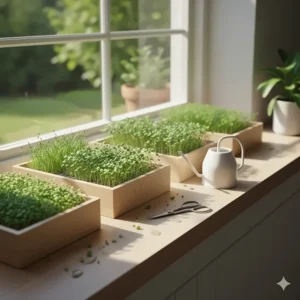
Sometimes the best gifts come in small packages. The Mountain Valley Seed Company Mini Microgreens Growing Kit proves that you don’t need a big setup to grow big nutrition.
Key Specifications:
- Compact single-serve growing container with humidity lid
- Certified organic seeds (OTCO certified)
- Pre-fertilized soil puck expands with water
Price Range: $12-30 (single kit) or $25-35 (6-pack variety)
These mini kits make fantastic stocking stuffers or additions to larger gift baskets. Each one contains everything needed for one complete growing cycle—the container, humidity dome, organic seeds, soil puck, and even a tiny mist sprayer. I love giving the 6-pack variety as an indoor garden gift set because recipients can try different flavors: spicy radish, earthy sunflower, peppery arugula, and more.
✅ Pros:
- Budget-friendly pricing perfect for multiple gifts
- USDA certified organic for health-conscious gift ideas
- Variety pack lets people discover their favorite flavors
❌ Cons:
- Single-use design (container not meant for long-term reuse)
- Smaller yield compared to larger kits
Mountain Valley backs every kit with personalized customer service, which matters when you’re giving a gift to someone new to growing. The company’s US-based team will help troubleshoot any issues, taking pressure off you as the gift-giver.
3. HAMAMA Microgreens Growing Kit
Innovation meets convenience in the HAMAMA Microgreens Growing Kit, which revolutionizes the growing process with patented Seed Quilts that eliminate virtually every step.
Key Specifications:
- Proprietary Seed Quilts combine seeds, growing medium, and humidity dome
- Elegant ceramic tray suitable for any décor
- Includes Salad Mix, Broccoli, and Kale seed quilts
Price Range: $45-55
What makes HAMAMA special? Their Seed Quilts. You simply place the quilt in the tray, add water once, and come back in 7-10 days to harvest. The seed quilt handles seed spacing, moisture retention, and even provides its own humidity dome. According to research from the University of Maryland, proper humidity control is crucial for optimal microgreen growth, and HAMAMA has engineered this right into their design.
Customer Jennifer L. shares, “I gave this to my mom who’s in her 70s, and she’s become obsessed. She’s on her fifth crop and brags to all her friends.”
✅ Pros:
- Absolute easiest growing method on the market
- Beautiful ceramic tray suitable as permanent kitchen décor
- Guaranteed to grow or full refund
❌ Cons:
- Ongoing cost for replacement Seed Quilts
- Less educational than traditional growing methods
This makes an exceptional gifts for plant lovers who want results without effort, particularly older recipients or those with limited mobility.
4. Back to the Roots Organic Microgreens Grow Kit
When sustainable gift microgreens meet beautiful design, you get the Back to the Roots Organic Microgreens Grow Kit. This Oakland-based company started in a college apartment and grew into America’s leading organic indoor gardening brand.
Key Specifications:
- 100% USDA certified organic and non-GMO
- Made in Utah with zero-waste materials
- Includes ceramic planter, expandable soil, and 3 seed varieties
Price Range: $40-50
Back to the Roots has perfected the balance between sustainability and performance. Their expandable soil discs are made from coconut coir (a waste product from coconut processing), the trays are compostable, and even the packaging is plastic-free. Yet nothing about this kit feels compromised. The white ceramic planter is genuinely attractive, the seeds germinate reliably, and the included varieties (Rainbow Mix, Mighty Mix, and Broccoli) offer exciting color and flavor diversity.
Their #GrowOneGiveOne program adds another feel-good element: share a photo of your harvest on social media, and they’ll donate a kit to a classroom. This transforms your eco-friendly presents into educational opportunities for kids.
✅ Pros:
- Comprehensive sustainability credentials
- Attractive ceramic planter worth keeping
- Free Green-Thumb Text Support for troubleshooting
❌ Cons:
- Soil-based method creates some mess
- Refill kits sold separately
Research published in PMC confirms that organic growing methods for microgreens can enhance nutritional content while reducing environmental impact, making this kit ideal for health-conscious gift ideas.
5. Environet Home Microgreens Growing Kit
The Environet Home Microgreens Growing Kit strikes the sweet spot between affordability and quality, making it perfect for those testing the microgreens waters without a major investment.
Key Specifications:
- Black microgreens tray with grow mat
- Organic non-GMO Mild Mix seeds (CCOF certified)
- Soil-less growing method
Price Range: $25-35
Environet takes a simplified approach that works brilliantly. The kit includes a sleek black tray, a coconut coir grow mat, and their Mild Mix blend designed specifically for even maturation and diverse colors. This means everything in your tray reaches harvest-ready size at the same time—no frustration with some varieties overgrown while others lag behind.
What I appreciate most is the price-to-quality ratio. At $25-35, this represents an accessible entry point for sustainable gift microgreens without sacrificing organic certification or growing performance.
✅ Pros:
- Competitive pricing without compromising quality
- Soil-less method minimizes mess
- CCOF organic certification ensures purity
❌ Cons:
- Basic aesthetic won’t wow design-focused recipients
- Single variety included (though refills available)
This works wonderfully as a thoughtful addition to other gifts for plant lovers, or as a way to introduce multiple people to microgreens without breaking the bank.
6. GARDYN Complete Microgreens Growing Kit
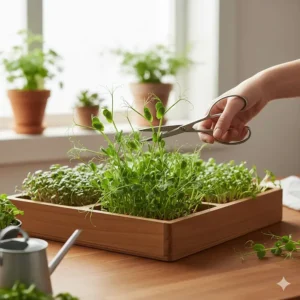
For the serious indoor gardener ready to level up, the GARDYN Complete Microgreens Growing Kit delivers professional-grade results with its comprehensive nursery system.
Key Specifications:
- Complete nursery with 20 seed pads and bamboo wicks
- 10 reusable grow plates for multiple simultaneous crops
- Four premium varieties: Arugula, Mild Blend, Spicy Blend, Red Mustard
Price Range: $55-70
GARDYN represents the premium tier of microgreens kit gift options. Their nursery system accommodates multiple grow plates simultaneously, meaning you can stagger plantings for continuous harvest. The bamboo wicks provide consistent moisture without overwatering, and the reusable plates make this a long-term investment rather than a disposable product.
This kit shines brightest when placed on GARDYN’s hydroponic system lid (sold separately), where full-spectrum LED lighting accelerates growth. But it works perfectly fine in a sunny window too.
✅ Pros:
- Scalable system for serious growers
- Multiple varieties for flavor experimentation
- Reusable components reduce ongoing costs
❌ Cons:
- Higher initial investment
- Optimized for use with GARDYN’s hydroponic system
Perfect for the ambitious recipient who’ll appreciate the expandability and professional-grade features. According to microgreens research, consistent lighting and moisture control significantly impact nutritional content, which GARDYN’s system provides.
7. Organic Microgreens Growing Kit with Wooden Countertop Planter
Combining rustic charm with nutritional power, this Organic Microgreens Growing Kit with Wooden Countertop Planter turns functional growing into farmhouse décor.
Key Specifications:
- Beautiful wooden planter suitable for permanent display
- Includes organic Sunflower and Mixed Microgreens seeds
- Expandable soil provides two complete crops
Price Range: $40-50
This kit emphasizes the experiential journey of watching seeds transform into harvestable greens. The expandable soil comes compressed, and recipients experience the satisfying transformation as it swells to fill the wooden planter. Kids especially love this “magic” moment, making it an engaging gardening gift ideas for families.
Sunflower microgreens are the most popular variety globally, offering mild flavor, substantial texture, and impressive nutrition. The included Mixed Salad blend adds visual interest with varied colors and leaf shapes.
✅ Pros:
- Wooden planter doubles as kitchen décor
- Highly engaging for children and beginners
- Provides enough materials for two complete growing cycles
❌ Cons:
- Requires soil, which some find messier
- Wooden planter needs occasional treatment to prevent water damage
One reviewer shared, “I gave this to my nephew for his birthday, and now he eats vegetables willingly for the first time ever.” That transformation potential makes this kit invaluable for parents seeking creative ways to encourage healthy eating.
Why Microgreens Make Perfect Sustainable Gifts in 2026
The shift toward eco-friendly presents has accelerated dramatically. According to recent sustainability trends, consumers now prioritize gifts that align with environmental values while delivering genuine utility. Microgreens kits embody this perfectly.
Environmental Impact That Actually Matters
Consider the typical gift: manufactured overseas, shipped thousands of miles, used briefly, then discarded. A microgreens kit gift flips this model entirely. The kit itself generates minimal waste (many use recyclable or compostable materials), while the microgreens it produces replace store-bought greens that traveled an average of 1,500 miles to reach your plate.
Each harvest from a home microgreens kit eliminates one plastic clamshell container that would otherwise enter the waste stream. Over a year, a single kit could prevent 50+ plastic containers from landfills. That’s tangible impact anyone can measure.
The Health Revolution in a Gift Box
Modern research keeps revealing new benefits of microgreens. Studies from institutions like the NIH demonstrate that these tiny greens deliver concentrated antioxidants, vitamins, and minerals in forms our bodies readily absorb. Red cabbage microgreens, for instance, contain exceptional vitamin C levels, while cilantro microgreens excel in carotenoids.
When you give a microgreens kit gift, you’re literally gifting better health. Recipients start incorporating nutrient-dense foods into daily meals without expensive supplements or complicated meal prep. It’s preventative health care disguised as a fun hobby.
Breaking the Cycle of Wasteful Gift-Giving
How many gifts have you received that sparked initial excitement, then gathered dust in a closet? Microgreens kits operate differently. They demand gentle attention, reward effort with tangible results, and create an ongoing relationship between giver and recipient.
Friends who receive microgreens kits often share harvest photos, ask growing questions, and eventually request seed refills. This transforms a one-time present into an extended conversation and shared interest. That’s the difference between a good gift and a great one.
Understanding Different Microgreens Varieties for Gift Selection
Not all microgreens taste the same, and matching variety to recipient personality elevates your gift from generic to perfectly personalized.
Mild & Versatile Options
Sunflower microgreens top this category. They taste subtly nutty, work in everything from smoothies to sandwiches, and grow reliably for beginners. If you’re unsure what someone likes, sunflower represents the safest bet.
Pea shoots bring gentle sweetness and substantial crunch. They’re particularly popular with kids and anyone hesitant about “weird health foods.” One parent told me her picky eater requests pea shoots on every meal now.
Spicy & Bold Varieties
Radish microgreens deliver serious punch. They’re for the adventurous eater who appreciates wasabi, horseradish, or spicy mustard. These varieties wake up boring salads and add personality to tacos.
Mustard greens bring similar heat but with more complexity—peppery with underlying earthiness. They’re exceptional in Asian-inspired dishes or as bold garnishes.
Nutrient Powerhouses
Broccoli microgreens lead the nutrition charts. Research shows they contain concentrated sulforaphane, a compound linked to cancer prevention. They taste mild with slight bitterness, making them ideal for health-focused individuals.
Kale microgreens concentrate the superfood reputation of mature kale into tiny, tender leaves. They’re less bitter than adult kale and work brilliantly in smoothies where mature kale would overwhelm.
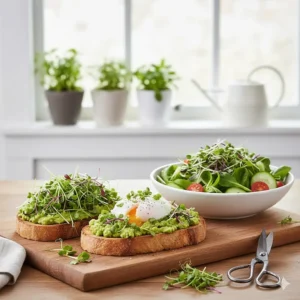
Growing Microgreens: The Complete Gift Recipient Guide
Your gift recipient will appreciate knowing what to expect. Here’s the realistic timeline and process.
Days 1-3: The Germination Phase
After planting (which takes about 5 minutes with most kits), seeds need darkness. Some kits include blackout covers; others recommend placing the tray in a cabinet. This darkness triggers germination as seeds think they’re underground.
During this phase, moisture is everything. The grow mat or soil should feel damp but not waterlogged. Many first-timers either underwater (seeds won’t germinate) or overwater (seeds rot). The self-watering kits like ZestiGreens solve this problem automatically.
Days 4-7: The Growth Explosion
Once you expose the sprouted seeds to light, magic happens. Stems stretch upward, cotyledon leaves unfurl, and you can literally watch growth hour by hour. This phase captivates kids and adults equally.
The tray should sit in indirect sunlight or under a grow light. Direct summer sun can scorch delicate leaves, while winter windowsills work perfectly. According to microgreens production research, 12-16 hours of light daily optimizes growth and nutrient content.
Days 7-10: Harvest Time
Most microgreens reach peak harvest around day 7-10. You’ll know they’re ready when the first true leaves begin emerging (the third and fourth leaves that appear after the initial cotyledons). This signals maximum nutrition and optimal flavor.
Harvesting couldn’t be simpler: scissors and a gentle cutting motion about 1 inch above the grow mat. The fresh-cut microgreens should be used immediately or stored in the refrigerator, where they’ll stay crisp for 3-5 days.
How to Choose the Perfect Microgreens Kit Gift
Selecting the right kit requires considering who’s receiving it and what will resonate with them.
1. Assess Their Living Situation
Apartment dwellers with limited counter space need compact kits like the Mountain Valley mini versions. Those with dedicated kitchen real estate can appreciate the statement-making GARDYN system or wooden planter options.
Sunlight availability matters too. South-facing windows provide ideal conditions, but kits with self-contained growing lights work anywhere.
2. Consider Their Experience Level
Never grown anything before? Stick with foolproof options like HAMAMA or ZestiGreens. These kits minimize variables and maximize success rates.
Experienced gardeners might appreciate the GARDYN system’s complexity and scalability. They’ll enjoy experimenting with growing conditions and varieties.
3. Match Their Values
For the eco-warrior friend, Back to the Roots’ comprehensive sustainability credentials matter. The organic certification, zero-waste packaging, and donation program align with their values.
Budget-conscious recipients will appreciate the Mountain Valley kits that deliver results without premium pricing.
4. Think About Aesthetics
Some people want functional tools; others want beautiful objects. The bamboo-framed ZestiGreens kit or ceramic HAMAMA tray suit those who care about kitchen aesthetics.
The basic black Environet tray works for minimalists who prefer understated practicality.
Microgreens Kit Gift vs. Traditional Plant Gifts
How do microgreens kits stack up against other popular plant-based presents?
| Feature | Microgreens Kit | Houseplant | Herb Garden |
|---|---|---|---|
| Edibility | 100% | 0% | 100% |
| Growing Speed | 7-10 days | Months/years | 4-8 weeks |
| Nutrition Density | Very High | N/A | Moderate |
| Maintenance | Low-Moderate | Moderate-High | Moderate |
| Success Rate | Very High | Varies widely | Moderate |
| Longevity | Continuous cycles | Years | Seasonal |
Traditional houseplants require ongoing care for months before showing significant growth. They might die from neglect, pests, or environmental issues. Microgreens kits provide near-guaranteed success in days, not months.
Herb gardens occupy a middle ground but typically demand more attention than microgreens. Fresh basil requires regular harvesting, pruning, and eventually replanting. Microgreens operate on quick cycles—plant, grow, harvest, repeat.
Maximizing Nutritional Value from Microgreens Gifts
Once your gift recipient starts growing, help them maximize nutritional benefits.
Harvest Timing Matters
Research shows microgreens contain peak nutrients when the first true leaves emerge but before they fully expand. This typically occurs around day 7-10, though some varieties mature faster or slower.
Waiting too long doesn’t harm the greens (they simply become baby greens), but nutrient density begins declining as energy shifts from cotyledons to true leaf development.
Storage Techniques
Harvested microgreens deteriorate quickly due to high respiration rates. For maximum nutrition and freshness:
- Harvest only what you’ll use immediately when possible
- Store extras unwashed in an airtight container with paper towel
- Refrigerate at 35-40°F (most refrigerators run slightly warmer)
- Use within 3-5 days of harvest
Washing before storage accelerates decay. Instead, rinse gently just before eating.
Consumption Methods
Heat destroys many microgreens’ delicate nutrients and flavors. Use them raw whenever possible:
- Sandwich and wrap toppers
- Salad bases or mix-ins
- Smoothie additions
- Garnishes for soups (added after cooking)
- Pizza toppings (added after baking)
Blending microgreens into smoothies makes their nutrition accessible even to vegetable-averse recipients. The fruit flavors mask any bitterness while delivering concentrated vitamins.
✨ Don’t Miss These Exclusive Deals!
🔍 Take your indoor gardening to the next level with these carefully selected products. Click on any highlighted item to check current pricing and availability. These kits will help you create authentic fresh microgreens your family will love!
Creative Ways to Present Your Microgreens Kit Gift
Presentation elevates any gift from ordinary to extraordinary.
The Complete Gardener’s Bundle
Pair the microgreens kit with complementary items:
- Small kitchen scissors for harvesting
- Recipe cards featuring microgreens
- A beautiful serving plate for displaying harvests
- A journal for tracking growing experiments
This transforms a single kit into a comprehensive experience.
The Subscription Approach
Many companies offer seed refill subscriptions. Gift the initial kit along with a 3-month or 6-month seed subscription. This extends the gifting experience over time and ensures recipients don’t lose interest after the first harvest.
The Teaching Gift
Include a handwritten note with your favorite microgreens growing tips or recipe. Personal touches like “I use mine in my morning eggs” or “Try the spicy radish in tacos” make the gift more intimate and helpful.
The Group Gift
Microgreens kits work wonderfully for office gifts or family presents. Order multiple mini kits (like Mountain Valley’s variety pack) and distribute them with a note suggesting a “harvest party” where everyone brings dishes made with their homegrown microgreens.
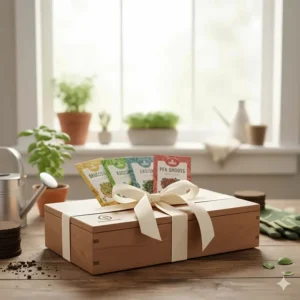
Troubleshooting Guide for Gift Recipients
Sometimes things go sideways. Equip your recipient with solutions to common issues.
Problem: Seeds Won’t Germinate
Likely causes:
- Insufficient moisture during germination phase
- Old seeds (check expiration dates)
- Extreme temperatures (too cold or too hot)
Solutions: Most quality kits guarantee germination and will replace seed packets. Contact the company’s customer service with details.
Problem: Mold Growth
Likely causes:
- Overwatering
- Poor air circulation
- High humidity environment
Solutions: Reduce watering frequency, improve air flow around the tray, and ensure proper drainage. White fuzzy growth on stems is often root hairs, not mold—check carefully before discarding.
Problem: Leggy, Weak Stems
Likely causes:
- Insufficient light
- Kept in darkness too long after germination
Solutions: Move to brighter location (but avoid direct hot sun). Consider adding a small LED grow light for consistent results.
Problem: Yellowing Leaves
Likely causes:
- Normal for bottom cotyledon leaves near harvest
- Nutrient deficiency if occurring early
Solutions: If yellowing occurs before day 5, ensure adequate light. After day 7, this is normal as plants mature.
Price Range Analysis: Finding Your Budget Sweet Spot
Microgreens kits span various price points, each offering different value propositions.
Budget Range ($10-25)
Mini kits and single-variety options dominate this category. They’re perfect for:
- Testing interest before larger investments
- Gifts for multiple people
- Additions to gift baskets
- Teaching tools for kids
Best picks: Mountain Valley mini kits, Environet Home kit
Mid-Range ($25-45)
This sweet spot balances features with affordability. Kits include quality trays, multiple seed varieties, and enough supplies for several growing cycles.
Best picks: ZestiGreens, Back to the Roots, Organic Wooden Planter kit
Premium Range ($45-70)
Premium kits offer superior materials, innovative features, and comprehensive systems. They suit serious growers and special occasions.
Best picks: HAMAMA, GARDYN Complete system
Value Considerations Beyond Price
The cheapest option isn’t always the best value. Consider:
- Reusability: One-time trays vs. multi-use systems
- Seed quality: Organic certification and germination rates
- Included supplies: Some kits require buying soil or mats separately
- Refill availability: Can you easily purchase replacement seeds?
Microgreens Kit Gift for Different Occasions
Birthday Gifts
Microgreens kits work particularly well for milestone birthdays. The 30th birthday friend interested in health, the 50th birthday parent rediscovering hobbies, or the 70th birthday grandparent needing gentle activity all benefit differently from the same gift category.
Choose kits with personality: bamboo frames for design-lovers, organic certification for health enthusiasts, variety packs for adventurous types.
Housewarming Presents
New homeowners often lack both outdoor gardening space and established indoor plant collections. Microgreens kits fill this gap beautifully. They add life to kitchens without demanding the long-term commitment of traditional houseplants.
The wooden planter kits make particularly thoughtful housewarming gifts as they contribute to kitchen décor while being functional.
Corporate and Office Gifts
Microgreens kits excel as client gifts or employee recognition presents. They demonstrate thoughtfulness beyond typical corporate gifts while aligning with workplace wellness initiatives.
Order bulk mini kits for large teams, or select premium systems for key clients. The self-watering varieties like ZestiGreens work best in offices where daily care might be inconsistent.
Holiday Gifts
During traditional gift-giving seasons, microgreens kits offer refreshing alternatives to typical presents. They suit the “hard to shop for” recipient who seemingly has everything.
Package them creatively: nestled in reusable shopping bags with recipe cards, or paired with gourmet olive oil and vinegar for salad-making supplies.
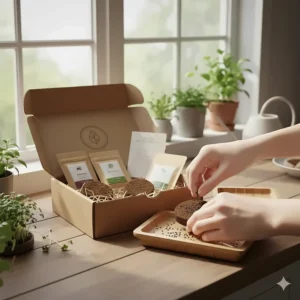
The Environmental Math Behind Microgreens Gifts
Let’s break down the actual environmental impact, because numbers matter.
Carbon Footprint Comparison
Store-bought microgreens typically travel 1,000-2,000 miles from specialty farms in California or Mexico. Accounting for refrigerated transport, that plastic clamshell of microgreens carries roughly 2-3 pounds of CO2 emissions.
Home-grown microgreens? Nearly zero transportation emissions. The only environmental cost is the initial kit shipment (one-time) and minimal water usage (about 1-2 cups per growing cycle).
Over one year, a single microgreens kit could prevent 50-100 pounds of CO2 emissions compared to purchasing equivalent amounts from stores. That’s like planting 3-4 tree seedlings annually.
Plastic Reduction Reality
According to waste management data, the average American household generates 1,500 pounds of plastic waste yearly. Each store-bought microgreens container adds approximately 0.5 ounces of plastic to this burden.
If someone replaces just half their microgreens purchases with home-grown varieties (about 25 containers yearly), they eliminate 12-15 ounces of plastic waste. Multiply this across millions of homes, and the impact becomes substantial.
Water Usage Efficiency
Mature vegetables require extensive irrigation throughout their growth cycle. Microgreens, harvested at 7-10 days, use dramatically less water per nutritional unit delivered.
Research suggests microgreens require roughly 25% of the water compared to growing the same plants to maturity. For water-conscious regions, this efficiency matters significantly.
Advanced Growing Techniques to Share with Recipients
Once your gift recipient masters basic growing, introduce these optimization strategies.
Light Spectrum Manipulation
While natural sunlight works fine, specific light wavelengths enhance different characteristics. Blue spectrum light (400-500nm) promotes compact, sturdy growth with intense color. Red spectrum light (600-700nm) accelerates overall growth.
Affordable full-spectrum LED strips provide both wavelengths, optimizing nutrition and flavor simultaneously. Position them 6-12 inches above growing trays.
Temperature Optimization
Most microgreens thrive at 65-75°F during germination and 60-70°F during growing. Cooler temperatures (55-65°F) slow growth but intensify flavors and increase nutrient concentration. Warmer temperatures (75-80°F) accelerate growth but may produce less robust flavor.
Experiment with these ranges based on flavor preferences and timeline needs.
Seed Density Experimentation
Standard recommendations suggest 10-12 seeds per square inch, but this varies by variety. Larger seeds (sunflower, peas) need more space. Smaller seeds (broccoli, kale) tolerate denser planting.
Dense planting maximizes yield but increases disease risk if air circulation suffers. Sparse planting reduces yield but produces sturdier, more flavorful microgreens.
Succession Planting
Rather than growing one large batch, plant smaller amounts every 3-4 days. This creates continuous harvest windows, ensuring fresh microgreens are always available rather than feast-or-famine cycles.
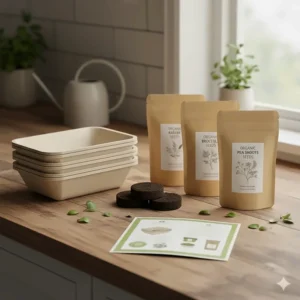
❓ FAQ: Microgreens Kit Gift Questions Answered
❓ How long does a microgreens kit gift last before needing refills?
❓ Can you grow microgreens kit gift indoors without direct sunlight?
❓ Are organic microgreens kit gift worth the extra cost?
❓ What happens if microgreens kit gift doesn't grow successfully?
❓ How do microgreens kit gift compare nutritionally to vitamin supplements?
Conclusion: Growing Gifts That Keep Giving
The beauty of a microgreens kit gift lies in its multiplying value. Unlike flowers that wilt or chocolates that disappear, these kits create ongoing experiences that deepen over time. Each harvest brings fresh excitement, each new variety tried expands palates, and each successful growing cycle builds confidence and knowledge.
I’ve watched friends transform from skeptical recipients to enthusiastic evangelists who gift microgreens kits to their own friends and family. There’s something profoundly satisfying about eating food you’ve grown yourself, even if that “garden” fits on a kitchen counter.
Whether you choose the foolproof ZestiGreens system, the certified organic Back to the Roots kit, the innovative HAMAMA Seed Quilts, or budget-friendly Mountain Valley minis, you’re giving far more than seeds and soil. You’re offering better nutrition, reduced environmental impact, educational entertainment, and a gentle reminder that good food doesn’t require acres of land—just a few minutes of care and a sunny windowsill.
In 2026’s landscape of throwaway consumerism and disconnection from food sources, microgreens kit gift represent a small but meaningful rebellion. They say, “I believe you can nurture life. I think you’ll enjoy this journey. I care about your health and our planet.”
That’s a powerful message to deliver in a beautifully packaged box of potential.
Recommended for You
- 7 Best Alfalfa Sprout Growing Kits 2026: Expert Reviews
- 7 Best Commercial Microgreens Growing Kits for Restaurants 2026
- 7 Best Modern Sprout Grow Kits 2026
Disclaimer: This article contains affiliate links. If you purchase products through these links, we may earn a small commission at no additional cost to you.
✨ Found this helpful? Share it with your friends! 💬🤗
