
In This Article
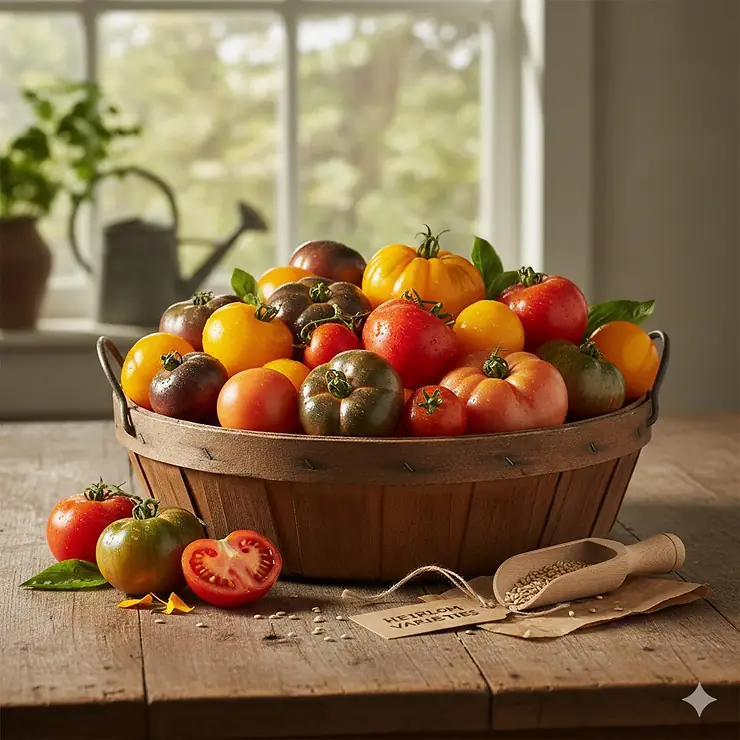
There’s something magical about biting into a sun-warmed tomato straight from the vine. But if you’ve only experienced grocery store varieties, you haven’t truly tasted what a tomato can be. Enter heirloom tomato seeds – the gateway to flavors so complex and vibrant, they’ll make you wonder why you ever settled for anything less.
Unlike mass-produced hybrid varieties bred for shipping durability and shelf life, heirloom tomato seeds produce fruits that prioritize one thing above all else: taste. These open pollinated tomato varieties have been lovingly preserved for generations, some dating back over a century. When you plant Cherokee Purple tomato seeds or Brandywine tomato seeds, you’re not just growing vegetables – you’re cultivating living history.
What makes heirloom tomatoes to grow so special? These non-hybrid tomato seeds produce plants that stay true to their parent generation after generation. You can save seeds from your harvest and replant them next year, knowing they’ll deliver the same incredible flavor. Plus, organic heirloom seeds Amazon offers today come from trusted sources, making it easier than ever to start your heirloom tomato journey. Whether you’re a seasoned gardener or just starting out, the right heirloom tomato seeds can transform your summer harvest into something truly extraordinary.
Quick Comparison Table: Top Heirloom Tomato Seeds at a Glance
| Product | Key Varieties | Seed Count | Price Range | Best For |
|---|---|---|---|---|
| Survival Garden Seeds 10-Pack | Cherokee Purple, Brandywine, Roma | 10 varieties | $18-22 | Variety seekers |
| Sweet Yards Organic 12-Pack | Black Krim, Yellow Pear, Pineapple | 12 varieties | $25-30 | Organic gardeners |
| Ohio Heirloom Cherokee Purple | Cherokee Purple only | 75+ seeds | $4-6 | Purple tomato lovers |
| Sow Right Seeds Classic Collection | Beefsteak, Large Red Cherry, Roma | 5 varieties | $15-18 | Beginners |
| Pink Brandywine Seeds | Pink Brandywine only | 75+ seeds | $3-5 | Beefsteak enthusiasts |
| PLANTMEW Beefsteak | Red Beefsteak only | 200 seeds | $6-8 | High-volume growers |
| Heirloom Assortment 10-Variety | Multiple classics | 900+ seeds | $8-12 | Budget-conscious |
💬 Just one click – help others make better buying decisions too! 😊
Top 7 Heirloom Tomato Seeds: Expert Analysis
1. Survival Garden Seeds Tomato 10 Variety Pack
If you’re serious about creating a diverse tomato garden, the Survival Garden Seeds Tomato 10 Variety Pack deserves the top spot on your shopping list. This collection brings together ten carefully selected open pollinated tomato varieties that represent the best of American heirloom gardening.
The pack includes classics like Cherokee Purple tomato seeds, Red Brandywine, Roma, Red Cherry, and more exotic varieties like Aunt Ruby’s Green and Hillbilly. Each variety comes in its own labeled packet with detailed growing instructions, making this perfect for both beginners and experienced gardeners looking to expand their collection.
What makes this collection stand out is the thoughtful variety selection – you get slicing tomatoes, paste tomatoes, and cherry varieties all in one package. The seeds are non-GMO, untreated, and rigorously quality tested. Customers consistently report germination rates above 85%, with plants producing fruit in 75-90 days depending on the variety.
Price: Typically $18-22
Customer feedback: Gardeners love the color diversity and consistent germination. One reviewer mentioned getting “more tomato plants than I know what to do with” from a single pack.
✅ Pros:
- Ten distinct heirloom varieties in one purchase
- Includes both common and rare cultivars
- Family-owned USA small business
- Excellent germination rates
❌ Cons:
- Some varieties mature at different rates
- May be overwhelming for absolute beginners
2. Sweet Yards Organic Tomato Seeds Variety Pack (12-Pack)
For gardeners committed to organic growing, the Sweet Yards Organic Tomato Seeds Variety Pack offers twelve certified organic varieties perfect for the 2026 growing season. This isn’t just about being organic – it’s about accessing premium-quality heirloom tomato seeds that meet USDA organic standards.
The collection features crowd favorites like Brandywine tomato seeds (Pink), Black Krim, Cherokee Purple, Yellow Pear, and Pineapple varieties. Each packet is individually sealed with a resealable zipper for long-term storage and comes with comprehensive planting instructions. The 2026 season designation means these seeds are freshly harvested and tested for optimal germination.
Sweet Yards backs their products with a germination guarantee – if your seeds don’t sprout, they’ll refund you within 30 days, no questions asked. The premium packaging makes this an excellent gift option for the gardeners in your life.
Price: $25-30
Customer feedback: Buyers appreciate the organic certification and fresh seeds. The germination rates consistently exceed 90%, and the reusable packaging is a nice touch.
✅ Pros:
- Certified organic by USDA standards
- Twelve individual varieties for maximum diversity
- Premium giftable packaging with reusable zippers
- 100% germination guarantee
❌ Cons:
- Higher price point than non-organic alternatives
- Some varieties need different growing conditions
3. Cherokee Purple Heirloom Tomato Seeds by Ohio Heirloom
Let’s talk about a legend in the tomato world. Cherokee Purple Heirloom Tomato Seeds from Ohio Heirloom represents one of the most celebrated varieties in American gardening history. If you’re only going to grow one heirloom variety, many experts would point you straight to Cherokee Purple.
This packet contains 75+ seeds of pure Cherokee Purple genetics – no mixing, no compromises. The variety produces large beefsteak-style fruits (10-13 ounces each) with distinctive dusky brownish-purple skin and dark green shoulders. The brick-red interior delivers a flavor profile described as sweet, rich, and deeply complex – exactly what heirloom enthusiasts crave.
Ohio Heirloom Seeds specializes in preserving authentic heirloom varieties, and their Cherokee Purple maintains the true characteristics passed down from Cherokee Indians of Tennessee. The plants are indeterminate, meaning they’ll keep producing throughout the season until frost kills them.
Price: $4-6
Customer feedback: Gardeners rave about the authentic taste and vigorous growth. Many report that grocery store tomatoes become inedible after experiencing home-grown Cherokee Purple.
✅ Pros:
- Authentic historical variety with proven genetics
- Exceptional flavor rated among the best
- 75+ seeds provide excellent value
- Perfect for fresh eating and slicing
❌ Cons:
- Single variety only (no diversity)
- Plants can grow quite large and need substantial support
4. Sow Right Seeds Classic Tomato Seed Collection
The Sow Right Seeds Classic Tomato Seed Collection takes a streamlined approach, offering five essential varieties that every tomato garden should include. This solar-powered small business has built a reputation for quality, and their classic collection proves why.
You get Cherokee Purple tomato seeds, Beefsteak, Large Red Cherry, Rutgers, and Roma – representing the full spectrum of tomato uses from fresh eating to sauce making. Each variety comes in beautiful, full-color packets with detailed growing instructions and seed-saving guidance.
What sets Sow Right Seeds apart is their commitment to sustainability – their entire operation runs on solar power, and they’ve taken the Safe Seed Pledge, guaranteeing all seeds are non-GMO and heirloom quality. The packets contain at least 100mg of seeds each (approximately 45 seeds), giving you plenty to work with.
Price: $15-18
Customer feedback: Customers appreciate the quality instruction packets and the company’s ethical practices. Germination rates hover around 90-95%.
✅ Pros:
- Carefully curated essential varieties
- Solar-powered sustainable business
- Excellent instructions for beginners
- Safe Seed Pledge certified
❌ Cons:
- Smaller variety count than some competitors
- Premium pricing reflects quality
5. Pink Brandywine Heirloom Tomato Seeds (75+ Seeds)
Among beefsteak tomato enthusiasts, Pink Brandywine Heirloom Tomato Seeds hold near-mythical status. This Amish heirloom dating back to the mid-1800s consistently ranks as one of the best-tasting tomatoes you can grow, period.
These open pollinated tomato varieties produce massive fruits – often exceeding 1.5 pounds each – with smooth pink skin and incredibly meaty, juicy flesh. The “potato leaf” characteristic (unusual leaf shape) makes Pink Brandywine instantly recognizable in the garden. With 75+ seeds per packet, you have plenty to experiment with and share.
The indeterminate vines need substantial support and can reach 6-8 feet tall, but the reward is continuous production of show-stopping tomatoes from mid-summer through first frost. These are the tomatoes that convert non-believers into tomato lovers.
Price: $3-5
Customer feedback: Gardeners universally praise the flavor, often calling it the best tomato they’ve ever grown. The large fruit size makes them perfect for summer sandwiches and fresh eating.
✅ Pros:
- Legendary flavor reputation well-deserved
- Massive fruit size (1+ pounds)
- Excellent value for money
- Authentic Amish heirloom genetics
❌ Cons:
- Needs 80-90 days to maturity (not for short seasons)
- Requires strong support structures
6. PLANTMEW Beefsteak Tomato Seeds (200 Seeds)
For gardeners who want to grow beefsteak tomatoes at scale, the PLANTMEW Beefsteak Tomato Seeds packet offers incredible value with 200 non-GMO seeds. This isn’t about variety – it’s about volume and consistency.
These classic red beefsteak seeds produce indeterminate vines that yield giant tomatoes weighing 1-2 pounds each. The firm, dense flesh makes them perfect for slicing, and the balanced sweet-savory flavor works equally well fresh or cooked into sauces. With proper care, just a few plants will supply your kitchen with an abundance of large tomatoes all season long.
PLANTMEW includes detailed planting instructions suitable for beginners, and the high seed count means you can be generous with your planting – some for you, some for friends, some for backup. The company emphasizes their USA-grown, open-pollinated heritage.
Price: $6-8
Customer feedback: Home gardeners love the prolific yields and beginner-friendly nature. Many report success even without prior tomato-growing experience.
✅ Pros:
- High seed count (200) for the price
- Classic, reliable beefsteak variety
- Beginner-friendly instructions
- Continuous production from indeterminate vines
❌ Cons:
- Single variety limits diversity
- Large plants need significant space
7. Heirloom Tomato Seed Assortment (10 Varieties, 900+ Seeds)
Looking for maximum seeds at a budget-friendly price? The Heirloom Tomato Seed Assortment delivers an impressive 900+ seeds across ten classic varieties. This bulk collection is perfect for serious gardeners, homesteaders, or anyone planning a large garden.
The assortment includes Cherokee Purple tomato seeds, Black Krim, Pink Brandywine, Yellow Brandywine, Mortgage Lifter, Giant Belgium, Beefsteak, German Johnson, Roma (300 seeds!), and Yellow Pear. Each variety comes separately packaged and clearly labeled.
With 75+ seeds per variety (except where noted), you have enough to plant generously, save seeds for future seasons, and share with fellow gardeners. These are true non-GMO, open-pollinated varieties maintained by small-scale growers dedicated to preserving heirloom genetics.
Price: $8-12
Customer feedback: Budget-conscious gardeners appreciate the exceptional value. The variety selection covers all tomato needs from sauce to fresh eating.
✅ Pros:
- Incredible seed quantity for the price
- Ten proven heirloom varieties
- Includes extra Roma seeds for sauce making
- Seeds viable for 5+ years with proper storage
❌ Cons:
- Basic packaging compared to premium brands
- May be more seeds than small gardens need
✨ Don’t Miss These Exclusive Deals!
🔍 Take your garden to the next level with these carefully selected products. Click on any highlighted item to check current pricing and availability on Amazon. These heirloom tomato seeds will help you create authentic garden-to-table meals your family will love!
What Makes Heirloom Tomato Seeds Different from Hybrids?
Understanding the fundamental differences between heirloom tomato seeds and hybrid varieties helps you make informed growing decisions. The distinction goes far beyond simple genetics – it affects flavor, seed saving, and your entire gardening philosophy.
Open Pollinated vs. Hybrid: The Core Difference
Open pollinated tomato varieties reproduce through natural pollination methods – wind, insects, or self-pollination. When you plant seeds from an open-pollinated tomato, the offspring will be virtually identical to the parent plant. This genetic stability has allowed non-hybrid tomato seeds to be passed down through generations without losing their essential characteristics.
Hybrid tomatoes, by contrast, result from carefully controlled cross-pollination between two different parent plants. Plant breeders select parents with specific desirable traits – perhaps one parent has exceptional disease resistance while the other produces large fruits. The resulting F1 hybrid seeds combine these traits, but they don’t breed true. If you save seeds from a hybrid tomato and replant them, you’ll get unpredictable results that rarely match the parent plant’s quality.
The Flavor Factor
Here’s where heirloom tomatoes to grow really shine. These varieties were selected over decades or centuries primarily for one thing: taste. Commercial hybrids, meanwhile, are often bred for uniformity, disease resistance, thick skins that survive shipping, and shelf stability. Flavor typically ranks lower on the priority list.
Research from registered dietitians confirms that heirloom varieties often contain higher concentrations of natural sugars and beneficial compounds like lycopene. The rainbow of colors in heirloom tomatoes indicates their diversity of antioxidants, which help protect our cells from aging.
Seed Saving: Freedom and Sustainability
One of the most compelling advantages of organic heirloom seeds Amazon sellers offer is the ability to save your own seeds. This wasn’t always a consideration, but in our modern world, seed sovereignty matters. When you grow open pollinated tomato varieties, you can harvest seeds from your best fruits, dry them properly, and plant them next year with confidence they’ll produce the same delicious tomatoes.
This self-sufficiency appealed to our ancestors and appeals to modern gardeners for both practical and philosophical reasons. You’re not just growing food – you’re preserving biodiversity and maintaining control over your food supply.
The Tradeoff: Disease Resistance
Let’s be honest about the challenges. Most heirloom tomato seeds lack the built-in disease resistance that modern hybrids offer. Breeders have engineered hybrids to resist fusarium wilt, verticillium wilt, and various other tomato diseases. Heirlooms, selected long before these breeding techniques existed, rely on good cultural practices for disease prevention.
Does this mean heirlooms are impossible to grow successfully? Absolutely not. It means you need to pay attention to proper spacing for air circulation, use mulch to prevent soil splash, consider drip irrigation instead of overhead watering, and practice crop rotation. Many gardeners find these good practices worth the effort for superior flavor.
Health Benefits: Why Heirloom Tomatoes Are Nutritional Powerhouses
Beyond their incredible taste, heirloom tomato seeds grow into plants that produce genuinely healthy food. Let’s examine what makes these colorful fruits so beneficial for your body.
Lycopene: The Antioxidant Superstar
Studies by nutritionists have shown that organically grown tomatoes tend to be higher in lycopene, a carotenoid that plays a protective role against multiple cancers. Research has demonstrated lycopene’s effectiveness against bladder, breast, cervical, colorectal, endometrial, lung, pancreatic, prostate, and skin cancers.
The beautiful deep reds, purples, and dark pinks in varieties like Cherokee Purple tomato seeds indicate particularly high lycopene content. Interestingly, lycopene becomes more bioavailable when tomatoes are cooked, making heirlooms perfect for both fresh eating and cooking into sauces.
Vitamin C Immune Support
A medium heirloom tomato provides approximately 40% of your daily vitamin C requirement. This essential nutrient supports immune function, helps your body produce collagen for healthy skin, and acts as a powerful antioxidant protecting cells from free radical damage. During cold and flu season, fresh garden tomatoes can be your secret weapon.
Cardiovascular Protection
Heirloom tomatoes are rich in potassium, which helps regulate blood pressure by counteracting sodium’s effects and maintaining proper fluid balance. They also contain folate, a B vitamin that contributes to lower incidence of heart attacks and supports overall cardiovascular health.
The combination of potassium, lycopene, vitamin C, and other beneficial compounds makes heirloom tomatoes genuinely heart-healthy. Adding them regularly to your diet – whether in fresh salads, sandwiches, or cooked dishes – supports long-term cardiovascular wellness.
Bone Health and Vitamin K
Here’s a benefit many people overlook: heirloom tomatoes are a good source of vitamin K, necessary for healthy, strong bones. According to research from Oregon State University’s Linus Pauling Institute, consuming vitamin K early and consistently throughout life can help prevent osteoporosis in later years.
Low-Calorie Nutrition
Perhaps the best news for health-conscious eaters: heirloom tomatoes deliver tremendous nutritional value while remaining remarkably low in calories. A medium tomato contains only about 30-35 calories, making them perfect for anyone watching their weight while still wanting flavorful, satisfying food.
How to Choose the Right Heirloom Tomato Seeds for Your Climate
Not all heirloom tomato seeds perform equally in every climate. Choosing varieties suited to your specific growing conditions dramatically increases your success rate and harvest quality.
Step 1: Know Your USDA Hardiness Zone
First, identify your USDA hardiness zone and calculate your average growing season length. Count the days between your last spring frost and first fall frost – this number determines which varieties will have time to mature in your garden.
Short-season gardeners (fewer than 90 days) should focus on early-maturing varieties like Stupice or Early Girl alternatives. If you have a longer season (120+ days), you can explore slower-maturing varieties like Brandywine tomato seeds that need 80-90 days from transplanting to harvest.
Step 2: Match Varieties to Your Summer Temperatures
Temperature matters enormously for tomato success. If you live in a region with cool summers, look for varieties developed in similar climates – many Northern European heirlooms and some old New England varieties tolerate cooler conditions well.
Hot climate gardeners need varieties with good leaf coverage to prevent sun scald. Brandywine tomato seeds work well in hot regions because their vigorous foliage protects fruits. Varieties like Arkansas Traveler and Heatwave were specifically selected for hot-climate performance.
Step 3: Consider Your Rainfall and Humidity
High-humidity regions face greater disease pressure, particularly for fungal issues like early blight and late blight. While no heirloom offers complete disease immunity, some show better natural tolerance than others.
Cherokee Purple, despite lacking modern disease resistance genes, shows reasonable resilience to common problems. Amish Paste demonstrates good natural resistance. In very humid climates, consider growing heirlooms in high tunnels or under cover where foliage stays drier.
Dry climate gardeners have more flexibility but need to ensure consistent watering. Heirloom tomatoes generally need about 1-2 inches of water weekly, preferably delivered through drip irrigation to keep foliage dry.
Step 4: Select by Your Intended Use
Think about how you’ll use your tomatoes:
For fresh eating and sandwiches: Choose large beefsteak types like Pink Brandywine, Cherokee Purple, or Mortgage Lifter. These varieties deliver maximum flavor and impressive size.
For sauce and canning: Paste tomatoes like Amish Paste, San Marzano, or Roma varieties have denser flesh with fewer seeds, creating thicker sauces faster.
For salads: Cherry and grape tomatoes like Yellow Pear or Sungold add color and sweet flavor to green salads.
For diversity: Consider variety packs that give you multiple types for different uses.
Step 5: Don’t Ignore Regional Heirlooms
Some of the best heirloom varieties for your area might be regional specialties. Varieties like Arkansas Traveler were developed specifically for challenging Southern conditions. German Johnson thrives in Mid-Atlantic gardens. Research heirlooms with “local” heritage for your region – they often outperform more famous varieties simply because they’re adapted to your specific conditions.
Growing Heirloom Tomatoes: From Seed to Harvest Success
Successfully growing heirloom tomato seeds requires attention to several key factors. Let’s walk through the complete process to maximize your chances of an abundant harvest.
Starting Seeds Indoors: Timing and Technique
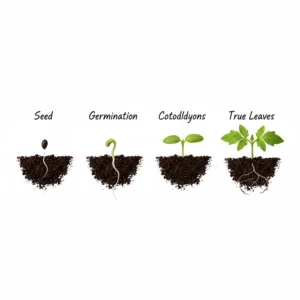
Begin your heirloom tomato seeds indoors about 6-8 weeks before your last expected spring frost date. This timing allows seedlings to develop sturdy root systems and 2-3 sets of true leaves before transplanting outdoors.
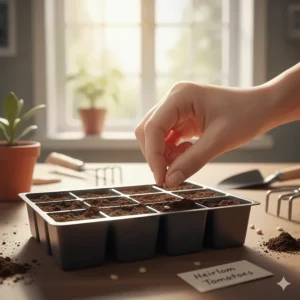
Sow seeds 1/4 inch deep in quality seed-starting mix. You can use commercial seed trays, recycled containers, or even egg cartons – just ensure drainage holes exist. Keep the growing medium at 70-80°F for optimal germination. Most heirloom varieties germinate within 5-10 days under these conditions.
Provide strong light immediately after germination. Seedlings need 14-16 hours of light daily, either from a sunny south-facing window or supplemental grow lights. Insufficient light causes leggy, weak seedlings that struggle after transplanting.
Transplanting: Building Strong Root Systems
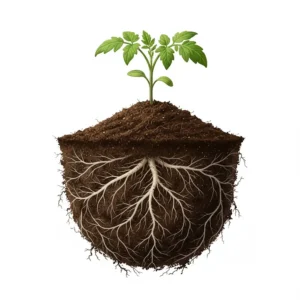
When seedlings develop their second set of true leaves (about 3 weeks after germination), transplant them into individual 4-inch pots. Here’s a crucial tip: bury the stem up to the lowest set of leaves. Tomato stems develop roots along their length, so deeper planting creates stronger root systems.
Harden off your transplants before moving them to the garden. About a week before planting outdoors, gradually expose seedlings to outdoor conditions. Start with an hour or two of filtered sunlight and sheltered conditions, progressively increasing exposure over 7-10 days. This process prevents transplant shock and prepares plants for garden life.
Garden Preparation: Setting Up for Success
Heirloom tomatoes thrive in full sun (at least 6-8 hours daily) and well-drained soil rich in organic matter. Before planting, work 2-4 inches of finished compost into your tomato bed. Aim for soil pH between 6.0 and 6.8 for optimal nutrient availability.
Most open pollinated tomato varieties are indeterminate, meaning they continue growing and producing until frost. These varieties need substantial support. Install stakes, cages, or trellises before or immediately after planting to avoid disturbing roots later. Many growers use 6-8 foot stakes or tall cages for vigorous varieties like Cherokee Purple.
Spacing and Planting
Space indeterminate heirloom varieties 24-36 inches apart in rows 4-6 feet apart. This generous spacing provides crucial air circulation that helps prevent foliar diseases – one of the biggest challenges with heirlooms.
Plant deeply, burying 2/3 of the stem. Remove lower leaves and set the transplant in a hole deep enough to cover the stem up to the remaining leaves. Again, this encourages extensive root development and creates sturdier plants.
Watering and Mulching Strategy
Apply 3-4 inches of organic mulch around plants after the soil warms. Mulch conserves moisture, suppresses weeds, moderates soil temperature, and prevents soil-borne pathogens from splashing onto lower leaves during rain or watering.
Water deeply and consistently, providing 1-2 inches per week through drip irrigation or soaker hoses. Overhead watering increases disease risk by wetting foliage. Inconsistent watering causes problems like blossom end rot and fruit cracking, so maintaining even soil moisture is critical.
Pruning and Maintenance
Prune indeterminate heirlooms regularly by removing “suckers” – shoots that emerge where branches meet the main stem. Pruning improves air circulation, reduces disease pressure, and channels plant energy into fruit production rather than excessive foliage.
Some growers train indeterminate varieties to one or two main stems for easier management and larger fruits. This technique works particularly well in high tunnels or greenhouses where vertical space is limited.
Fertilizing for Flavor
Feed heirloom tomatoes with balanced fertilizer (such as 5-5-5 N-P-K ratio) at planting time. Many growers prefer organic fertilizers or quality compost. Be cautious with nitrogen – excessive amounts produce lush foliage but reduce fruit quality and delay ripening.
Once plants begin flowering and setting fruit, switch to a lower-nitrogen fertilizer or reduce feeding frequency. At this stage, phosphorus and potassium support fruit development better than nitrogen.
Harvesting at Peak Ripeness
Harvest heirloom tomatoes when they’re fully colored and slightly soft to gentle pressure. Unlike commercial hybrids picked green, heirlooms develop full flavor only when vine-ripened. The aroma should be rich and tomatoey – if it doesn’t smell amazing, give it another day or two.
For varieties like Brandywine tomato seeds and Cherokee Purple, don’t wait for the shoulders near the stem to turn completely red. These varieties naturally retain green shoulders even when perfectly ripe.
Common Mistakes to Avoid When Growing Heirloom Tomato Seeds
Even experienced gardeners sometimes stumble with heirlooms. Avoiding these common pitfalls increases your success dramatically.
Starting Seeds Too Early
One of the most frequent mistakes is starting heirloom tomato seeds too far in advance of your transplant date. Leggy, root-bound, or flowering transplants suffer stunted growth and reduced early production. Stick to the 6-8 week timeline – plants started later often outperform those started too early.
Planting Before Soil Warms
Tomatoes are tropical plants at heart. They struggle in cool soil below 60°F, and temperatures below 55°F can damage production and even kill young plants. Wait until nighttime temperatures consistently stay above 50°F and soil reaches at least 60°F before transplanting. In northern climates, this might mean waiting until late May or early June.
Insufficient Support
Underestimating how large indeterminate heirlooms grow leads to inadequate support systems. Cherokee Purple tomato seeds and Brandywine tomato seeds produce vigorous vines that easily reach 6-8 feet tall with proper care. Flimsy stakes or small cages fail midseason when plants are loaded with fruit, potentially damaging stems and reducing harvest.
Install substantial support at planting time. Use 8-foot stakes driven 2 feet into the ground, or choose heavy-duty tomato cages at least 5 feet tall.
Over-fertilizing with Nitrogen
More fertilizer doesn’t mean more tomatoes – it often means the opposite. Excessive nitrogen creates bushy plants with abundant foliage but poor fruit set and inferior flavor. After plants begin flowering, reduce nitrogen and focus on phosphorus and potassium for fruit development.
Crowding Plants
Giving heirlooms sufficient space feels wasteful when plants are small, but proper spacing pays off dramatically. Crowded plants have poor air circulation, increasing humidity around foliage and creating perfect conditions for fungal diseases. The 24-36 inch spacing recommendation isn’t arbitrary – it’s based on preventing disease while allowing plants room to develop fully.
Overhead Watering
Watering with sprinklers or by splashing water on leaves creates conditions fungal and bacterial diseases love. Wet foliage combined with warm temperatures allows pathogens to take hold quickly. Always use drip irrigation, soaker hoses, or carefully direct water to the soil around plants, keeping foliage as dry as possible.
Ignoring Disease Symptoms
Small spots or minor yellowing on lower leaves often signal the beginning of disease problems. Addressing issues early – by removing affected leaves, improving air circulation, or adjusting watering – can prevent minor problems from becoming major crop losses. Regular inspection helps you catch problems while they’re still manageable.
Not Rotating Crops
Planting tomatoes in the same location year after year allows soil-borne diseases and pests to build up. Practice a minimum 3-year rotation, avoiding spaces where tomatoes, peppers, eggplants, or potatoes (all nightshade family members) grew recently. This simple practice dramatically reduces disease pressure.
Saving Seeds from Your Heirloom Tomato Harvest
One of the greatest joys of growing non-hybrid tomato seeds is the ability to save seeds from your best plants and continue the cycle. Here’s how to do it properly.
Selecting Fruits for Seed Saving
Choose seeds from your healthiest, most productive plants with fruits that best represent the variety’s ideal characteristics. Save seeds from one of the first tomatoes to mature on the plant – later fruits have higher chances of cross-pollination as bee activity increases throughout the season.
Select fully ripe, perfect specimens. Overripe fruits work fine, but avoid any with disease symptoms, cracks, or other damage that might indicate plant stress.
Fermentation Method
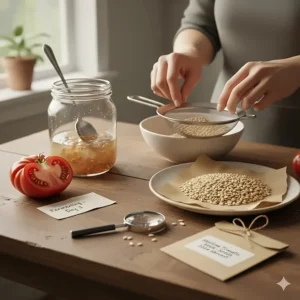
The fermentation process removes the gelatinous coating around seeds while also killing many seed-borne diseases. Cut your chosen tomato in half horizontally and squeeze the pulp and seeds into a clean container. Add about half as much water as you have tomato pulp.
Label the container with the variety name and date, then set it aside at room temperature. Over the next 2-4 days, natural fermentation occurs. You’ll see mold forming on the surface – this is exactly what you want. The process smells unpleasant but works perfectly.
When a thick layer of mold covers the surface (usually 3-4 days), add water to the container and stir vigorously. Good seeds sink to the bottom while mold, debris, and immature seeds float. Pour off the floating material, add fresh water, stir, and pour off again. Repeat until only clean seeds remain at the bottom.
Drying and Storage
Pour the clean seeds into a fine mesh strainer and rinse thoroughly under running water. Spread them in a single layer on a non-stick surface (wax paper, parchment, or a plate works well) away from direct sunlight. Stir daily to ensure even drying.
Seeds typically dry completely in 5-7 days. Properly dried seeds snap cleanly in half rather than bending. Store dried seeds in paper envelopes or small glass jars in a cool, dark, dry location. Include the variety name, source, and date saved.
Heirloom tomato seeds remain viable for 5-10 years when stored properly, though germination rates gradually decline. For best results, use seeds within 3-4 years.
Best Practices for Seed Storage and Viability
Properly stored heirloom tomato seeds remain viable for years, giving you flexibility in your planting schedule and the ability to build a personal seed bank.
Creating Optimal Storage Conditions
The three enemies of seed longevity are heat, moisture, and light. Store your dried seeds in paper envelopes or small glass jars in a cool, dark, dry location. A basement corner, closet shelf, or refrigerator works perfectly.
University of California Master Gardeners recommend using airtight containers and storing seeds at temperatures between 32-41°F for maximum longevity. Under these conditions, properly dried tomato seeds can remain viable for 5-10 years, though germination rates gradually decline after the first 3-4 years.
Always label your seeds clearly with the variety name, source, and date saved. Include any observations about the parent plant’s performance – notes like “exceptional flavor,” “disease resistant,” or “early producer” help you select the best genetics for future plantings.
Testing Germination Rates
Before planting an entire flat of old seeds, test their viability. Place 10 seeds on a damp paper towel, fold it over, seal in a plastic bag, and keep at room temperature. Check after 5-10 days to see how many sprouted. If 8 out of 10 germinate, your seeds have an 80% viability rate – still excellent for planting.
Germination rates below 50% mean you should plant more densely or consider purchasing fresh seeds. Even with lower rates, old seeds can still produce healthy plants; you just need to adjust your planting density accordingly.
Building Your Heirloom Tomato Seed Collection
Creating a diverse collection of heirloom tomato seeds allows you to experiment with different flavors, colors, and growing characteristics while building food security.
Start with Proven Performers
Begin your collection with reliable varieties known for success across diverse conditions. Cherokee Purple tomato seeds, Brandywine tomato seeds (pink or red), and sturdy paste varieties like Amish Paste or San Marzano give you a solid foundation. These varieties have thrived for generations precisely because they’re adaptable and productive.
Once you’ve mastered a few classics, branch out into more specialized or regional varieties. The beauty of heirloom gardening is the incredible diversity available – thousands of varieties exist, each with unique characteristics.
Diversify by Color and Type
Build a rainbow collection including red, pink, yellow, orange, green, purple, and striped varieties. Different pigments indicate different nutrient profiles and antioxidants. Yellow tomatoes tend toward sweetness, while dark purple varieties often have earthy, complex flavors.
Include representation from different categories: beefsteak slicers for sandwiches, paste tomatoes for sauce, cherry varieties for snacking, and perhaps an unusual novelty variety like Green Zebra or Pineapple for conversation.
Consider Your Climate Zone
Research which heirlooms were developed in or perform well in climates similar to yours. Northern gardeners benefit from early varieties like Stupice or Glacier. Southern growers might explore heat-tolerant varieties like Arkansas Traveler or creole tomatoes.
Regional seed exchanges and local heirloom enthusiasts can be invaluable resources for discovering varieties that thrive specifically in your area’s conditions.
The Joy of Seed Trading
Join seed saving organizations like Seed Savers Exchange or local seed libraries to access thousands of rare varieties. Trading seeds with other gardeners introduces you to unusual varieties while building community connections with fellow tomato enthusiasts.
Many gardeners find the social aspect of seed trading as rewarding as growing the tomatoes themselves. You’re not just exchanging seeds – you’re sharing stories, knowledge, and preserving agricultural biodiversity.
Troubleshooting Common Heirloom Tomato Problems
Even experienced gardeners encounter challenges. Here’s how to identify and address common issues when growing heirloom tomato seeds.
Blossom End Rot
Those black, sunken spots on the bottom of developing fruits indicate calcium deficiency, usually caused by inconsistent watering rather than actual lack of calcium in soil. The solution is maintaining consistent soil moisture through regular watering and thick mulch. Avoid drastic wet-dry cycles.
Cracking and Splitting
Heirloom fruits, especially large beefsteak types from Brandywine tomato seeds, sometimes crack when they receive heavy rain or watering after a dry period. The inside swells faster than the skin can expand. Prevent this by maintaining consistent soil moisture and harvesting slightly early during rainy periods. Cracked tomatoes are still perfectly edible; just use them immediately.
Early and Late Blight
These fungal diseases represent the biggest threats to heirloom tomatoes. Early blight starts with brown spots on lower leaves, while late blight causes greasy-looking patches and can destroy entire plants rapidly.
Prevention is critical since most heirlooms lack genetic resistance. Space plants generously, prune lower leaves to improve air circulation, use drip irrigation, apply organic fungicides preventatively if needed, and rotate crops yearly. Remove infected leaves immediately when spotted.
Hornworms
These large green caterpillars can defoliate plants surprisingly quickly. Hand-pick them at dusk when they’re most visible. If you see a hornworm covered with white cocoons, leave it – parasitic wasps have already done your work. Those cocoons will hatch more beneficial wasps.
Poor Fruit Set
If plants produce abundant flowers but few fruits, temperature is likely the culprit. Tomatoes drop blossoms when nighttime temperatures exceed 75°F or daytime temps surpass 95°F. Choose heat-tolerant varieties for hot climates, provide afternoon shade during extreme heat, and ensure adequate moisture.
Cold weather below 55°F also prevents fruit set. In this case, patience is the answer – wait for warmer weather or grow cold-tolerant varieties.
Nutrient Deficiencies
Yellowing leaves might indicate nitrogen deficiency, purple leaf veins suggest phosphorus shortage, and brown leaf edges can mean potassium problems. Before adding fertilizer, consider getting a soil test. Many apparent deficiencies actually result from pH imbalances preventing nutrient uptake rather than actual nutrient absence.
❓ Frequently Asked Questions
❓ How long do heirloom tomato seeds take to germinate?
❓ Can I grow heirloom tomato seeds in containers?
❓ What's the difference between Cherokee Purple and Brandywine tomato seeds?
❓ Do organic heirloom seeds Amazon products really make a difference?
❓ How far apart should I space open pollinated tomato varieties to prevent cross-pollination?
Conclusion: Your Heirloom Tomato Journey Starts Now
Growing heirloom tomato seeds connects you to gardening traditions stretching back generations while providing your table with flavors modern supermarkets simply cannot deliver. Whether you start with a single packet of Cherokee Purple tomato seeds or dive into a diverse variety pack, you’re embarking on a delicious adventure.
The learning curve exists – heirlooms demand more attention than disease-resistant hybrids. But the rewards far exceed the effort. That first bite of a sun-warmed Cherokee Purple straight from the vine, the satisfaction of filling jars with sauce from your own Amish Paste harvest, the joy of sharing seeds with friends and neighbors – these experiences transform gardening from a hobby into a passion.
Remember that every expert heirloom grower started as a beginner. Don’t let fear of failure prevent you from trying. Choose open pollinated tomato varieties suited to your climate, follow the growing guidelines we’ve covered, and give your plants consistent care. Even if your first season brings challenges, you’ll learn invaluable lessons that improve future harvests.
Start small if you’re uncertain – perhaps just 3-5 plants of different varieties. As your confidence and experience grow, expand your collection. Save seeds from your best performers, trade with other gardeners, and gradually build your personal seed bank of proven varieties.
The organic heirloom seeds Amazon offers make it easier than ever to access quality genetics. With overnight shipping and germination guarantees, there’s never been a better time to start growing these incredible tomatoes.
Your garden awaits, and your taste buds will thank you. Choose your seeds, prepare your garden, and get ready to experience tomatoes the way nature intended – bursting with flavor, loaded with nutrition, and grown with your own hands. The 2026 growing season is your chance to create something truly special.
Recommended for You
- 7 Best Tomato Seeds 2026: Flavor-Packed Varieties for Gardeners
- Microgreens vs Sprouts Growing: 7 Top Kits Reviewed 2026
- 7 Best Countertop Microgreens Kit For Small Spaces 2026
Disclaimer: This article contains affiliate links. If you purchase products through these links, we may earn a small commission at no additional cost to you.
✨ Found this helpful? Share it with your friends! 💬🤗
