
In This Article
There’s something deeply satisfying about biting into a tomato you’ve grown from seed, especially when you know it’s completely free from synthetic chemicals and genetic modification. I’ve been growing tomatoes for over a decade, and let me tell you – the difference between store-bought and homegrown organic varieties is like comparing cardboard to candy.
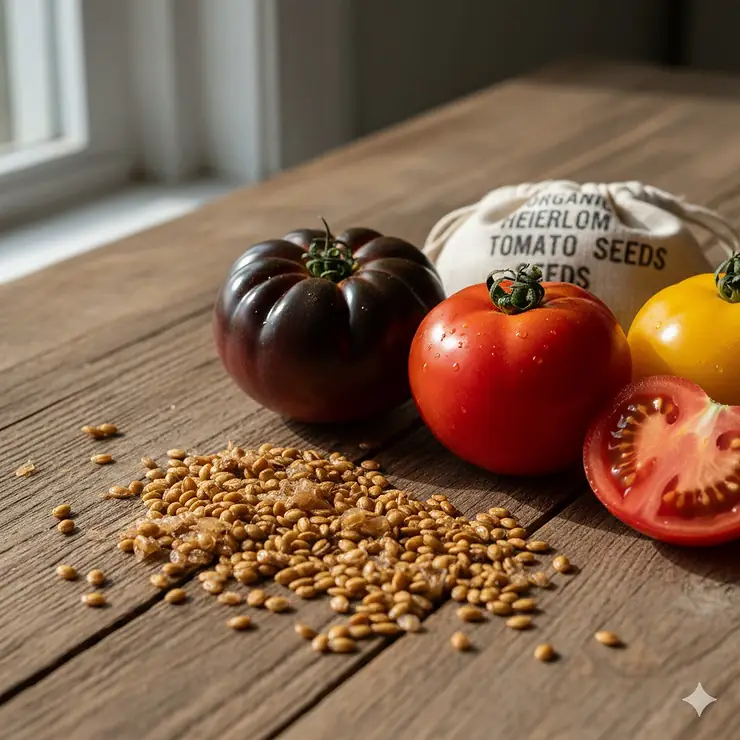
Organic tomato seeds have surged in popularity as gardeners increasingly prioritize sustainable tomato growing and chemical-free food production. Unlike conventional seeds that may have been treated with fungicides or grown using synthetic pesticides, organic tomato seeds meet rigorous USDA certification standards. These seeds come from plants grown without prohibited substances for at least three years, ensuring your garden starts clean from day one.
Whether you’re a seasoned gardener or just starting your first raised bed, choosing the right organic tomato seeds can make or break your harvest. You want varieties that deliver exceptional flavor, resist common diseases, and produce abundantly without relying on chemical interventions. In this guide, I’ll walk you through the seven best certified organic seed suppliers and varieties that consistently deliver restaurant-quality tomatoes right from your backyard.
The organic seed market has exploded, with options ranging from classic heirloom tomatoes passed down through generations to modern hybrids bred specifically for organic production systems. Each variety brings unique characteristics to the table – some excel in containers, others thrive in challenging climates, and a few simply taste so good they’ll ruin grocery store tomatoes for you forever.
Quick Comparison Table
| Product | Type | Packet Size | Germination Days | Price Range | Best For |
|---|---|---|---|---|---|
| Sweet Yards 12-Pack Organic Variety | Heirloom Mix | 12 varieties | 5-10 days | $18-22 | Variety seekers |
| Sereniseed Certified Organic 10-Pack | Heirloom Collection | 10 varieties (500+ seeds) | 7-14 days | $24-28 | Serious gardeners |
| Burpee Roma Organic Seeds | Heirloom Paste | 250 seeds | 6-8 days | $8-12 | Sauce makers |
| Sweet Yards 5-Pack Starter | Heirloom Mix | 5 varieties | 5-10 days | $12-16 | Beginners |
| Burpee Sweetie Organic Cherry | Heirloom Cherry | 15mg (~60 seeds) | 7-10 days | $6-9 | Container growing |
| Sweet Yards 17-Pack Ultimate | Heirloom Mega Mix | 17 varieties | 5-10 days | $28-35 | Collection builders |
| Burpee Hybrid Organic Slicer | Hybrid Slicer | 30 seeds | 6-8 days | $7-11 | Fresh eating |
💬 Just one click – help others make better buying decisions too! 😊
Top 7 Organic Tomato Seeds: Expert Analysis
1. Sweet Yards Organic Tomato Seeds Variety Pack (12-Pack) – Best Overall Collection
Sweet Yards knocked it out of the park with this comprehensive 12-variety organic tomato collection tailored for the 2026 growing season. This pack includes Kellog Beefsteak, Black Krim, Pink Brandywine, Roma, Pineapple, Yellow Pear, Cherokee Purple, Flame, Green Zebra, Hillbilly, San Marzano, and Sweetie Cherry – basically everything you need for a complete tomato garden.
What sets this collection apart is the thoughtful curation. You’re getting certified organic, non-GMO heirloom varieties that represent different sizes, colors, and uses. The Black Krim delivers that rich, almost smoky flavor that tomato enthusiasts crave, while the Yellow Pear adds a sweet, decorative touch to salads. Each packet comes with detailed planting instructions and resealable zippers for storage.
Customers consistently praise the impressive germination rates, with most reporting 80-90% success. The premium packaging makes this an excellent gift option, and Sweet Yards backs everything with a 30-day germination guarantee. At around $18-22, you’re getting incredible variety without breaking the bank.
Key Specs:
- 12 individual certified organic varieties
- 2026 season fresh seeds
- USDA organic certified
- Germination guarantee
✅ Pros:
- Exceptional variety for the price
- High germination rates (80-90%)
- Perfect for exploring different tomato types
❌ Cons:
- Smaller seed quantities per variety
- Some varieties need staking
2. Sereniseed Certified Organic Tomato Seeds (10-Pack) – Best for Serious Gardeners
For gardeners who want serious quantity and quality, Sereniseed delivers with their 10-variety certified organic collection. This pack includes Cherokee Purple, Chocolate Cherry, Green Zebra, Brandywine Pink, and Black Krim among others – all heavy-hitting heirloom varieties with exceptional flavor profiles.
What impressed me most about Sereniseed is their commitment to quality control. Every seed lot undergoes germination and purity testing before packaging, and they provide detailed growing instructions with each variety. The Cherokee Purple alone is worth the price – these 10-12 oz beauties have a deep, complex flavor that makes them perfect for gourmet sandwiches.
The company sources from certified organic farms and maintains strict audit trails to prevent contamination. While slightly more expensive than budget options at $24-28, you’re getting 500+ seeds total with verified organic certification from USDA-approved agencies. The open-pollinated nature means you can save seeds for future seasons, making this a sustainable long-term investment.
Key Specs:
- 10 certified organic heirloom varieties
- 500+ total seeds
- USDA-approved organic certification
- Open-pollinated for seed saving
✅ Pros:
- Excellent seed quantity
- Rigorous quality testing
- Ideal for seed saving
❌ Cons:
- Higher price point
- Requires longer growing season for some varieties
3. Burpee Roma Organic Heirloom (250 Seeds) – Best for Sauce & Canning
Burpee has been America’s most trusted seed company since 1876, and their organic Roma tomatoes prove why. This certified organic heirloom variety produces the classic meaty, low-moisture tomatoes that sauce makers and canners depend on. Each packet contains 250 non-GMO seeds – enough for a serious preservation project.
Roma VF tomatoes are naturally resistant to Verticillium and Fusarium wilts, two devastating diseases that plague tomato growers. The determinate growth habit means these compact plants produce their entire crop within a short window, perfect for processing large batches of sauce, paste, or sun-dried tomatoes. Plants reach about 36 inches and don’t require excessive staking.
Gardeners appreciate Burpee’s consistently higher germination rates – about 35% above industry standards according to their testing. The organic certification ensures no synthetic treatments or GMOs, while the heirloom genetics deliver that authentic Italian tomato flavor. At $8-12 for 250 seeds, this represents exceptional value for volume growers.
Key Specs:
- 250 certified organic seeds per packet
- Determinate growth (compact)
- Disease resistant (VF)
- 75-80 days to maturity
✅ Pros:
- Perfect for sauce and canning
- Disease resistant
- Excellent value per seed
❌ Cons:
- Determinate growth limits harvest window
- Less suitable for fresh eating
4. Sweet Yards Organic Tomato 5-Pack – Best for Beginners
New to organic gardening? The Sweet Yards 5-variety pack offers an approachable entry point without overwhelming choices. This collection includes Roma, Pink Brandywine, Sweetie Cherry, Black Krim, and Pineapple – a carefully curated selection that provides variety while remaining manageable for first-time growers.
Each variety represents a different tomato category: paste (Roma), beefsteak (Brandywine), cherry (Sweetie), specialty (Black Krim), and bi-color (Pineapple). This diversity lets beginners discover their preferences without committing to larger collections. The 2026 season seeds come with beginner-friendly instructions covering everything from indoor starting to transplanting and care.
What makes this particularly beginner-friendly is the inclusion of both determinate and indeterminate varieties, teaching new gardeners about different growth habits. The germination guarantee provides peace of mind, and at $12-16, it’s an affordable way to start your organic garden journey. Sweet Yards’ customer service actively helps beginners troubleshoot issues.
Key Specs:
- 5 complementary organic varieties
- Beginner-friendly instructions
- 30-day germination guarantee
- 2026 fresh seeds
✅ Pros:
- Perfect variety for learning
- Affordable starter option
- Excellent customer support
❌ Cons:
- Limited quantities if you want to scale up
- May want more variety later
5. Burpee Sweetie Organic Heirloom Cherry – Best for Containers
For patio and balcony gardeners, Burpee Sweetie delivers incredible flavor in a container-friendly package. These organic cherry tomatoes produce grape-sized fruits with exceptional sweetness – perfect for snacking straight off the vine or adding to salads. The 15mg packet contains approximately 60 seeds, ideal for container succession planting.
What makes Sweetie special is the perfect sugar-to-acid balance. These aren’t just sweet – they have complexity and depth that makes every bite interesting. The indeterminate vines grow 48-60 inches tall and produce continuously throughout the season, giving you a steady supply rather than one big harvest. They’re naturally resistant to common tomato diseases.
Container gardeners love that these thrive in 5-gallon pots with proper support. The compact root system doesn’t require massive containers, and the continuous production means you’re never overwhelmed with processing demands. At 65-70 days to maturity, you’ll be enjoying your first harvest relatively quickly. The USDA organic certification guarantees chemical-free production.
Key Specs:
- 15mg certified organic seeds (~60 seeds)
- Indeterminate, continuous production
- 1oz grape tomatoes
- 65-70 days to maturity
✅ Pros:
- Perfect for containers and small spaces
- Exceptional sweet flavor
- Continuous harvest
❌ Cons:
- Needs support/caging
- Smaller fruit size
6. Sweet Yards Organic Tomato Ultimate 17-Pack – Best for Collectors
Garden enthusiasts and variety collectors will appreciate the Sweet Yards Ultimate Collection with 17 different certified organic heirloom varieties. This comprehensive pack includes Amish Paste, Beefsteak, Golden Jubilee, Kellogg Beefsteak, San Marzano, Hillbilly, Black Krim, Chadwick Cherry, Cherokee Purple, Green Zebra, Sweetie Cherry, Pink Brandywine, Roma, Valencia, Yellow Pear, Yellow Brandywine, and Flame.
This collection represents the pinnacle of tomato diversity – you’re getting colors from deep purple to golden yellow, sizes from tiny cherries to massive beefsteaks, and flavors ranging from sweet to complex and savory. The Valencia offers unique tangerine flavor, while the Green Zebra provides that distinctive tart-sweet balance. Each variety is certified organic and non-GMO.
What justifies the $28-35 price point is the sheer variety and the opportunity to discover rare heirlooms like Golden Jubilee and Chadwick Cherry that aren’t commonly available. The premium packaging keeps seeds fresh, and the detailed instructions help you succeed with each unique variety. This is essentially a complete tomato education in one package.
Key Specs:
- 17 certified organic heirloom varieties
- 2026 season fresh seeds
- Premium giftable packaging
- 30-day germination guarantee
✅ Pros:
- Unmatched variety
- Includes rare heirlooms
- Perfect for experimentation
❌ Cons:
- Higher investment
- Requires significant garden space
7. Burpee Hybrid Organic Slicer – Best for Fresh Eating
While heirlooms steal the spotlight, Burpee’s Hybrid Organic tomato deserves recognition for reliable production and classic tomato flavor. This certified organic hybrid produces beautiful 5-6 oz fruits in clusters, perfect for sandwiches, burgers, and fresh eating. The 30-seed packet provides enough for a good-sized family garden.
The hybrid vigor means these plants perform consistently across different growing conditions, making them ideal for gardeners in challenging climates. The indeterminate vines grow 48 inches tall and produce throughout the season. What sets this apart from open-pollinated varieties is the predictable performance – you know exactly what you’re getting.
The organic certification proves that hybrids and organic production aren’t mutually exclusive. These seeds come from organically grown parent plants, with no synthetic treatments or GMOs. The 80-day maturity is faster than many heirlooms, and the disease resistance helps ensure a successful harvest. At $7-11, this offers excellent value for gardeners who prioritize reliability.
Key Specs:
- 30 certified organic hybrid seeds
- Indeterminate growth
- 5-6 oz slicer tomatoes
- 80 days to maturity
✅ Pros:
- Reliable, consistent production
- Good disease resistance
- Classic tomato flavor
❌ Cons:
- Cannot save seeds for replanting
- Less unique than heirlooms
Understanding Non-GMO Tomato Seeds: What You Need to Know
The conversation around non-GMO tomato seeds often creates confusion among gardeners. Here’s the truth: as of 2026, there are no genetically modified tomatoes approved for commercial sale in the United States. The Flavr Savr tomato, which hit markets in 1994, was discontinued decades ago and never succeeded commercially.
However, this doesn’t make the “non-GMO” label on tomato seeds meaningless. The designation serves several important purposes for organic growers and conscious consumers. First, it guarantees that the seed company maintains strict protocols to prevent cross-contamination from GMO crops during production, storage, and packaging. Second, it assures buyers that the seeds haven’t been treated with GMO-derived products or processing aids.
For certified organic seeds, non-GMO status is automatically included – the USDA organic regulations explicitly prohibit genetically engineered varieties and require organic producers to use organic seeds whenever commercially available. The certification process includes verification that seeds haven’t been genetically modified through excluded methods like recombinant DNA technology.
The real value of non-GMO certification for tomato seeds lies in supporting transparent seed systems and protecting genetic diversity. When you purchase non-GMO certified seeds from reputable suppliers, you’re supporting companies that maintain clean seed lines and resist the consolidation of seed genetics in corporate hands. This becomes especially important for heirloom varieties that represent generations of careful selection and regional adaptation.
Heirloom vs Hybrid Tomato Seeds: Making the Right Choice
One of the most common questions I receive is whether to plant heirloom or hybrid organic tomatoes. The answer depends entirely on your priorities, growing conditions, and what you value most in your harvest.
What Makes Heirloom Tomatoes Special
Heirloom tomatoes are open-pollinated varieties that have been passed down for generations – typically at least 50 years, though many are much older. Cherokee Purple dates back to Tennessee’s Cherokee tribe before 1890, while Brandywine has been grown since the 1880s in Pennsylvania. These varieties maintain their characteristics through natural pollination and can be saved and replanted year after year with consistent results.
The flavor advantage of heirlooms is undeniable. Varieties like Black Krim offer complex, wine-like notes that modern hybrids rarely achieve. Heirlooms weren’t bred for shipping durability or uniform appearance – they were selected purely for taste, local adaptation, and qualities that mattered to the farmers growing them. The trade-off? Many heirlooms are more susceptible to diseases and produce less uniformly than hybrids.
Why Hybrid Varieties Have Their Place
Hybrid tomatoes result from carefully controlled cross-pollination between two different parent varieties. Plant breeders select parents for specific traits – disease resistance, uniform ripening, compact growth habit, or particular flavor profiles. The first generation (F1) seeds produce vigorous, consistent plants, but the seeds from those plants won’t breed true in subsequent generations.
Modern organic hybrids combine the best of both worlds. Companies like Burpee and Johnny’s Selected Seeds have developed organic hybrids that resist common diseases while delivering excellent flavor. These varieties often perform better in challenging conditions and produce more reliably for beginning gardeners. The downside is that you must purchase fresh seeds each year rather than saving your own.
Making Your Decision
For most organic gardeners, the ideal approach combines both types. Plant reliable hybrids as your main crop for guaranteed production, then experiment with 2-3 heirloom varieties to discover exceptional flavors and support genetic diversity. This strategy ensures you’ll have tomatoes for canning and fresh eating, while still enjoying the unique characteristics that make heirloom tomatoes so special. The key is matching varieties to your specific climate, disease pressure, and culinary preferences.
Certified Organic Seed Suppliers: Who to Trust
Navigating the organic seed market requires understanding which certifications actually matter and which companies maintain rigorous standards. Not all “organic” seeds are created equal, and the marketplace includes everything from USDA-certified suppliers to companies making misleading claims.
USDA Organic Certification Standards
Legitimate certified organic seed suppliers must meet strict USDA requirements outlined in 7 CFR § 205.204. The land where seed crops are grown cannot have prohibited substances applied for three years before harvest. Seed production operations must be certified by USDA-accredited certifying agents like MOFGA (Maine Organic Farmers and Gardeners Association) or CCOF (California Certified Organic Farmers).
Seed handling and packaging facilities also require certification. This prevents contamination during cleaning, sorting, and storage operations. Certified suppliers maintain detailed audit trails documenting every step from field to packet, ensuring organic integrity throughout the supply chain.
Trusted Brands with Proven Track Records
Several seed companies have established themselves as reliable sources for certified organic seeds. Burpee, founded in 1876, maintains USDA organic certification for numerous varieties and has invested heavily in organic breeding programs. Johnny’s Selected Seeds, certified by MOFGA since the 1970s, offers extensive organic options clearly marked with “OG” symbols in their catalog.
Smaller specialized companies like Fedco Seeds and High Mowing Organic Seeds focus exclusively on organic varieties and are certified organic handlers. These companies often source directly from certified organic farms and maintain relationships with seed growers who share their values around genetic diversity and sustainable agriculture.
Sweet Yards and Sereniseed, while newer to the market, have quickly built reputations for quality certified organic seeds with excellent germination rates and customer service. Both companies provide USDA organic certification documentation and maintain germination guarantees that demonstrate confidence in their products.
Red Flags to Watch For
Be cautious of seed packets labeled “naturally grown,” “chemical-free,” or “eco-friendly” without USDA organic certification. These terms aren’t regulated and may simply mean the company chose not to pursue certification – or worse, don’t actually meet organic standards. Always look for the USDA Organic seal or explicit certification statements identifying the certifying agency. Reputable suppliers proudly display their organic credentials and provide certificate information upon request.
How to Grow Organic Tomatoes from Seed: Step-by-Step Success
Growing tomatoes from organic seeds requires slightly different approaches than conventional gardening, but the results justify the extra attention. Here’s how to maximize your success from seed to harvest.
Starting Seeds Indoors (6-8 Weeks Before Last Frost)
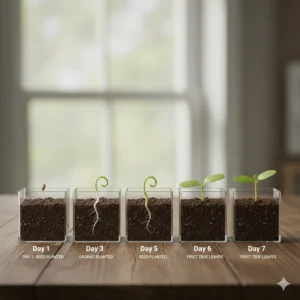
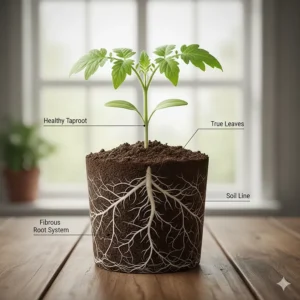
Begin your organic tomato journey indoors to get a head start on the growing season. Use organic seed starting mix – regular potting soil is too heavy and can contain synthetic fertilizers that violate organic principles. Fill clean containers with moistened seed starting mix and plant 2-3 seeds per cell about 1/4 inch deep.
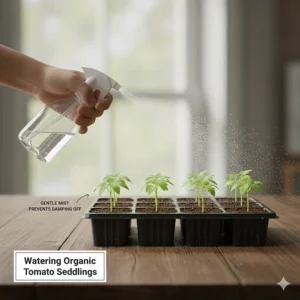
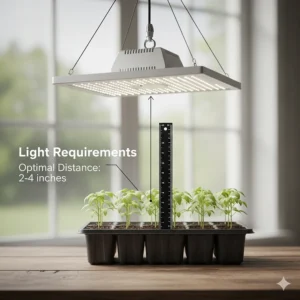
Place containers in a warm location (70-75°F) and keep the soil consistently moist but not waterlogged. Most organic tomato varieties germinate within 5-14 days. Once seedlings emerge, move them to a bright location with 14-16 hours of light daily. A grow light positioned 2-3 inches above seedlings prevents stretching and promotes stocky growth.
When true leaves develop, thin to the strongest seedling per cell. Feed weekly with diluted organic fertilizer like fish emulsion or compost tea. About two weeks before transplanting, begin hardening off seedlings by gradually exposing them to outdoor conditions for increasing periods each day.
Preparing Organic Garden Beds
Organic tomato production succeeds or fails based on soil health. Three months before planting, add 2-4 inches of finished compost to your tomato beds and work it into the top 8-12 inches of soil. This provides slow-release nutrients while improving soil structure and beneficial microbial populations.
Test your soil pH – tomatoes prefer 6.0-6.8. Adjust if needed using organic amendments like lime (to raise pH) or sulfur (to lower pH). Add organic fertilizer according to soil test recommendations, focusing on balanced NPK ratios suitable for fruiting crops.
Plan your tomato location considering crop rotation. Don’t plant tomatoes where you’ve grown nightshades (tomatoes, peppers, eggplants, potatoes) in the previous 2-3 years. This rotation helps prevent disease buildup and maintains soil health.
Transplanting and Early Care
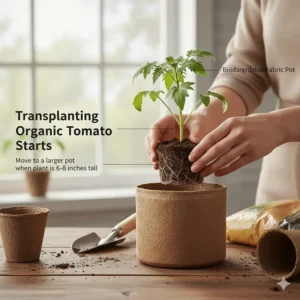
After all danger of frost has passed and soil temperatures reach at least 60°F, transplant your hardened-off seedlings. Dig holes deep enough to bury stems up to the first true leaves – buried stems develop additional roots that strengthen plants and improve nutrient uptake.
Space determinate varieties 24-36 inches apart and indeterminate varieties 36-48 inches apart in rows 4-5 feet apart. Immediately install supports (stakes or cages) to avoid disturbing roots later. Water transplants thoroughly with diluted compost tea to reduce transplant shock.
Apply 2-3 inches of organic mulch (straw, shredded leaves, or grass clippings) around plants once soil warms, leaving a few inches of space around stems. Mulch conserves moisture, suppresses weeds, regulates soil temperature, and slowly releases nutrients as it decomposes.
Organic Pest and Disease Management
Prevention is the foundation of organic pest management. Ensure proper spacing for air circulation, water at the soil level to keep foliage dry, and remove lower leaves that touch the ground. Scout plants regularly for early signs of problems.
Common organic pest controls include handpicking hornworms, using row covers to exclude pests, and attracting beneficial insects with companion plantings. Neem oil and insecticidal soap handle soft-bodied pests, while Bt (Bacillus thuringiensis) controls caterpillars organically.
For disease prevention, choose resistant varieties, practice crop rotation, and avoid working in wet gardens. If diseases appear, remove affected foliage immediately and consider copper-based organic fungicides for serious infections. Healthy, well-fed plants grown in living soil naturally resist most diseases.
Harvesting for Maximum Flavor
Organic tomatoes develop peak flavor when allowed to ripen completely on the vine. Harvest when fruits show full color and give slightly to gentle pressure. Pick regularly to encourage continued production on indeterminate varieties.
Morning harvest after dew evaporates but before afternoon heat provides the best flavor. Handle ripe tomatoes gently to avoid bruising, and never refrigerate fresh tomatoes – cold temperatures destroy flavor compounds and create mealy texture. Store at room temperature stem-side down and use within a week for optimal taste.
Sustainable Tomato Growing: Building a Regenerative System
True organic tomato production extends beyond avoiding synthetic chemicals – it embraces regenerative practices that improve soil health, biodiversity, and long-term productivity. Here’s how to create a sustainable tomato growing system.
Soil Health as Foundation
Living soil teeming with beneficial microorganisms, earthworms, and organic matter produces healthier, more resilient tomato plants than dead, chemical-dependent soil. Build soil health through regular compost additions (2-4 inches annually), minimal tillage to preserve soil structure, and diverse cover crops during off-seasons.
Consider creating your own compost from kitchen scraps, yard waste, and organic materials. Finished compost provides slow-release nutrients, improves water retention, and introduces beneficial microorganisms that suppress diseases and make nutrients available to plants. Many successful organic gardeners view compost as the cornerstone of their entire system.
Crop rotation prevents nutrient depletion and disease buildup while supporting different beneficial organisms. Follow tomatoes with nitrogen-fixing legumes, then leafy greens, then root vegetables before returning to nightshades after 3-4 years. This rotation maintains soil balance and breaks pest life cycles naturally.
Water Conservation Strategies
Sustainable tomato production uses water wisely through efficient irrigation and soil management. Drip irrigation or soaker hoses deliver water directly to root zones with minimal waste, while mulching reduces evaporation by up to 70%. Water deeply but infrequently to encourage deep root growth rather than shallow, frequent watering that creates weak, drought-susceptible plants.
Rainwater harvesting extends your water resources while reducing municipal water usage. Simple rain barrels collect roof runoff for garden use, and larger systems can provide all your irrigation needs. This naturally soft, pH-neutral water actually benefits plants compared to treated municipal water.
Consider growing tomatoes in water-wise configurations like raised beds enriched with compost, which retain moisture better than conventional gardens. Self-watering containers work exceptionally well for patio and balcony gardeners, reducing water waste while maintaining consistent soil moisture.
Seed Saving and Genetic Preservation
Saving seeds from your best organic tomato plants creates locally adapted varieties while preserving genetic diversity. This practice closes the loop on sustainability, reducing dependence on annual seed purchases and supporting food security.
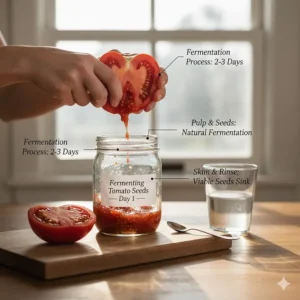
Choose fully ripe fruits from your healthiest, most productive plants for seed saving. Ferment the seeds and pulp in water for 2-3 days to remove germination inhibitors and kill seed-borne diseases. Rinse thoroughly, dry completely, and store in cool, dark conditions. Properly stored tomato seeds remain viable for 4-6 years.
Only save seeds from open-pollinated and heirloom varieties – hybrids don’t breed true and will produce variable offspring. This limitation actually enhances genetic diversity as you select plants best suited to your specific conditions over multiple generations. Many passionate gardeners develop their own unique strains through this process.
✨ Don’t Miss These Exclusive Deals!
🔍 Take your organic gardening to the next level with these carefully selected products. Click on any highlighted item to check current pricing and availability. These certified organic seeds will help you create authentic, chemical-free harvests your family will love!
Chemical-Free Tomato Seeds: Beyond Just Organic
The term “chemical-free” resonates with many gardeners, but it’s worth understanding what this really means in the context of tomato seeds and how it relates to organic certification.
What “Chemical-Free” Actually Means
Strictly speaking, everything contains chemicals – water is a chemical compound, as is every nutrient plants need. When gardeners talk about “chemical-free” seeds, they typically mean seeds free from synthetic chemicals, including synthetic fertilizers, pesticides, fungicides, and treatments applied during production or handling.
Certified organic tomato seeds meet this definition by default. USDA organic regulations prohibit synthetic substances throughout seed production, with very limited exceptions for specific situations like federally mandated phytosanitary treatments. The organic certification process verifies that parent plants were grown without synthetic inputs for at least three years and that seeds weren’t treated with prohibited substances after harvest.
However, “chemical-free” claims without organic certification should raise red flags. Without third-party verification through organic certification, these claims rely entirely on the seller’s integrity. Some companies use “chemical-free” terminology specifically to avoid the cost and oversight of organic certification while capitalizing on consumer preferences.
Seed Treatments and Organic Standards
Conventional seeds often receive various treatments before packaging – fungicides to prevent damping off, insecticides to protect against storage pests, or coating materials to improve handling. These treatments protect seeds and increase germination rates but violate organic standards.
Organic tomato seeds cannot be treated with prohibited synthetic substances. If treatment is necessary, only substances on the National List of Allowed and Prohibited Substances are permitted. Most organic seed companies avoid treatments entirely, relying instead on proper storage conditions, short storage periods, and high-quality seed production to ensure good germination.
For organic growers, using untreated seeds is essential – even planting one packet of treated conventional seeds could jeopardize organic certification for that field. Certified organic seed suppliers maintain strict separation between organic and conventional products to prevent contamination and mislabeling.
Natural Alternatives to Chemical Treatments
Organic seed producers employ various natural strategies to produce clean, viable seeds without synthetic treatments. Hot water treatment effectively eliminates seed-borne bacterial and fungal pathogens without chemicals. Careful climate control during seed drying and storage prevents mold growth naturally.
Some suppliers use beneficial bacteria or fungi to coat organic seeds, providing natural disease protection and enhanced germination. These biological inoculants introduce helpful microorganisms that protect seedlings and improve nutrient uptake. Look for products approved by OMRI (Organic Materials Review Institute) if you want additional assurance about their organic status.
The reality is that high-quality organic tomato seeds from reputable suppliers germinate reliably without any treatments. Proper seed production, processing, and storage create naturally vigorous seeds that perform well in organic growing conditions. When you purchase certified organic seeds, you’re getting the cleanest possible start for your chemical-free garden.
Regional Considerations for Organic Tomato Varieties
Success with organic tomato seeds depends heavily on choosing varieties adapted to your specific climate and growing conditions. What thrives in Southern California may struggle in Maine, and vice versa.
Heat-Tolerant Varieties for Southern Gardens
Gardeners in hot, humid climates face unique challenges with tomatoes. High nighttime temperatures above 75°F prevent fruit set in many varieties, while intense sun can cause scalding. Heat-tolerant varieties like Phoenix, Heatwave II, and Surefire perform reliably when temperatures soar.
Among organic options, the heirloom Arkansas Traveler excels in heat, developing excellent flavor even during hot summers. The variety originated in Arkansas specifically for hot, humid conditions. Celebrity and Better Boy, while hybrids, are available in organic versions and set fruit reliably through heat waves.
Disease pressure runs high in humid southern gardens, making disease resistance critical. Look for varieties with VFN resistance (Verticillium wilt, Fusarium wilt, Nematodes) as a baseline. Good air circulation through proper spacing and pruning helps prevent fungal diseases that thrive in humidity.
Short-Season Varieties for Northern Climates
Northern gardeners need tomatoes that ripen quickly before first frost. Look for varieties maturing in 60-75 days rather than 80-90. Early Girl, Fourth of July, and Stupice rank among the fastest organic options for cold climates.
The key for northern success involves starting seeds indoors 6-8 weeks before last frost and using season extension techniques. Black plastic mulch warms soil faster in spring, while row covers protect from late spring and early fall frosts. Wall O’ Water season extenders let you transplant weeks earlier than traditional timing.
Northern gardeners should prioritize determinate or semi-determinate varieties that concentrate their harvest before frost. While indeterminate heirlooms offer extended harvest, they may not fully mature before cold weather. Bush varieties like Oregon Spring and Northern Delight were specifically bred for short-season success.
Dealing with Disease Pressure
Certain regions face overwhelming disease pressure from specific pathogens. Late blight devastates tomatoes in cool, wet maritime climates. Verticillium and Fusarium wilts plague southern gardens with infected soils. Early blight appears nearly everywhere but hits hardest in areas with warm, humid conditions.
Choosing organically certified disease-resistant varieties provides your first line of defense. Modern breeding has produced organic tomatoes with multiple disease resistances while maintaining excellent flavor. Look beyond just VF resistance to varieties offering resistance to your region’s specific problems.
Cultural practices matter as much as variety selection. Crop rotation prevents disease buildup, proper spacing improves air circulation, and soaker hoses keep foliage dry. Removing lower leaves reduces ground contact and improves airflow around plants. These organic management strategies work synergistically with resistant varieties to minimize disease problems.
FAQ
❓ What is the difference between organic and non-organic tomato seeds?
❓ Can I save seeds from organic hybrid tomatoes?
❓ How long do organic tomato seeds stay viable?
❓ Are heirloom tomatoes always organic?
❓ What's the best organic tomato variety for containers?
Conclusion: Start Your Organic Tomato Journey Today
Growing tomatoes from certified organic seeds transforms your garden into a sanctuary of pure, chemical-free abundance. Whether you’re drawn to the complex flavors of heirloom varieties, the reliability of disease-resistant hybrids, or simply want to avoid synthetic chemicals in your food, organic tomato seeds provide the foundation for success.
The seven products I’ve reviewed represent the best options currently available for 2026, from comprehensive variety packs like Sweet Yards’ 12-pack collection to specialized options like Burpee’s organic Roma for sauce makers. Each offers USDA organic certification, excellent germination rates, and the genetic purity that makes saving seeds worthwhile.
Remember that success with organic tomatoes extends beyond just the seeds – it requires building healthy soil, managing pests and diseases through prevention rather than chemical intervention, and choosing varieties adapted to your specific climate. The extra effort pays dividends in flavor, nutrition, and the satisfaction of growing food that’s truly clean from seed to harvest.
Start small if you’re new to organic gardening. Choose 2-3 varieties suited to your climate and experience level, focus on building great soil, and learn the rhythms of organic pest management. As your confidence grows, expand your collection to include unique heirlooms and experiment with seed saving to develop locally adapted strains.
The organic seed movement represents more than just avoiding chemicals – it’s about preserving genetic diversity, supporting sustainable agriculture, and maintaining independence from corporate seed consolidation. Every packet of organic seeds you plant contributes to a more resilient, diverse, and healthy food system for future generations.
Recommended for You
- 7 Best Cherry Tomatoes to Grow in 2026 (Sweet & Easy!)
- 7 Best Hybrid Tomato Varieties for 2026
- 7 Best Heirloom Tomato Seeds for 2026 Garden Success
Disclaimer: This article contains affiliate links. If you purchase products through these links, we may earn a small commission at no additional cost to you.
✨ Found this helpful? Share it with your friends! 💬🤗
