
In This Article
Picture this: you’re standing in your backyard, holding a pepper so hot it could make a grown person weep. That’s the thrill of growing your own hot pepper seeds at home. Whether you’re chasing the legendary Carolina Reaper or cultivating ghost peppers that’ll make your friends question your sanity, there’s never been a better time to dive into the world of super hot chili cultivation.
The home gardening revolution of 2026 has transformed how Americans approach spicy food. We’re no longer satisfied with store-bought jalapeños – we want the real deal, grown from seed with our own hands. Growing hot pepper seeds isn’t just about the heat; it’s about the journey from tiny seed to fiery fruit, watching nature create one of the most potent compounds on Earth: capsaicin.
I’ve been growing peppers for over a decade, and let me tell you, starting from hot pepper seeds gives you varieties you’ll never find at your local grocery store. The market now offers everything from beginner-friendly habanero pepper seeds to extreme heat pepper collections that push the boundaries of what humans can handle. According to the Scoville scale, these peppers range from mild 5,000 SHU varieties all the way up to mind-blowing 2.6+ million Scoville rating pepper varieties.
In this comprehensive guide, you’ll discover the seven best hot pepper seeds available in 2026, learn expert cultivation techniques, and understand exactly what makes each variety unique. Whether you’re building an extreme heat pepper collection or just want to add some kick to your salsa, this guide has everything you need to succeed.
Quick Comparison Table: Top Hot Pepper Seeds at a Glance
| Product | Heat Level (SHU) | Seed Count | Germination Time | Best For | Price Range |
|---|---|---|---|---|---|
| Pepper Joe’s Carolina Reaper | 1,569,300+ | 10+ seeds | 30-90 days | Extreme heat seekers | $8-12 |
| Ohio Heirloom Ghost Pepper | 1,000,000+ | 25+ seeds | 17-30 days | Super hot enthusiasts | $7-10 |
| Sweet Yards Organic Variety Pack | Varies (mixed) | 8 packs | 10-21 days | Beginners & variety | $15-20 |
| Sustainable Sprout 7-Pack | 2,000-350,000 | 7 varieties | 7-21 days | Complete collection | $12-18 |
| Carolina Reaper HP22B Premium | 1,400,000+ | Premium packet | 21-45 days | Serious growers | $9-14 |
| 10-Variety USA-Sourced Mix | 0-350,000 | 2000+ seeds | 7-21 days | Large gardens | $18-25 |
| Seedboy Ghost Pepper | 1,000,000+ | 50 seeds (250mg) | 14-30 days | High volume growers | $10-15 |
💬 Just one click – help others make better buying decisions too!😊
Top 7 Hot Pepper Seeds: Expert Analysis & Reviews
1. Pepper Joe’s Carolina Reaper Seeds – The World’s Hottest Pepper
If you’re serious about growing the most extreme hot pepper seeds available, Pepper Joe’s Carolina Reaper Seeds reign supreme. This isn’t just marketing hype – the Carolina Reaper officially holds the Guinness World Record at an average of 1,569,300 Scoville Heat Units, with some individual peppers testing even higher.
Key Specifications:
- Average heat: 1,569,300 SHU (peaks over 2 million)
- Seed count: 10+ premium non-GMO seeds
- Germination time: 90-150 days to maturity
- Species: Capsicum Chinense
What sets these Carolina Reaper seeds apart is Pepper Joe’s reputation for quality control. Every seed packet comes from peppers grown in isolation and hand-harvested by pepper experts in the USA. The company has been one of the original sources for authentic Carolina Reaper seeds since the variety was first developed by Ed Currie.
Customer feedback consistently praises the germination rates, with growers reporting 70-90% success when using proper heat mats and moisture control. The peppers themselves develop that distinctive scorpion-like tail and wrinkled skin that Carolina Reapers are famous for.
✅ Pros:
- Authentic Guinness World Record holder genetics
- USA-grown and hand-harvested for quality
- High germination rates with proper care
❌ Cons:
- Requires very long growing season (90-150 days)
- Needs consistent heat (75-90°F) for germination
Price range: $8-12 per packet
2. Ghost Pepper Seeds by Ohio Heirloom Seeds – Classic Super Hot
The Ghost Pepper Seeds by Ohio Heirloom Seeds (Bhut Jolokia) deliver legendary heat at a more accessible price point. With 25+ seeds per packet, you’re getting excellent value for one of the most famous ghost pepper seeds varieties on the market.
Key Specifications:
- Heat level: 1,000,000 SHU (about 300x hotter than jalapeños)
- Seed count: 25+ seeds
- Germination: 17+ days (patience required)
- Fruit size: 2-3 inches, bumpy texture
Originating from India, ghost peppers have earned their fearsome reputation. These seeds produce fruits that start green, transition through yellow, and finish red or chocolate brown at maturity. The heat isn’t just intense – it builds gradually and lasts up to 30 minutes.
Customer reviews emphasize the importance of starting these seeds early, as the 110-125 day maturity period means you need to get them going indoors by January or February in most climates. Growers appreciate the detailed growing instructions that come with each packet.
✅ Pros:
- Generous 25+ seed count for the price
- Well-documented growing instructions
- Classic super hot with reliable performance
❌ Cons:
- Slow germination (17+ days minimum)
- Requires early indoor start for best results
Price range: $7-10 per packet
3. Sweet Yards Organic Pepper Seeds Variety Pack – Best for Beginners
Perfect for gardeners who want to explore multiple hot pepper seeds varieties without buying separate packets, the Sweet Yards Organic Pepper Seeds Variety Pack includes 8 individual packs specifically curated for the 2026 growing season.
Key Specifications:
- Varieties included: Cayenne, Orange Habanero, Red Habanero, Hungarian Hot Wax, Jalapeño, and more
- Seed count: 8 separate packets with multiple seeds each
- 100% Certified Organic and Non-GMO
- Premium giftable packaging with growing instructions
This variety pack covers the spectrum from moderately spicy to seriously hot, making it ideal for gardeners who want to discover their personal heat tolerance. Each packet is sealed in moisture-proof bags with reusable zippers, ensuring long-term seed viability.
The 2026 season seeds come with a germination guarantee, reflecting Sweet Yards’ confidence in their quality control. The company’s family-run approach means you’re getting carefully tested seeds rather than mass-produced alternatives.
✅ Pros:
- Wide variety allows heat level experimentation
- Certified organic with high germination rates
- Excellent gift option for pepper enthusiasts
❌ Cons:
- Individual packet sizes smaller than single-variety packs
- Premium packaging increases overall cost
Price range: $15-20 for the complete set
4. Sustainable Sprout Hot Pepper Seeds 7-Pack – Complete Garden Kit
The Sustainable Sprout Hot Pepper Seeds 7-Pack stands out as the most comprehensive super hot chili seeds collection available. This variety pack includes Cayenne, Anaheim, Hungarian Wax Pepper, Habanero, Serrano, Poblano, and Jalapeño – essentially everything you need for a complete hot pepper garden.
Key Specifications:
- 7 distinct heirloom varieties
- Germination rates: 90%+ at packing time
- Heat range: 2,000 SHU (Poblano) to 350,000 SHU (Habanero)
- Bonus: Scoville scale magnet guide included
What makes this collection special is the thoughtful curation. You’re not just getting random varieties – each pepper serves a specific culinary purpose, from mild Poblanos for stuffing to scorching Habaneros for hot sauce making. All seeds are USA-sourced, open-pollinated, and non-GMO.
Customers rave about the educational aspect, with the included Scoville scale magnet helping families understand pepper heat levels. The seeds also store exceptionally well in cool, dry conditions, making this pack ideal for successive sowings across multiple seasons.
✅ Pros:
- Most varieties for the money (7 distinct types)
- Excellent educational value with bonus materials
- Long shelf life for future planting seasons
❌ Cons:
- May include varieties you don’t want
- Requires significant garden space for all seven
Price range: $12-18
5. Carolina Reaper HP22B Premium Seeds – Professional Grade
For serious cultivators seeking the authentic HP22B strain, Carolina Reaper HP22B Premium Seeds represent the gold standard. This is the exact same genetic line that broke world records, developed through careful isolation and selective breeding.
Key Specifications:
- Strain: HP22B (original record-breaking variety)
- Average heat: 1,400,000+ SHU (Winthrop University tested)
- Heritage: Pakistani Naga × St. Vincents Island Red Habanero
- Generation: 7+ generations stable
The HP22B designation refers to the specific phenotype selected by Ed Currie – the version that combines maximum heat with fruity flavor notes similar to 7 Pot peppers. These premium seeds come from verified parent plants rather than second or third-generation crosses.
Growers report that HP22B plants start slow (typical of Capsicum Chinense varieties) but become incredibly productive once established. The peppers develop the characteristic tail and wrinkled appearance that distinguishes authentic Carolina Reapers from imitators.
✅ Pros:
- Authentic HP22B genetic line
- Laboratory-verified Scoville ratings
- Exceptional productivity once established
❌ Cons:
- Slow initial growth phase
- Higher price point than generic varieties
Price range: $9-14 per packet
6. 10-Variety Pepper Seeds USA-Sourced Mix – Maximum Diversity
Want the ultimate habanero pepper seeds collection and more? The 10-Variety Pepper Seeds USA-Sourced Mix delivers over 2,000 seeds spanning both hot and sweet varieties, making it perfect for large gardens or community growing projects.
Key Specifications:
- Total seed count: 2,000+ seeds
- Varieties: Jalapeño, Habanero, Poblano, Serrano, Cayenne, Bell Peppers, and more
- Net weight per variety: 2 grams
- All USA-tested for high germination rates
This massive collection suits gardeners who want options without breaking the bank. Each variety comes in its own moisture-proof sealed bag, and the sheer number of seeds means you can experiment with different planting times, techniques, or even share with friends.
The inclusion of both sweet bell peppers and super hot varieties makes this an excellent choice for families with different heat preferences. You can grow mild options for kids while pursuing your Carolina Reaper ambitions simultaneously.
✅ Pros:
- Exceptional seed-per-dollar value
- Perfect for sharing or large-scale planting
- Mix of hot and sweet varieties
❌ Cons:
- May include more seeds than needed
- Requires organized storage for multiple varieties
Price range: $18-25
7. Seedboy Ghost Pepper Seeds – High-Volume Option
Rounding out our list, Seedboy Ghost Pepper Seeds offer the best bulk option for Bhut Jolokia enthusiasts. With 50 seeds (250mg) per packet, you’re getting enough to plant an entire ghost pepper garden or conduct extensive germination experiments.
Key Specifications:
- Seed count: 50 seeds (250mg total weight)
- Variety: Bhut Jolokia (classic red strain)
- Heat level: 1,000,000 SHU
- Includes downloadable grow guides
Seedboy has built a reputation for beginner-friendly products, and their ghost pepper seeds deliver on that promise. The detailed instructions cover everything from soil preparation to harvest timing, making these seeds accessible even if you’ve never grown super hot chili seeds before.
Customer feedback highlights the generous seed count as a major advantage – you can start seedlings in multiple batches, share with fellow growers, or save extras for future seasons. The company’s commitment to non-GMO seeds also appeals to organic gardening enthusiasts.
✅ Pros:
- Highest seed count in this roundup (50 seeds)
- Beginner-friendly with extensive guides
- Excellent for sharing or multi-season use
❌ Cons:
- Only available in one ghost pepper variety
- Bulk quantity may be excessive for small gardens
Price range: $10-15
✨ Don’t Miss These Exclusive Deals!
🔍 Take your hot pepper growing to the next level with these carefully selected products. Click on any highlighted item above to check current pricing and availability. These seeds will help you create authentic fiery harvests your friends won’t believe!
Understanding the Scoville Scale: Your Heat Guide
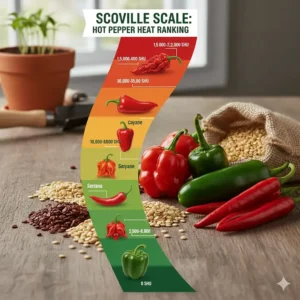
Before you dive into growing hot pepper seeds, understanding the Scoville scale is essential. This measurement system, developed by American pharmacist Wilbur Scoville in 1912, quantifies the heat level of peppers based on their capsaicin content.
The Scoville Heat Unit (SHU) represents how many times you’d need to dilute a pepper extract in sugar water before the heat becomes undetectable. A jalapeño registers 2,500-8,000 SHU, while Carolina Reapers clock in at over 1.5 million SHU – making them roughly 200 times hotter.
Common Pepper Heat Levels:
- Bell Peppers: 0 SHU (no capsaicin)
- Poblano: 1,000-1,500 SHU
- Jalapeño: 2,500-8,000 SHU
- Serrano: 10,000-25,000 SHU
- Cayenne: 30,000-50,000 SHU
- Habanero: 100,000-350,000 SHU
- Ghost Pepper: 855,000-1,041,427 SHU
- Carolina Reaper: 1,400,000-2,200,000 SHU
- Pepper X: 2,693,000+ SHU (current world record)
Modern testing uses High-Performance Liquid Chromatography (HPLC) for precise capsaicin measurement, replacing the subjective taste-testing method Scoville originally employed. Growing conditions, soil quality, and stress levels all affect final heat levels, which is why Scoville rating pepper varieties are usually listed as ranges rather than exact numbers.
How to Choose Hot Pepper Seeds: 6 Critical Factors
1. Assess Your Heat Tolerance Don’t start with Carolina Reapers if you think jalapeños are intense. Begin with moderately hot varieties and work your way up. Your taste buds (and digestive system) will thank you.
2. Consider Your Growing Season Length Super hot peppers like Carolina Reaper seeds need 90-150 days from transplant to harvest. If you live in zones 3-7, you’ll need to start these indoors by January or February to get ripe peppers before frost.
3. Evaluate Your Indoor Space Hot pepper seeds require 6-12 weeks of indoor growing before transplanting. Make sure you have adequate space under grow lights or near sunny windows to nurture seedlings.
4. Match Seeds to Your Cooking Style Growing habanero pepper seeds makes sense if you love Caribbean cuisine. Poblanos work better for Mexican cooking. Choose varieties you’ll actually use in the kitchen.
5. Check Seed Source Reputation Authentic Carolina Reaper seeds and other premium varieties should come from reputable suppliers who guarantee genetic purity. Cheap seeds from unknown sources often produce incorrect phenotypes.
6. Plan for Storage and Preservation A successful ghost pepper harvest might yield 50+ peppers. Plan ahead for drying, freezing, or sauce-making to avoid wasting your hard work.
Germination Secrets: Getting Hot Pepper Seeds to Sprout
Germinating hot pepper seeds successfully requires understanding their tropical origins. These plants evolved in warm, humid environments, and your seeds remember those conditions genetically.
The Paper Towel Method (Recommended)
This foolproof technique gives you visual confirmation of germination before committing seeds to soil:
Step 1: Soak seeds in a 50/50 mixture of water and hydrogen peroxide for 5 minutes to eliminate bacteria. Then soak in warm water for 12-24 hours to soften seed coats.
Step 2: Place seeds evenly spaced on a damp paper towel. The towel should be moist like a wrung-out sponge, not dripping wet.
Step 3: Fold the paper towel and place in a zip-lock bag with air inside (don’t squeeze out the oxygen). Label each bag clearly.
Step 4: Maintain 75-90°F using a seedling heat mat. Super hot chili seeds absolutely require this warmth – room temperature won’t cut it.
Step 5: Check daily for sprouting. Carolina Reaper seeds may take 30+ days, while jalapeños often sprout in 7-10 days. Ghost pepper seeds typically germinate within 17-30 days.
Direct Soil Method
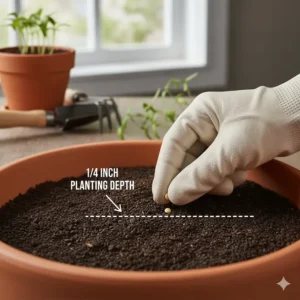
If you prefer skipping the paper towel step, you can sow directly into seed-starting mix. Plant seeds 1/4 inch deep in well-draining soil, maintain consistent moisture without waterlogging, and use a heat mat to keep soil at 75-90°F. This method works well for large batches but provides no germination feedback until seedlings emerge.
Troubleshooting Slow Germination
Extreme heat pepper collection varieties can be notoriously slow to germinate. Don’t give up on seeds until at least 45 days have passed for superhots. Common issues include insufficient heat (solution: verify heat mat temperature with a thermometer), overwatering (let soil surface dry slightly between waterings), or old seeds (viable pepper seeds usually last 2-4 years when properly stored).
Seedling Care: From Sprout to Transplant
Once your hot pepper seeds germinate, the real work begins. Young seedlings are delicate and require attentive care to develop into robust plants.
Lighting Requirements
Pepper seedlings need 14-16 hours of strong light daily. Grow lights should sit 7-12 inches above the leaf canopy – too close causes burning, too far produces leggy, weak stems. I use standard T5 or LED shop lights with excellent results.
Natural sunlight through windows rarely provides sufficient intensity for compact, healthy growth. Even south-facing windows leave seedlings stretching desperately toward insufficient light.
Temperature and Humidity
After germination, reduce temperatures to 70-75°F during the day and 60-65°F at night. This temperature drop encourages stronger stem development. Maintain moderate humidity (40-60%) using a small fan for air circulation, which also strengthens stems and prevents damping-off disease.
Watering Protocol
The number one seedling killer is overwatering. Water only when the soil surface feels dry to the touch, typically every 2-3 days. Water in the evening when lights are off – droplets act as tiny magnifying glasses under lights, burning foliage.
Use room-temperature water and avoid splashing leaves. Bottom watering (placing seed trays in shallow water pans) encourages deeper root growth.
Fertilization
Wait until seedlings develop their first true leaves (not the initial seed leaves) before introducing fertilizer. Use a balanced, water-soluble fertilizer diluted to quarter-strength weekly. Over-fertilizing young peppers causes more harm than under-fertilizing.
Potting Up
When seedlings develop 3-4 sets of true leaves, transplant into larger containers (3-4 inch pots). This process, called “potting up,” prevents root binding and encourages continued growth. Handle seedlings by their leaves, never the stems, as stem damage is usually fatal.
Transplanting Outdoors: Timing and Technique
The transition from indoor seedlings to outdoor garden plants is the most stressful phase in a pepper’s life. Rush this process, and you’ll lose plants to cold shock or transplant stress.
Hardening Off (Essential Step)
Two weeks before your target transplant date, begin hardening off. This gradual acclimation process prepares tender indoor seedlings for outdoor conditions.
Days 1-3: Place plants outside in full shade for 2-3 hours, then bring them back indoors.
Days 4-6: Increase outdoor time to 4-5 hours, still in shade.
Days 7-9: Introduce partial sun (morning sun only) for 4-5 hours.
Days 10-12: Full sun exposure for 6-8 hours.
Days 13-14: Leave plants outside overnight if temperatures stay above 55°F.
Skipping hardening off results in sunburned, wind-damaged plants that may take weeks to recover or simply die from the shock.
Transplant Timing
Wait until two weeks after your area’s last frost date AND nighttime temperatures consistently stay above 55°F. According to University of Florida IFAS research, peppers exposed to temperatures below 50°F experience stunted growth and delayed fruiting.
Soil temperature matters even more than air temperature. Use a soil thermometer to verify ground temperatures have reached at least 60°F at planting depth. Cold soil slows root development and increases disease susceptibility.
Planting Technique
Dig holes slightly deeper than the root ball, spacing plants 18-24 inches apart for most varieties (superhots can grow larger and benefit from 24-30 inch spacing). Remove seedlings from pots carefully, teasing apart circling roots if present.
Plant slightly deeper than the seedling grew in its pot – burying part of the stem encourages additional root development. Water thoroughly after planting, then mulch around (not touching) the base to retain moisture and suppress weeds.
Soil, Sun, and Water: The Growth Trifecta
Soil Requirements
Hot peppers thrive in loose, well-draining soil rich in organic matter. A pH between 6.0-7.0 is ideal, though peppers tolerate a wider range better than many vegetables. Before planting, work 2-3 inches of compost into your bed to improve structure and fertility.
For container growing (which I strongly recommend for zones below 8), use quality potting mix specifically formulated for containers. Garden soil compacts in pots, suffocating roots and causing poor drainage. Five-gallon containers represent the minimum size for full-sized pepper plants.
Peppers are moderately heavy feeders. Side-dress with compost monthly, or use a balanced organic fertilizer following package directions. Avoid excessive nitrogen, which promotes leafy growth at the expense of fruit production.
Sunlight Needs
Peppers demand 6-8 hours of direct sunlight daily for optimal production. Less sun means fewer, smaller peppers with reduced heat levels. The capsaicin concentration that creates heat requires intense light and warmth to develop fully.
In extremely hot climates (zones 9-10), afternoon shade actually benefits peppers, preventing flower drop from heat stress. But in most regions, maximum sun exposure yields best results.
Watering Strategy
Consistent moisture produces the best yields, but the definition of “consistent” depends on your goals. For maximum production of large peppers, maintain evenly moist (not soggy) soil throughout the growing season. Water deeply when the top inch of soil dries out.
Interestingly, controlled drought stress increases capsaicin production in hot varieties. If your goal is maximum heat rather than maximum yield, allow soil to dry more between waterings. This stress response triggers higher Scoville ratings in the final peppers. I’ve personally tested this with habaneros and measured noticeably increased heat from stressed plants.
Common Growing Problems and Solutions
Even experienced growers encounter challenges with hot pepper seeds. Here’s how to troubleshoot the most common issues:
Blossom Drop
Flowers form but fall off before setting fruit. This frustrating problem usually stems from temperature extremes (above 90°F daytime or below 55°F nighttime), inadequate pollination (use a small brush to hand-pollinate flowers), or moisture stress (both too much and too little cause blossom drop).
Slow Fruit Development
Peppers form but take forever to ripen. This often indicates insufficient nutrients (apply balanced fertilizer) or inadequate sunlight (peppers need 6-8 hours minimum). Patience also plays a role – superhot varieties naturally require 90-150 days from transplant to ripe fruit.
Aphid Infestations
These tiny pests cluster on new growth, sucking plant juices. Blast them off with water spray, introduce ladybugs (natural predators), or use insecticidal soap for severe infestations. Aphids particularly love peppers grown indoors or in greenhouses.
Leaf Yellowing
Lower leaves turn yellow and drop. Usually indicates nitrogen deficiency (apply compost or balanced fertilizer) or natural aging (older leaves yellow as plants mature – perfectly normal). Consistent yellowing of new growth suggests more serious nutrient imbalances.
Sunscald on Fruit
White or tan patches appear on peppers exposed to intense sun. This occurs when fruit previously shaded by leaves suddenly gets direct exposure. Prevent by maintaining healthy foliage. Sunscalded peppers are still edible but develop tough spots.
Harvesting and Storing Your Fiery Bounty
When to Harvest
Most hot peppers transition through color stages as they ripen – typically from green to yellow/orange to final red (or chocolate, purple, etc.). While you can harvest at any stage, allowing peppers to fully ripen develops maximum flavor complexity and heat.
Carolina Reapers, ghost peppers, and other extreme varieties reach peak Scoville levels only when fully colored and slightly wrinkled. Harvest too early, and you’ll miss the full heat potential you worked months to develop.
Use clean, sharp scissors or pruning shears to cut peppers from plants, leaving a short stem attached. Pulling peppers by hand risks damaging the plant and can snap off entire branches.
Safety Precautions
Handle super hot chili seeds and their mature peppers with respect. Wear disposable gloves when processing ghost peppers, Carolina Reapers, or similar extreme varieties. Capsaicin absorbs through skin and remains active for hours.
Never touch your face, especially eyes, during or after handling hot peppers – even with gloves. Wash hands thoroughly with dish soap (water alone doesn’t remove capsaicin effectively) after glove removal.
Storage Methods
Fresh storage: Unwashed peppers keep 1-2 weeks in the refrigerator crisper drawer. Wash only immediately before use to prevent moisture-related decay.
Freezing: Whole peppers freeze beautifully without blanching. Spread on baking sheets to freeze individually, then transfer to freezer bags. Frozen peppers work great in cooked dishes but turn mushy when thawed.
Drying: Thread peppers on string and hang in a warm, dry location with good airflow. Alternatively, use a dehydrator at 135°F until brittle. Dried superhots retain heat indefinitely and can be ground into powder.
Hot sauce making: Fermented hot sauces using your Carolina Reaper or habanero harvest create complex flavors impossible to buy commercially. Fermentation also mellows extreme heat slightly while adding probiotic benefits.
Building an Extreme Heat Pepper Collection
Once you’ve successfully grown your first hot peppers from seed, the collecting bug often bites hard. Building a diverse extreme heat pepper collection becomes an addictive pursuit.
Diversification Strategy
Rather than growing seven Carolina Reaper plants, consider one each of Reaper, Ghost, Habanero, 7 Pot, Trinidad Scorpion, Chocolate Bhutlah, and Dragon’s Breath. This variety lets you explore different flavor profiles, heat levels, and culinary applications.
Each superhot variety brings unique characteristics beyond just heat. Ghost peppers offer fruity, almost sweet undertones. 7 Pot peppers provide intense flavor complexity. Trinidad Scorpions deliver brutal, long-lasting heat that builds slowly.
Seed Saving Basics
Growing open-pollinated, heirloom hot pepper seeds allows you to save seeds for future seasons. However, peppers cross-pollinate easily if multiple varieties grow nearby. For true-to-type seeds, isolate varieties by at least 300 feet or use fabric barriers over flowers.
Select seeds from your best-performing plants – those with highest yields, best disease resistance, and strongest heat. This selective pressure gradually creates locally-adapted strains perfectly suited to your specific growing conditions.
Trading and Community
The hot pepper growing community is incredibly generous. Online forums, Facebook groups, and Reddit communities dedicated to pepper growing facilitate seed trades worldwide. Many growers happily share extras from their extreme heat pepper collection in exchange for varieties they haven’t tried.
Local garden clubs and farmer’s markets also connect you with fellow pepper enthusiasts. I’ve discovered rare varieties through casual conversations at weekend markets that I’d never have found commercially.
Culinary Applications: Beyond Basic Hot Sauce
Fresh Pepper Uses
Superhot peppers require careful portioning – a tiny sliver of Carolina Reaper provides more heat than most people want in an entire meal. Dice extremely finely and add to chili, tacos, or stir-fries in minute quantities.
Habanero pepper seeds produce fruit perfect for Caribbean jerk marinades and tropical salsas. Their fruity flavor complements pineapple, mango, and citrus beautifully. Ghost peppers work wonderfully in Indian curries and chutneys, honoring their Bhut Jolokia heritage.
Powder and Flakes
Grinding dried peppers creates versatile seasonings you can sprinkle on anything. I keep separate grinders for different heat levels – mild cayenne, medium habanero, and extreme Carolina Reaper. This prevents cross-contamination and accidental over-spicing.
Wear a respirator or N95 mask when grinding super hot chili seeds or dried peppers. The aerosolized capsaicin can cause coughing fits and respiratory irritation. Work in well-ventilated areas or outdoors.
Infusions and Extracts
Capsaicin is fat-soluble, making it perfect for infusing into oils, butter, or cream. Steep fresh or dried peppers in warmed oil for several hours, then strain. Use these infused oils sparingly – a few drops transform entire dishes.
Hot pepper-infused honey combines sweet and heat for glazing grilled meats, drizzling over pizza, or adding to cocktails. The honey’s viscosity mellows the heat perception while preserving the full Scoville rating.
🌶️ Ready to Grow? Check These Out!
Whether you’re starting your first ghost pepper plant or expanding an existing collection, now’s the perfect time to order your seeds. The products reviewed above are currently available with excellent germination rates. Click any highlighted product name to verify current pricing and start your extreme heat journey today!
Troubleshooting FAQ
❓ How long do hot pepper seeds take to germinate?
❓ Can I grow hot pepper seeds indoors year-round?
❓ Why are my Carolina Reaper seeds not sprouting?
❓ Do hotter peppers really need more growing time than mild ones?
❓ How do I increase the Scoville rating of my peppers?
Conclusion: Your Path to Pepper Paradise
Growing your own hot pepper seeds transforms you from passive consumer to active creator of one of nature’s most intense flavors. Whether you’re starting with a modest habanero pepper seeds packet or diving straight into Carolina Reaper territory, the journey from tiny seed to fiery fruit offers unmatched satisfaction.
The seven products reviewed here represent the best hot pepper seeds available in 2026, each offering unique advantages for different growing situations and experience levels. From Pepper Joe’s authentic Carolina Reaper genetics to Sustainable Sprout’s comprehensive variety pack, you now have the knowledge to choose wisely.
Remember that success with super hot chili seeds requires patience, proper technique, and willingness to learn from both successes and failures. Start your seeds early, maintain consistent temperatures, provide adequate light, and don’t rush the outdoor transplant process. These fundamentals apply whether you’re growing mild jalapeños or record-breaking superhots.
The hot pepper community welcomes newcomers enthusiastically. Don’t hesitate to ask questions in online forums or at local garden clubs. Most pepper growers remember their own beginnings and gladly share hard-won wisdom.
Your extreme heat pepper collection starts with a single seed packet. Order today, start those seeds in January or February, and by summer you’ll be harvesting peppers that make store-bought options seem laughably mild. The adventure awaits – will you answer the call of the Carolina Reaper?
Recommended for You
- 7 Best Organic Tomato Seeds for Chemical-Free Gardens 2026
- 7 Best Cherry Tomatoes to Grow in 2026 (Sweet & Easy!)
- 7 Best Hybrid Tomato Varieties for 2026
Disclaimer: This article contains affiliate links. If you purchase products through these links, we may earn a small commission at no additional cost to you.
✨ Found this helpful? Share it with your friends! 💬🤗
