
In This Article
Ever stared at your garden waiting for something—anything—to happen? You’re not alone. The average vegetable garden takes 60-90 days to produce its first harvest, but what if I told you there’s a faster way?
Fast growing vegetable seeds are the secret weapon of successful gardeners who want multiple harvests per season. These rapid maturing seeds deliver fresh produce in as little as 25-30 days, letting you enjoy homegrown vegetables while your neighbors are still waiting for their tomatoes to ripen. Whether you’re practicing succession planting varieties or simply don’t have the patience for long growing cycles, these quick harvest vegetables will transform your gardening experience.
In this guide, you’ll discover seven proven fast growing vegetable seeds available on Amazon right now. These aren’t theoretical recommendations—they’re real products with real results, chosen specifically for gardeners who value speed without sacrificing quality. From crunchy radishes ready in three weeks to tender beans in under two months, we’re covering the full spectrum of 30-day vegetables and rapid maturing seeds that’ll keep your table stocked all season long.
The beauty of impatient gardener seeds? You can plant them multiple times throughout the growing season. Harvest your first crop of radishes in late spring, replant immediately, and enjoy fresh produce again before summer’s end. This is succession planting at its finest, and it all starts with choosing the right seeds.
Quick Comparison Table: Top Fast Growing Vegetable Seeds
| Product | Harvest Time | Seed Count | Price Range | Best For |
|---|---|---|---|---|
| HOME GROWN Cherry Belle Radish Seeds | 30 days | 800+ | $6-$8 | Ultra-fast harvests |
| Survival Garden Seeds 30 Variety Pack | 30-90 days | 18,500+ | $28-$35 | Complete garden variety |
| Blue Lake Bush Bean 274 | 50-65 days | 500-1,500 | $7-$12 | Continuous harvests |
| Spring Salad Mix Seeds | 25-45 days | 25,000+ | $12-$15 | Cut-and-come-again greens |
| Survival Garden Microgreens Pack | 7-14 days | 10 varieties | $18-$22 | Indoor year-round growing |
| Gardeners Basics 35 Variety Kit | 30-90 days | 16,000+ | $22-$28 | Emergency preparedness |
| SeedsUP Radish Rainbow Mix | 25 days | 300+ | $5-$7 | Colorful quick harvests |
💬 Just one click – help others make better buying decisions too! 😊
Top 7 Fast Growing Vegetable Seeds: Expert Analysis
1. HOME GROWN Cherry Belle Radish Seeds – The Speed Champion
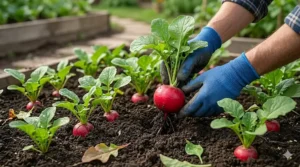
When you need vegetables fast, nothing beats radishes. The HOME GROWN Cherry Belle Radish Seeds deliver crunchy, peppery roots in just 30 days from sowing—making them one of the fastest vegetables you can grow.
Key Specifications:
- Maturity: 25-30 days to harvest
- Seed count: 800+ heirloom non-GMO seeds
- Yield: Perfect 1-inch round radishes
These cherry belle radishes are bred for speed and reliability. Plant them in early spring or late summer for optimal results, and you’ll be pulling crisp red globes before most gardeners have even seen their first sprouts. The compact growth habit means you can tuck them between slower-growing crops—a technique experienced gardeners call interplanting.
Customer feedback consistently praises the exceptional germination rate (over 90%) and the classic mild-to-spicy flavor that makes these radishes perfect for salads, tacos, or just eating straight from the garden. One reviewer noted harvesting radishes in exactly 28 days during spring planting.
✅ Pros:
- Lightning-fast 30-day harvest
- Excellent for succession planting every 2 weeks
- Perfect for beginner gardeners
❌ Cons:
- Must harvest promptly or they become pithy
- Not heat-tolerant (bolt in temperatures over 70°F)
2. Survival Garden Seeds Home Garden 30 Variety Pack – Complete Fast-Harvest Collection
For gardeners who want variety without the wait, the Survival Garden Seeds Home Garden 30 Variety Pack offers 18,500+ seeds spanning 30 different vegetables, herbs, and fruits—many ready in 30-45 days.
Key Specifications:
- Lettuce varieties: 30-day harvest for baby greens
- Total seeds: 18,500+ heirloom non-GMO
- Includes: Quick-growing lettuce, radishes, beans, spinach, arugula
This comprehensive collection shines for succession planting. The package includes multiple fast-growers like Paris Island romaine (45 days), Detroit Dark Red beets (50 days), and various lettuces that deliver baby leaves in just 30 days. Each variety comes individually packaged with detailed growing instructions—no guesswork required.
Customers appreciate the waterproof storage bag and the diversity of options. The kit enables you to plant spring crops, harvest them by early summer, then immediately replant with warm-season varieties from the same pack. It’s like having an entire seed library at your fingertips, specifically curated for continuous harvests.
✅ Pros:
- Incredible variety for multiple succession plantings
- Individually labeled packets prevent confusion
- Long shelf life with proper storage (up to 5 years)
❌ Cons:
- May include more seeds than small gardens need
- Some varieties take longer than 60 days
3. Blue Lake Bush Bean 274 – Reliable 50-Day Producer
Bush beans are the workhorses of fast-producing vegetables, and Blue Lake Bush Bean 274 has been the gold standard since the canning industry first embraced it decades ago.
Key Specifications:
- Maturity: 50-65 days from planting
- Pod length: 5.5-6 inches
- Plant height: Compact 16-18 inches
These determinate beans produce their entire crop over a 2-3 week window—perfect for gardeners who want to freeze or can their harvest. The stringless pods stay tender and crisp when harvested at the right time, offering that classic green bean flavor. Disease resistance to Bean Common Mosaic Virus means fewer headaches and higher success rates.
Plant these every 2-3 weeks from late spring through mid-summer for continuous fresh beans. One Amazon reviewer documented planting three successive batches and harvesting fresh beans from June through September. The compact bush habit eliminates the need for trellising, making them ideal for container gardening or raised beds.
✅ Pros:
- No trellis required (saves space and effort)
- Concentrated harvest period perfect for preservation
- Proven heirloom reliability
❌ Cons:
- All pods mature at once (not continuous harvest)
- Requires warm soil (60°F+) for germination
4. Spring Salad Mix 25,000 Seeds – Cut-and-Come-Again Champion
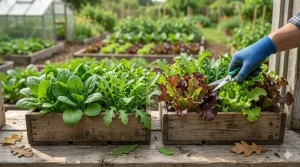
The Spring Salad Mix transforms your gardening approach with 12 varieties of lettuce, spinach, arugula, and kale designed for continuous harvesting. Plant once, harvest for months.
Key Specifications:
- Baby greens ready: 25 days
- Mature leaves: 45 days
- Total seeds: 25,000+ across 12 varieties
This collection masters the art of succession without replanting. Simply cut the outer leaves when they reach 3-4 inches, and the plants keep producing new growth from the center. Varieties include Paris White Romaine, Royal Oakleaf, Buttercrunch lettuce, Bloomsdale spinach (500 seeds), Blue Dwarf Curled Vates kale (1,000 seeds), and Slow Bolt arugula (6,000 seeds).
The mix provides textural variety and color diversity that makes salads interesting. Gardeners love broadcasting these seeds in wide rows or square-foot sections, creating a living salad bar that regenerates every 5-7 days throughout spring and fall. According to the University of Maryland Extension, this cut-and-come-again method can extend your harvest window by 6-8 weeks compared to single-harvest methods.
✅ Pros:
- Multiple harvests from single planting
- Huge seed quantity for extended growing
- Cool-weather tolerance extends season
❌ Cons:
- Hot weather causes bolting
- Requires consistent moisture for best results
5. Survival Garden Seeds Microgreens Variety Pack – 7-Day Wonder
For absolute speed demons, microgreens deliver nutrition-packed greens in just 7-14 days. The Survival Garden Microgreens Variety Pack includes 10 heirloom varieties perfect for indoor year-round growing.
Key Specifications:
- Harvest window: 7-14 days depending on variety
- Varieties: Broccoli, pea shoots, sunflower, radish, kale, arugula, beet, cabbage, buckwheat, alfalfa
- Growing method: Indoors with minimal space
Microgreens are harvested at the seedling stage when they’re 2-3 inches tall, delivering up to 40 times more nutrients than their mature counterparts according to research from the University of Maryland. Broccoli microgreens, for example, are ready in 8-12 days and pack serious sulforaphane content.
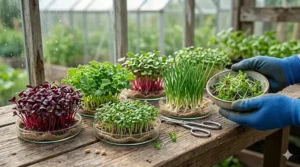
These seeds don’t require outdoor space—a sunny windowsill or simple grow light works perfectly. Customer reviews highlight the simplicity: spread seeds densely on moist soil, mist daily, and harvest with scissors when the first true leaves appear. It’s instant gratification gardening at its finest, perfect for apartment dwellers or anyone wanting fresh greens through winter.
✅ Pros:
- Fastest harvest of any vegetable (7-14 days)
- Year-round indoor growing capability
- Incredible nutritional density
❌ Cons:
- Requires growing trays and mats (sold separately)
- Higher per-meal cost than garden vegetables
6. Gardeners Basics Survival Vegetable Seeds Garden Kit – 35-Variety Emergency Garden
The Gardeners Basics 35 Variety Kit offers 16,000+ seeds spanning lettuce, beets, carrots, onions, squash, tomatoes, peppers, and beans—with several varieties maturing in 30-60 days.
Key Specifications:
- Fast-growing varieties: Lettuce (30 days), radishes (25 days), bush beans (50 days)
- Total seeds: 16,000+ heirloom non-GMO
- Storage: Waterproof mylar bag for long-term viability
This collection focuses on reliable, easy-to-grow varieties perfect for beginners or experienced gardeners building food security. The paper seed envelopes (not plastic bags that trap moisture) include complete growing and harvesting instructions. With a 25-year shelf life when stored properly, this kit works equally well for immediate planting or emergency preparedness.
Gardeners appreciate the thoughtful variety selection—enough diversity to keep meals interesting without overwhelming choices. The kit includes 35 free plant markers, making garden organization simple. Several varieties support multiple succession plantings: harvest lettuce in 30 days, pull the plants, and immediately sow beans or squash in the same space.
✅ Pros:
- Excellent value (less than $1 per variety)
- Long storage life for future seasons
- Comprehensive growing instructions included
❌ Cons:
- Some varieties require 60-90 days
- May duplicate seeds in other collections
7. SeedsUP Radish Rainbow Fast & Quick 25 Days – Colorful Speed Record
The SeedsUP Radish Rainbow Mix takes fast-growing to the extreme with harvest-ready radishes in just 25 days. This mix combines multiple radish colors—red, yellow, white, pink, and purple—for visual appeal alongside speed.
Key Specifications:
- Maturity: 25 days to harvest
- Seed count: 300+ mixed varieties
- Root colors: Rainbow assortment
These middle-early varieties ripen simultaneously despite their color differences, making harvest planning simple. The mixed colors create Instagram-worthy salads and make identifying when to harvest easier—you’ll see the “shoulders” pushing up through soil in vibrant hues. Germination occurs in just 4-5 days when soil temperatures reach 60°F.
Customer feedback emphasizes the fun factor for children’s gardens. Kids get excited seeing multiple colors emerge, and the rapid harvest maintains their interest. The peppery flavor varies slightly by color, with white varieties trending milder and purple varieties packing more heat. Plant every 2 weeks for continuous rainbow radishes through spring and fall.
✅ Pros:
- Fastest harvest in this roundup (25 days)
- Visual variety adds excitement to gardening
- Perfect for teaching children about food growing
❌ Cons:
- Smaller seed count than other options
- Colors aren’t individually separated (random mix)
✨ Don’t Miss These Exclusive Deals!
🔍 Take your garden to the next level with these carefully selected products. Click on any highlighted item to check current pricing and availability. These tools will help you create authentic harvests your family will love!
Understanding Fast Growing Vegetable Seeds
What makes a vegetable “fast-growing”? It’s all about the days to maturity—the time from planting to harvest. Most vegetables fall into three categories: ultra-fast (under 30 days), fast (30-60 days), and standard (60-90+ days). Fast growing vegetable seeds minimize this waiting period through selective breeding for rapid development.
The science behind speed involves several factors. Leafy greens like lettuce and arugula naturally grow faster because we harvest them before they produce flowers or seeds—the plant focuses energy on leaf production rather than reproduction. Root vegetables like radishes channel energy into quick bulb formation. Bush beans produce concentrated harvests by growing determinately rather than continuing to vine.
Temperature plays a crucial role in growth speed. According to the Old Farmer’s Almanac, cool-season crops (lettuce, spinach, radishes, peas) germinate and grow best when soil temperatures range 40-70°F, while warm-season crops (beans, squash, cucumbers) need 60°F+ soil for optimal germination. Planting at the correct temperature can cut 5-10 days off your harvest time.
According to research from West Virginia University Extension, succession planting with fast-growing varieties can increase total yields by 200-300% compared to single plantings of slower-maturing crops. A 10×10 foot garden bed producing one crop of tomatoes (90 days) might yield 40 pounds of fruit. That same bed planted with radishes, then lettuce, then beans could produce 60+ pounds across three harvests.
How to Choose the Right Fast Growing Vegetable Seeds
Selecting fast growing vegetable seeds requires matching varieties to your specific situation. Consider these factors:
Growing Season Length
If your frost-free period is short (under 100 days), prioritize ultra-fast varieties that mature in 30-50 days. This allows multiple succession plantings before fall frost arrives. Gardeners in zones 3-5 benefit most from radishes, lettuce, bush beans, and quick-maturing beets.
Garden Space
Limited space? Choose compact varieties and cut-and-come-again crops. A 4×4 raised bed can produce continuous harvests using the Spring Salad Mix approach: broadcast seeds, harvest outer leaves weekly, and keep the plants producing for 2-3 months. Container gardeners should focus on bush varieties (beans, determinate tomatoes) rather than vining types.
Planting Window
The USDA’s vegetable planting guides recommend timing plantings based on your average last spring frost and first fall frost dates. Early spring and late summer offer ideal conditions for cool-season rapid maturing seeds. Mid-summer heat limits options to heat-tolerant varieties like certain lettuces and beans.
Personal Preferences
Love salads? Prioritize lettuce mixes and arugula. Prefer cooked vegetables? Focus on bush beans, beets, and chard. Planning to preserve your harvest? Choose varieties like Blue Lake beans that produce concentrated yields perfect for canning.
Succession Planting Strategy
According to the University of Florida’s Gardening Solutions program, successful succession planting requires planning: sow new seeds every 2-3 weeks for continuous harvests, or rotate between cool-season and warm-season crops as temperatures shift. Quick harvest vegetables enable this flexibility—harvest lettuce in May, plant beans in the same spot in June, then return to cool-season crops in August.
Maximizing Success with Fast Growing Varieties
Speed doesn’t matter if your seeds don’t germinate or plants struggle. Follow these expert techniques to maximize success:
Soil Preparation
Fast-growing crops demand quick nutrient access. Amend beds with 2-3 inches of compost before planting, ensuring loose, well-draining soil. Compacted or clay-heavy soil slows root development and delays harvests by 7-14 days.
Proper Spacing
Overcrowded plants compete for resources and mature slower. Follow seed packet spacing recommendations: radishes need 2-3 inches between plants, lettuce 4-6 inches, beans 3-4 inches. Thinning seedlings feels wasteful but dramatically improves final harvest size and speed.
Consistent Moisture
Rapid maturing seeds require steady water supply. Inconsistent watering stresses plants, triggering defensive responses that slow growth. Set up soaker hoses or drip irrigation for hands-off consistency, or water deeply 2-3 times weekly rather than shallow daily sprinkling.
Temperature Management
Plant cool-season crops (radishes, lettuce, peas) 4-6 weeks before your last frost. They tolerate light frosts and grow fastest when temperatures stay 55-65°F. Wait until soil reaches 60°F+ before planting warm-season crops (beans, squash) to avoid rot and ensure rapid germination.
Succession Timing
The key to continuous harvests: plant new seeds before the previous crop finishes. When radishes reach 1 inch diameter, sow the next batch. When lettuce produces full-size leaves, start more seeds indoors. This overlapping approach eliminates gaps in your harvest schedule.
Harvesting Technique
For cut-and-come-again crops, use clean scissors to harvest outer leaves, leaving the growing center intact. This signals the plant to continue producing rather than bolting. With determinate crops like bush beans, harvest all pods within 5-7 days once they reach full size—this prevents the plant from stopping production.
Common Mistakes to Avoid
Even experienced gardeners stumble with fast-growing varieties. Sidestep these common errors:
Planting Too Early
Enthusiasm leads gardeners to plant before soil warms adequately. Seeds planted in cold soil (under 50°F for cool-season crops, under 60°F for warm-season) germinate slowly if at all, and may rot. Use a soil thermometer 2 inches deep to verify conditions before planting.
Ignoring Succession Planting
Many gardeners plant once, harvest once, then wonder why their beds sit empty. Radishes mature in 30 days—leaving 120 days of unused growing season in most climates. Replant immediately after each harvest to maximize productivity.
Over-Fertilizing
Fast-growing crops, especially leafy greens, don’t need heavy feeding. Excessive nitrogen produces lush leaves but can delay maturity and reduce flavor. Radishes grown with too much nitrogen develop all tops and tiny roots. A modest pre-planting compost amendment usually suffices.
Delayed Harvesting
Quick-maturing vegetables have narrow harvest windows. Radishes left in the ground 5-7 days past maturity become pithy and bitter. Lettuce bolts to seed in heat. Bush beans turn tough and stringy. Mark harvest dates on your calendar and check plants daily as they approach maturity.
Monoculture Planting
Planting large blocks of single varieties creates feast-or-famine situations. Stagger your succession planting varieties: plant 10 feet of lettuce one week, 10 feet two weeks later, 10 more feet two weeks after that. This creates rolling harvests rather than overwhelming abundance followed by nothing.
Succession Planting: Multiply Your Harvests
Succession planting transforms your garden from a one-time producer into a continuous food source. This technique involves three main approaches:
Same Crop, Staggered Timing
Plant radishes every 2 weeks from early spring through late May, then resume in August through September. Each planting matures independently, providing fresh radishes for 4-5 months instead of 3 weeks. Similarly, plant bush beans every 3 weeks through summer for continuous harvests rather than one large batch.
Seasonal Crop Rotation
Follow spring peas (harvested in June) with bush beans (harvested in August), then plant spinach in September for fall harvest. This cool-warm-cool rotation maximizes bed productivity. According to University of Maryland Extension, proper succession planting can increase yields from 50 pounds per 100 square feet to 150+ pounds.
Different Varieties, Overlapping Maturity
Plant three lettuce varieties with 30, 45, and 60-day maturity dates simultaneously. They’ll mature in sequence, extending your harvest window without requiring additional planting effort. This works excellently with radishes, beans, and summer squash.
Planning Your Schedule
Count backwards from your first fall frost date (find yours at USDA.gov). If frost arrives October 15 and you’re planting 30-day radishes, your last planting should be September 15 (adding 7 days for germination and a safety margin). For 60-day beans, stop planting by mid-August.
Container Gardening with Fast Growing Seeds
Limited to patio space? Many impatient gardener seeds thrive in containers:
Radishes – Use containers 6-8 inches deep. Broadcast seeds across the surface, thin to 2 inches apart. Harvest in 25-30 days.
Lettuce & Salad Greens – Shallow containers (6 inches) work perfectly. Fill with quality potting mix, broadcast spring salad mix seeds, harvest outer leaves as needed.
Bush Beans – Require deeper pots (12+ inches) but produce excellent yields. Plant 4-6 beans per 12-inch pot, harvest in 50-60 days.
Microgreens – Need only 2-3 inches of depth. Use recycled takeout containers, add drainage holes, fill with seed-starting mix. Harvest in 7-14 days.
Container gardening offers temperature control advantages. Move pots to shade during heat waves to prevent bolting. Bring microgreens indoors when frost threatens. This mobility extends your growing season and protects succession planting varieties from weather extremes.
Organic Growing Tips for Quick Harvests
Fast growth doesn’t require synthetic fertilizers. These organic methods accelerate production naturally:
Compost Tea
Brew compost in water for 24-48 hours, then water plants with the nutrient-rich liquid. Microorganisms and nutrients boost growth without chemical inputs. Apply every 2-3 weeks during active growth.
Mulching
Apply 2-3 inches of organic mulch (straw, grass clippings, shredded leaves) around plants once they’re 3-4 inches tall. Mulch moderates soil temperature, retains moisture, and suppresses weeds—all factors that accelerate growth.
Companion Planting
Radishes planted alongside lettuce help break up soil, improving root growth for both crops. Beans fix nitrogen in soil, benefiting subsequent plantings. Marigolds and nasturtiums attract beneficial insects that control pests naturally.
Crop Rotation
Never plant the same family in the same location consecutively. Follow heavy feeders (beans, squash) with light feeders (radishes, lettuce) to maintain soil fertility without synthetic inputs. This practice also disrupts pest and disease cycles.
Troubleshooting Fast Growing Vegetables
Even quick-maturing crops encounter problems. Here’s how to address common issues:
Poor Germination
✅ Solution: Check soil temperature—most seeds won’t germinate in cold soil. Pre-soak large seeds (beans, peas) for 4-8 hours before planting. Ensure consistent moisture during germination window.
Bolting (Premature Flowering)
✅ Solution: Plant heat-sensitive crops (lettuce, spinach, radishes) during cool seasons. Provide afternoon shade during temperature spikes. Choose bolt-resistant varieties for summer plantings.
Slow Growth
✅ Solution: Test soil pH (most vegetables prefer 6.0-7.0). Add compost to improve nutrition and soil structure. Ensure adequate sunlight—most vegetables need 6-8 hours daily.
Pest Damage
✅ Solution: Use row covers immediately after planting to exclude beetles and aphids. Handpick larger pests. Encourage beneficial insects with companion flowers. Avoid pesticides on rapid maturing seeds harvested within weeks.
Disease Issues
✅ Solution: Space plants properly for air circulation. Water at soil level rather than overhead. Remove infected plants immediately. Rotate crops to prevent soil-borne pathogens.
Storing and Preserving Quick Harvests
Fast-growing varieties often produce abundant harvests requiring preservation:
Fresh Storage
- Radishes: Remove tops, store roots in refrigerator in perforated plastic bags for 2-3 weeks
- Lettuce: Harvest morning, wash, spin dry, store in sealed container with paper towel for 5-7 days
- Beans: Store unwashed in refrigerator for 5-7 days; wash just before use
Blanching and Freezing
Bush beans freeze excellently: blanch in boiling water for 3 minutes, shock in ice water, drain, freeze in single layers, then transfer to freezer bags. Maintains quality for 8-12 months.
Pickling
Quick-pickled radishes last 2-3 weeks refrigerated. Combine equal parts water and vinegar, add salt and sugar, pour over sliced radishes. Ready to eat in 24 hours.
Fermentation
Lacto-fermented vegetables develop probiotic benefits. Shred or slice radishes, pack in jars with salt brine (2 tablespoons salt per quart water), ferment at room temperature for 3-7 days, then refrigerate.
According to the National Center for Home Food Preservation, proper storage extends your harvest window significantly—letting you enjoy April radishes in May and June beans in September.
FAQ: Fast Growing Vegetable Seeds
❓ What vegetable grows the fastest from seed?
❓ Can you plant fast growing vegetables in summer?
❓ How often should I water fast growing vegetable seeds?
❓ What's the best time to plant succession crops?
❓ Are fast growing seeds suitable for beginner gardeners?
Conclusion: Start Your Fast-Harvest Garden Today
Fast growing vegetable seeds revolutionize home gardening by delivering fresh produce in weeks instead of months. Whether you’re planting HOME GROWN Cherry Belle Radish Seeds for 30-day harvests or the Survival Garden Seeds Microgreens Pack for 7-day greens, these rapid maturing seeds prove that patience isn’t always a virtue in gardening.
The secret to success? Start small, plant succession planting varieties every few weeks, and harvest promptly. Choose 2-3 products from our recommendations based on your preferences and growing conditions. Container gardeners might start with microgreens and radishes, while those with larger spaces can experiment with beans and salad mixes.
Remember: every garden failure teaches valuable lessons, and fast-growing crops minimize the cost of those lessons. A 30-day radish crop gives you 12 chances to perfect your technique in a single season. Compare that to one shot with a 90-day tomato plant.
Your journey toward continuous homegrown food starts with a single seed packet. The items we’ve highlighted on Amazon represent real solutions backed by thousands of successful gardens. Browse current pricing, read additional reviews, and select the varieties that match your goals. Then get planting—fresh, homegrown vegetables await just 25-60 days away.
Recommended for You
- 7 Best Seeds for Indoor Growing 2026
- 7 Rare Heirloom Tomato Varieties Worth Growing in 2026
- 7 Best Spring Vegetable Seeds for March Planting 2026
Disclaimer: This article contains affiliate links. If you purchase products through these links, we may earn a small commission at no additional cost to you.
✨ Found this helpful? Share it with your friends! 💬🤗
