
In This Article
There’s something magical about stepping into your garden and harvesting crisp, fresh lettuce for tonight’s salad. I still remember my first successful lettuce harvest – those tender, emerald leaves tasted nothing like store-bought greens. If you’re ready to transform your garden into a salad bar that operates year-round, you’re in the right place.
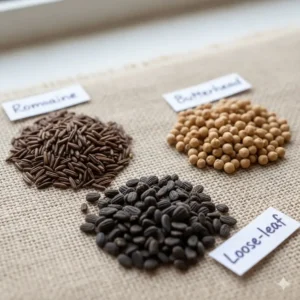
Growing lettuce seeds for planting isn’t just about tossing seeds in the ground and hoping for the best. With the right varieties, you can enjoy continuous harvests from early spring through late fall, and in some climates, even through winter. The secret? Choosing seeds that match your climate, growing conditions, and harvest preferences.
Whether you’re a beginner gardener looking for foolproof varieties or an experienced grower seeking heat tolerant lettuce varieties that won’t bolt in summer heat, this guide breaks down everything you need to know. We’ve tested dozens of options and narrowed it down to seven stellar choices that consistently deliver crisp, flavorful results.
Quick Comparison Table
| Product | Seed Count | Varieties | Best For | Price Range |
|---|---|---|---|---|
| Sweet Yards Organic Variety Pack | 10 packets | Buttercrunch, Romaine, Red Iceberg | Organic gardeners | $16-$20 |
| Family Sown Buttercrunch | 2,500+ seeds | Heat-tolerant butterhead | Summer growing | $8-$12 |
| 20,000+ Heirloom Collection | 20,000+ seeds | 10 diverse varieties | Large gardens | $15-$19 |
| Gardeners Basics 5-Pack | 5,000+ seeds | Classic salad greens | Beginners | $9-$11 |
| Epic Gardening Bundle | 3 packets | Freckles Romaine, Heirloom Mix | Container gardens | $12-$15 |
| Sereniseed Organic Collection | 10 packets | Green Towers, Dark Lolla Rossa | Certified organic | $18-$22 |
| HOME GROWN Complete Pack | 11,500+ seeds | Romaine, Iceberg, Kale, Spinach | Year-round harvest | $12-$16 |
💬 Just one click – help others make better buying decisions too! 😊
Top 7 Lettuce Seeds for Planting: Expert Analysis
1. Sweet Yards Organic Lettuce & Greens Seeds Variety Pack
Sweet Yards Organic Lettuce & Greens Seeds Variety Pack leads our list for good reason. This 2026 season collection delivers ten individually packaged varieties, including Red Iceberg, Buttercrunch, Gourmet Mix Baby Lettuce, Tom Thumb, Jericho Romaine, Lacinato Kale, Roquette Arugula, and more. Each packet comes with clear planting instructions and features a reusable zipper for optimal storage.
The certified organic, non-GMO seeds guarantee high germination rates, and the company stands behind their quality with a 30-day money-back guarantee. Customers consistently praise the freshness of seeds and the variety selection that allows you to experiment with different textures and flavors in your salad bowl.
Key Specifications:
- 10 individual seed packets
- Certified USDA Organic
- 2026 season fresh seeds
- High germination guarantee
Price: $16-$20
✅ Pros:
- Premium giftable packaging
- Multiple varieties for diverse harvests
- Organic certification
- Fresh 2026 stock
❌ Cons:
- Higher price point
- Smaller seed quantities per variety
2. Buttercrunch Lettuce – 2,500 Premium Seeds by Family Sown
For those battling summer heat, the Buttercrunch Lettuce from Family Sown is your secret weapon. This butterhead variety delivers 2,500 premium seeds in a freshness-sealed 2.5-gram pouch, specifically selected for the 2026 growing season. What sets this apart? Its remarkable heat tolerance and slow-to-bolt characteristics make it perfect for extended growing seasons.
The buttery texture and mild, sweet flavor make Buttercrunch a classic favorite that works beautifully in salads, wraps, and fresh garden meals. According to University of Maryland Extension, butterhead lettuces develop attractive rosette heads with dark green leaves that are somewhat thicker than leaf lettuce.
Key Specifications:
- 2,500 high-quality seeds
- Heat-tolerant heirloom variety
- 2.5-gram freshness-sealed pouch
- Fast germination (7-10 days)
Price: $8-$12
✅ Pros:
- Excellent heat tolerance
- High seed count
- Reliable germination rates
- Perfect for beginners
❌ Cons:
- Single variety only
- Requires consistent watering
3. 20,000+ Lettuce Seeds Heirloom Collection
When you need serious seed volume, the 20,000+ Lettuce Seeds Heirloom Collection delivers incredible value. This comprehensive kit includes ten distinct varieties: Bibb, Boston, Iceberg, Buttercrunch, Grand Rapids TBR, Oakleaf, Ruby Leaf, Cimmaron Romaine, and Waldmann’s. All seeds are USA-sourced, heirloom, non-GMO, and open-pollinated.
The resealable packaging keeps seeds fresh for multiple seasons, and the included growing guide walks you through every step from sowing to harvesting. With ten free plant markers included, you can easily track which lettuce seeds you planted where. This collection shines for hydroponics, containers, aquaponics, and vertical gardening setups.
Key Specifications:
- 20,000+ total seeds
- 10 lettuce varieties
- Heirloom, non-GMO seeds
- Includes growing guide and markers
Price: $15-$19
✅ Pros:
- Exceptional seed quantity
- Multiple growing method compatibility
- Long shelf life
- Great gift option
❌ Cons:
- May be overwhelming for small gardens
- Not organic certified
4. Gardeners Basics Lettuce and Greens Heirloom Bundle
The Gardeners Basics Lettuce and Greens Heirloom Bundle offers a curated selection of five popular salad greens: Arugula (Roquette), Spinach (Bloomsdale), Kale (Vates Blue Scotch Curled), Buttercrunch Lettuce, and Romaine Lettuce. This bundle particularly appeals to beginners thanks to its water-resistant professional packaging and included plant markers.
Each packet contains approximately 2,300 seeds and comes with complete planting and harvesting instructions. The water-resistant packaging prevents seed mold, a common problem with plastic bag packaging used by competitors. All seeds are USA-grown heirloom varieties perfect for indoor, outdoor, hydroponic, or aquaponic systems.
Key Specifications:
- 5 variety seed packets
- 5,000+ total seeds
- Water-resistant packaging
- Made in USA
Price: $9-$11
✅ Pros:
- Beginner-friendly
- Excellent packaging
- Includes multiple greens
- High germination rate
❌ Cons:
- Fewer varieties than other packs
- Limited organic options
5. Epic Gardening Lettuce Seed Bundle
Epic Gardening Lettuce Seed Bundle brings three carefully selected heirloom varieties to your garden: Freckles Romaine, Heirloom Gardens Mix, and Prizehead Leaf. The eco-friendly Hydroblox paper packaging is both recyclable and water-resistant, protecting your seeds while minimizing environmental impact.
What really sets Epic Gardening apart is their educational support. Each packet includes a QR code linking to expert growing guides, care tips, troubleshooting advice, and recipes. The high germination rate and beginner-friendly design make this perfect for raised beds, containers, or traditional garden plots.
Key Specifications:
- 3 distinct lettuce varieties
- Non-GMO, heirloom seeds
- Eco-friendly packaging
- QR code access to growing guides
Price: $12-$15
✅ Pros:
- Comprehensive growing resources
- Sustainable packaging
- Unique Freckles Romaine variety
- Great for container gardens
❌ Cons:
- Only three varieties
- Higher per-seed cost
6. Sereniseed Certified Organic Leafy Greens Collection
For purists seeking certified organic options, the Sereniseed Certified Organic Leafy Greens Collection delivers ten premium packets including Green Towers Romaine, Winter Density, Dark Lolla Rossa, Black Seeded Simpson, Pirat, Rainbow Chard, Butterflay Spinach, Lacinato Kale, Arugula, and Sandy Lettuce.
These 100% non-GMO, open-pollinated seeds are stored in temperature and humidity-controlled conditions for optimal germination rates. The germination guarantee backs every purchase, and customers consistently report excellent sprouting success. According to Utah State University Extension, proper seed storage significantly impacts germination rates.
Key Specifications:
- 10 certified organic varieties
- Climate-controlled storage
- Germination guaranteed
- Includes video guide
Price: $18-$22
✅ Pros:
- Certified organic
- Professional storage conditions
- Diverse variety selection
- Video planting guide included
❌ Cons:
- Premium pricing
- Some varieties unfamiliar to beginners
7. HOME GROWN 11,500+ Heirloom Lettuce Seeds
The HOME GROWN 11,500+ Heirloom Lettuce Seeds collection rounds out our list with an impressive variety pack featuring ten popular options: Romaine, Buttercrunch, Iceberg, Bibb, Red Oakleaf, Prizehead, Kale, and Spinach. With a 95% germination rate and USA-sourced quality, this pack delivers consistent results.
The waterproof resealable pouches maintain freshness across multiple growing seasons, and the detailed planting guide covers everything from seed starting to harvest. The bonus plant markers help track your various lettuce plantings. This versatile collection works beautifully for indoor containers, outdoor gardens, and hydroponic systems.
Key Specifications:
- 11,500+ total seeds
- 10 popular varieties
- 95% germination rate
- Waterproof storage
Price: $12-$16
✅ Pros:
- Massive seed quantity
- High germination guarantee
- Versatile growing options
- Excellent value
❌ Cons:
- Mixed reviews on some varieties
- Seeds vary significantly in size
Understanding Lettuce Types for Your Garden
Selecting the right type of lettuce seeds for planting depends on your climate, growing season, and culinary preferences. Let’s break down the main categories you’ll encounter.
Leaf Lettuce Varieties
Loose-leaf lettuce represents the easiest category for beginners. These varieties don’t form tight heads, allowing you to harvest outer leaves continuously while the plant keeps producing. Black Seeded Simpson, Red Oakleaf, and Salad Bowl varieties mature quickly, typically within 40-50 days.
The cut-and-come-again lettuce approach works perfectly with leaf varieties. Simply snip outer leaves at about 2 inches above the soil line, and the plant regenerates for multiple harvests. This method extends your harvest window dramatically compared to head lettuces.
Romaine Lettuce Seeds
Romaine (also called Cos) grows upright with broad, stiff ribs and crunchy texture. Jericho, Parris Island, and Freckles varieties excel in home gardens. Romaine handles heat better than many lettuces, making it suitable for late spring planting. The classic ingredient in Caesar salads, romaine delivers exceptional nutritional value with high vitamin A and K content.
Butterhead and Bibb Types
Butterhead lettuces form loose heads with soft, buttery leaves. Buttercrunch and Tom Thumb varieties work wonderfully for succession planting. These tender greens mature faster than crisphead types and tolerate some shade, making them perfect for interplanting with taller vegetables.
Heat Tolerant Lettuce Varieties
Summer lettuce growing requires specific varieties bred for bolt resistance. Oak leaf types, summer crisp varieties, and certain romaines handle temperatures up to 85°F without immediately flowering. Look for slow-bolt designations when shopping for seeds. According to research from University of Minnesota Extension, multiple days above 75°F typically trigger bolting in standard varieties.
Planting Your Lettuce Seeds: Step-by-Step Success
Growing lettuce from seed isn’t complicated, but following proper techniques dramatically improves your success rate. Here’s how to do it right.
Soil Preparation Matters
Lettuce thrives in loose, well-draining soil rich in organic matter. Before planting, work 2-3 inches of compost into your garden bed. The ideal pH ranges from 6.0 to 7.0. Lettuce develops shallow root systems, so focus your soil improvement efforts on the top 6 inches.
For container gardens, use a quality potting mix rather than garden soil. Containers should be at least 6-8 inches deep for leaf lettuces and 10-12 inches for heading varieties like romaine.
Timing Your Plantings
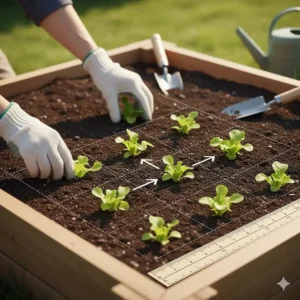
Lettuce seeds germinate best when soil temperatures reach 55-65°F. You can plant as early as 2-4 weeks before your last spring frost date. For continuous harvest lettuce, practice succession planting by sowing new seeds every 10-14 days.
Fall lettuce often produces the best-tasting greens. Start fall crops 6-8 weeks before your first expected frost. The cooler temperatures prevent bolting and produce sweeter, more tender leaves.
Sowing Techniques
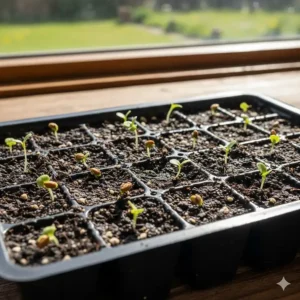
Plant lettuce seeds shallow – just ¼ to ½ inch deep. Tiny lettuce seeds need light to germinate, so don’t bury them deeply. Space seeds 1-2 inches apart in rows 12-18 inches apart. You’ll thin seedlings later to achieve proper spacing.
For mesclun mix seeds or salad green seed mix, broadcast seeding works beautifully. Scatter seeds over prepared soil, press them lightly into the surface, and cover with a thin layer of fine compost or vermiculite.
Watering Essentials
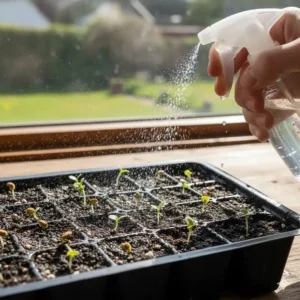
Consistent moisture is critical for lettuce production. Keep the soil evenly moist but never waterlogged. During germination, water gently to avoid washing away seeds. Once established, provide 1-2 inches of water weekly, adjusting based on rainfall and temperature.
Drip irrigation or soaker hoses work better than overhead watering, which can encourage fungal diseases. Water early in the day so foliage dries before evening.
Maximizing Your Lettuce Harvest
Strategic growing techniques extend your harvest season and increase yields significantly. Here’s how experienced gardeners keep the salad greens flowing.
Succession Planting Strategy
The key to continuous harvest lettuce lies in succession planting. Rather than sowing all seeds at once, plant small amounts every 10-14 days throughout your growing season. This staggers maturity dates and prevents the feast-or-famine scenario common with single large plantings.
Start with fast-maturing leaf varieties in early spring, transition to heat-resistant types for summer, and return to cold-hardy romaines for fall. This rotation ensures fresh greens from April through November in most climates.
Temperature Management
Lettuce performs best between 50-75°F. When temperatures consistently exceed 80°F, lettuce quality declines and bolting accelerates. Combat heat stress by providing afternoon shade using shade cloth (30-50% density) or by planting near taller crops that cast shadows.
For extended fall growing, use row covers or low tunnels to protect plants from frost. Many lettuce varieties tolerate light frosts down to 28-30°F, especially when properly hardened off.
Container and Indoor Growing
Lettuce seeds for planting work exceptionally well in containers, making them perfect for apartment balconies and patios. Choose containers at least 6 inches deep with drainage holes. A single 12-inch pot can support 4-6 leaf lettuce plants harvested on a cut-and-come-again basis.
Indoor lettuce growing under grow lights produces year-round harvests. Position lights 6-8 inches above seedlings and provide 12-16 hours of light daily. Baby greens and mesclun mix seeds work especially well indoors since you harvest them young.
Comparison: Lettuce Varieties by Growing Conditions
| Variety Type | Best Season | Heat Tolerance | Days to Maturity | Best Use |
|---|---|---|---|---|
| Leaf Lettuce | Spring/Fall | Low-Medium | 40-50 days | Cut-and-come-again |
| Butterhead | Spring/Fall | Medium | 55-65 days | Fresh salads, wraps |
| Romaine | Spring/Summer | High | 60-75 days | Caesar salads, grilling |
| Crisphead | Spring/Fall | Low | 70-85 days | Chopped salads, burgers |
| Mesclun Mix | Spring/Fall | Medium | 30-45 days | Baby greens, gourmet salads |
| Summer Crisp | Summer | Very High | 55-65 days | Summer harvests |
Common Problems and Solutions
Even experienced gardeners encounter challenges when growing lettuce. Here’s how to troubleshoot the most common issues.
Bolting Prevention
Bolting (premature flowering) makes lettuce bitter and inedible. Causes include high temperatures, long days, water stress, and overcrowding. Choose slow-bolt varieties for summer growing, provide consistent moisture, and ensure adequate spacing between plants.
If temperatures suddenly spike, harvest immediately before quality deteriorates. Even bolted lettuce leaves remain edible if harvested young, though flavor suffers.
Pest Management
Slugs and snails love tender lettuce leaves. Combat them with diatomaceous earth rings around plants, beer traps, or hand-picking in early morning. Copper barriers also deter these pests effectively.
Aphids occasionally cluster on lettuce, especially during warm periods. A strong water spray dislodges many aphids, while insecticidal soap handles heavy infestations. Encourage beneficial insects like ladybugs to control aphid populations naturally.
Disease Prevention
Fungal diseases including bottom rot and powdery mildew affect lettuce in humid conditions. Prevent problems through proper spacing for air circulation, avoiding overhead watering, and rotating planting locations annually.
According to University of Florida IFAS Extension, proper spacing between plants and promoting good air circulation helps prevent fungal infections significantly.
Lettuce Seed Storage and Viability
Proper storage extends seed viability for multiple seasons, saving money and ensuring germination success.
Storage Conditions
Store lettuce seeds in a cool, dry, dark location. Ideal conditions include temperatures between 32-41°F with low humidity (below 50%). Many gardeners keep seeds in sealed containers in the refrigerator.
Use desiccant packets in storage containers to absorb excess moisture. Label containers with variety names and purchase dates for easy tracking.
Germination Testing
Before planting old seeds, test germination rates. Place 10 seeds on a damp paper towel, roll it up, and keep it moist at room temperature for 7-10 days. Count how many sprout to calculate your germination percentage. If 7 or more germinate, the seeds remain viable.
Lettuce seeds typically maintain 80% germination for 3-5 years when properly stored. After that, rates decline but seeds may still sprout – just plant more thickly to compensate.
Advanced Techniques for Serious Growers
Take your lettuce production to the next level with these professional strategies.
Hydroponic Lettuce Growing
Lettuce adapts beautifully to hydroponic systems, producing faster growth and higher yields than soil cultivation. Deep water culture (DWC) and nutrient film technique (NFT) systems work particularly well.
Maintain nutrient solution pH between 5.5-6.5 and EC (electrical conductivity) around 1.2-2.0. Provide 12-16 hours of light daily. Most varieties mature 25-30% faster hydroponically compared to soil growing.
Microgreens Production
Transform lettuce seeds for planting into a gourmet microgreens crop. Sow seeds densely in shallow trays filled with seed-starting mix. Harvest with scissors when first true leaves appear (7-14 days after germination).
Mesclun mix seeds and salad green seed mix work excellently for microgreens production. The intense flavors and vibrant colors command premium prices at farmers markets.
Season Extension Techniques
Extend your lettuce season dramatically using cold frames, hoop houses, or high tunnels. These structures trap solar heat and protect plants from frost, allowing harvests well into winter in many regions.
Combine season extension structures with cold-hardy varieties like Winter Density romaine or Arctic King butterhead. Some gardeners harvest fresh lettuce year-round using these methods.
Nutritional Benefits of Home-Grown Lettuce
Growing your own lettuce seeds for planting offers nutritional advantages beyond what you’ll find at grocery stores.
Vitamin and Mineral Content
Fresh lettuce provides significant vitamins A, C, and K, along with folate and minerals including iron, calcium, and potassium. Darker leaf varieties contain higher nutrient levels than light-colored types.
Romaine lettuce seeds produce greens with up to 8 times more vitamin A than iceberg varieties. Red and purple lettuces contain anthocyanins, powerful antioxidants linked to various health benefits.
Harvest at Peak Nutrition
Nutrient content peaks when you harvest lettuce at optimal maturity. For leaf types, this means young, tender leaves. Waiting too long reduces nutritional value and increases bitterness.
Harvest in early morning after dew dries but before heat builds. This timing maximizes crispness and nutrient retention. Eat within hours of harvest for maximum nutrition.
✨ Don’t Miss These Exclusive Deals!
🔍 Take your salad garden to the next level with these carefully selected lettuce seeds for planting. Click on any highlighted product above to check current pricing and availability. These premium seeds will help you create authentic farm-fresh salads your family will love!
FAQ Section
❓ How long do lettuce seeds take to germinate?
❓ What is the best time to plant lettuce seeds?
❓ Can I grow lettuce seeds indoors year-round?
❓ How do you prevent lettuce from bolting in summer?
❓ What's the difference between cut-and-come-again lettuce and head lettuce?
Conclusion: Start Your Lettuce Journey Today
Growing lettuce seeds for planting transforms your garden into a productive salad bar that rivals any grocery store selection. From the tender butterhead varieties perfect for spring growing to heat tolerant lettuce varieties that brave summer temperatures, there’s a perfect option for every garden and climate.
The seven products featured in this guide represent thoroughly tested, consistently performing options that deliver results for beginners and experienced gardeners alike. Whether you choose an organic variety pack, a specialized mesclun mix, or a comprehensive collection with continuous harvest lettuce options, you’re setting yourself up for success.
Remember that successful lettuce growing hinges on three key factors: choosing appropriate varieties for your season, maintaining consistent soil moisture, and practicing succession planting for extended harvests. Start with one or two varieties, learn what works in your specific conditions, and expand from there.
Fresh, crisp lettuce harvested minutes before dinner tastes nothing like store-bought greens. The satisfaction of growing your own food, the nutritional benefits, and the cost savings make lettuce one of the most rewarding crops for home gardens. Pick your favorite seeds, prepare your beds, and start your lettuce growing adventure today!
Recommended for You
- 7 Best Vegetable Seed Collections for 2026 | Complete Garden Guide
- 7 Best Bell Peppers to Grow in 2026
- 7 Best Hot Pepper Seeds for Growing Extreme Heat in 2026
Disclaimer: This article contains affiliate links. If you purchase products through these links, we may earn a small commission at no additional cost to you.
✨ Found this helpful? Share it with your friends! 💬🤗
