
In This Article
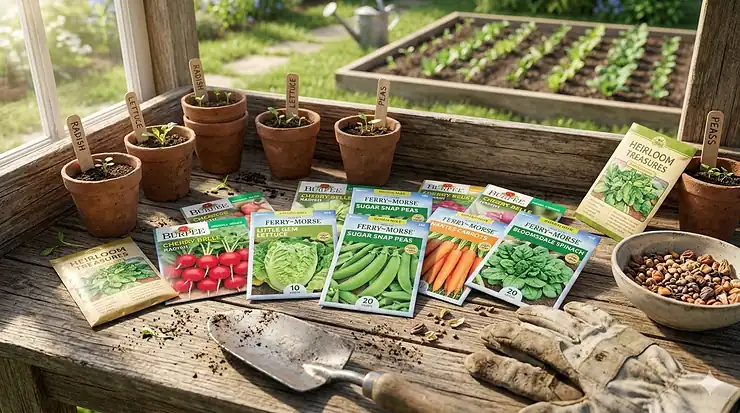
There’s something almost magical about those first warm days of March, when the soil starts to thaw and you can finally dig your hands back into the earth. I remember the year I planted my spring vegetable seeds too late – by the time my lettuce was ready, the summer heat had already turned it bitter and bolted. That painful lesson taught me that timing isn’t just important for spring planting; it’s everything.
Spring vegetable seeds are your ticket to harvesting fresh produce before the scorching summer months arrive. Unlike their warm-season cousins that need consistent heat, these cool season crops actually thrive in the crisp temperatures of early spring. They laugh in the face of light frosts and race to maturity while other gardeners are still planning their tomato beds. Whether you’re a seasoned gardener or someone who’s never planted anything beyond a grocery store basil, understanding which seeds to plant now can transform your growing season from mediocre to magnificent.
The beauty of a spring garden starter pack lies in its versatility. You’re not limited to one harvest window – with proper succession planting, you can keep fresh salads coming for months. Plus, many of these frost tolerant vegetables can be planted again in late summer for a fall harvest, essentially giving you two shots at success with the same packet of seeds.
Quick Comparison Table: Top Spring Vegetable Seeds at a Glance
| Product | Seed Count | Key Varieties | Price Range | Best For |
|---|---|---|---|---|
| Survival Garden Seeds Spring Collection | 10 varieties | Beets, Carrots, Broccoli, Kale, Spinach | $25-$30 | Complete spring garden |
| HOME GROWN 55 Vegetable Seeds Pack | 35,600+ seeds | 55 varieties including cool-season | $35-$40 | Year-round planting |
| Gardeners Basics Survival Kit | 16,000+ seeds | 35 varieties | $30-$35 | Emergency preparedness |
| Sereniseed Organic Collection | 10 packs | Certified organic varieties | $20-$25 | Organic gardeners |
| Park Seed Early Girl Tomato | 30 seeds | Early producing tomato | $5-$8 | Early tomato harvest |
| 43 Assorted Vegetable & Herb Packets | 10,000+ seeds | 43 varieties | $25-$30 | Diverse selection |
| HOME GROWN 25 Heirloom Kit | 12,000+ seeds | 25 heirloom varieties | $22-$28 | Heirloom enthusiasts |
💬 Just one click – help others make better buying decisions too! 😊
Top 7 Spring Vegetable Seeds: Expert Analysis
1. Survival Garden Seeds – 10 Spring Vegetable Seed Collection
If you’re looking for a comprehensive March planting seeds collection specifically designed for cool weather, this is your winner. The Survival Garden Seeds package focuses exclusively on vegetables that excel in spring conditions, which is exactly what you need right now.
The collection includes Detroit Dark Red Beet, Rainbow Carrot, Red Burgundy Onion, Giant Noble Spinach, Fenugreek, Waltham 29 Broccoli, Golden Acres Cabbage, White Snowball Cauliflower, Garden Kale, and Southern Giant Mustard Greens. Each variety has been selected for its ability to germinate and thrive in cooler temperatures. What impressed me most is that these are heirloom, non-GMO seeds from an American family-owned company.
Customer feedback consistently praises the germination rates, with many reporting success even in challenging Zone 5 conditions. One reviewer mentioned getting a 90% germination rate even when starting seeds indoors in late February – that’s impressive for early spring planting.
✅ Pros:
- Specifically curated for spring/cool weather
- Heirloom varieties you can save seeds from
- Clear growing instructions included
❌ Cons:
- Smaller seed counts per variety
- Premium pricing compared to bulk packs
Price Range: $25-$30
2. HOME GROWN 55 Vegetable Seeds Variety Pack
This massive HOME GROWN 55 Vegetable Seeds collection is like having an entire garden center delivered to your doorstep. With over 35,600 seeds covering 55 varieties, you’ll have enough to plant now and save for multiple seasons.
The spring-appropriate varieties include multiple lettuces, spinach, kale, broccoli, carrots, beets, peas, and more. Each variety comes in its own craft paper packet with QR codes linking to growing guides. The kit also includes basic gardening tools – a leaf clipper, tweezers, seed dibber, weeding fork, and widger tool.
What sets this apart is the sheer diversity. You’re not just getting one type of lettuce; you’re getting multiple varieties that mature at different rates, which is perfect for succession planting throughout spring. Customers report germination rates consistently above 90%, and the resealable waterproof storage bag keeps seeds viable for up to two years.
✅ Pros:
- Massive seed count for the price
- Includes helpful gardening tools
- Excellent for both spring and fall planting
❌ Cons:
- Can be overwhelming for beginners
- Some varieties not ideal for spring
Price Range: $35-$40
3. Park Seed Early Girl Hybrid Tomato Seeds
While technically a warm-season crop, Park Seed Early Girl tomato deserves a spot here because it’s specifically bred for early production. These seeds can be started indoors in March for transplanting in late spring, giving you ripe tomatoes up to two weeks before standard varieties.
The Early Girl produces 4-6 ounce globe-shaped fruits with excellent flavor in just 52 days from transplant. This is crucial for northern gardeners with shorter seasons. Founded in 1868, Park Seed brings over 150 years of expertise to every packet.
Customer reviews rave about the consistent performance and true-to-type results. One gardener in Zone 6 reported harvesting tomatoes in early July by starting these indoors in mid-March – that’s eating fresh tomatoes while neighbors are still watching green fruits develop.
✅ Pros:
- Industry-leading earliness (52 days)
- Reliable germination from trusted company
- Perfect for short-season climates
❌ Cons:
- Requires indoor starting in most zones
- Smaller packet size (30 seeds)
Price Range: $5-$8
4. Gardeners Basics Survival Vegetable Seeds Garden Kit
The Gardeners Basics collection strikes a perfect balance between quantity and quality with 35 easy-to-grow varieties and over 16,000 seeds. What I appreciate most is the thoughtful packaging – seeds come in proper paper packets, not plastic bags that can harbor moisture and mold.
For spring planting, you’ll find plenty of cool season crops: multiple lettuce varieties, beets, carrots, onions, broccoli, peas, and beans. The kit includes complete growing and harvesting instructions on every packet, making it beginner-friendly while still satisfying experienced gardeners.
The waterproof mylar storage bag is a nice touch for long-term storage, and customers consistently mention this as a standout feature. One reviewer stored theirs for 18 months before planting and still achieved excellent germination.
✅ Pros:
- Professional paper packet packaging
- Comprehensive instructions included
- Excellent long-term storage packaging
❌ Cons:
- Some varieties overlap with other collections
- Moderate variety count compared to larger packs
Price Range: $30-$35
5. Sereniseed Certified Organic Vegetable Seeds 10-Pack
If organic certification matters to you, the Sereniseed collection is your answer. Every seed is certified organic, non-GMO, and open-pollinated. The spring-friendly varieties include Cascadia Snap Pea, Di Cicco Broccoli, Scarlet Nantes Carrot, and various lettuces.
Sereniseed stores their bulk seeds in a temperature and humidity-controlled cooler, which explains their impressive germination guarantees. Each packet includes detailed information about the botanical name, growing requirements, and expected yields. The 10-pack format is perfect for someone who wants quality over quantity.
Customers particularly appreciate the freshness – these aren’t sitting on warehouse shelves for years. Multiple reviews mention receiving packets dated within the current growing season, and the germination rates reflect that freshness with consistently high performance.
✅ Pros:
- Certified organic for chemical-free gardens
- Temperature-controlled storage ensures freshness
- Guaranteed germination rates
❌ Cons:
- Higher price per variety
- Smaller seed counts per packet
Price Range: $20-$25
6. Set of 43 Assorted Vegetable & Herb Seed Packets
This diverse 43-packet collection offers exceptional value with over 10,000 seeds. The selection covers the full spectrum of garden vegetables, with strong representation of cool season crops perfect for March planting seeds timing.
The spring-appropriate varieties include multiple brassicas (cabbage family), root vegetables, and leafy greens. What makes this collection special is the inclusion of herbs that also thrive in cool weather – think cilantro, dill, and parsley. The mylar storage bag protects your investment for future seasons.
Customer feedback highlights the variety as the main selling point. One reviewer mentioned being able to experiment with vegetables they’d never tried growing before, discovering a love for kohlrabi and Asian greens in the process. The seeds are sourced exclusively from American companies, supporting domestic agriculture.
✅ Pros:
- Excellent variety of vegetables and herbs
- Includes harder-to-find varieties
- American-sourced seeds
❌ Cons:
- Some packets have smaller seed counts
- Quality can vary by variety
Price Range: $25-$30
7. HOME GROWN 25 Heirloom Vegetable Seeds Kit
Rounding out our list is the HOME GROWN 25 Heirloom collection, specifically designed for year-round growing with emphasis on cool-season varieties. With 12,000+ seeds across 25 heirloom varieties, you’re getting genetics that have stood the test of time.
The spring planting options include carrots, beets, lettuce, kale, spinach, peas, and multiple brassicas. Being heirloom means you can save seeds from your harvest for next year’s garden – a huge advantage for self-sufficiency. Each variety is selected for flavor, productivity, and resilience.
Reviews frequently mention the superior taste of heirloom vegetables compared to hybrid varieties. One gardener noted that their Scarlet Nantes carrots from this kit had noticeably better flavor than store-bought or even hybrid garden carrots. The detailed planting instructions help beginners succeed with these traditional varieties.
✅ Pros:
- True heirloom genetics for seed saving
- Balanced mix of warm and cool-season crops
- Superior flavor profiles
❌ Cons:
- Fewer varieties than some bulk packs
- May have lower yields than hybrids
Price Range: $22-$28
Understanding Cool Season Crops: The Science Behind Spring Success
Cool season crops are vegetables that germinate, grow, and mature best when soil and air temperatures remain relatively cool. According to the University of Minnesota Extension, these crops can be planted as soon as the soil can be worked in spring, often 4-6 weeks before the last frost date.
The magic temperature range for most cool season crops falls between 40°F and 75°F. Once temperatures consistently exceed 80°F, many of these plants begin to struggle. Lettuce bolts and turns bitter, spinach goes to seed, and peas stop producing. This narrow growing window is exactly why early spring planting is so critical.
What Makes These Plants Cold-Tolerant?
Frost tolerant vegetables have evolved fascinating mechanisms to survive cold temperatures. Their cell structures contain higher concentrations of sugars and other dissolved solids, which act like natural antifreeze. When temperatures drop, these compounds prevent ice crystals from forming inside cells and causing damage.
Brassicas (the cabbage family) are particularly impressive. Vegetables like kale, broccoli, and Brussels sprouts can survive temperatures down to 20°F once established. Some gardeners even report that frost actually improves the flavor of kale by converting starches to sugars.
Root vegetables like carrots and beets protect their growing points below the soil surface, where temperatures remain more stable. The foliage might get nipped by frost, but the edible root continues developing underground, ready to resume growth when conditions improve.
Spring Planting Guide: Timing is Everything
Getting your spring garden timing right separates abundant harvests from disappointing failures. I learned this the hard way when I planted peas in April one year – by the time they started flowering, temperatures were too warm for good pod set, and my harvest was pathetic.
Know Your Last Frost Date
Everything starts with understanding your region’s average last frost date. The USDA Plant Hardiness Zone Map provides general guidance, but your specific location may vary due to microclimates. Urban areas tend to be warmer than rural surroundings, and slopes, bodies of water, and wind patterns all influence frost timing.
For most of the United States:
- Zone 3-4: Last frost typically occurs mid-May to early June
- Zone 5-6: Last frost averages late April to mid-May
- Zone 7-8: Last frost occurs mid-April to early May
- Zone 9-10: Frost is rare; focus on fall planting for cool crops
The 4-6 Week Rule
Hardy cool season crops can go into the ground 4-6 weeks before your last frost date. This includes peas, lettuce, spinach, kale, and root vegetables. These plants can germinate in soil as cold as 40°F and actually prefer cooler growing conditions.
Semi-hardy crops should be planted 2-4 weeks before the last frost. This category includes beets, carrots, chard, and most brassicas. While they tolerate light frosts, they prefer slightly warmer soil for germination.
Succession Planting for Continuous Harvests
Here’s a strategy that transformed my spring garden: instead of planting all your lettuce seeds at once, plant a new row every 10-14 days. This gives you continuous harvests rather than a massive crop that all matures simultaneously.
Start with cold-hardy varieties in early March, then transition to heat-tolerant varieties as temperatures warm. By the time your first planting is finishing, your third or fourth succession is hitting its prime.
Essential March Planting Seeds for Early Success
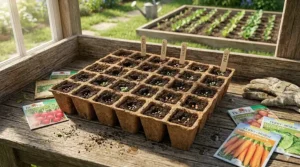
March is prime time for serious spring gardeners. The soil is beginning to warm, daylight hours are increasing, and those cool-weather champions are ready to strut their stuff. Let’s break down what to prioritize.
Direct-Sow Champions
Some vegetables resent transplanting and perform best when sown directly where they’ll grow. Carrots top this list – their delicate taproots don’t tolerate disturbance. Peas are another direct-sow favorite, with their nitrogen-fixing roots establishing quickly in cool soil.
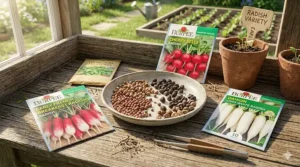
Radishes are the speed demons of March planting. Most varieties mature in just 25-30 days, giving you quick rewards while you wait for slower crops. Plus, they’re excellent for breaking up compacted spring soil with their aggressive taproots.
Lettuce, spinach, and Asian greens can be direct-sown in wide bands rather than rows. This maximizes your harvest from limited space and creates a living mulch that shades the soil and retains moisture.
Start Indoors for Transplanting
While you’re direct-sowing hardy crops, simultaneously start seeds indoors for vegetables that need a head start. Brassicas like broccoli, cabbage, and cauliflower benefit from 4-6 weeks of indoor growth before transplanting to the garden.
Early producing tomato seeds should be started indoors 6-8 weeks before your last frost date. This gives them time to develop strong root systems and be ready to explode with growth once transplanted into warm soil.
Use quality seed-starting mix rather than garden soil, which can harbor diseases and drain poorly in containers. Maintain temperatures around 70°F for optimal germination, and provide bright light as soon as seedlings emerge to prevent leggy growth.
Protecting Young Transplants
Even frost-tolerant plants appreciate protection when newly transplanted. Virginia Cooperative Extension research shows that using row covers can extend your planting window by 2-4 weeks in spring.
Simple cloches made from cut milk jugs work wonderfully for individual plants. For row crops, lightweight floating row cover adds several degrees of protection while still allowing light, water, and air to reach your plants.
Building Your Perfect Spring Garden Starter Pack
Creating a customized spring garden starter pack tailored to your family’s preferences and your garden’s conditions is more satisfying than just buying any pre-packaged collection. Think of it as creating your personal greatest hits album instead of buying a compilation.
Assess Your Growing Conditions
Start by honestly evaluating your space and resources. Do you have full sun (6+ hours daily) or partial shade? How’s your soil drainage? Is your garden exposed to harsh winds or protected? These factors dramatically influence which spring vegetable seeds will thrive.
Containers and raised beds offer distinct advantages for spring gardens. They warm up faster than ground-level plots, giving you a jump on the season. A raised bed can be planted 1-2 weeks earlier than the surrounding soil, which translates directly to earlier harvests.
Match Seeds to Your Climate
If you’re in Zone 3-4 with a short growing season, focus on quick-maturing varieties and cold-hardy champions. Look for lettuce varieties that mature in 45 days rather than 60, and choose early producing tomato seeds rather than 80-day beefsteak types.
Southern gardeners in Zones 8-10 face different challenges. Your spring planting window is earlier but shorter – you might only have 6-8 weeks of ideal cool-weather growing before heat shuts down production. Choose bolt-resistant varieties and plan to transition quickly to heat-tolerant summer crops.
Consider Your Family’s Eating Habits
There’s no point growing three beds of kale if your family won’t eat it. I once grew an entire 4×8 raised bed of turnips because the seeds were on sale, only to discover my family would only eat turnip greens, not the roots. Those gorgeous white globes ended up feeding chickens.
Calculate realistic amounts based on actual consumption. A family of four typically needs about 10 feet of lettuce planted every 2 weeks to keep salads on the table. Root vegetables store well, so you can plant more aggressively. Peas get eaten fresh by the handful in my garden, so I always plant double what I think we need.
Frost Tolerant Vegetables: Your Cold-Weather Champions
Understanding which vegetables laugh at frost versus those that collapse at the first freeze gives you confidence to plant earlier and harvest later. This knowledge extends your growing season at both ends, maximizing your garden’s productivity.
The Hardy Heroes (Tolerant to 20°F)
Kale is nearly indestructible. I’ve harvested kale from gardens covered in snow, with leaves crisp and sweet from the cold. Many gardeners insist that kale doesn’t reach peak flavor until after a few hard frosts convert starches to sugars.
Spinach survives temperatures down to 15°F when properly established. It actually performs better in fall and early spring than in summer, when it quickly bolts. Overwinter spinach planted in fall can resume growth in March, giving you ultra-early harvests.
Peas germinate in cold soil and tolerate multiple frosts. Their flowers can survive light freezes, though heavy frosts will damage developing pods. Plant them as early as you can work the soil – mid-March in Zone 6, early April in Zone 4.
The Semi-Hardy Performers (Tolerant to 28-32°F)
Beets handle light frosts but appreciate some protection when young. Their large seeds germinate reliably in cool soil, and both roots and greens are delicious. The key is planting early enough that roots mature before summer heat makes them woody.
Carrots are remarkable in their cold tolerance once established. Like beets, they benefit from consistent cool temperatures that keep them sweet and crisp. Many varieties taste best after exposure to near-freezing temperatures.
Broccoli needs cool weather to form tight heads. If temperatures rise too quickly, heads become loose and bitter, or plants bolt prematurely. Succession planting ensures you have harvests before the heat arrives.
Protection Strategies
Even hardy vegetables benefit from protection during extreme cold snaps. Row covers are your best friend, providing 4-8°F of temperature protection while still allowing sunlight and water through. For individual plants or small sections, cloches work beautifully.
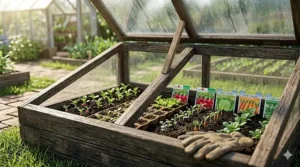
Cold frames extend your season even further. A simple frame with an old window or clear plastic can protect plants from harsh winds and add 10-15°F of warmth during sunny days. Many gardeners in Zone 5-6 harvest lettuce and spinach throughout the entire winter using unheated cold frames.
Maximizing Cool Season Crops Performance
Getting seeds in the ground is just the beginning. These strategies help your cool season crops reach their full potential and deliver harvests that exceed your expectations.
Soil Preparation: The Foundation of Success
Cool-season vegetables prefer soil rich in organic matter with excellent drainage. Before planting, work 2-3 inches of compost into your beds. This improves soil structure, increases water retention, and provides slow-release nutrients.
Test your soil pH. Most vegetables prefer slightly acidic to neutral conditions (pH 6.0-7.0). Brassicas like it slightly more alkaline, while potatoes prefer more acidic conditions. A simple soil test from your local extension office costs $10-20 and saves months of troubleshooting.
Cool soil takes longer to warm in compacted clay. If that describes your garden, consider raised beds or working in generous amounts of compost and aged manure. Even a single season of intensive soil improvement makes dramatic differences in plant performance.
Water Management in Spring
Spring brings unpredictable weather. One week you’re dealing with waterlogged soil from heavy rains; the next week, drying winds have everything wilting. The key is consistency rather than quantity.
Young seedlings need consistent moisture to germinate and establish. Keep the top inch of soil moist but not saturated. Once plants are established, water deeply but less frequently – this encourages deep root growth that helps plants tolerate both wet and dry periods.
Drip irrigation or soaker hoses deliver water efficiently without splashing soil onto leaves, which can spread disease. If you must use overhead watering, do it in the morning so foliage dries before evening.
Pest Management for Spring Gardens
Cool weather doesn’t eliminate pests entirely. Aphids emerge with the first warm days, clustering on tender new growth. Flea beetles riddle brassica leaves with tiny holes. Cutworms slice through seedling stems at soil level.
Row covers provide excellent pest protection for young plants while also moderating temperature. Floating row covers allow air, light, and water through while physically blocking most insect pests.
Encourage beneficial insects with diverse plantings. Allow some lettuce to bolt and flower – the blooms attract predatory wasps and hoverflies that control aphids. Dill, cilantro, and other herbs planted alongside vegetables draw good bugs while enhancing your culinary garden.
✨ Don’t Miss These Exclusive Deals!
🔍 Take your spring garden to the next level with these carefully selected spring vegetable seeds. Click on any highlighted item to check current pricing and availability on Amazon. These collections will help you create authentic garden-fresh meals your family will love throughout the season!
Early Producing Tomato Seeds: Beat the Summer Rush
While tomatoes are technically warm-season crops, certain varieties are specifically bred for early production in cool climates. Understanding which early producing tomato seeds to choose and how to start them makes the difference between harvesting in early July versus late August.
Why Early Varieties Matter
In short-season climates, standard tomato varieties may not have time to ripen before fall frosts. Early varieties mature 50-60 days from transplant, compared to 75-90 days for standard types. This faster maturity helps gardeners in Zones 3-5 reliably harvest tomatoes.
Even in warmer zones, early varieties have advantages. They produce before the peak of summer disease pressure and pest populations. You’re harvesting tomatoes while your neighbors are still watching green fruits slowly color up.
Top Early Tomato Varieties for Spring Starting
Early Girl remains the gold standard for good reason. Introduced decades ago, this hybrid consistently produces flavorful 4-6 ounce fruits in just 52 days from transplant. It’s determinate growth habit makes it perfect for cages or small-space gardens.
Stupice is a Czech heirloom prized by cold-climate gardeners. This variety sets fruit in cooler temperatures than most tomatoes, making it ideal for spring planting in northern zones. The 2-ounce fruits are exceptionally sweet and arrive in abundance.
Legend from Oregon State University combines earliness with late blight resistance. If you live where cool, damp spring weather encourages fungal diseases, Legend’s genetics help plants stay healthy long enough to produce a harvest.
Starting Tomatoes Indoors for Spring Planting
Count backward 6-8 weeks from your last frost date to determine when to start seeds indoors. For a May 15 last frost, start tomatoes around March 15-25. This gives plants time to develop strong root systems without becoming overgrown and rootbound.
Use individual containers at least 3-4 inches deep. Tomatoes can be transplanted deeply – burying the stem up to the first set of true leaves encourages additional root development along the buried portion.
Maintain warm temperatures (70-80°F) until seeds germinate, then reduce to 65-70°F during the day and 60-65°F at night. Cooler night temperatures create stockier, more robust transplants rather than leggy, weak ones.
Hardening Off for Success
The transition from your cozy indoor environment to the outdoor garden can shock tender transplants. Hardening off gradually acclimates them to sun, wind, and temperature fluctuations.
Start the hardening off process 7-10 days before transplanting. Place plants in a sheltered, shaded outdoor location for 1-2 hours the first day, gradually increasing exposure over the week. By transplant day, they should tolerate full sun and wind without wilting.
Don’t transplant until soil temperatures consistently reach 60°F and nighttime air temperatures remain above 50°F. Cold soil shocks tomato roots and stunts growth for weeks. Using black plastic mulch or red plastic mulch warms soil faster and can advance planting by 1-2 weeks.
Advanced Techniques: Extending Your Spring Season
Once you’ve mastered basic spring planting, these advanced techniques push your harvest window even earlier and keep production going longer.
Season Extension Structures
Cold frames are essentially unheated greenhouses for low-growing crops. A simple frame with a clear top creates a microclimate 10-20°F warmer than the surrounding air. Many gardeners in Zone 5-6 harvest lettuce and spinach continuously from November through March using cold frames.
Building a basic cold frame requires minimal materials – scrap lumber and an old window or sheet of clear corrugated plastic. Orient the frame so the tall side faces north and the slope faces south, maximizing solar gain during short winter days.
Hoop houses or low tunnels cover entire beds with plastic-covered hoops. They’re more versatile than cold frames because they can be moved between beds as crops finish. Installation takes minutes – bend and insert metal hoops, drape with greenhouse plastic, and secure the edges.
Succession Planting Mastery
Advanced succession planting involves more than just replanting the same variety every two weeks. Stagger fast and slow-maturing varieties to maintain continuous harvests with less effort.
For lettuce, plant a butterhead variety (50 days) alongside a fast-maturing leaf lettuce (35 days). Two weeks later, plant both again. The leaf lettuce from your second planting will be ready just as the butterhead from your first planting matures, creating seamless harvests.
Interplant fast-maturing crops between slower ones. Radishes mature in 30 days; broccoli takes 60-70 days. Plant radishes between broccoli plants – you’ll harvest the radishes before the broccoli needs the space.
Companion Planting for Spring Vegetables
Strategic companion planting increases yields, reduces pests, and maximizes limited garden space. These combinations work particularly well in spring gardens:
Lettuce + radishes: Radishes germinate quickly, marking rows and breaking up soil crust to help lettuce seeds emerge. Harvest radishes before lettuce needs the space.
Peas + spinach: Peas grow vertically while spinach grows low, maximizing vertical space utilization. Both appreciate cool weather and can be planted simultaneously.
Carrots + onions: Traditional companions, onions help repel carrot rust flies while carrots break up soil for shallow onion roots. Both mature around the same time in late spring.
Troubleshooting Common Spring Planting Problems
Even experienced gardeners face challenges. Here’s how to identify and solve the most common issues with spring vegetable seeds.
Poor Germination
Cold soil is the usual culprit when spring seeds fail to germinate. While frost-tolerant once established, many seeds need minimum soil temperatures to sprout. Peas need 40°F, while lettuce prefers 45-55°F. Test soil temperature with a soil thermometer before planting.
Planting depth matters enormously. Tiny lettuce seeds need light to germinate and should barely be covered. Large pea seeds can go 1-2 inches deep. When in doubt, plant at a depth approximately three times the seed’s diameter.
Old seeds lose viability over time. Most vegetable seeds remain viable for 2-3 years when stored properly (cool, dark, dry location), but germination rates decline. Always buy fresh seeds or test germination rates before planting saved seeds.
Bolting Before Harvest
Bolting – when plants prematurely flower and go to seed – ruins crops like lettuce, spinach, and cilantro. Temperature spikes trigger bolting, so timing your spring plantings to mature before hot weather is critical.
Choose bolt-resistant varieties if your spring weather tends to turn hot quickly. “Slow bolt” lettuce varieties tolerate warmer temperatures longer. For cilantro, consider switching to Vietnamese coriander once temperatures rise – it has a similar flavor but handles heat better.
Consistent moisture helps prevent bolting. Stressed plants bolt faster than happy, well-watered ones. Mulching keeps soil cooler and moisture more consistent.
Pest Pressure
Flea beetles are tiny black beetles that jump when disturbed and leave thousands of small holes in brassica leaves. Young plants can be killed by heavy infestations. Row covers provide excellent physical barriers, or apply kaolin clay spray weekly.
Aphids cluster on growing tips, sucking plant sap and spreading diseases. Spray them off with water or use insecticidal soap. Encourage beneficial insects like ladybugs and lacewings – their larvae devour aphids voraciously.
Slugs feast on tender spring seedlings, leaving slime trails and ragged holes. They hide during the day and feed at night. Hand-picking after dark is effective but time-consuming. Copper tape around beds creates a physical barrier slugs won’t cross.
FAQ: Your Spring Vegetable Seeds Questions Answered
❓ When should you start spring vegetable seeds indoors for best results?
❓ What spring vegetable seeds can survive frost after planting?
❓ How long do spring vegetable seeds stay viable in storage?
❓ What vegetables should be in a spring garden starter pack for beginners?
❓ Can early producing tomato seeds be planted directly in the garden?
Conclusion: Your Spring Garden Success Starts Now
The difference between a mediocre spring garden and one that delivers baskets of fresh vegetables comes down to three things: choosing the right spring vegetable seeds for your climate, planting them at the optimal time, and providing appropriate care as they grow. We’ve covered all three comprehensively in this guide.
You now know which frost tolerant vegetables can go into the ground while your neighbors are still planning. You understand how to select a spring garden starter pack tailored to your family’s preferences and your region’s growing conditions. And you’ve learned the advanced techniques that separate successful spring gardeners from those who struggle.
The window for March planting seeds is narrow but incredibly productive. Those cool season crops that thrive in spring’s crisp conditions produce vegetables with flavors you simply cannot replicate with summer plantings. There’s something ineffably sweet about lettuce grown in cool weather, something crisp and tender about spring-harvested carrots.
Start with a collection that matches your ambition level. Beginners might choose a basic 10-variety spring collection, while experienced gardeners might tackle the larger 55-variety packs that provide seeds for years. Either way, success comes from getting those seeds in the ground at the right time – and that time is now.
As you stand in your garden in late spring, harvesting armfuls of fresh vegetables while summer crops are just getting established, you’ll understand why spring planting is beloved by knowledgeable gardeners. The early bird doesn’t just get the worm – it gets crisp lettuce, sweet peas, tender spinach, and the satisfaction of beating the rush.
Recommended for You
- 7 Best Tomato Seeds for Containers 2026 – Space-Saving Picks
- 7 Best Disease Resistant Tomato Seeds for Blight-Free Gardens 2026
- 7 Best Organic Seeds vs Conventional in 2026
Disclaimer: This article contains affiliate links. If you purchase products through these links, we may earn a small commission at no additional cost to you.
✨ Found this helpful? Share it with your friends! 💬🤗
