
In This Article
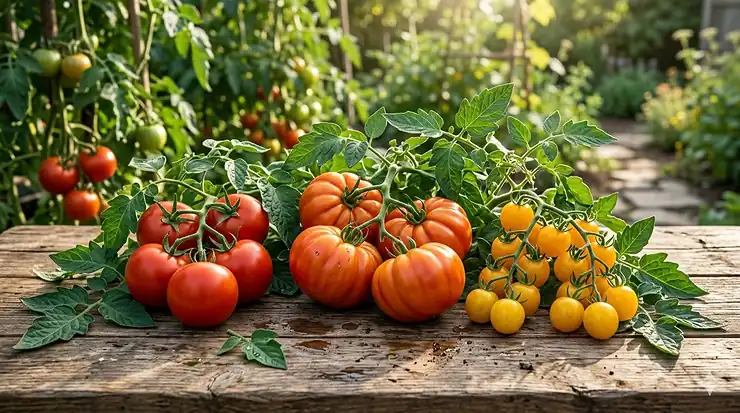
You know that heartbreak when your tomato plants look perfect in July, then September hits and they’re covered in dark spots, wilting leaves, and mushy fruit? I’ve been there.
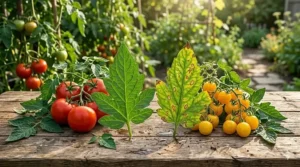
After losing three straight seasons to late blight and early blight, I finally got smart about disease resistant tomato seeds. The difference was night and day. Where my neighbors were spraying fungicides every week and still watching their plants die, mine kept producing gorgeous tomatoes right up to first frost.
Here’s the thing most gardeners don’t realize: not all disease resistant tomato seeds are created equal. Some varieties claim resistance but fold at the first sign of trouble. Others pack multiple resistance genes that genuinely keep your plants healthy through the entire season.
Disease resistant tomato seeds offer built-in protection against common tomato diseases like fusarium wilt resistant strains, verticillium resistance, nematode resistant seeds, and blight resistant varieties. According to research from Cornell University, choosing varieties with proper disease resistance can dramatically reduce or eliminate the need for fungicide applications, saving you money while producing healthier fruit.
In this guide, I’ll walk you through the 7 best disease resistant tomato seeds you can actually buy right now, what those cryptic resistance codes really mean, and how to choose varieties that’ll thrive in your specific growing conditions. Whether you’re battling humid southeastern summers or cool, wet Pacific Northwest weather, there’s a variety here that’ll work for you.
Quick Comparison Table
| Tomato Variety | Type | Disease Resistance | Days to Maturity | Price Range |
|---|---|---|---|---|
| Burpee Celebrity | Determinate Slicer | VFNT | 70 days | $6-8 (35 seeds) |
| Iron Lady F1 | Determinate Slicer | EB, LB, SLS, VF | 75 days | $8-12 (45 seeds) |
| Mountain Fresh Plus | Determinate Slicer | VFN, EB | 75-80 days | $7-10 (20-50 seeds) |
| Defiant PHR | Determinate Slicer | LB, EB, VF | 70 days | $8-12 (25 seeds) |
| Mountain Magic F1 | Indeterminate Cherry | VFF, A, EB, LB | 70-75 days | $8-14 (20-50 seeds) |
| Jasper F1 | Indeterminate Cherry | FF, EB, LB, SLS | 60 days | $7-11 (20-50 seeds) |
| Big Beef | Indeterminate Beefsteak | VFN | 73 days | $6-9 (25 seeds) |
💬 Just one click – help others make better buying decisions too! 😊
Top 7 Disease Resistant Tomato Seeds: Expert Analysis
1. Burpee Celebrity Hybrid – The All-Star Garden Champion
Price: $6-8 for 35 seeds
If you only grow one disease resistant variety, make it Celebrity. This All-America Selections winner has been the gold standard for home gardeners since its introduction, and for good reason.
Key Specifications:
- Disease Resistance: VFNT (Verticillium, Fusarium races 1 & 2, Nematodes, Tobacco Mosaic Virus)
- Fruit Size: 7 oz
- Plant Type: Determinate, 36″ tall
- Days to Maturity: 70 days
Celebrity produces gorgeous, crack-resistant slicing tomatoes with that perfect balance of sweet and tangy. The determinate plants are compact enough for smaller gardens but productive enough to keep you in fresh tomatoes all season.
What I love most is how Celebrity just keeps going when other varieties succumb to disease. Even in high-humidity regions where fungal diseases thrive, these plants maintain healthy green foliage and continue setting fruit.
Customer Feedback: Home gardeners consistently report heavy yields and excellent disease tolerance even in challenging growing conditions. One customer notes that Celebrity maintains production when nearby non-resistant varieties fail mid-season.
✅ Pros:
- Exceptional disease resistance package
- Crack-resistant fruits perfect for sandwiches
- Reliable producer in varied climates
❌ Cons:
- Determinate growth limits season length
- Not as flavorful as some heirlooms
Best For: Gardeners seeking reliable production with minimal disease management
2. Iron Lady F1 Hybrid – Triple Threat Blight Fighter
Price: $8-12 for 45 seeds
Iron Lady represents a breakthrough in tomato breeding—it’s the first variety offering resistance to all three major foliar fungal diseases: late blight, early blight, AND Septoria leaf spot.
Key Specifications:
- Disease Resistance: EB, LB, SLS, VF (Early Blight, Late Blight, Septoria Leaf Spot, Verticillium, Fusarium races 1 & 2)
- Fruit Size: 5 oz
- Plant Type: Determinate, 2.5-3′ tall
- Days to Maturity: 75 days
Developed through collaboration between Cornell University and North Carolina State University, Iron Lady carries the Ph-2 and Ph-3 genes for comprehensive late blight resistance. This is serious science translated into a variety you can actually grow.
The fruits are medium-sized red slicers with good flavor and dense, juicy texture. While not the largest tomato you’ll grow, the reliability factor is off the charts.
Customer Feedback: Growers in blight-prone regions report that Iron Lady plants remain healthy and productive long after susceptible varieties succumb to disease. The compact size makes it ideal for container growing.
✅ Pros:
- Unmatched triple disease resistance
- Compact plants perfect for small spaces
- No trellising required
❌ Cons:
- Smaller fruit size than full-size slicers
- Must plant away from susceptible varieties to maximize early blight protection
Best For: Regions with severe blight pressure, organic growers seeking to minimize fungicide use
3. Mountain Fresh Plus Hybrid – The Humid Climate Champion
Price: $7-10 for 20-50 seeds (varies by seller)
Bred specifically by North Carolina State University for regions with wet, humid summers, Mountain Fresh Plus thrives where many tomatoes fail.
Key Specifications:
- Disease Resistance: VFN, EB (Verticillium, Fusarium races 1 & 2, Nematodes, Early Blight tolerance)
- Fruit Size: 8-16 oz
- Plant Type: Determinate
- Days to Maturity: 75-80 days
Mountain Fresh Plus handles cool, rainy conditions that would destroy most tomatoes. The fruits are large, firm, and crack-resistant—perfect for slicing. Vigorous plants provide excellent leaf cover to protect fruit from sun scald.
This variety is particularly impressive for its nematode tolerance, making it ideal for southern gardens where root-knot nematodes devastate susceptible varieties.
Customer Feedback: Southern growers particularly appreciate how Mountain Fresh Plus handles both heat and humidity without missing a beat. The crack resistance means you can leave fruit on the vine longer for peak flavor.
✅ Pros:
- Excellent tolerance to rainy, cool conditions
- Large, uniform fruits
- Root-knot nematode tolerance
❌ Cons:
- Determinate growth habit
- Can require early staking despite compact classification
Best For: Southeastern gardens, areas with nematode problems, growers seeking large disease-resistant slicers
4. Defiant PHR Hybrid – Early & Late Blight Warrior
Price: $8-12 for 25 seeds
Defiant was bred specifically to crack the genetic code for modern late blight resistance while maintaining that classic tomato flavor gardeners love.
Key Specifications:
- Disease Resistance: LB, EB, VFF (Late Blight, Early Blight intermediate, Verticillium, Fusarium races 1 & 2)
- Fruit Size: 6-8 oz
- Plant Type: Determinate, 3′ tall
- Days to Maturity: 70 days
Carrying the Ph-2 and Ph-3 major genes for late blight resistance, Defiant offers high-level protection against the disease that caused the Irish Potato Famine. The 6-8 oz globe-shaped fruits are smooth, medium-firm, and have excellent balanced flavor.
What sets Defiant apart is how it combines disease resistance with genuine flavor. Many resistant varieties sacrifice taste for toughness—Defiant delivers both.
Customer Feedback: Market growers report excellent field performance and high yields even under disease pressure. Home gardeners love the old-fashioned tomato taste combined with modern disease protection.
✅ Pros:
- Superior blight resistance package
- Great fresh eating flavor
- Widely adaptable to different climates
❌ Cons:
- Intermediate (not high) early blight resistance
- Smaller fruit than full beefsteaks
Best For: Northern growers facing late blight, anyone seeking flavor with protection
5. Mountain Magic F1 Hybrid – Sweet Cherry with Serious Protection
Price: $8-14 for 20-80 seeds (varies by pack size)
Mountain Magic bridges the gap between cherry and salad tomatoes, producing sweet 2 oz fruits with an exceptional disease resistance package.
Key Specifications:
- Disease Resistance: VFF, A, EB, LB (Verticillium, Fusarium races 1, 2 & 3, Alternaria, Early Blight intermediate, Late Blight)
- Fruit Size: 2 oz
- Plant Type: Indeterminate
- Days to Maturity: 70-75 days
These bright red, perfectly round cocktail tomatoes grow in clusters of 7-8 and are incredibly sweet. The crack-resistant fruits hold well on the vine and after harvest, making them perfect for both fresh eating and farmers markets.
Cornell University researchers list Mountain Magic among varieties with exceptional combined resistance to multiple diseases, including the difficult-to-control alternaria stem canker.
Customer Feedback: Growers rave about the extended harvest window and how plants stay healthy and productive all season. The size is perfect for salads or eating straight off the vine.
✅ Pros:
- Exceptional sweet flavor
- Outstanding disease resistance across multiple pathogens
- Long shelf life
❌ Cons:
- Indeterminate vines require support
- Smaller than traditional slicing tomatoes
Best For: Salad lovers, market growers, anyone wanting disease-resistant cherry tomatoes with premium flavor
6. Jasper F1 Hybrid Cherry – The 2013 AAS Winner That Still Dominates
Price: $7-11 for 20-50 seeds
Jasper won the prestigious All-America Selections award for good reason—it’s one of the few cherry tomatoes offering resistance to both early and late blight.
Key Specifications:
- Disease Resistance: FF, EB, LB (Fusarium races 1 & 2, Early Blight intermediate, Late Blight)
- Fruit Size: ½-¾ oz
- Plant Type: Indeterminate, 6-8′ tall
- Days to Maturity: 60 days
These deep red cherry tomatoes pack rich, old-fashioned tomato flavor into bite-sized packages. The fruits grow in small trusses and are remarkably crack-resistant, holding their quality both on the plant and after picking.
What makes Jasper special is its vigorous growth and ability to overcome weather-related stresses that shut down less resilient varieties. Extra-tall vines stay healthy throughout the growing season.
Customer Feedback: Commercial growers appreciate the uniformity and holding quality. Home gardeners love the sweet-rich flavor and how the plants just keep producing through conditions that stress other varieties.
✅ Pros:
- Excellent disease resistance for a cherry type
- Sweet, complex flavor
- Highly productive over extended season
❌ Cons:
- Tall vines require substantial support
- Very small fruit size
Best For: Cherry tomato lovers, container gardens with good support, growers in blight-prone regions
7. Big Beef Hybrid – Disease-Resistant Beefsteak Power
Price: $6-9 for 25 seeds
For gardeners who want those massive, meaty slicing tomatoes without sacrificing disease resistance, Big Beef delivers.
Key Specifications:
- Disease Resistance: VFN (Verticillium, Fusarium races 1 & 2, Nematodes)
- Fruit Size: 10-12 oz (can reach 1 lb)
- Plant Type: Indeterminate
- Days to Maturity: 73 days
Big Beef produces large, flavorful fruits earlier than most beefsteaks while maintaining excellent disease resistance. The plants are vigorous and productive, setting heavy yields of crack-resistant tomatoes perfect for slicing.
These tomatoes have that perfect beefsteak texture—meaty and dense without being dry—and the flavor is outstanding. It’s proof you don’t have to choose between size and disease resistance.
Customer Feedback: Consistently rated among the best-tasting disease-resistant beefsteaks. Gardeners report excellent yields and plants that stay healthy throughout the season.
✅ Pros:
- Large fruit size with excellent flavor
- Good disease resistance package
- Earlier than most beefsteaks
❌ Cons:
- No late blight resistance
- Requires sturdy staking
Best For: Beefsteak lovers, sandwich tomato enthusiasts, gardeners in fusarium-prone soils
Understanding Disease Resistance Codes: The Secret Language Decoded
Ever look at a tomato seed packet and wonder what “VFNT” actually means? These letters aren’t just random—they’re your roadmap to choosing varieties that’ll thrive in your garden.
The Essential Resistance Codes
V – Verticillium Wilt A soil-borne fungus that clogs the plant’s water-conducting tissue. Starts with yellowing between leaf veins on lower leaves, eventually killing the entire plant. According to tomato disease research published in the National Center for Biotechnology Information, this pathogen can survive in soil for years, making resistant varieties essential for long-term garden health.
F, FF, FFF – Fusarium Wilt (Races 1, 2, 3) Another soil-dwelling fungus causing yellowing and wilting, typically starting on one side of the plant. The multiple F’s indicate resistance to different strains—FFF offers the broadest protection.
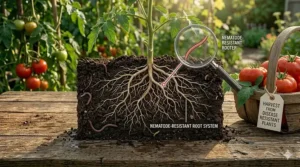
N – Nematodes Microscopic soil-dwelling worms that form galls on roots, stunting plants and reducing yields. Particularly problematic in southern gardens with sandy soils.
T – Tobacco Mosaic Virus A viral disease spread by contact, causing mottled leaves and reduced yields. No cure exists once plants are infected.
EB – Early Blight Fungal disease causing concentric ring spots on leaves. Common in humid regions with warm temperatures.
LB – Late Blight The disease that caused the Irish Potato Famine. Devastating in cool, wet conditions. Modern resistant varieties carry Ph-2 and Ph-3 genes for protection.
A – Alternaria (Stem Canker) Causes dark lesions on stems and can girdle plants. Often appears alongside early blight.
SLS – Septoria Leaf Spot Fungal disease causing small circular spots on older leaves. Thrives in high humidity.
How to Read Complete Resistance Codes
When you see “VFFNT” on a seed packet:
- V = Verticillium wilt resistance
- FF = Fusarium wilt races 1 & 2 resistance
- N = Nematode resistance
- T = Tobacco Mosaic Virus resistance
This variety offers broad-spectrum protection against four major tomato problems.
Choosing Disease Resistant Tomato Seeds for Your Climate
Humid Southeastern Gardens
You’re battling early blight, Septoria leaf spot, and fusarium wilt. Prioritize:
- Mountain Fresh Plus (VFN + EB tolerance)
- Iron Lady (triple blight resistance)
- Celebrity (broad VFNT protection)
Pro Tip: In high-humidity regions, disease resistance alone isn’t enough. Choose varieties specifically bred for humid climates like the Mountain series from North Carolina State University.
Cool, Wet Pacific Northwest & Northeast
Late blight is your nemesis. Focus on:
- Iron Lady (homozygous Ph-2 + Ph-3 genes)
- Defiant PHR (high late blight resistance)
- Mountain Magic (combines LB resistance with productivity)
Pro Tip: Even with resistant varieties, practice good garden hygiene. Remove all tomato debris in fall—late blight spores don’t survive winter on dead tissue.
Hot, Dry Southwest
Fusarium and Verticillium wilts thrive in your soils. Look for:
- Celebrity (VF resistance + heat tolerance)
- Big Beef (VFN protection)
- Mountain Fresh Plus (VFN + handles temperature swings)
Pro Tip: In hot regions, adequate water is crucial even with resistant varieties. Stressed plants are more susceptible to disease.
Variable Midwest Gardens
You face it all—temperature swings, humidity, and multiple diseases. Choose varieties with stacked resistance:
- Iron Lady (comprehensive protection)
- Defiant PHR (blight + wilt resistance)
- Celebrity (proven all-around performer)
How to Grow Disease Resistant Tomato Seeds for Maximum Protection
Starting Seeds Indoors
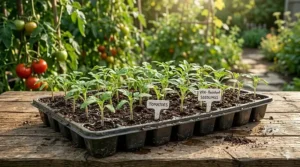
Start seeds 6-8 weeks before your last frost date. Use sterile seed-starting mix—never garden soil, which can harbor pathogens.
Temperature Matters:
- Germination: 75-85°F soil temperature
- Seedling Growth: 60-70°F air temperature
- Too cold = slow germination and damping off
- Too hot = leggy, weak seedlings
Transplanting Tips for Disease Prevention
- Wait for Warm Soil: Don’t rush. Transplant only after nighttime temperatures consistently stay above 50°F and soil reaches at least 60°F. Cold-stressed plants are more susceptible to disease.
- Plant Deep: Bury stems up to the first set of true leaves. Tomatoes form adventitious roots along buried stems, creating stronger, more resilient plants.
- Space Properly:
- Determinate varieties: 24-30″ apart
- Indeterminate varieties: 36-48″ apart
- Good air circulation prevents fungal diseases
Cultural Practices That Enhance Disease Resistance
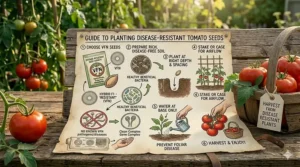
Mulch Properly: Apply 2-3″ of organic mulch around plants (but not touching stems). This prevents soil-borne pathogens from splashing onto lower leaves during rain or watering.
Water at Ground Level: Drip irrigation or soaker hoses are ideal. Overhead watering keeps foliage wet—an invitation for fungal diseases. Water in morning so any moisture on leaves dries quickly.
Prune for Airflow: For indeterminate varieties, remove suckers below the first fruit cluster and lower leaves once plants are established. Better air circulation = less disease pressure.
Rotate Crops: Never plant tomatoes (or related crops like peppers, potatoes, eggplant) in the same spot two years running. A 3-4 year rotation prevents soil-borne disease buildup.
Support Properly: Stake or cage all varieties. Fruit and foliage touching soil are vulnerable to diseases even on resistant varieties.
When to Use Fungicides (Even with Resistant Varieties)
Disease resistance isn’t immunity. In severe disease pressure situations:
Organic Options:
- Copper-based fungicides (labeled for organic use)
- Bacillus subtilis biological fungicides
- Apply preventatively before disease appears
Conventional Options:
- Chlorothalonil (broad-spectrum protectant)
- Follow label directions carefully
- Rotate fungicide types to prevent resistance
Key Principle: Even the best disease resistant varieties may need supplemental protection during extreme conditions. Think of resistance as reducing fungicide needs, not eliminating them entirely.
Common Tomato Diseases: Recognition & Management
Fusarium Wilt
Symptoms: Yellowing and wilting starting on one side of plant or one branch. Affects older leaves first. Cut stem shows brown discoloration in vascular tissue.
Management: No cure once infected. Remove and destroy affected plants immediately. Choose resistant varieties (F, FF, or FFF designation). Practice crop rotation.
Verticillium Wilt
Symptoms: Similar to fusarium but affects entire plant, not just one side. Yellowing between major leaf veins. Slower progression than fusarium.
Management: Resistant varieties are essential. Solarize soil in summer to reduce pathogen populations. 4-year crop rotation.
Early Blight
Symptoms: Dark brown spots with concentric rings (target-like pattern) on older leaves. Can affect stems and fruit. Starts on lower leaves and moves up.
Management: Resistant or tolerant varieties reduce severity. Remove lower leaves touching soil. Mulch well. Apply copper-based fungicides preventatively. Good air circulation is critical.
Late Blight
Symptoms: Water-soaked spots on leaves that quickly turn brown. White fuzzy growth on underside of leaves in humid conditions. Can destroy entire plant in days.
Management: Only resistant varieties (LB designation with Ph-2 and Ph-3 genes) offer reliable protection. Remove all tomato plant debris in fall. Scout plants regularly during cool, wet weather.
Septoria Leaf Spot
Symptoms: Small circular spots with dark borders and light gray centers. Starts on lower leaves. Can defoliate plants rapidly in humid conditions.
Management: Choose varieties with SLS resistance. Remove lower leaves. Avoid overhead watering. Space plants for good air flow.
Comparing Disease Resistant vs. Heirloom Tomato Seeds
| Factor | Disease Resistant Hybrids | Heirloom Varieties |
|---|---|---|
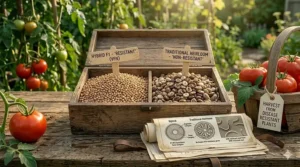
| Disease Protection | Built-in genetic resistance to multiple diseases | Generally susceptible; rely on cultural practices |
| Flavor | Good to excellent; some match heirlooms | Often exceptional, complex flavors |
| Reliability | Consistent performance across growing conditions | Variable; can fail in disease pressure |
| Seed Saving | Seeds don’t grow true to type (F1 hybrids) | Save seeds for next year |
| Price | Moderate ($0.15-0.40 per seed) | Varies ($0.10-0.50 per seed) |
| Fungicide Needs | Minimal to none | Often require regular applications |
| Best For | Reliability, minimal maintenance, disease-prone gardens | Flavor enthusiasts, seed savers, ideal conditions |
The Smart Approach: Grow both! Plant disease resistant varieties as your reliable producers, then experiment with a few heirlooms in ideal spots with excellent air circulation.
Can You Have Both Flavor AND Disease Resistance?
Yes! Modern breeders have made tremendous progress. Varieties like Defiant PHR, BrandyWise (crosses Brandywine heirloom with Cornell resistant lines), and Mountain Magic prove you don’t have to sacrifice flavor for disease protection.
The days when “disease resistant = bland” are over. Thanks to breeding programs at universities like Cornell and North Carolina State, today’s resistant hybrids rival heirlooms for flavor while offering protection heirlooms can’t match.
Frequently Asked Questions
❓ What is the most disease resistant tomato seed variety for beginners?
❓ How do disease resistant tomato seeds compare to regular heirloom varieties?
❓ Can I save seeds from disease resistant hybrid tomato plants?
❓ Do VFN resistant tomatoes still need fungicide treatments?
❓ What's the difference between blight resistant varieties and blight tolerant tomatoes?
Conclusion: Your Healthiest Tomato Garden Starts with the Right Seeds
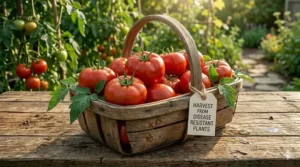
Disease resistant tomato seeds aren’t just a nice-to-have—they’re the foundation of a successful tomato garden in 2026. Whether you’re battling humid southeastern summers, cool Pacific Northwest fog, or the unpredictable Midwest, there’s a variety here that’ll work for you.
The Three Varieties I’d Plant If I Only Had Room for Three:
- Celebrity – Your reliable all-around performer with VFNT protection
- Iron Lady – Maximum blight protection when disease pressure is severe
- Mountain Magic – Sweet cherry tomatoes with exceptional disease resistance
Remember: disease resistance is just one piece of the puzzle. Combine resistant varieties with proper spacing, good air circulation, ground-level watering, mulch, and crop rotation. This integrated approach is what separates gardens that struggle with disease from those that produce abundantly.
The time to start planning your disease-resistant tomato garden is right now. Order your seeds while supplies are fresh, start them at the right time for your zone, and you’ll be harvesting gorgeous, healthy tomatoes while your neighbors wonder how you do it.
Your best tomato season ever is just a seed packet away.
Recommended for You
- 7 Best Organic Seeds vs Conventional in 2026
- 7 Best Heirloom vs Hybrid Tomatoes 2026
- 7 Best Grow Anything Seed Kits for Indoor Gardens – 2026
Disclaimer: This article contains affiliate links. If you purchase products through these links, we may earn a small commission at no additional cost to you.
✨ Found this helpful? Share it with your friends! 💬🤗
