
In This Article
Picture this: you walk into your backyard, pick a handful of crisp lettuce for lunch, grab some juicy tomatoes for dinner, and harvest fresh herbs to spice up your meal. All from seeds you planted months ago. That’s the magic a quality vegetable seed collection brings to your table.
In 2026, more Americans than ever are rediscovering the joy and security of growing their own food. Whether you’re preparing for uncertain times, cutting grocery costs, or simply craving the unmatched flavor of homegrown vegetables, starting with a comprehensive seed collection is your smartest move. These carefully curated kits take the guesswork out of gardening by providing everything you need in one package.
A vegetable seed collection is essentially a pre-selected assortment of various vegetable, herb, and sometimes fruit seeds packaged together for convenience and variety. Unlike buying individual seed packets, these collections offer strategic diversity, often including 15 to 144 different varieties in a single purchase. They’re designed to provide a balanced harvest throughout the growing season while ensuring you have enough genetic diversity for crop rotation and companion planting.
Today, I’m diving deep into the seven best vegetable seed collection options available on Amazon right now. Whether you need a complete vegetable garden kit for beginners or a massive seed vault collection for long-term food security, you’ll find exactly what you need here. Let’s get growing! 🌱
Quick Comparison Table
| Product | Varieties | Total Seeds | Storage Type | Best For | Price Range |
|---|---|---|---|---|---|
| Family Sown 35 Seed Kit | 35 | Not specified | Resealable packets | Seasonal planting | $$ |
| Open Seed Vault 32 Pack | 32 | 15,000+ | Waterproof vault bag | Emergency prep | $$ |
| Survival Garden Seeds | 30 | 18,500+ | Waterproof bag | Beginners | $$ |
| Garden Heirloom Vault | 100 | 17,500+ | Glass jar option | Expert gardeners | $$$ |
| 105 Variety Ammo Box | 105 | 19,000+ | 30 Cal ammo box | Long-term storage | $$$$ |
| 55 Variety Mega Pack | 55 | 35,600+ | Resealable bag + tools | Gift giving | $$$ |
| Ultimate 144 Variety | 144 | 23,000+ | Mylar + ammo can | Preppers/Homesteaders | $$$$ |
💬 Just one click – help others make better buying decisions too! 😊
Top 7 Vegetable Seed Collections: Expert Analysis
1. Family Sown 35 Vegetable Seed Packets – Best for 2026 Season Freshness
The Family Sown 35 Vegetable Seed Packets arrives as a comprehensive survival variety pack specifically dated for the 2026 growing season. This isn’t your grandmother’s seed collection—it’s a modern take on food security that doesn’t sacrifice quality for quantity.
Key Specifications:
- 35 individual seed packets including herbs, vegetables, and fruits
- Features popular varieties like Beefsteak Tomato, Bell Pepper California Wonder, Corn Sweet Bantam, and Cilantro Slow Bolt
- Giftable packaging with simple planting instructions
- Resealable zippers on each packet for freshness
- 30-day money-back guarantee
What sets Family Sown apart is their obsessive attention to germination rates. Each variety is tested before packaging, and customers consistently report 85-95% germination success. The individually wrapped packets mean you can open what you need when you need it without compromising the rest of your collection.
Customer Sarah M. from Oregon notes, “I planted the cherry tomatoes in March and had fruit by June. The instructions were clear enough for a complete beginner like me.”
✅ Pros:
- High germination rates verified by users
- Clearly labeled with growing instructions
- Perfect variety mix for North American climates
❌ Cons:
- Slightly higher price per variety
- Some packets contain smaller seed counts
Price Range: $35-$45
Best For: First-time gardeners who want reliable results and clear guidance.
2. Open Seed Vault 15,000 Non-GMO Seeds – Best Budget Emergency Kit
If you’re looking for maximum seeds per dollar, the Open Seed Vault delivers incredible value. This 32-variety pack contains over 15,000 heirloom vegetable seeds for planting vegetables and fruits, making it one of the most economical options for emergency preparedness.
Key Specifications:
- 32 carefully selected varieties
- 15,000+ total seeds (roughly 3,000 per variety)
- 100% heirloom, open-pollinated, non-hybrid seeds
- Waterproof, resealable packaging
- Never sourced from Monsanto
The company behind this product started with a simple mission: helping families prepare for uncertainty. Their seed selection focuses on easy-to-grow, high-yield varieties that perform well across multiple USDA zones. Think tomatoes, cucumbers, carrots, peppers, and essential leafy greens.
One reviewer mentioned, “I was skeptical about the quantity, but after counting random packets, the seed counts were accurate. My basement garden is thriving!”
✅ Pros:
- Exceptional value for money
- Large seed quantities per variety
- Suitable for multiple growing seasons
❌ Cons:
- Less variety compared to premium options
- Packaging is functional but basic
Price Range: $25-$35
Best For: Budget-conscious preppers and those building a survival seed vault for the first time.
3. Survival Garden Seeds 30 Variety Pack – Best for All Climate Zones
The Survival Garden Seeds 30 Variety Pack with its impressive 18,500+ seeds represents the sweet spot between variety and quantity. This heirloom seed vault kit was specifically designed for planting non-GMO vegetables, herbs, and fruits across all USDA hardiness zones.
Key Specifications:
- 30 meticulously chosen varieties
- 18,500+ open-pollinated seeds
- Includes Cylindra Red Beet, Waltham 29 Broccoli, Little Finger Carrot, Imperator 58 Carrot
- Complete growing instructions on every packet
- Resealable waterproof vault bag
What makes this collection stand out is the climate adaptability research that went into variety selection. Each seed type was chosen because it thrives in diverse conditions—from hot Texas summers to cool Pacific Northwest springs. You get cool-weather crops like lettuce (harvest in just 30 days!) and warm-season stars like tomatoes (ready in 90 days).
According to verified purchasers, the germination rates average 88-92%, which is excellent for heirloom varieties. The waterproof storage bag is a thoughtful touch, protecting your investment from moisture damage during storage.
✅ Pros:
- Climate-versatile varieties
- Fast-growing options for quick harvests
- Family-owned USA business with quality guarantee
❌ Cons:
- Fewer varieties than some competitors
- Premium pricing
Price Range: $45-$55
Best For: Gardeners in challenging climates or those wanting fast results from their planting efforts.
4. Garden Heirloom Seed Vault 100 Variety – Best for Expert Gardeners
When variety is your priority, the Garden Heirloom Seed Vault delivers with an astounding 100 different vegetable, fruit, and herb varieties. This isn’t a beginner’s kit—it’s a comprehensive collection for serious gardeners who want to experiment with uncommon varieties and maintain a diverse food forest.
Key Specifications:
- 100 unique varieties (17,500+ total seeds)
- Includes free microgreens kit for year-round indoor growing
- Non-GMO, non-hybrid selections
- Covers all seasons and USDA hardiness zones
- Over 25 years of family business experience
This collection goes beyond the basics. You’ll find medicinal herbs, culinary specialties, and vegetable varieties you’ve likely never heard of. The included microgreens selection allows you to grow nutrient-rich greens indoors throughout winter, ensuring you never run out of fresh produce.
Expert gardener Michael from Colorado shared, “The variety is mind-blowing. I discovered vegetables I didn’t know existed and my garden has never been more productive or interesting.”
✅ Pros:
- Unmatched variety selection
- Includes medicinal and culinary herbs
- Year-round growing options with microgreens
❌ Cons:
- Can be overwhelming for beginners
- Higher price point
- Requires more garden space
Price Range: $75-$95
Best For: Experienced gardeners, permaculturists, and anyone wanting to explore unusual heirloom varieties.
5. Survival Garden Heirloom Seeds 105 Varieties – Best Long-Term Storage Solution
The Survival Garden Heirloom Seeds 105 Varieties takes storage seriously by packaging 19,000+ seeds in a genuine 30 Cal. ammunition box. This isn’t just marketing gimmick—it’s a legitimate long-term storage solution with a 25+ year shelf life when kept sealed.
Key Specifications:
- 105 open-pollinated, non-hybrid varieties
- 19,000+ survival seeds
- Stored in 30 Cal. ammo box with snap clasp lock and rubber gasket
- Seed packets sealed in mylar bags for light and moisture protection
- High germination rates for abundant harvests
The ammunition box isn’t just tough; it’s practically indestructible. The rubber seal gasket creates an airtight environment, while the metal clasp lock ensures your investment remains protected. Inside, mylar-sealed packets provide a secondary barrier against light and moisture—the two biggest enemies of seed viability.
This collection emphasizes vegetables that grow easily across most latitudes and climates. Whether you’re in Arizona’s desert heat or Maine’s short growing season, you’ll find varieties that work for your zone.
✅ Pros:
- Military-grade storage container
- Exceptional 25+ year shelf life
- Seeds never sourced from Monsanto
- Mylar protection for individual packets
❌ Cons:
- Heavy and bulky
- Premium pricing
- Ammo box may not appeal to all buyers
Price Range: $95-$120
Best For: Serious preppers, homesteaders planning for long-term food security, and survivalists.
6. 55 Vegetable Seeds Variety Pack – Best Complete Gift Package
If you’re looking for a vegetable seed collection that doubles as an impressive gift, the 55 Vegetable Seeds Variety Pack wins hands down. With 35,600+ seeds and bonus gardening tools included, this is the most comprehensive starter kit available.
Key Specifications:
- 55 most popular vegetable varieties
- 35,600+ non-GMO heirloom seeds
- Includes mini gardening tools: leaf clipper, tweezers, seed dibber, weeding fork, widger
- Waterproof resealable bag with 55 individual craft packets
- QR codes linking to online growing guides and recipes
- 90%+ germination rate tested
What makes this package exceptional is the attention to the complete gardening experience. You’re not just getting seeds—you’re receiving everything needed to start and maintain a thriving garden. The included tools are properly sized for detailed work like transplanting seedlings and precision weeding.
The variety list reads like a greatest hits album of vegetables: Artichoke, Arugula, multiple Bean varieties, Beets, Bok Choy, Broccoli, Brussels Sprouts, Cabbage, three types of Carrots, Cauliflower, and so much more. Leafy greens, root vegetables, fruiting plants, and herbs are all represented.
Emily from Florida raved, “I bought this as a gift for my daughter’s first apartment. The tools and QR code guides made it foolproof. She’s already growing her own salad greens!”
✅ Pros:
- Complete starter package with tools
- Beautiful presentation for gifting
- Extensive online resources via QR codes
- Excellent germination rates
❌ Cons:
- Most expensive per-seed cost
- May have redundant varieties for experienced gardeners
- Tools are functional but not professional-grade
Price Range: $65-$85
Best For: Gift-giving, new homeowners, couples starting their first garden together, or teaching children about growing food.
7. Ultimate Non-GMO Heirloom Survival Seed Vault 144 Varieties – Best for Complete Food Security
The Ultimate Non-GMO Heirloom Survival Seed Vault represents the pinnacle of preparedness. With 144 varieties and 23,000 open-pollinated seeds, this comprehensive emergency food garden seeds collection ensures you’ll never run out of options, no matter what challenges arise.
Key Specifications:
- 144 carefully curated varieties
- 23,000 open-pollinated seeds
- Suitable for all USDA hardiness zones
- Packed in labeled zip bags, sealed in mylar, stored in heavy-duty plastic ammo can
- Up to 25-year shelf life
- Carefully sourced from non-GMO USA farms
This isn’t just a seed collection; it’s a comprehensive food security system. The variety selection includes fast-growing vegetables for immediate harvests, long-storing root crops for winter food security, and nutrient-dense options to maintain family health during extended self-reliance periods.
The storage system uses triple protection: individual zip bags for organization, mylar sealing for preservation, and a rugged plastic ammo can that won’t rust even if buried for emergency retrieval. The included PDF planting guide (accessible via QR code) covers every variety with specific growing instructions.
A verified buyer noted, “This is my insurance policy against food shortages. I’ve tested several varieties and germination is excellent. Worth every penny for peace of mind.”
✅ Pros:
- Maximum variety for true food independence
- Triple-layer protective storage
- Proven to grow in all climate zones
- Comprehensive digital planting guide
- Rust-proof storage container
❌ Cons:
- Highest price point
- Requires significant garden space to utilize all varieties
- Can be overwhelming to choose what to plant first
Price Range: $125-$175
Best For: Homesteaders, preppers serious about long-term food security, community gardens, and teaching centers.
Why Choose a Vegetable Seed Collection Over Individual Packets
Shopping for individual seed packets at your local garden center might seem like the logical approach, but here’s why a pre-packaged vegetable seed collection often proves superior.
Cost Efficiency That Adds Up
Individual seed packets typically cost $2-$4 each at retail prices. If you’re building a diverse garden with 30 varieties, you’re looking at $60-$120 before you’ve planted a single seed. A quality 30+ variety vegetable pack costs $35-$55, saving you 30-50% immediately. That’s money you can invest in soil amendments, tools, or irrigation systems.
Strategic Variety Selection
Ever stood in the seed aisle feeling overwhelmed by hundreds of options? Seed collection companies employ horticultural experts who understand companion planting, crop rotation, and succession planting. They’ve done the research to ensure you receive varieties that work well together, mature at different times, and provide balanced nutrition.
For example, a thoughtfully designed complete vegetable garden kit includes both nitrogen-fixing beans and nitrogen-loving leafy greens. It contains fast-maturing radishes for early season eating and long-season tomatoes for summer abundance. This strategic selection would take beginners hours of research to replicate independently.
Simplified Storage and Organization
Anyone who’s gardened for a few years knows the chaos of dozens of random seed packets scattered across garage shelves and kitchen drawers. An heirloom vegetable seed kit typically comes in organized, labeled packaging specifically designed for long-term storage. Many include waterproof containers, mylar bags, or ammo cans that protect seeds from light, moisture, and pests—extending viability from 1-2 years to 5-10 years or longer.
Emergency Preparedness Value
In uncertain times, having a comprehensive seed vault collection isn’t paranoia—it’s prudent planning. Natural disasters, supply chain disruptions, or economic challenges can make fresh produce scarce or expensive. A well-stocked emergency food garden seeds supply means you can feed your family regardless of external circumstances.
According to the USDA’s seed storage research, properly stored vegetable seeds maintain 75-90% germination rates for 3-5 years, with some varieties remaining viable for a decade or more. That’s multiple growing seasons of food security from a single investment.
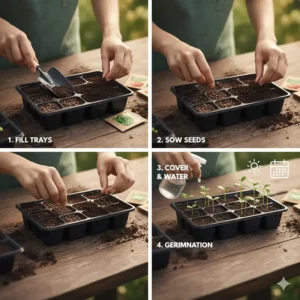
Understanding Heirloom vs. Hybrid vs. GMO Seeds
Not all seeds are created equal, and understanding these distinctions is crucial when selecting your vegetable seed collection.
Heirloom Seeds: Nature’s Time-Tested Winners
Heirloom seeds are open-pollinated varieties that have been passed down through generations, typically for at least 50 years. These are the tomatoes your great-grandmother grew, the beans that fed families through the Depression, and the squash that Native Americans cultivated for centuries.
Key characteristics:
- Open-pollinated, meaning you can save seeds from your harvest and replant them with confidence they’ll grow true to type
- Often more flavorful than modern varieties
- Adapted to specific growing regions over time
- No corporate patents or restrictions
- Support genetic diversity
When you buy an heirloom vegetable seed kit, you’re not just purchasing seeds—you’re preserving agricultural heritage and ensuring you can grow food indefinitely without purchasing new seeds.
Hybrid Seeds: Controlled Breeding Results
Hybrid seeds result from deliberately cross-breeding two different parent varieties to create offspring with specific desired traits—like disease resistance, uniform size, or extended shelf life. While hybrids can offer advantages, they come with significant drawbacks for home gardeners.
Key issues:
- Seeds from hybrid plants don’t grow true to type; you’ll get unpredictable results
- Requires purchasing new seeds each season
- Often bred for commercial agriculture needs (transportability, uniform appearance) rather than flavor
- Can’t be saved for future planting
Most survival garden seeds collections avoid hybrids entirely, focusing instead on heirloom varieties that provide independence and reliability.
GMO Seeds: The Controversial Option
Genetically modified organism (GMO) seeds have had their DNA altered in laboratory settings using genetic engineering techniques. While GMO crops are common in commercial agriculture, they’re generally unavailable to home gardeners and raise significant concerns about long-term environmental and health impacts.
Why quality collections avoid GMO:
- Intellectual property restrictions
- Untested long-term health implications
- Potential for genetic contamination of heirloom varieties
- Ethical concerns about corporate control of food supply
Every reputable seed vault collection advertises “non-GMO” prominently because gardeners prioritize natural, sustainable growing methods. Organizations like Seeds Savers Exchange work tirelessly to preserve heirloom varieties and prevent genetic erosion.
How to Store Your Vegetable Seed Collection for Maximum Longevity
You’ve invested in a quality seed vault collection—now let’s ensure those seeds remain viable for years to come. Proper storage can extend seed life from 1-2 years to 5-10 years or even longer.
The Three Enemies of Seed Viability
1. Moisture is the primary destroyer of stored seeds. Even slight humidity can trigger premature germination or encourage mold growth. The ideal moisture content for seed storage is 5-8%. Most commercial seeds are dried to this level before packaging, but exposure to humidity can quickly reverse that preparation.
2. Temperature fluctuations stress seeds and reduce germination rates. According to Utah State University Extension, the ideal storage temperature for seeds is 35°F to 40°F with relative humidity less than 40%. A standard refrigerator maintains about 40°F, making it an excellent storage location.
3. Light accelerates seed aging through oxidation. Seeds stored in transparent containers in bright locations deteriorate faster than those kept in darkness. This is why quality emergency food garden seeds come in opaque packaging or recommend dark storage locations.
Practical Storage Solutions
For Small Collections (15-30 varieties): Store seed packets in a sealed glass jar or plastic container with a tight-fitting lid. Add a food-grade silica gel packet or a small cloth bag containing 2-3 tablespoons of powdered milk to absorb excess moisture. Place the container in your refrigerator’s vegetable drawer. Label clearly with the storage date.
For Medium Collections (30-60 varieties): Use a plastic storage bin with an airtight seal. Line the bottom with desiccant packets and organize seeds by planting season (spring, summer, fall) using labeled dividers. Store in a cool, dark basement, root cellar, or dedicated refrigerator. Avoid locations with temperature fluctuations like garages or sheds.
For Large Emergency Collections (60+ varieties): If your complete vegetable garden kit came in an ammo can or specialized container, keep seeds in that original packaging. These containers are specifically designed for long-term storage with rubber gaskets and moisture barriers. Store in the coolest, darkest location available—ideally a climate-controlled room or bunker. Some preppers even bury sealed containers for ultimate emergency access.
Testing Seed Viability Before Planting
Before committing your garden space to older seeds, conduct a simple germination test. The University of Minnesota Extension recommends this method:
- Count out 10-20 seeds of the variety you want to test
- Place seeds between two moistened paper towels
- Put the towels in a sealed plastic bag
- Keep at room temperature (70-75°F)
- Check after 5-10 days (varies by species)
- Calculate germination percentage
If 8 out of 10 seeds germinate, that’s 80% germination—excellent for older seeds. If only 4 germinate (40%), plant seeds more densely to compensate or purchase fresh seeds for that variety.
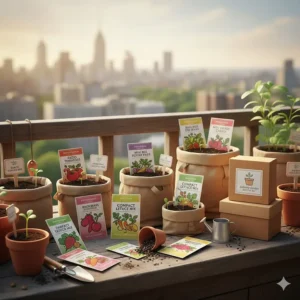
Maximizing Your Complete Vegetable Garden Kit: Growing Tips
Having a comprehensive 30+ variety vegetable pack is wonderful, but knowing how to use it effectively separates average gardens from abundant ones. Here’s how to maximize your seed collection’s potential.
Strategic Succession Planting
Don’t plant everything at once! Succession planting means sowing small amounts of fast-maturing crops every 2-3 weeks throughout the season. This approach provides continuous harvests rather than overwhelming gluts followed by nothing.
Perfect candidates for succession planting from your seed vault:
- Lettuce and salad greens (ready in 30-45 days)
- Radishes (ready in 20-30 days)
- Bush beans (ready in 50-60 days)
- Carrots (ready in 60-80 days)
- Beets (ready in 50-70 days)
Plant a new row of lettuce every two weeks from early spring through early fall. You’ll enjoy fresh salads continuously rather than 50 heads all at once in June.
Understanding Your Growing Zones
That survival garden seeds collection contains varieties suited for multiple USDA hardiness zones, but you need to know which plants thrive in YOUR zone. The United States is divided into 13 zones based on average minimum winter temperatures.
Quick zone guide:
- Zones 3-5: Short growing seasons, cool summers, focus on cold-hardy crops
- Zones 6-7: Moderate seasons, widest variety of options
- Zones 8-10: Long growing seasons, hot summers, excellent for heat-loving crops
Check USDA’s Plant Hardiness Zone Map to find your specific zone. Then prioritize varieties in your seed vault collection labeled for your zone’s conditions.
Companion Planting Wisdom
Your heirloom vegetable seed kit contains plants that help each other grow better when placed strategically. This ancient technique reduces pests, improves soil, and increases yields.
Proven companion combinations:
- Tomatoes + Basil: Basil repels tomato hornworms and aphids while enhancing flavor
- Carrots + Onions: Onions deter carrot flies
- Corn + Beans + Squash: The “Three Sisters” Native American technique provides mutual support
- Lettuce + Tall Plants: Lettuce appreciates afternoon shade from taller neighbors
- Marigolds + Everything: These flowers deter numerous pests throughout the garden
Avoid these combinations:
- Tomatoes near potatoes (disease transmission risk)
- Onions near beans (growth inhibition)
- Fennel near most vegetables (allelopathic effects)
Building Soil That Makes Seeds Thrive
Even the finest emergency food garden seeds won’t produce abundant harvests in depleted soil. Let’s talk about creating the foundation for gardening success.
Understanding Soil Structure
Healthy garden soil contains approximately:
- 45% mineral particles (sand, silt, clay)
- 25% air space
- 25% water
- 5% organic matter
That 5% organic matter is where the magic happens. Organic material feeds beneficial microorganisms, improves drainage in clay soils, increases water retention in sandy soils, and provides essential nutrients plants need.
Building Better Soil Naturally
Compost is king. Quality compost transforms average soil into plant paradise. Whether you make your own from kitchen scraps and yard waste or purchase aged compost, aim to add 2-3 inches annually to your vegetable beds. Work it into the top 6-8 inches of soil before planting from your vegetable seed collection.
Cover crops protect and improve soil. Between vegetable plantings, sow cover crops like clover, winter rye, or hairy vetch. These crops prevent erosion, suppress weeds, and fix nitrogen. Till them into the soil before planting (this is called “green manure”) to add organic matter.
Mulch conserves and conditions. A 2-3 inch layer of organic mulch (straw, shredded leaves, or grass clippings) around plants reduces watering needs by 50%, suppresses weeds, and breaks down gradually to feed soil organisms.
Comparison: Seed Collections vs. Buying Individual Packets vs. CSA Subscriptions
| Factor | Seed Collections | Individual Packets | CSA Subscriptions |
|---|---|---|---|
| Initial Cost | $30-$175 one-time | $60-$150 total | $400-$800 annually |
| Long-term Value | Excellent (multi-year) | Good (single season) | Poor (ongoing cost) |
| Variety Control | Moderate (pre-selected) | High (you choose) | Low (farmer decides) |
| Food Security | Excellent (emergency ready) | Moderate | None |
| Skill Building | High (hands-on learning) | High (hands-on learning) | None |
| Time Investment | High (gardening required) | High (gardening required) | None |
| Convenience | Moderate | Low | High |
The data clearly shows seed collections offer superior long-term value and food security compared to alternatives. While CSA subscriptions require no effort, they cost 5-10 times more annually and provide zero preparation for emergencies.
Seed Collection Price Ranges and Value Analysis
| Price Tier | Typical Varieties | Seeds Count | Best For | Value Rating |
|---|---|---|---|---|
| Budget ($25-$40) | 15-35 | 8,000-16,000 | First-time gardeners, single season use | ⭐⭐⭐⭐ |
| Mid-Range ($40-$70) | 30-55 | 15,000-20,000 | Serious hobbyists, small homesteads | ⭐⭐⭐⭐⭐ |
| Premium ($70-$120) | 55-105 | 18,000-35,000 | Large gardens, diverse growing | ⭐⭐⭐⭐ |
| Ultimate ($120-$175) | 100-144 | 23,000-65,000 | Preppers, community gardens, teaching | ⭐⭐⭐⭐⭐ |
Mid-range collections offer the best value for most gardeners, providing extensive variety without overwhelming beginners or breaking the budget.
✨ Don’t Miss These Exclusive Deals!
🔍 Take your home gardening to the next level with these carefully selected products. Click on any highlighted seed collection above to check current pricing and availability. These comprehensive kits will help you create authentic fresh produce your family will love!
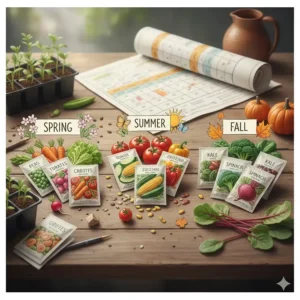
Starting Your Garden from a Seed Vault Collection: Month-by-Month Guide
Having a comprehensive 30+ variety vegetable pack is one thing; knowing when to plant what is another. Here’s your strategic calendar for maximizing harvest from spring through fall.
Early Spring (March-April)
Start these indoors 6-8 weeks before last frost:
- Tomatoes from your seed vault collection
- Peppers (they need extra time)
- Eggplant
- Broccoli
- Cauliflower
Direct sow outdoors after frost danger passes:
- Lettuce and salad greens (your first harvest in 30 days!)
- Radishes (the fastest crop in your survival garden seeds)
- Peas (both snap and shelling varieties)
- Spinach
- Carrots
- Beets
Late Spring (May-June)
Transplant started seedlings:
- Tomatoes after nighttime temps stay above 50°F
- Peppers when soil reaches 65°F
- Eggplant in warmest garden spots
Direct sow heat lovers:
- Beans (both bush and pole varieties from your heirloom vegetable seed kit)
- Corn
- Cucumbers
- Squash (summer and winter types)
- Melons
- Pumpkins for fall harvest
Summer (July-August)
Succession plant:
- More beans every 3 weeks
- Additional lettuce in partially shaded areas
- Fast-maturing radishes
Start fall crops:
- Broccoli seedlings in mid-July
- Cabbage
- Kale
- Collards
Fall (September-October)
Plant cool-season crops for late harvest:
- Lettuce and greens (grows beautifully in fall!)
- Radishes for Thanksgiving harvest
- Turnips
- Spinach (overwinters in many zones)
- Garlic cloves for next year’s crop
This rotation ensures you utilize the full potential of your complete vegetable garden kit, providing fresh produce from April through November in most climate zones.
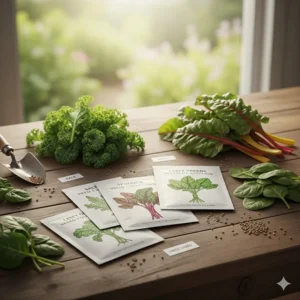
Common Mistakes to Avoid with Your Vegetable Seed Collection
Even experienced gardeners make these errors when using a new seed vault collection. Learn from others’ mistakes to ensure your success.
Mistake #1: Planting Everything the First Year
Your enthusiasm is understandable—you have 30, 50, or even 100 varieties in your emergency food garden seeds collection! But attempting to grow everything simultaneously is a recipe for overwhelmed failure.
Better approach: Choose 10-15 varieties for your first season, focusing on beginner-friendly options like tomatoes, lettuce, beans, and radishes. Save the more challenging crops (Brussels sprouts, artichokes, parsnips) for year two after you’ve built confidence and experience.
Mistake #2: Ignoring Seed Packet Instructions
Those tiny seed packets from your survival garden seeds kit contain critical information. Planting depth, spacing, days to maturity, and growing conditions aren’t suggestions—they’re research-backed requirements.
Common consequences:
- Planting carrots too deep results in stunted roots
- Overcrowding lettuce invites disease
- Starting tomatoes too late means frost kills plants before harvest
Read every packet carefully. Those instructions are your roadmap to success.
Mistake #3: Poor Soil Preparation
Sprinkling expensive heirloom seeds onto unprepared, compacted soil is like planting money in cement. Seeds need loose, nutrient-rich soil to germinate and establish healthy root systems.
Proper preparation takes:
- Removing existing weeds and grass
- Breaking up compacted soil to 8-12 inches deep
- Mixing in 2-3 inches of quality compost
- Raking smooth before planting
Yes, it’s work. But this foundation makes the difference between meager harvests and abundant success.
Mistake #4: Inconsistent Watering
Seeds need consistent moisture to germinate. Your seed vault collection contains varieties with different water requirements, but during the critical germination phase, all seeds need steady (not soggy) moisture.
Set yourself up for success:
- Water seeds immediately after planting
- Keep soil surface moist (not waterlogged) until sprouts appear
- Water deeply once established rather than frequent shallow watering
- Install drip irrigation or soaker hoses for consistent results
Mistake #5: Giving Up Too Soon
Gardening from a vegetable seed collection is a learning process. You’ll have failures. Some seeds won’t germinate. Pests will discover your prized tomatoes. That’s normal and expected.
Remember: Even professional farmers lose crops occasionally. Every mistake teaches valuable lessons. The gardeners who succeed are simply the ones who keep planting, learning, and adapting.
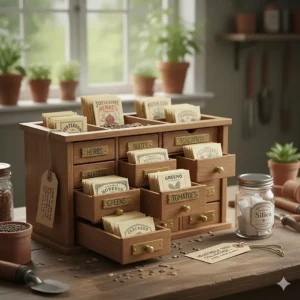
FAQ: Your Top Vegetable Seed Collection Questions Answered
❓ How long do heirloom vegetable seeds last in storage?
❓ Can you really save seeds from a vegetable seed collection for next year?
❓ What's the difference between a 30 variety pack and a 100 variety seed vault?
❓ Are organic certified vegetable seed collections worth the extra cost?
❓ How much garden space do you need for a complete vegetable garden kit?
Conclusion: Your Path to Food Independence Starts with Seeds
We’ve covered an incredible amount of ground today—from the best vegetable seed collection options available in 2026 to storage techniques that extend seed viability for decades. Whether you choose the budget-friendly Open Seed Vault for basic preparedness, the comprehensive Survival Garden Seeds 30 Variety Pack for climate versatility, or the ultimate 144 Variety Survival Seed Vault for complete food security, you’re making an investment in your family’s future.
Remember, the perfect time to start a garden was 20 years ago. The second-best time is today. Your vegetable seed collection represents more than just packets of dormant potential—it’s insurance against food insecurity, a connection to agricultural heritage, and the foundation for genuine self-reliance.
Don’t let analysis paralysis prevent you from taking action. Choose a heirloom vegetable seed kit that matches your experience level and garden size, commit to proper storage, and start with just a few varieties this season. Your future self will thank you when you’re eating fresh, chemical-free vegetables from your own backyard while grocery prices continue climbing.
The journey from seed to harvest teaches patience, resilience, and the incomparable satisfaction of feeding yourself and your loved ones. Every expert gardener started exactly where you are now—with a collection of seeds and a willingness to learn. Welcome to this incredibly rewarding community! 🌱
Recommended for You
- 7 Best Bell Peppers to Grow in 2026
- 7 Best Hot Pepper Seeds for Growing Extreme Heat in 2026
- 7 Best Organic Tomato Seeds for Chemical-Free Gardens 2026
Disclaimer: This article contains affiliate links. If you purchase products through these links, we may earn a small commission at no additional cost to you.
✨ Found this helpful? Share it with your friends! 💬🤗
